

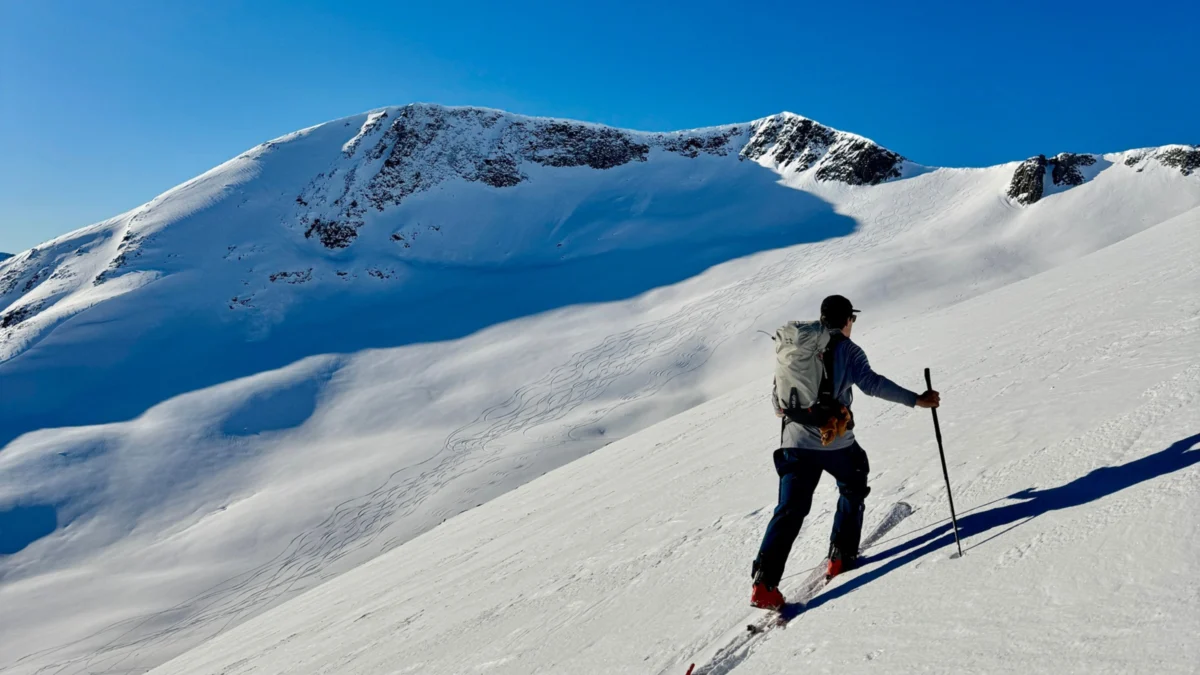
The evolution of backcountry skiing from a niche pursuit to a mainstream winter discipline has necessitated a parallel advancement in uphill equipment technology. For the 2027 season, the focus on climbing skins—the essential adhesive-backed strips that provide the friction necessary for vertical ascent—has shifted toward a balance of weight reduction, glue reliability in extreme temperatures, and the refinement of fiber blends. Following an exhaustive 12-month testing cycle that spanned four continents and a variety of snow climates, industry experts have identified five standout models that define the current state of the market. These selections represent the pinnacle of engineering in a category where gear failure can lead to catastrophic mission outcomes or, at the very least, a significant compromise in safety and efficiency.
The State of the Backcountry Market in 2027
As of late 2026, the global alpine touring market continues to see a steady compound annual growth rate, driven by a desire for solitude and the rising costs of resort-based skiing. This surge has placed a premium on gear that is "user-friendly" yet "professional-grade." Climbing skins, once considered a secondary accessory, are now viewed as a primary performance component. Modern skins utilize a sophisticated interplay of material science, specifically the ratio of mohair (derived from Angora goat hair) to nylon. Mohair provides a low coefficient of friction for superior glide, while nylon offers the structural rigidity and "bite" required for steep, icy tracks.
The 2027 guides emphasize the 65% mohair and 35% nylon blend as the industry’s "golden ratio," providing a versatile solution for the majority of human-powered ski missions. Furthermore, the industry-wide shift toward PFC-free (perfluorocarbons) waterproof treatments has reached full maturity this season, ensuring that the gear remains environmentally responsible without sacrificing the hydrophobic properties necessary to prevent snow glopping.
Chronology of the 2025-2026 Testing Cycle
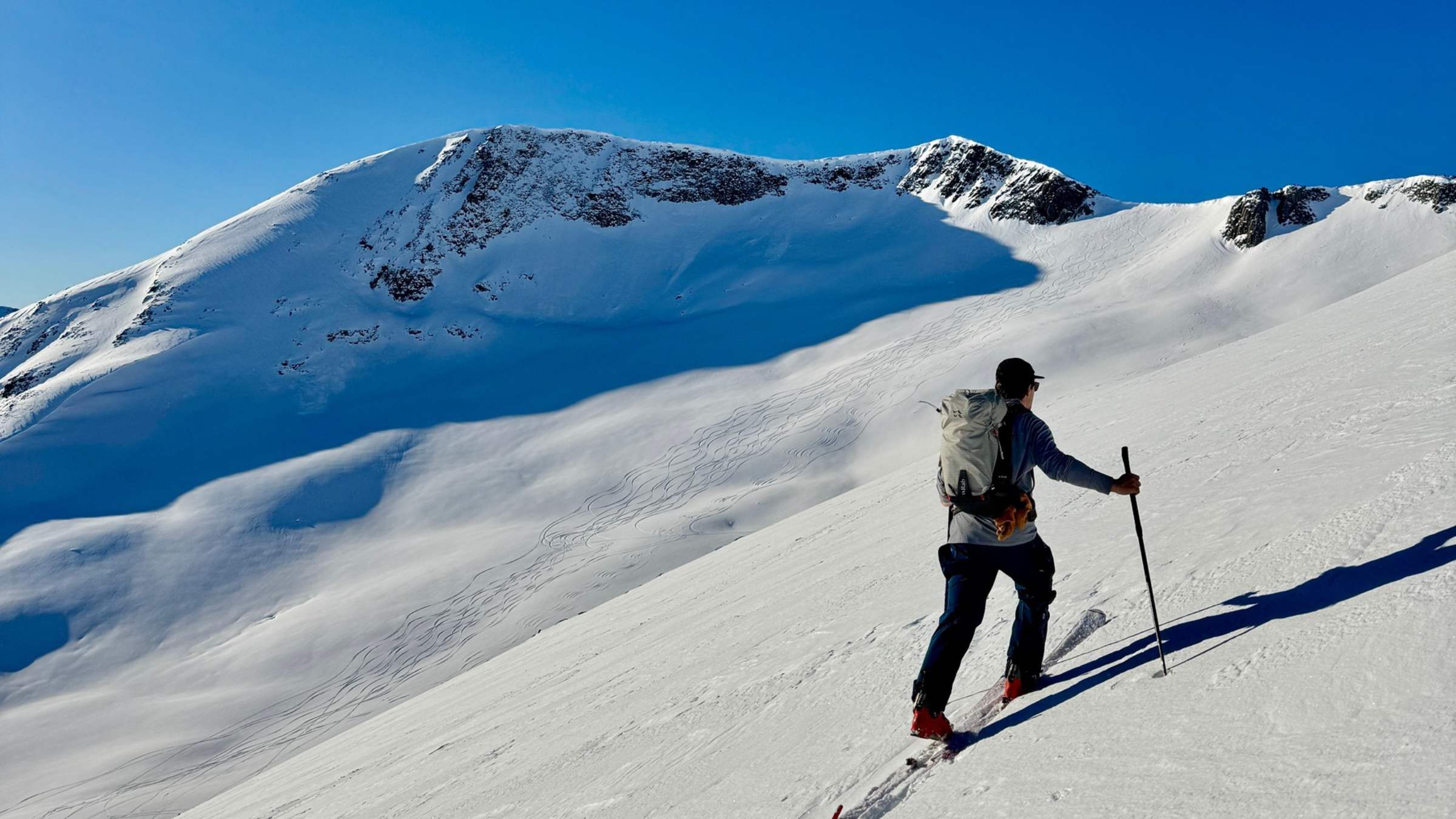
The recommendations for the 2027 season are the result of a rigorous testing timeline that began in early December 2025 and concluded in the late spring of 2026. The testing team, comprised of professional guides, avalanche educators, and seasoned backcountry journalists, deployed eight different skin models across diverse geographic regions to ensure data integrity under various environmental stressors.
The cycle began in the Teton Range of Wyoming and Idaho, where testers focused on cold-smoke powder and sub-zero temperatures to test glue adhesion. By February 2026, the testing expanded to the Swiss Alps and the rugged peaks of Kyrgyzstan. These locations provided long-duration glacier traverses and high-altitude variable snow, putting a premium on glide efficiency and packability. The final phase of testing took place in the maritime climates of British Columbia and Alaska, where high moisture content and isothermal snow tested the skins’ waterproof membranes and the durability of the plush against abrasive, refrozen crusts.
Top Performance Tiers: Best Overall and Most Durable
Pomoca Tour Pro: The Industry Benchmark
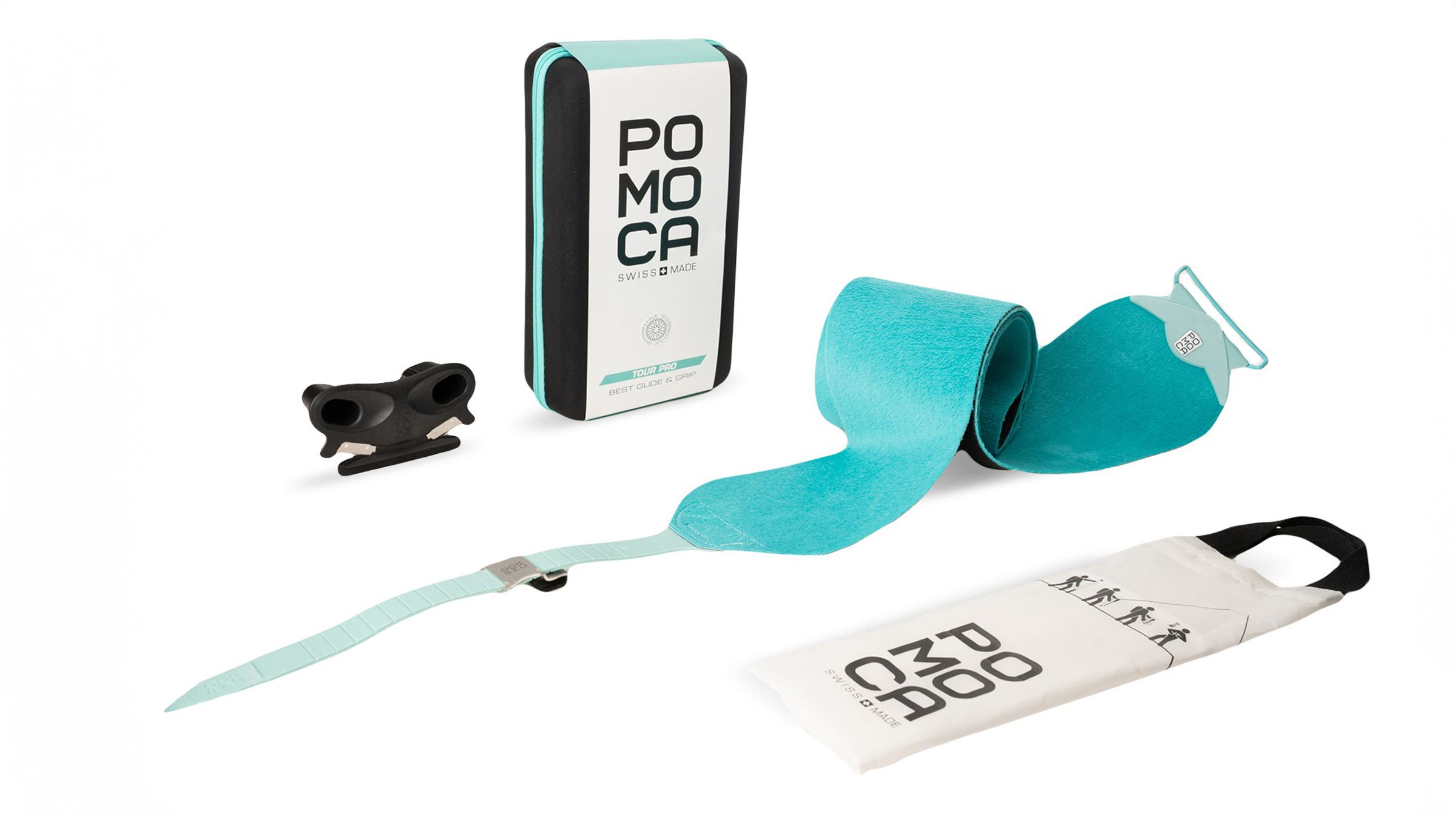
The Pomoca Tour Pro has emerged as the definitive choice for the "Best Overall" climbing skin for 2027. Pomoca, a Swiss-based manufacturer, has long held a reputation for superior glide, but the Tour Pro model addresses previous durability concerns regarding hardware.
The primary innovation in this iteration is the Power Hook metal tail clip. For several seasons, testers noted that plastic tail clips were a frequent point of failure in sub-zero conditions. The transition to a metal alloy essentially extends the lifecycle of the skin by several seasons. Underneath, the dual-fiber plush technology utilizes a strategic placement of fibers: higher nylon content at the edges for grip on side-hills, and a mohair-rich center for glide. Field reports from Grand Teton National Park highlighted that while the plush requires a brief "break-in" period of one to two tours, the subsequent performance provides a near-perfect balance of energy-saving glide and reliable traction.
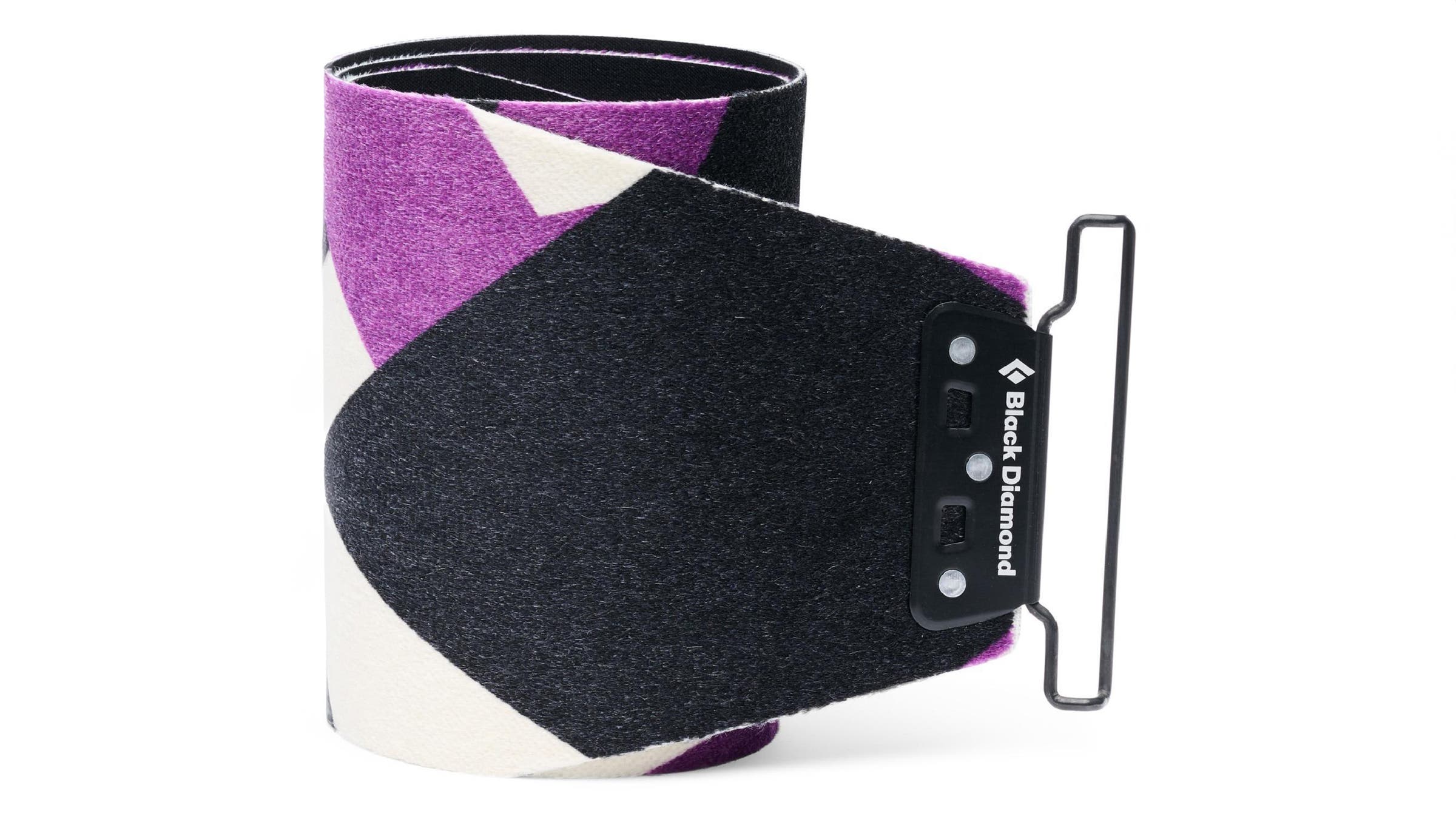
Black Diamond Glidelite Tour: Engineered Longevity
For skiers who prioritize gear longevity and ruggedness, the Black Diamond Glidelite Tour is the standout selection. This model replaces the venerable Glidelite Mix, offering a lower-profile construction that enhances packability without compromising the "bombproof" reputation of the brand’s adhesive.
The Glidelite Tour features a 65/35 mohair-nylon blend and a reinforced metal tip loop designed to fit a wide array of ski shapes, from modern 120mm powder skis to narrow 85mm mountaineering setups. Testers in the Eastern Sierra reported that the glue maintained its integrity even after five or six transitions in a single day—a scenario where many competitive glues begin to pick up debris or lose tackiness. The reduction in bulk compared to previous Black Diamond models allows these skins to be folded and stashed in a jacket pocket, a critical feature for "transition efficiency" during high-cadence training laps.
Specialized Applications: Glide, Multi-Lap Reliability, and Packability
Atomic MultiFit Bent Chetler: Superior Glide Performance
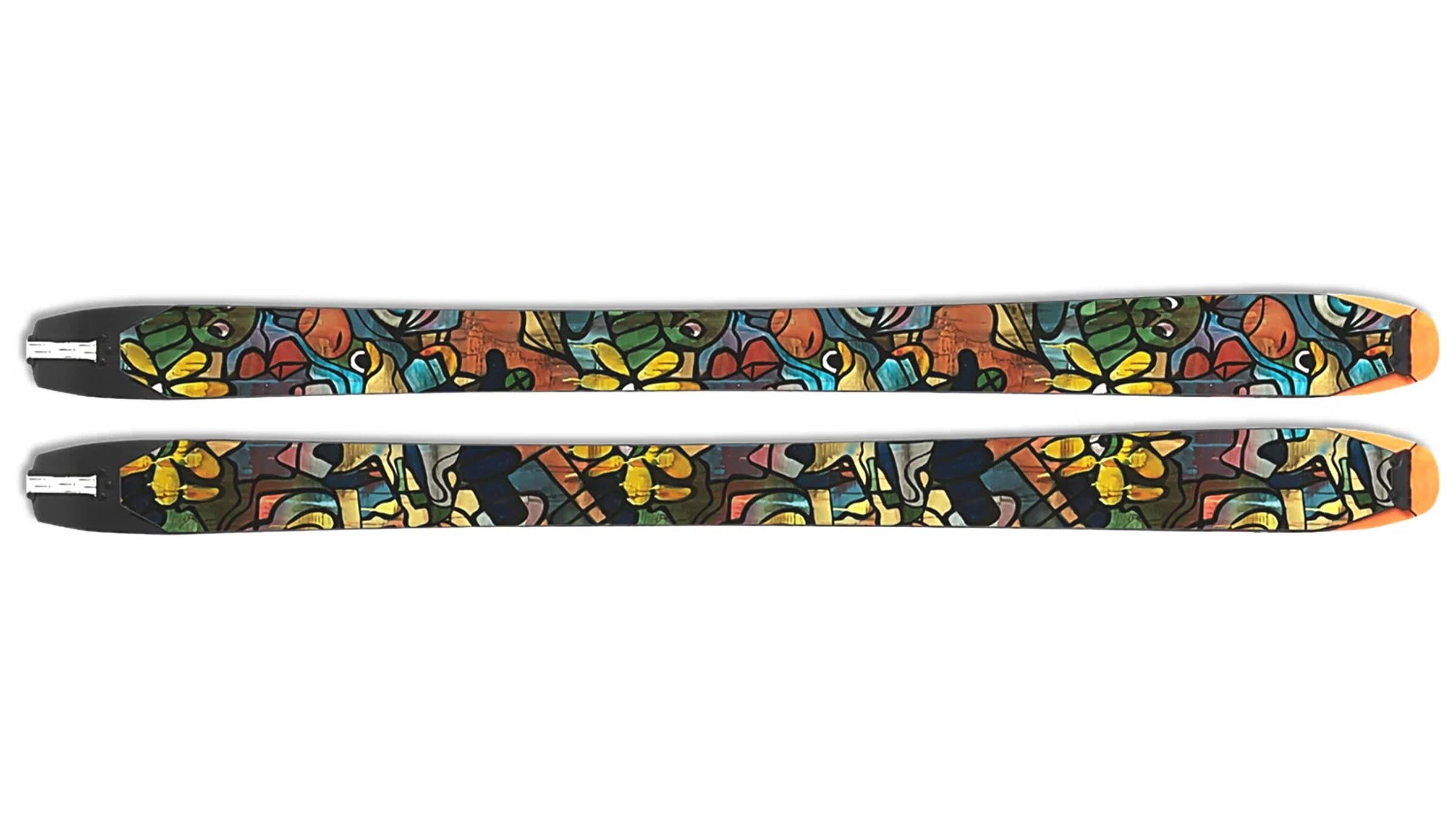
The Atomic MultiFit Bent Chetler skins represent a fusion of aesthetic design and high-end technical specs. Utilizing a 70% mohair and 30% nylon blend, these skins are optimized for the "glide" phase of the stride. Data collected during three weeks of ski guiding in Kyrgyzstan indicated that these skins significantly reduced the caloric output required for long-distance traverses compared to 100% nylon alternatives.
While the "Hot Melt" glue is exceptionally secure, testers noted it requires significant physical effort to peel the skins apart during the first dozen uses. This high-tack adhesive is a trade-off for reliability in extreme cold, ensuring that the skins do not fail when the mercury drops below -20 degrees Celsius.
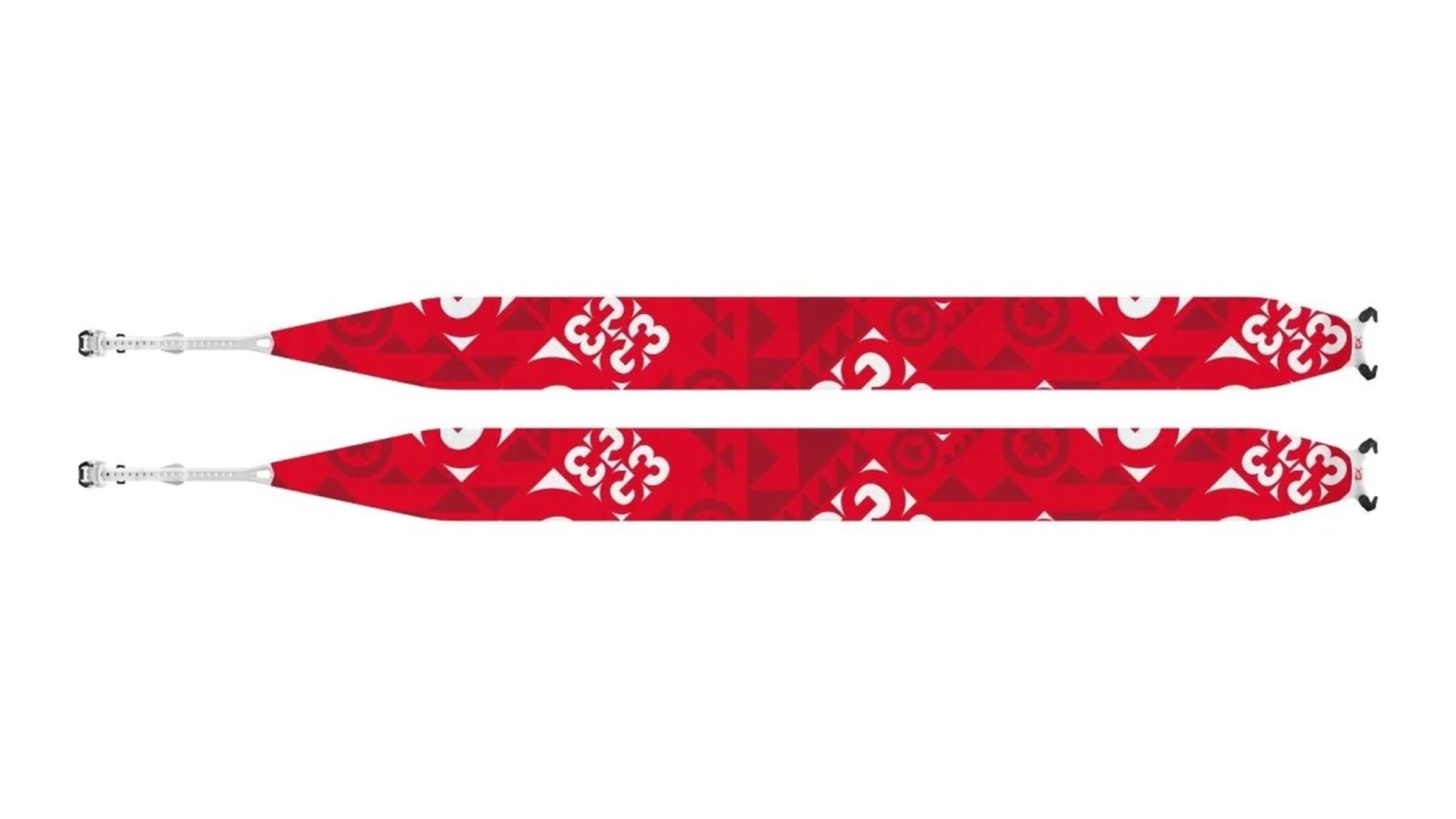
G3 Alpinist Universal: The Multi-Lap Specialist
Genuine Guide Gear (G3) overhauled its entire skin line for the 2027 season, introducing the "ChannelBond" adhesive technology. The Alpinist Universal is the flagship of this new collection. The adhesive is applied in a vertical channel pattern, which serves two purposes: it reduces the weight of the glue and creates a more secure seal at the ski edges to prevent snow infiltration.
During spring testing at the Blanket Glacier Chalet in British Columbia, the Alpinist Universal skins were subjected to heavy, wet snow and abrasive morning ice. The ChannelBond glue showed no signs of degradation or "mooing" (a common term for glue failure in wet snow) even on the fifth lap of the day. This makes the Alpinist Universal the preferred choice for professional guides and enthusiasts who engage in high-volume vertical gain.
Kohla Freeride Air: Maximum Packability
The Kohla Freeride Air skins are designed for the minimalist backcountry traveler. By utilizing a thinner-ply base material, Kohla has produced a skin that lies remarkably flat when folded. Testers in the Selkirks of British Columbia noted that these skins could be easily accommodated in low-profile chest pockets, which helps maintain glue warmth and facilitates faster transitions.
The trade-off for this thin construction is a slight reduction in long-term durability of the plush material. However, the rubbery tail clip was rated as the most user-friendly in the test, offering easy adjustments for different ski lengths. For skiers who prioritize weight savings and "fast and light" objectives, the Kohla Freeride Air is the top contender.
Technical Analysis: Material Science and Adhesive Innovations
The 2027 season marks a significant shift in how manufacturers approach skin "plush." The industry has largely moved away from 100% nylon skins for general touring, as the friction penalty is too high for modern, long-distance objectives. The current data supports the 65/35 blend as the most efficient for 90% of snow conditions.
Adhesive chemistry has also seen a bifurcated development path. "Hot Melt" glues remain the standard for reliability in extreme cold and for multi-day expeditions where skins cannot be easily dried. Conversely, "Hybrid" or "Glue-less" technologies (utilizing molecular suction or silicone) are gaining ground for short-duration, high-frequency laps in temperate climates, though they were not the top performers in this year’s "all-conditions" testing.
Official Responses and Industry Implications
Leading manufacturers have responded to the 2027 gear guides with a renewed commitment to sustainability. A spokesperson for the industry noted that the removal of "forever chemicals" (PFAS/PFCs) from skin treatments was the primary engineering challenge of the last three years. The successful deployment of these five models proves that high-performance glide and environmental stewardship are no longer mutually exclusive.
Furthermore, professional guides have reacted to the 2027 selections with a focus on safety. "A skin failure on a remote ridge is more than an inconvenience; it’s a safety hazard that can lead to exposure or being caught in a terrain trap," stated Morgan McGonagle, a professional ski guide and avalanche educator. "The emphasis on metal hardware and more reliable glue patterns in this year’s top picks is a direct response to the needs of the professional community."
Conclusion: The Broader Impact on Backcountry Safety
As backcountry skiing continues to grow, the reliability of equipment like climbing skins plays a pivotal role in the overall safety ecosystem. Better skins allow for more efficient movement, which in turn ensures that skiers have the energy and time reserves necessary to make sound decisions in avalanche-prone terrain. The 2027 guide highlights a year where "incremental refinements"—such as Pomoca’s metal clips and G3’s glue channels—have resulted in a significant leap forward in gear dependability. For the upcoming season, the consensus among experts is clear: the technology has matured to a point where the "uphill" experience can be as seamless and reliable as the descent.
