

The province of Québec has emerged as a dominant force in the North American winter tourism sector, leveraging a unique combination of vast public land, sophisticated trail infrastructure, and a deeply rooted cultural heritage. With more than 92 percent of the province designated as public land, Québec offers millions of acres of accessible wilderness, providing a scale of opportunity for winter recreation that is virtually unmatched on the continent. As the 2026-2027 winter season approaches, provincial authorities and tourism stakeholders are highlighting the expansion of groomed trail networks, the modernization of rustic backcountry lodging, and a commitment to safety standards that have transformed the region into a global hub for Nordic skiing, snowshoeing, and alpine touring.
The Foundation of Public Land and Territorial Scale
The sheer geographical expanse of Québec’s public territory serves as the primary driver for its winter appeal. Covering over 1.5 million square kilometers, the province contains a diverse array of ecosystems, from the rolling Laurentian Mountains to the rugged fjords of the Saguenay and the alpine peaks of the Gaspésie Peninsula. Unlike many regions where private land ownership restricts access to backcountry terrain, Québec’s "Crown land" status ensures that vast corridors remain open for public exploration.
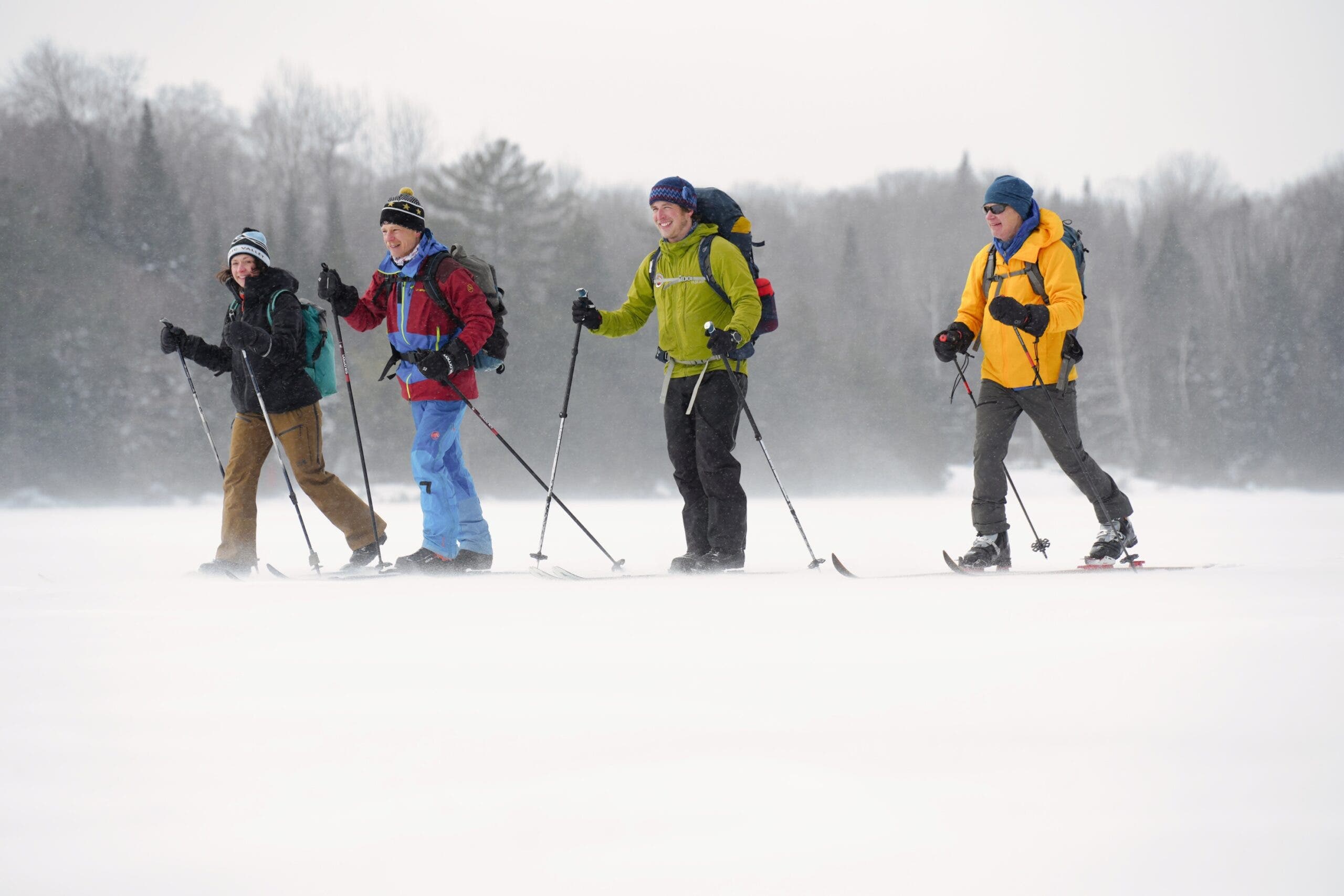
This territorial advantage is supported by a robust network of 28 national parks managed by the Société des établissements de plein air du Québec (Sépaq). These parks serve as the anchors of the province’s winter economy, providing managed environments where conservation and recreation coexist. Data from recent seasons indicates a steady increase in winter visitation, with a growing demographic of domestic and international travelers seeking "slow-travel" experiences such as multi-day snowshoeing and Nordic ski traverses.
A Chronology of Winter Travel: From Survival to Recreation
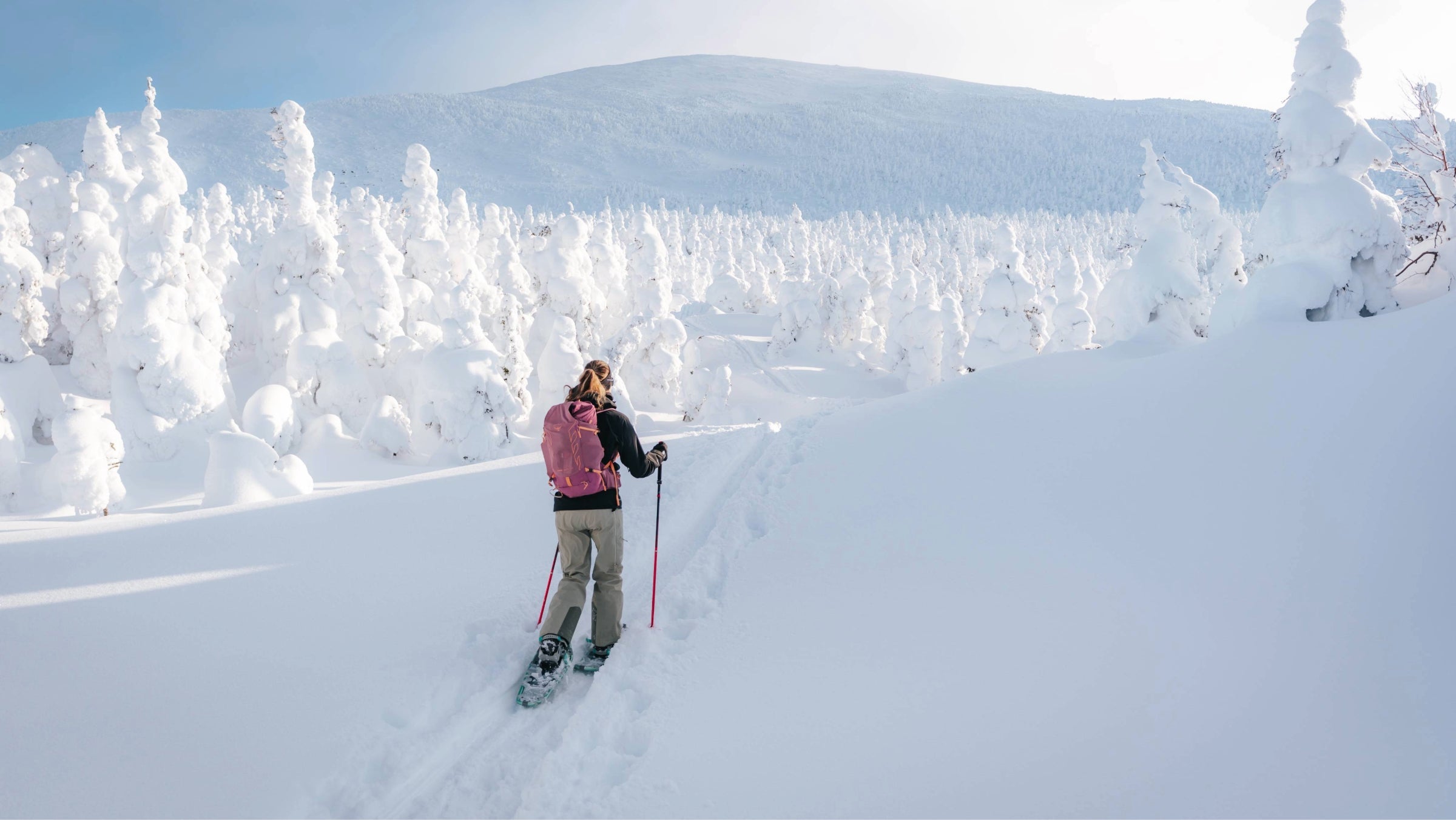
The development of Québec’s winter trail system is not merely a modern feat of engineering but an evolution of a centuries-old tradition. The history of winter travel in the region began with Indigenous peoples, including the Innu, Cree, and Algonquin nations, who utilized snowshoes and traditional knowledge to navigate the subarctic climate for hunting, trade, and social connection. The snowshoe remains a cultural icon in Québec, representing a bridge between ancestral survival techniques and contemporary leisure.
By the late 19th and early 20th centuries, winter recreation began to formalize. The 1920s and 30s saw the "Golden Age" of skiing in the Laurentians, spurred by the construction of the "P’tit Train du Nord" railway, which brought thousands of enthusiasts from Montreal to the mountains. This era established the "village-to-village" travel model that remains a hallmark of the Québec experience today. Over the subsequent decades, the provincial government and local cooperatives invested heavily in infrastructure, leading to the creation of the current network of hundreds of Nordic centers and thousands of kilometers of groomed trails.
Infrastructure and the Modern Backcountry Movement
Québec’s infrastructure is characterized by a "hub-and-spoke" model, where established Nordic centers and national parks provide the necessary amenities—such as equipment rentals, maps, and warming huts—while serving as gateways to more remote backcountry zones.
The Rise of Designated Backcountry Areas
In recent years, there has been a strategic shift toward developing "grassroots" backcountry ski areas. These sites, such as Sommets du Fjord near Petite-Saguenay, offer a middle ground between resort skiing and true wilderness exploration. While these areas are "wild at heart" and do not feature mechanical lifts or avalanche mitigation, they provide essential infrastructure including designated parking, marked ascent tracks, and gladed runs. This approach allows the province to cater to the growing "skin-to-win" demographic without the high overhead and environmental impact of traditional ski resort development.
The Hut-to-Hut Network
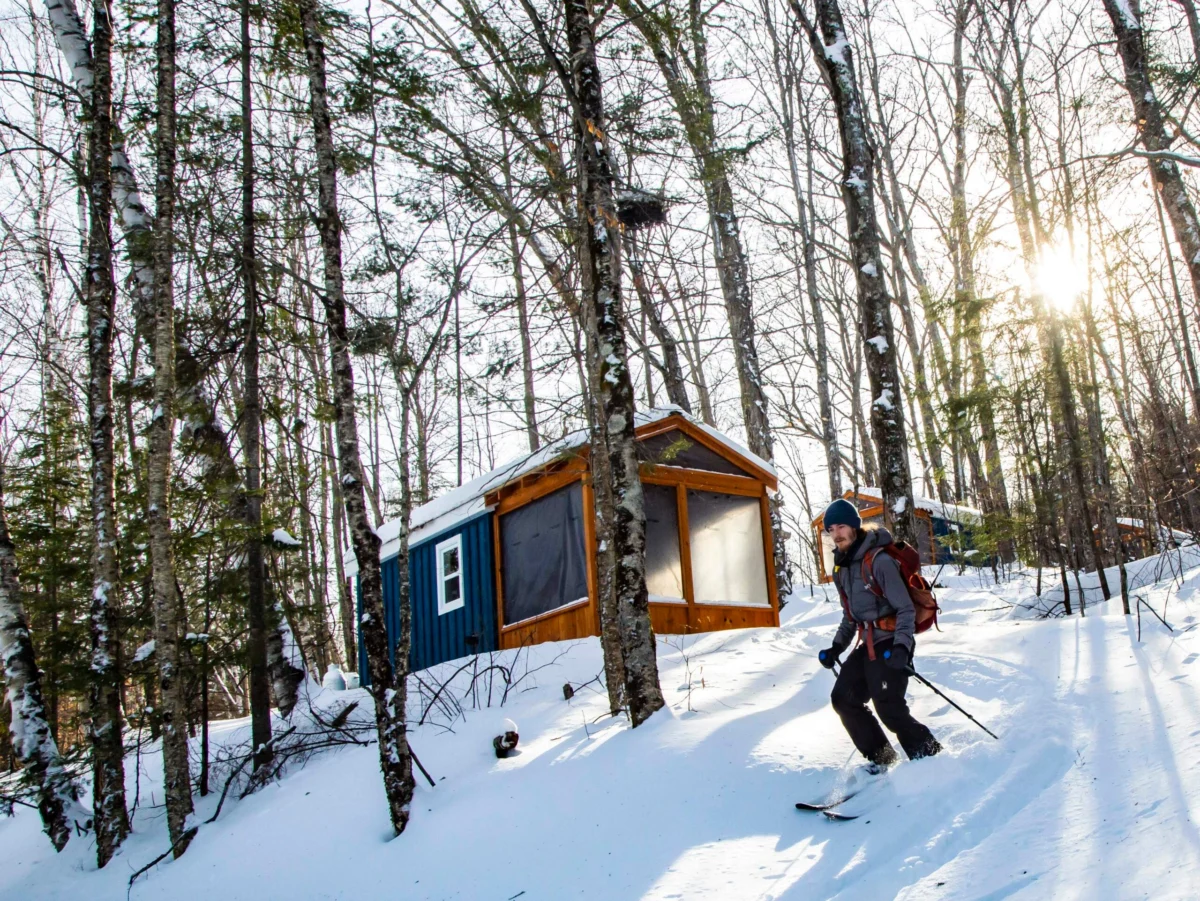
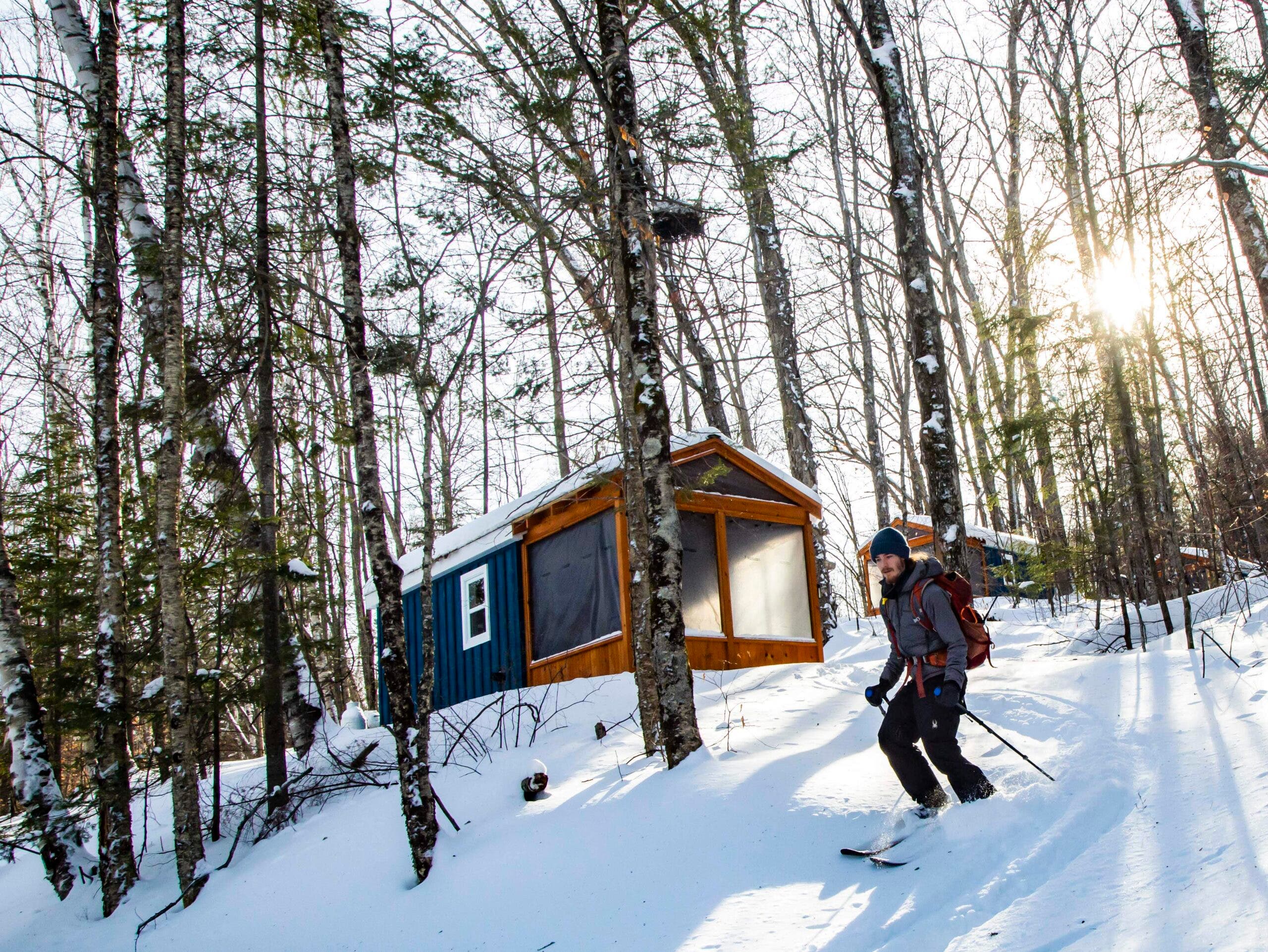
A defining feature of the Québec winter experience is the extensive network of refuges (huts), yurts, and cabins. Parks like Mont-Tremblant and Monts-Valins have expanded their lodging capacities to support multi-day traverses. These structures are strategically placed a day’s journey apart, allowing skiers and snowshoers to travel light while enjoying the safety and comfort of a wood-heated shelter at night. According to Sépaq officials, the occupancy rates for these remote cabins have seen a 15% year-over-year increase, reflecting a shift in consumer preference toward immersive wilderness stays.
Regional Highlights and Specialized Terrain
Québec’s winter offerings are geographically diverse, with different regions specializing in specific types of adventure:
- Vallée Bras-du-Nord: Located near Québec City, this area has become a model for sustainable adventure tourism. It combines groomed cross-country trails with some of the most technical backcountry terrain in the East. Its unique cooperative management model involves local landowners and adventure enthusiasts, ensuring that tourism benefits the local community.
- The Laurentians: Known for "Les Routes Blanches," this region offers a sophisticated village-to-village experience. It caters to those who seek a blend of physical activity and high-end culinary experiences, utilizing the historic rail-trail corridors.
- Saguenay-Lac-Saint-Jean: Centered around the Saguenay Fjord National Park, this region provides dramatic scenery where mountains meet the sea. The area is a premier destination for Nordic skiing and features some of the most reliable snowpacks in the province.
- Gaspésie: With peaks exceeding 1,000 meters, the Gaspé Peninsula is the epicenter of Québec’s "big mountain" backcountry scene. The Chic-Choc Mountains receive an average of over 500 centimeters of snow annually, attracting advanced ski tourers from across the globe.
Safety, Regulation, and Industry Standards
As participation in backcountry sports has surged, Québec has implemented rigorous safety and quality-control measures. Central to this effort is Aventure Écotourisme Québec (AEQ), an association that oversees the Quality-Safety certification program. This program mandates strict standards for risk management, guide training, and service quality.
Industry analysts note that this regulatory framework is a key differentiator for Québec. By professionalizing the guide industry, the province has lowered the barrier to entry for novice backcountry explorers. Travelers can hire certified guides to navigate complex terrain, ensuring that "wild" experiences remain manageable and safe. Furthermore, organizations like Avalanche Québec provide daily bulletins for the Gaspésie and other high-risk areas, integrating modern meteorological data with field observations to keep the public informed.
Socio-Economic Impact and Analysis of Implications
The winter tourism sector is a vital component of Québec’s economy, particularly for rural regions that might otherwise face seasonal unemployment. The integration of outdoor adventure with local culture—specifically the "après-ski" tradition involving local microbreweries, vineyards, and regional cuisine—creates a comprehensive economic ecosystem.
Data on Tourism Contribution
Estimates suggest that winter outdoor recreation contributes hundreds of millions of dollars to the provincial GDP annually. The "adventure-minded culture" mentioned by tourism boards is reflected in the high rate of equipment ownership among residents and the steady flow of "adventure-tourists" from the Northeastern United States and Ontario.
Environmental Stewardship and Climate Resilience
The heavy reliance on natural snowfall poses a long-term challenge in the face of climate change. However, Québec’s northern latitude and the "St. Lawrence effect" (which enhances snowfall in certain corridors) provide a degree of resilience compared to more southern destinations. Provincial authorities are increasingly focusing on "low-impact" tourism—such as snowshoeing and Nordic skiing—which requires less water and energy than the snowmaking operations of large alpine resorts.
The Broader Impact: A Global Destination
Québec’s success in branding itself as a winter playground is the result of a deliberate, decades-long strategy to embrace its climate rather than endure it. The "welcoming culture" cited by visitors is backed by professional infrastructure and a commitment to preserving the public nature of its lands.
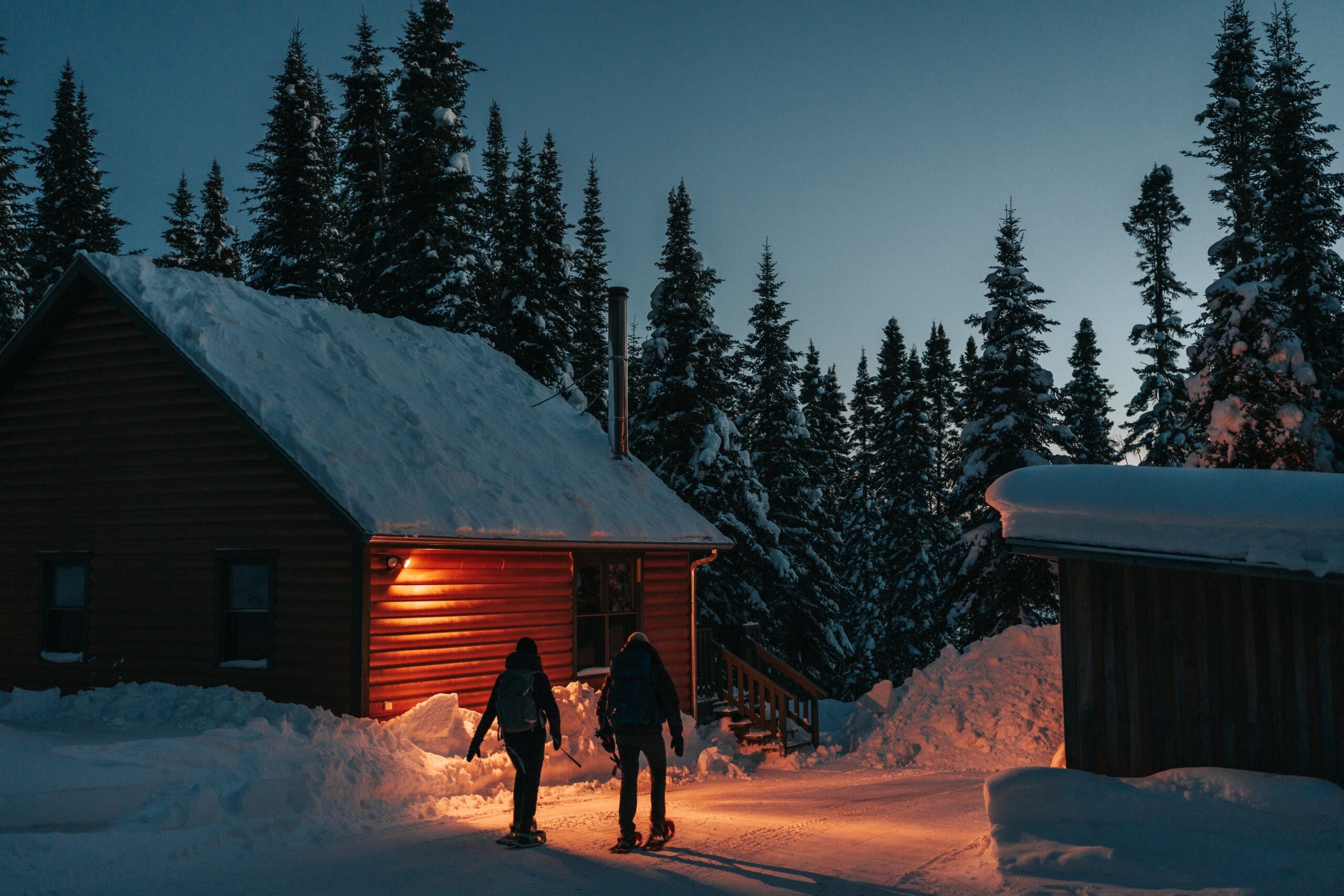
As global travel trends continue to favor authenticity and physical wellness, Québec’s model of accessible, safe, and culturally rich winter adventure is likely to serve as a blueprint for other regions. The province has successfully transitioned from being a local skiing destination to a world-class winter expedition hub. Whether through a quiet day of snowshoeing in a regional park or a grueling multi-day ski traverse in the Chic-Chocs, the message from the province is clear: the winter is not a season to stay indoors, but a vast territory to be explored.
The continued investment in the "Quality-Safety" certification and the expansion of the Sépaq network suggest that Québec will remain at the forefront of the winter tourism industry for the foreseeable future, offering a unique blend of wild landscapes and civilized comforts that few other places on Earth can replicate.
