

As winter temperatures continue to fluctuate with extreme polar vortex events, the demand for high-performance heated apparel has reached an all-time high in 2026. For winter athletes, outdoor professionals, and those suffering from circulatory conditions like Raynaud’s disease, the evolution of battery-powered handwear has transitioned from a luxury niche to an essential category of cold-weather gear. Following an extensive testing period that spanned from the Green Mountains of Vermont to the rugged peaks of Vancouver, an expert panel of gear analysts has identified the leading heated gloves and mittens for the current season. The findings, published in October 2026, highlight a significant leap in battery efficiency, material durability, and integrated smart technology, with the Swany Nexus Heated Gloves securing the top spot for overall performance and the Seirus HeatTouch ST Atlas Gloves recognized as the industry’s best value proposition.
The Evolution of Heated Handwear Technology
The landscape of winter gear has shifted dramatically over the last decade. Historically, skiers and outdoor workers relied on chemical heat packs or bulky, unreliable heating elements that offered inconsistent warmth and limited battery life. By 2026, the industry has standardized lithium-ion and lithium-polymer battery systems, often integrated seamlessly into the cuff or wrist of the glove. The current market is defined by a move toward "smart" heating platforms, such as the ewool system adopted by Swany, which utilizes ultra-thin heating elements capable of covering every digit without compromising the glove’s dexterity or "feel."
Modern heated gloves are no longer just batteries and wires; they are sophisticated pieces of engineering that combine traditional insulation materials like Primaloft Gold and Gore-Tex membranes with advanced electronics. This synergy allows for "off-mode" versatility, where the glove remains functional as a standard insulated garment even when the power is depleted.
Chronology of the 2026 Testing Cycle
The selection process for the 2026 "Best Of" list involved a rigorous multi-month evaluation. Beginning in late 2025 and continuing through the spring of 2026, testers put eight new styles through their paces in environments where temperatures frequently plummeted to -10 degrees Fahrenheit. The testing team evaluated a total of eighteen models—retaining five legacy performers from the previous year and adding five new high-performance entries.
Testing locations included the high-altitude terrain of the Wasatch Range in Utah and the damp, bone-chilling conditions of the Pacific Northwest. Criteria for selection focused on four primary pillars: battery longevity, thermal distribution, material durability, and ergonomic fit. The results indicate that while price points remain high—ranging from $100 for liners to over $550 for premium gauntlets—the return on investment in terms of comfort and safety is substantial.
Analysis of Top-Performing Models
The Gold Standard: Swany Nexus Heated Glove
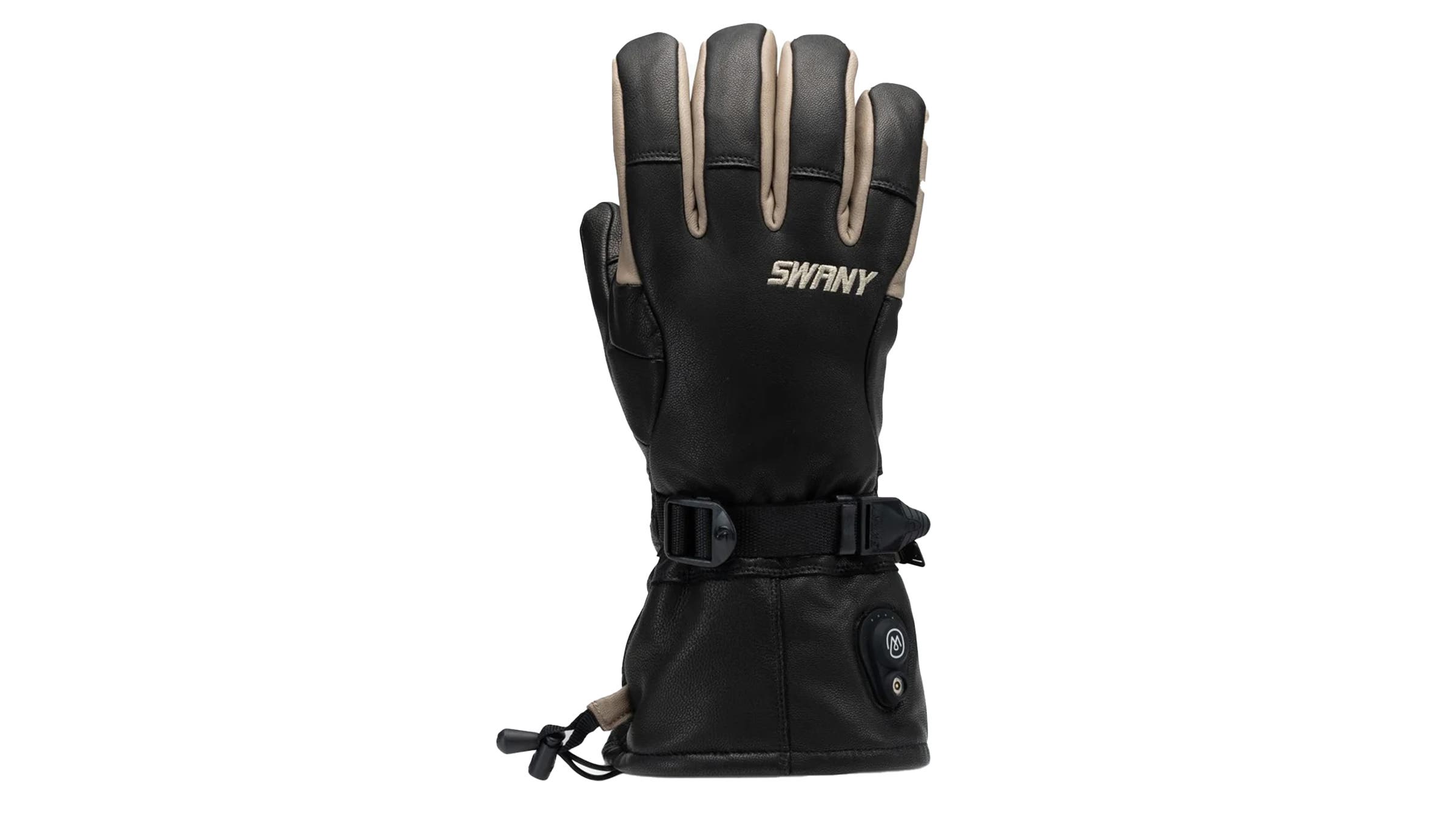
The Swany Nexus emerged as the premier choice for 2026, largely due to its integration of the ewool heating platform. Unlike older models that focused heat solely on the back of the hand, the Nexus provides individual heating elements for each finger and the thumb, extending to the very tips where circulation is most vulnerable. The construction utilizes high-quality leather and Primaloft insulation, ensuring heat retention even when the system is inactive. A notable innovation in this model is the magnetic charging port, which eliminates the need to remove batteries for recharging, though testers noted the charger can decouple if moved abruptly.
Market Value Leaders: Seirus and Mobile Warming
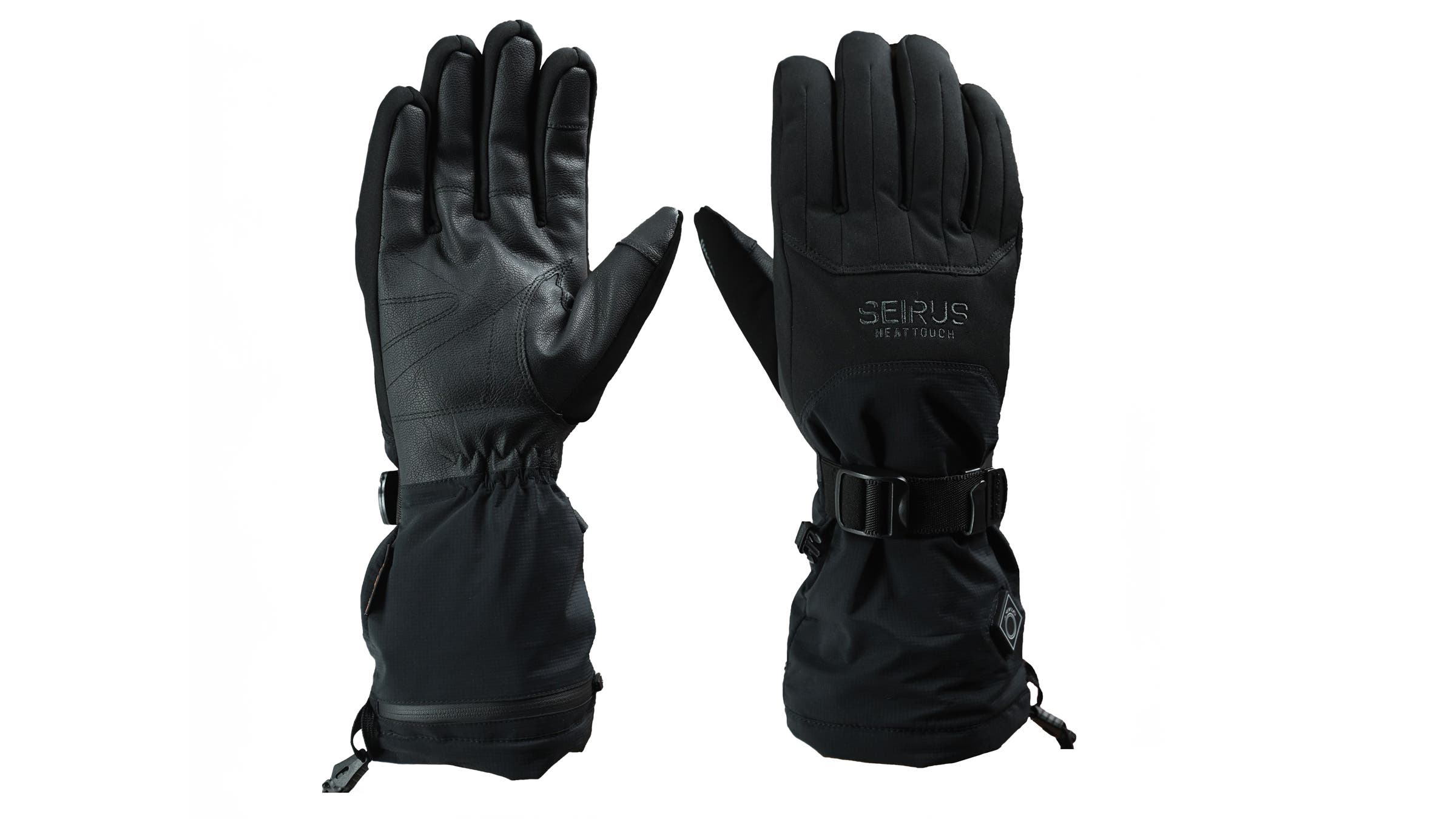
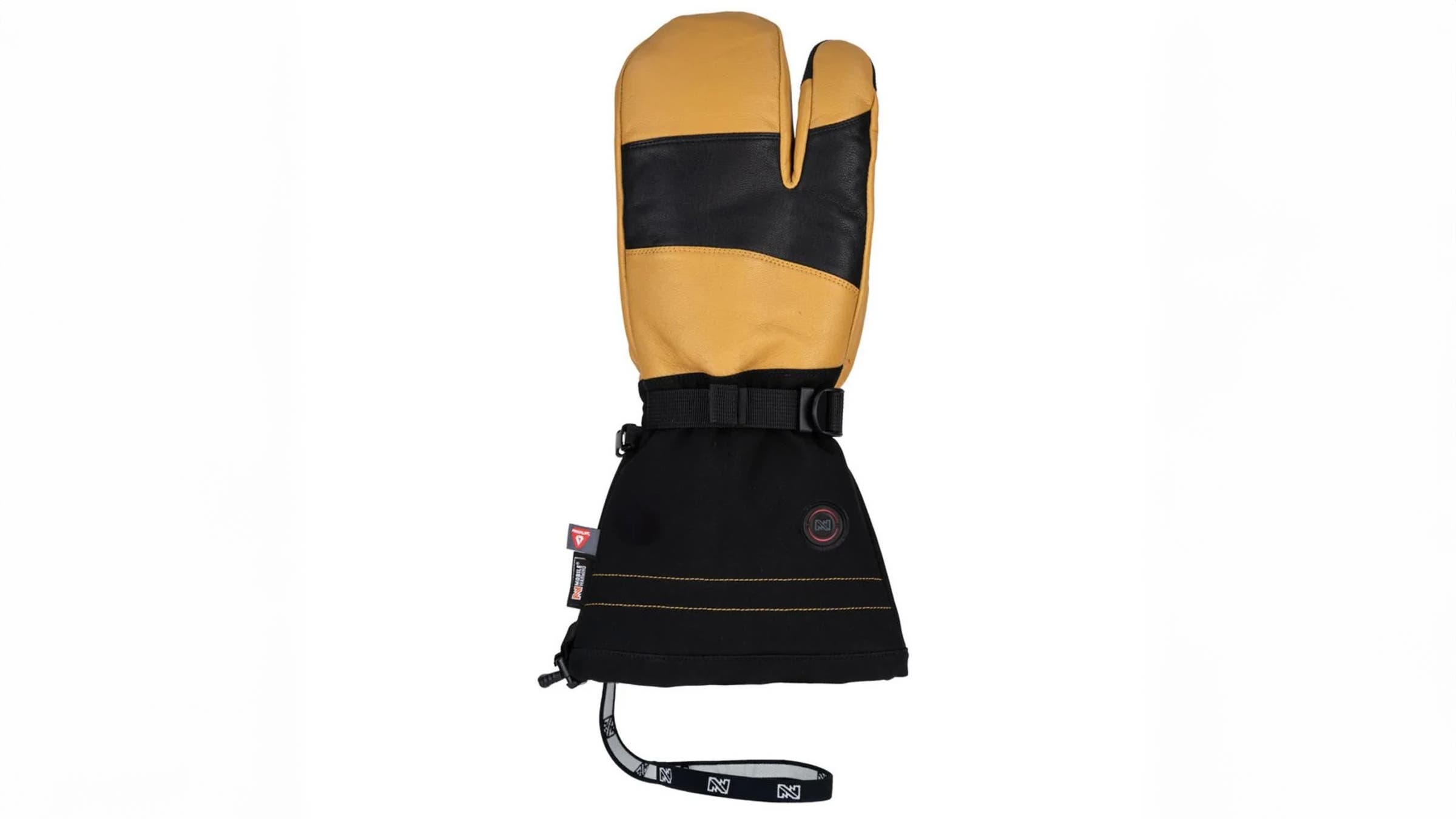
For consumers seeking performance under the $300 threshold, the Seirus HeatTouch ST Atlas Gloves and the Mobile Warming Alta Hybrid Mittens represent the best of the "Value" category. The Seirus Atlas, priced at approximately $260, features a lightweight softshell exterior and touchscreen compatibility—a feature often missing in higher-end leather models. Meanwhile, the Mobile Warming Alta Hybrid ($210) utilizes a "lobster" or split-finger design, which balances the thermal efficiency of a mitten with the dexterity of a glove.
Specialty Performance: Outdoor Research and Hestra
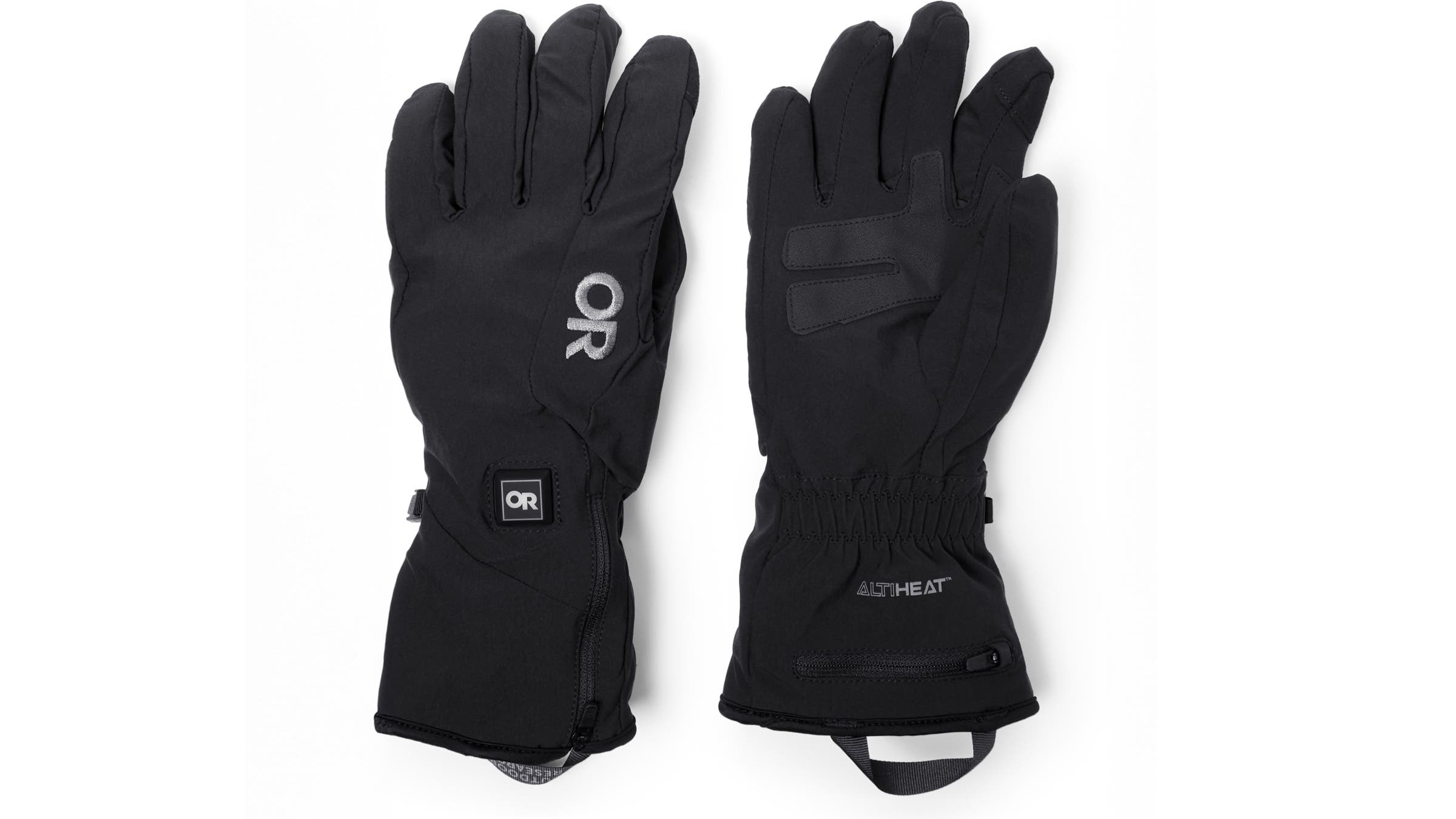
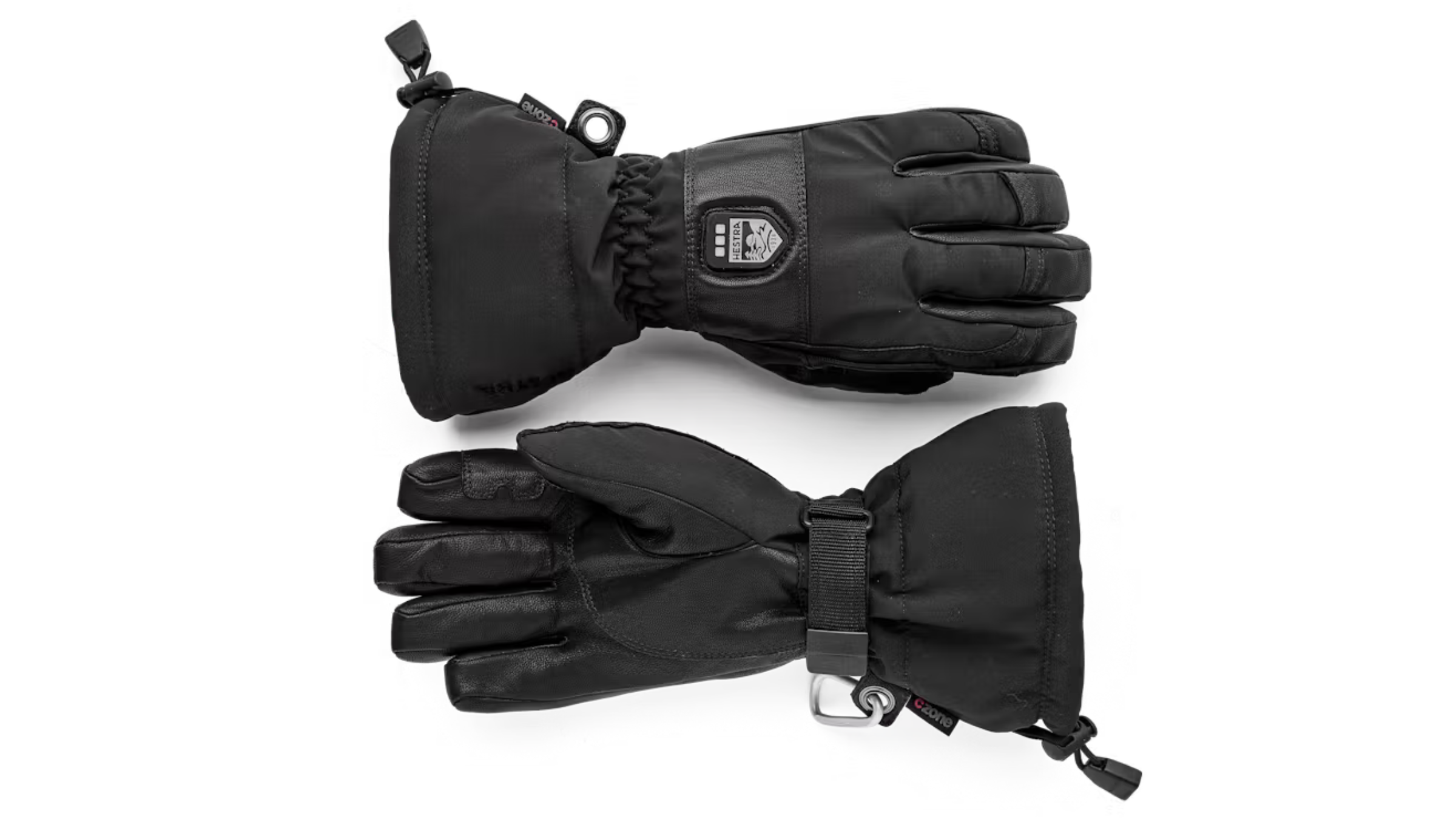
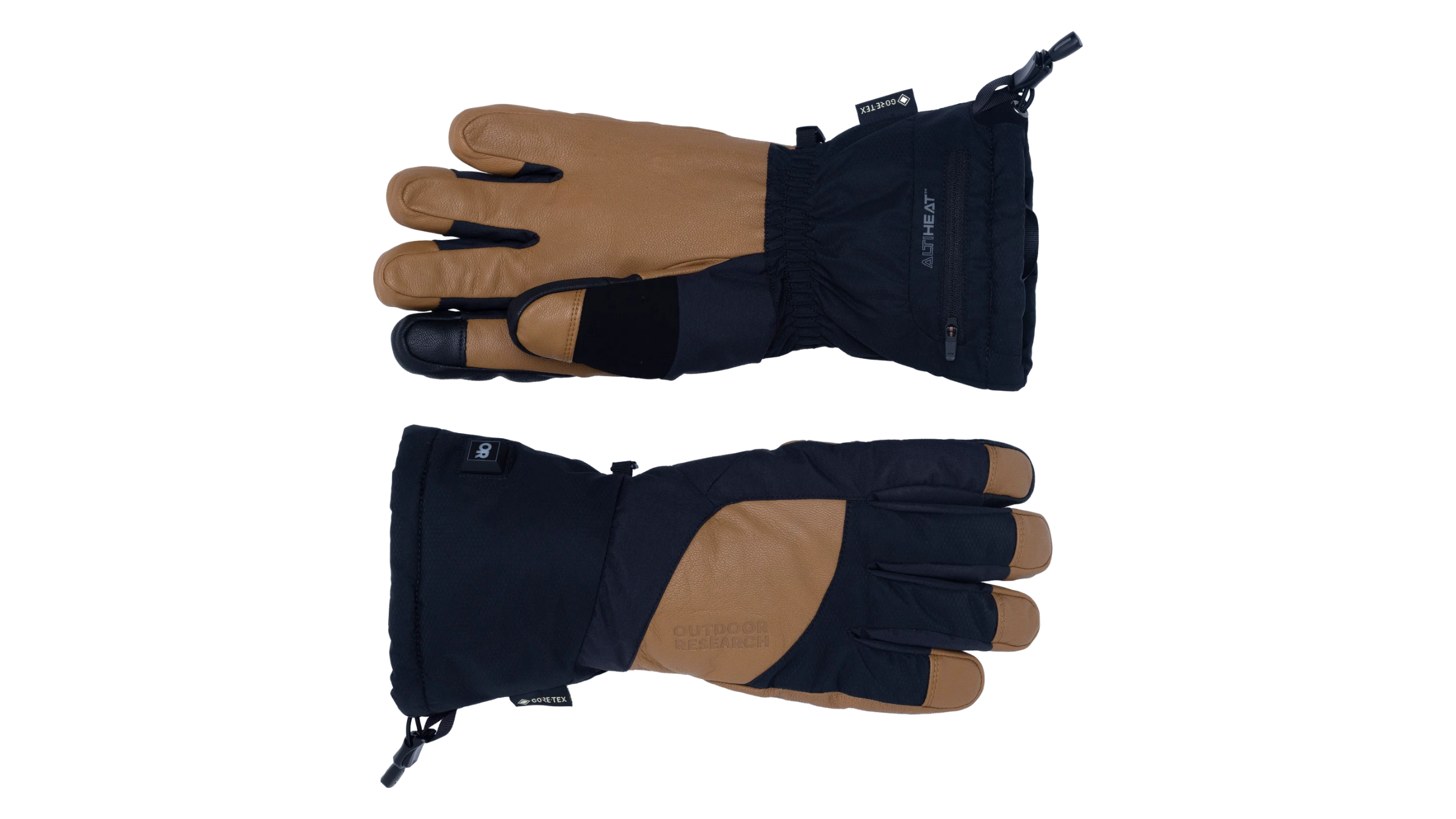
Outdoor Research has carved out a significant share of the market with the Sureshot and Prevail models. The Sureshot is designed for high-output activities where breathability is paramount, while the Prevail offers a Gore-Tex membrane for absolute waterproof protection. At the "splurge" end of the spectrum, the Hestra Heater Gauntlet ($550) remains the benchmark for durability. Using goat skin palms and a refined three-level heating switch, Hestra’s design focuses on maintaining a steady body temperature of 98.6 degrees rather than simply overheating the hands.
Technical Specifications and Comparative Data
The 2026 testing data reveals a clear correlation between battery capacity (measured in Watt-hours) and real-world performance.
| Model | Price | Battery Life (Low) | Material | Key Feature |
|---|---|---|---|---|
| Swany Nexus | $480 | 8 Hours | Leather | ewool Platform |
| Hestra Heater | $550 | 10 Hours | Goat Skin | Extreme Durability |
| Seirus Hellfire | $550 | 12 Hours | Leather | Category-Leading Battery |
| OR Sureshot | $325 | 8 Hours | Softshell | Maximum Breathability |
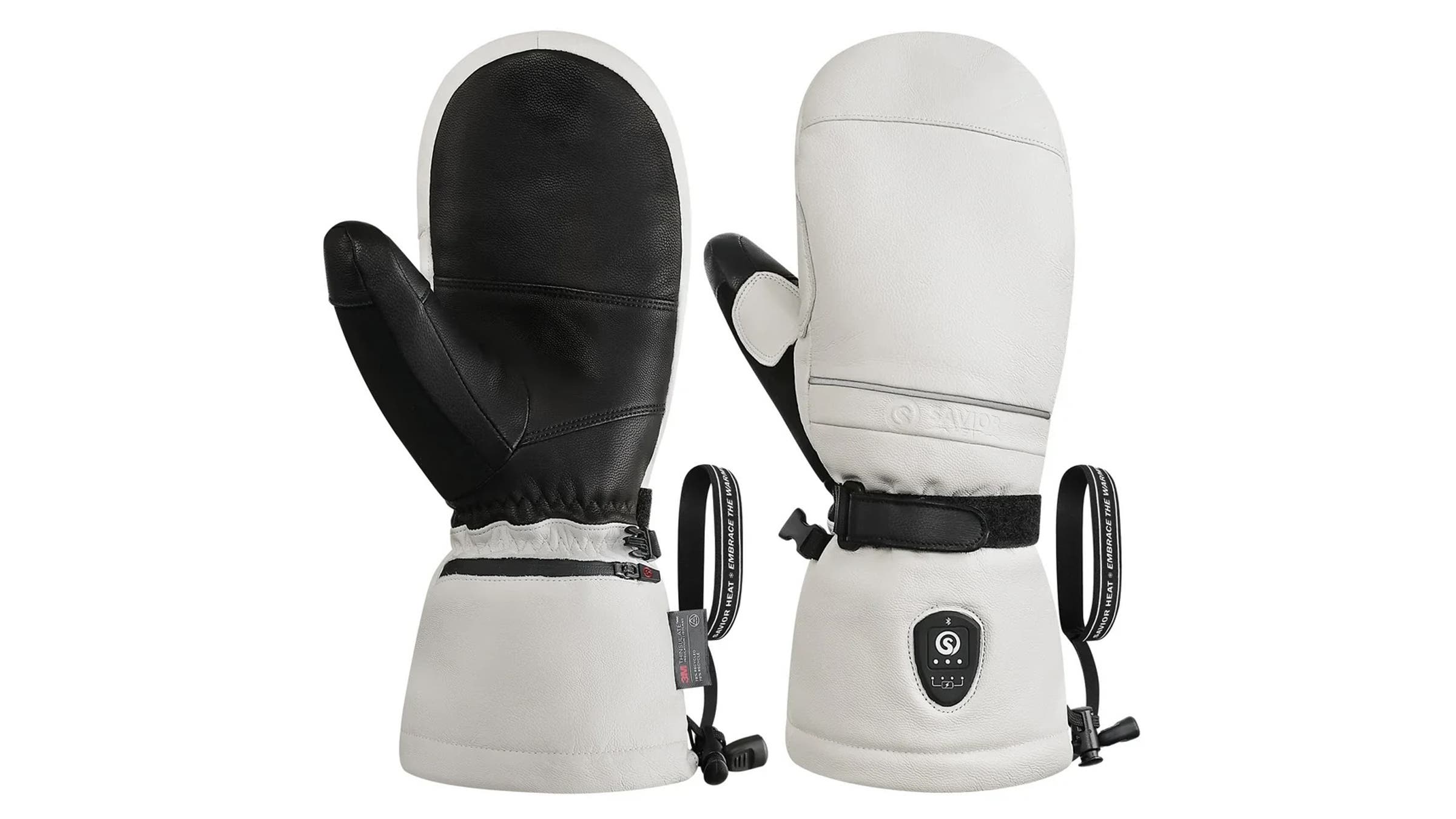
| Savior SW04 | $140 | 6 Hours | Lycra/Poly | Liner Versatility |
Industry analysts point out that battery life is highly subjective, influenced by ambient temperature and the user’s physiological "heat signature." While many brands claim up to 12 hours of heat, testers found that in sub-zero conditions on "High" settings, most batteries lasted between 2 and 4 hours.
Safety Considerations and Expert Recommendations
A critical finding in the 2026 report involves the use of electronic heated gloves in backcountry environments. Experts warn that the electromagnetic interference (EMI) produced by the heating elements and batteries can significantly disrupt the performance of avalanche transceivers (beacons). When in "search" mode, electronic devices can cause signal ghosting or reduced range. Consequently, it is recommended that backcountry skiers maintain a distance of at least 20 inches between their heated gloves and their beacon, or opt for chemical heat packs during high-risk ascents.
Furthermore, medical professionals advise that individuals with nerve damage or reduced sensitivity should use these products with caution. The risk of low-temperature burns is present if a device malfunctions or if the user is unable to perceive excessive heat levels.
Maintenance and Longevity: Protecting the Investment
To ensure these high-cost items last multiple seasons, manufacturers have released updated maintenance protocols for 2026. The primary point of failure in heated gear remains the lithium-ion battery.
- Off-Season Storage: Batteries should be charged to approximately 50% and stored in a cool, dry place. They should be cycled (discharged and recharged) every three months to prevent cell degradation.
- Leather Care: For models using goat or cowhide, regular treatment with waterproofing wax is essential to prevent the leather from saturating, which increases the "heat sink" effect and drains batteries faster.
- Connectivity: Testers noted that the small wires connecting batteries to heating elements are the most fragile component. Users are cautioned against pulling on the wires when removing batteries for charging.
Broader Impact and Market Outlook
The proliferation of heated glove technology is part of a broader trend toward "active" winter apparel. As battery technology continues to shrink in size while increasing in density, we expect to see these systems integrated into base layers, socks, and even footwear as standard features rather than premium add-ons.
The 2026-2027 season marks a turning point where heated gloves have achieved the dexterity and weight profiles of traditional gloves, effectively removing the "bulkiness" stigma that once plagued the category. For the tourism and ski industries, this technology is a boon, as it extends the duration of time guests spend on the mountain, particularly during the early-season and mid-winter cold snaps that typically see lower participation rates.
In conclusion, the Swany Nexus and Seirus Atlas stand as the definitive choices for the 2026 season, providing a blend of innovation and reliability. However, the diverse range of models—from thin liners to heavy-duty gauntlets—ensures that every winter enthusiast can find a solution tailored to their specific environmental needs and budget constraints. As the industry moves forward, the focus will likely shift toward further integrating app-based temperature controls and sustainable, recycled materials in the construction of these essential winter tools.
