

The collaboration between Red Bull Media House and the acclaimed production collective Legs of Steel has culminated in the release of "We Can’t Not," a feature-length ski film that departs from the industry’s traditional reliance on non-linear action montages. Directed by and starring professional skier Paddy Graham, the project serves as a "meta-narrative" love letter to the sport, designed to bridge the gap between core skiing enthusiasts and a general audience. Released globally on Red Bull TV on November 1, 2026, the film utilizes a unique storytelling framework that addresses the fundamental question often posed to extreme athletes: why do they continue to pursue high-risk maneuvers in the world’s most dangerous terrain?
A Shift in Sports Cinematography and Narrative Structure
For decades, the ski film genre has been defined by "ski porn"—a colloquial term for films that prioritize high-energy soundtracks and epic drone shots of technical descents over character development or plot. While these films successfully cater to the "die-hard" demographic, they often alienate viewers who lack a deep understanding of freeride culture. "We Can’t Not" seeks to rectify this by centering the film on a relatable human experience: a family dinner.
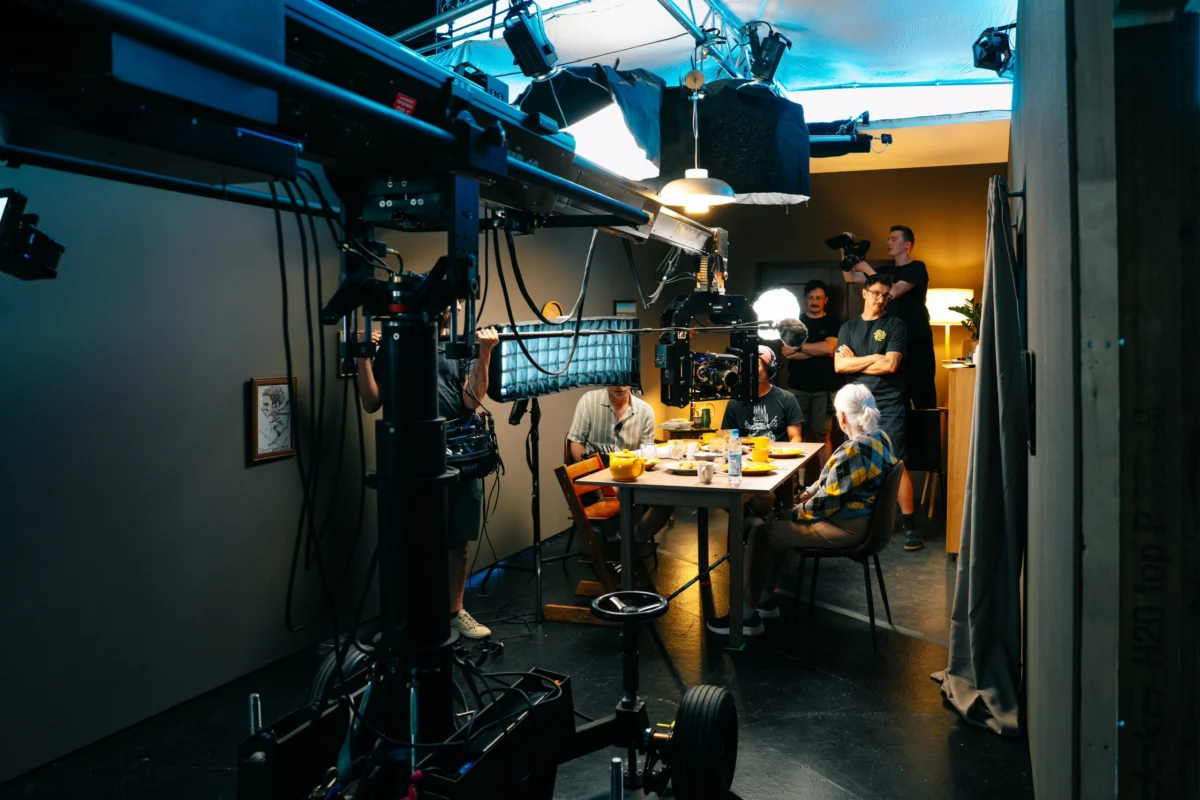
The film’s protagonist, Paddy Graham, uses the premise of his "last hoorah" in professional steep skiing to explain his career to his parents and children. This framing device allows the film to introduce the mechanics and motivations of filmmaking to the audience in real-time. According to Sarah Stow, Executive Producer at Red Bull Media House, the film is a direct response to the inquiries Graham has faced throughout his career regarding the purpose and danger of his profession. The title itself, "We Can’t Not," serves as the ultimate thesis—a suggestion that for these athletes, the drive to ski is an inextricable part of their identity.

Production Timeline and Global Locations
The production of "We Can’t Not" spanned the first half of 2026, capturing a diverse array of environments that highlight the different facets of modern freeriding. The timeline of the shoot reflects the logistical complexity required to blend traditional location filming with cutting-edge studio technology.
- February 2026: Champery, Switzerland. The crew focused on "backcountry booter" sessions. This phase featured Tom Ritsch and emphasized the technical precision of freestyle skiing in a natural mountain setting.
- April 2026: Alaska, USA. Known as the "Mecca" of big mountain skiing, the Alaskan leg featured Graham and Finn Bilous. This segment captured the high-stakes, "spine" skiing that defines the peak of the sport’s danger and prestige.
- May 2026: Hyperbowl Studio, Munich, Germany. In a significant departure from genre norms, the production moved indoors to a virtual reality (VR) film studio. This facility, typically reserved for high-budget Hollywood productions, allowed the team to film the narrative "dinner table" scenes and integrate scanned Alaskan landscapes into a controlled environment.
Technological Innovation: The Hyperbowl Integration
The most significant technical achievement of "We Can’t Not" is its use of the Hyperbowl, a VR studio located outside Munich. The facility uses "Volume" technology—large-scale LED walls that display high-resolution, 3D environments that react to camera movement in real-time. This is the same technology utilized in major cinematic productions like The Mandalorian.
By scanning the Alaskan mountains during their April shoot and projecting them onto the LED screens in Munich, the filmmakers were able to create a seamless blend of reality and digital artifice. Sarah Stow noted that this was the studio’s first indoor mountain ski shoot, representing a major leap in sports media innovation. This approach allowed the director to maintain a consistent narrative tone while showcasing the athletes in a way that highlighted their personalities—often obscured by goggles and helmets in traditional footage.
A Cast of Freeride Mavericks
To support Graham’s vision, the film features a hand-picked roster of athletes, each representing a different "why" within the sport. By introducing each cast member with a distinct backstory and motivation, the film ensures that the audience connects with the individuals behind the stunts.
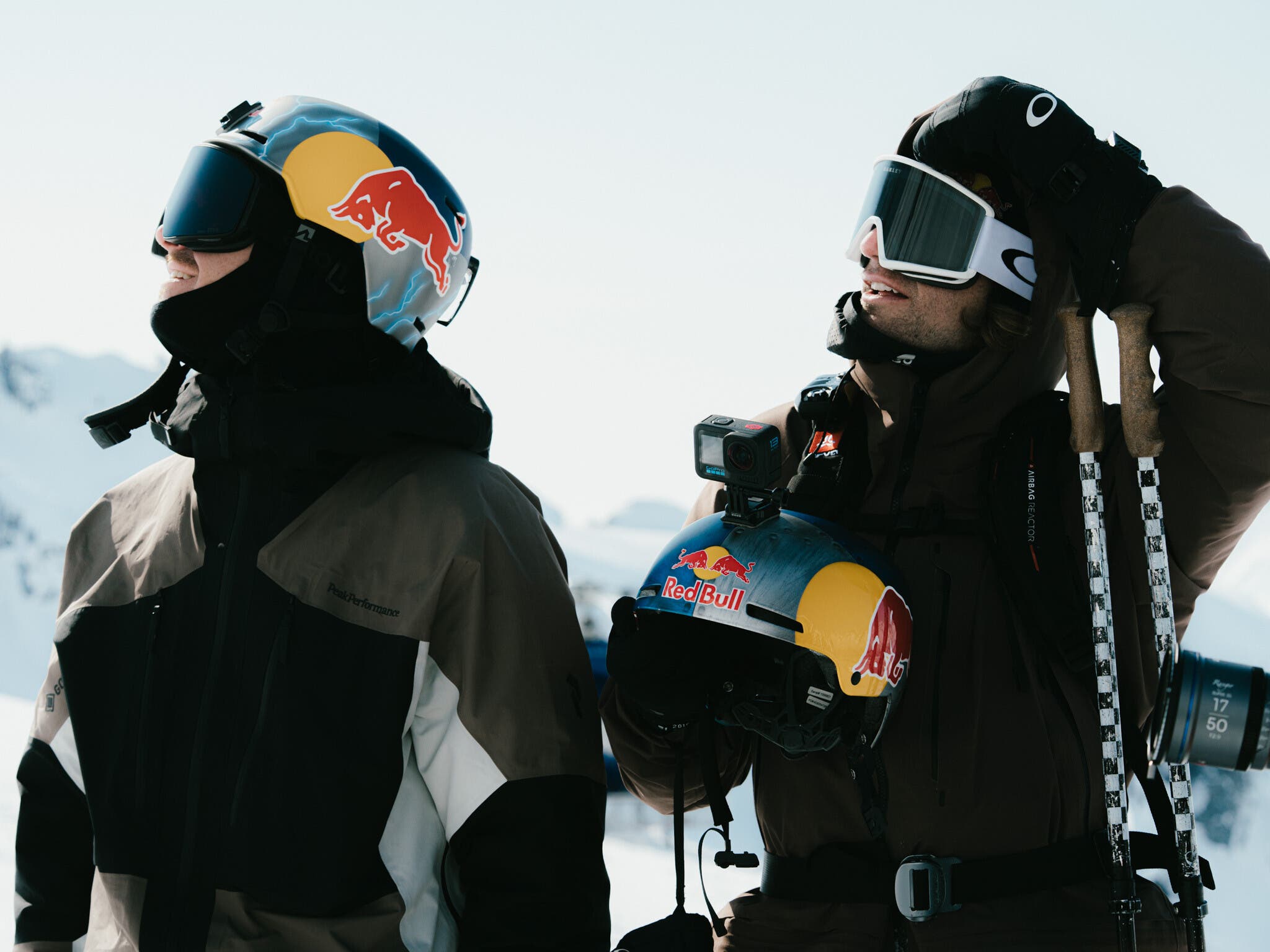
- Markus Eder: A former Freeride World Tour champion, Eder is widely considered one of the most versatile skiers in the world. His participation brings a level of technical mastery that appeals to the "core" audience.
- Kye Petersen: A second-generation professional skier, Petersen represents the legacy and soul of big mountain skiing. His inclusion grounds the film in the history of the sport.
- Tom Ritsch: Known for his creative approach to terrain, Ritsch provides the stylistic flair and "new school" energy of the film.
- Finn Bilous: A New Zealand powerhouse, Bilous represents the international and competitive future of the sport.
The Role of the Narrator: Sean Bean’s Method Performance
In another move to elevate the production to a cinematic standard, Red Bull secured Academy Award-caliber talent for the film’s narration. Sean Bean, famous for his roles in The Lord of the Rings and Game of Thrones, provides the voiceover for the project.
According to production notes, Bean’s involvement was more than a standard voice-over session. Despite not being a skier himself, Bean reportedly adopted a "method" approach to the script. For a pivotal scene where he informs the audience that the narrative is far from over, Bean physically exerted himself—running into the recording booth to ensure his breathing and vocal tone matched the intensity of the onscreen action. This level of gravitas helps translate the internal passion of the skiers into a language understood by mainstream cinema-goers.
Industry Context: The Survival of Long-Form Content
The release of "We Can’t Not" comes at a crossroads for the action sports industry. The rise of short-form platforms like TikTok and Instagram has saturated the market with "bite-sized" ski clips, leading some to question the viability of feature-length films. However, industry data suggests that while short-form content drives daily engagement, long-form storytelling is essential for brand building and athlete legacy.
By adopting a meta-narrative approach, Legs of Steel is attempting to future-proof the ski film. The "film about making a film" format allows the creators to acknowledge the absurdity of their profession while justifying its existence through high-quality production values that cannot be replicated on a smartphone. The project also addresses a notable gap in the industry: while the production teams at Red Bull and Legs of Steel feature many women in executive and creative roles, the onscreen cast remains male-dominated. Analysts suggest that future iterations of this "everyone-friendly" format will likely need to include diverse athlete perspectives to fully capture the global skiing community.
Broader Impact and Implications
"We Can’t Not" represents a strategic pivot for Red Bull Media House. By moving away from niche sports broadcasting and toward narrative-driven entertainment, the company is positioning itself to compete with traditional documentary and feature film studios. The use of VR technology and Hollywood-tier narration suggests that the "action sports" label is becoming increasingly porous, merging with broader entertainment categories.
For the athletes, particularly Paddy Graham, the film serves as a bridge to the next phase of their careers. As professional skiers age out of the highest levels of physical performance, the transition into directing and producing becomes a logical path. "We Can’t Not" proves that the expertise gained on the mountain can be translated into sophisticated visual storytelling.
The film is currently available for free on Red Bull TV and is touring in select theaters globally. This hybrid distribution model—combining free digital access with high-end theatrical premieres—aims to maximize reach while maintaining the "event" status that has defined ski culture for over half a century. Ultimately, the film stands as a testament to the idea that if a passion is pursued with enough intensity, it ceases to be a mere hobby and becomes a story worth telling to the world.
