

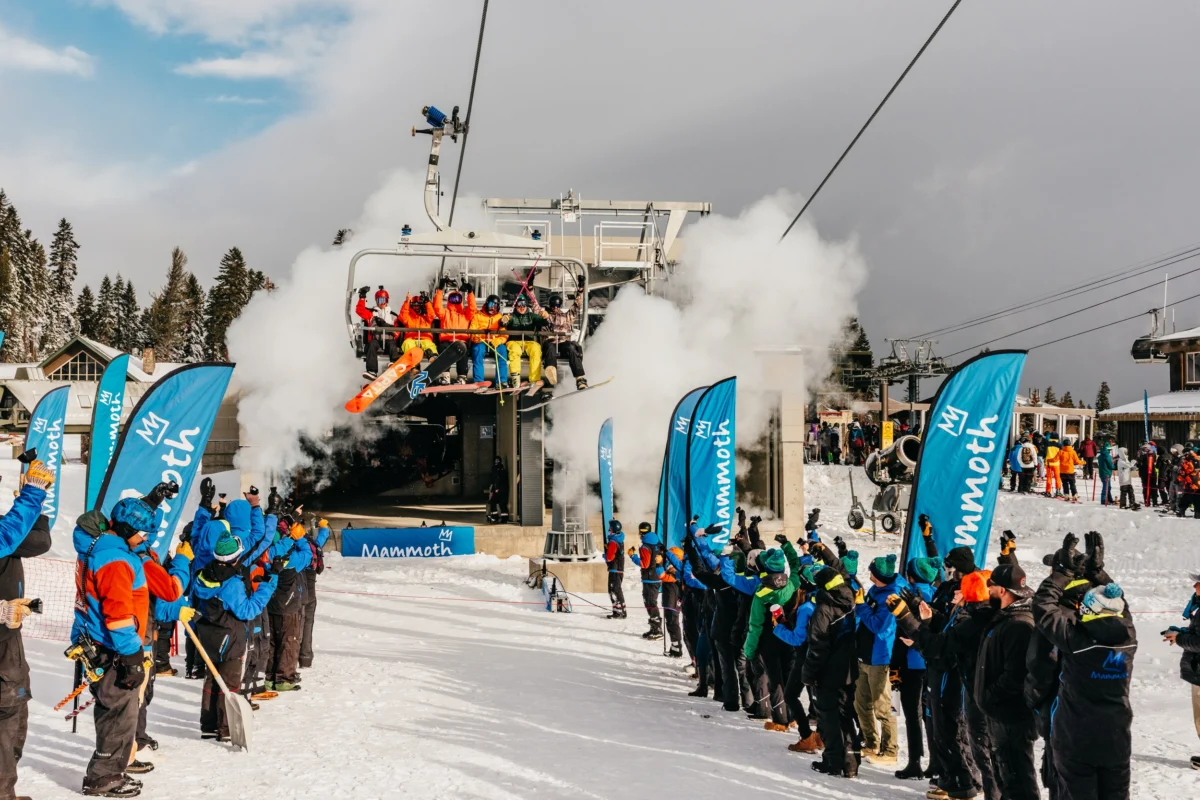
The 2026-2027 North American ski season has officially commenced, setting off the annual debate among winter sports enthusiasts regarding the viability of November skiing. While critics often dismiss early-season outings due to limited terrain, unpredictable snow quality, and the high density of skiers on narrow groomed trails—frequently referred to as the "white ribbon of death"—climatological shifts and advanced snowmaking technology are positioning this November to be a significant month for several key regions. As resorts across the Rocky Mountains, the Sierra Nevada, and the Northeast prepare their lift lines, the success of the early season remains tethered to a delicate balance of high-altitude cold fronts and the aggressive deployment of automated snowmaking infrastructure.
The Race for the First Chair: Colorado’s High-Altitude Advantage
Colorado has once again asserted its dominance in the race to open, leveraged by the state’s high base elevations and a favorable early-season weather pattern. Historically, the competition to be the first to spin lifts involves a handful of perennial contenders, including Arapahoe Basin, Loveland Ski Area, and Keystone Resort. For the 2026-27 cycle, Arapahoe Basin secured the title, welcoming skiers on October 28. This was closely followed by Keystone on October 30 and Wolf Creek on October 31.
The early start in Colorado is not merely a matter of prestige; it is a critical component of the state’s multi-billion dollar winter tourism economy. By opening before Halloween, these resorts capture early-season pass holder engagement and set the tone for the Thanksgiving holiday window, which serves as the first major revenue peak of the fiscal year.
Meteorological data suggests that Colorado is positioned for a robust November. According to OpenSnow meteorologist Joel Gratz, the state is entering a high-activity phase. A significant storm system projected to arrive on the first Sunday of November is expected to deliver substantial dividends. Gratz’s forecast indicates a widespread accumulation of 6 to 12 inches across the majority of Colorado’s mountain ranges, with localized "sweet spots" potentially receiving up to 20 inches of natural snowfall. Such a total would represent a rare early-season powder event, allowing resorts to expand terrain beyond the initial beginner runs far earlier than in previous drought-stricken years.
Looking ahead in the Colorado timeline, Breckenridge and Copper Mountain are scheduled to begin operations on November 6. If the forecasted storm materializes as predicted, these resorts may open with a more diverse terrain offering than the typical single-run start. Further into the month, Vail and Eldora have targeted November 13 for their respective opening days. The viability of these dates will depend heavily on sustained overnight lows, which allow snowmaking crews to reinforce the natural base.
Utah and the Wasatch Front: A Measured Start
In neighboring Utah, the outlook for the first half of November is more conservative compared to the Colorado Rockies. While Utah is world-renowned for the "Greatest Snow on Earth," its resorts often require a slightly deeper base before opening due to the rugged, rocky nature of the Wasatch Range’s terrain.
Evan Thayer, a lead forecaster for OpenSnow, notes that while Utah will benefit from the same storm system impacting Colorado, the accumulations may be more elevation-dependent. The highest peaks are expected to see decent accumulation as cooler air moves into the region on Sunday, lowering the snow line. However, the lower-elevation base areas may see a mix of precipitation before transitioning fully to snow.
The current schedule for Utah resorts reflects this cautious optimism. Brian Head Resort in Southern Utah, which benefits from a high base elevation of 9,600 feet, is planning to open on November 6. This makes it a primary destination for those in the Southwest looking for early turns. The major players in the northern part of the state, including Alta Ski Area, Park City Mountain, and Solitude Mountain Resort, have all set their sights on a November 20 opening. This timeline allows for nearly three weeks of intensive snowmaking and the accumulation of at least two to three storm cycles, ensuring that the guest experience meets the high standards associated with Utah’s premium ski industry.
California and the Sierra Nevada: The Waiting Game
For skiers in the Pacific West, the start of the season is characterized by a "wait and see" approach. The Sierra Nevada range often experiences high-intensity storm cycles—atmospheric rivers—that can drop several feet of snow in a single event, but these are frequently followed by warm spells that can degrade the snowpack.
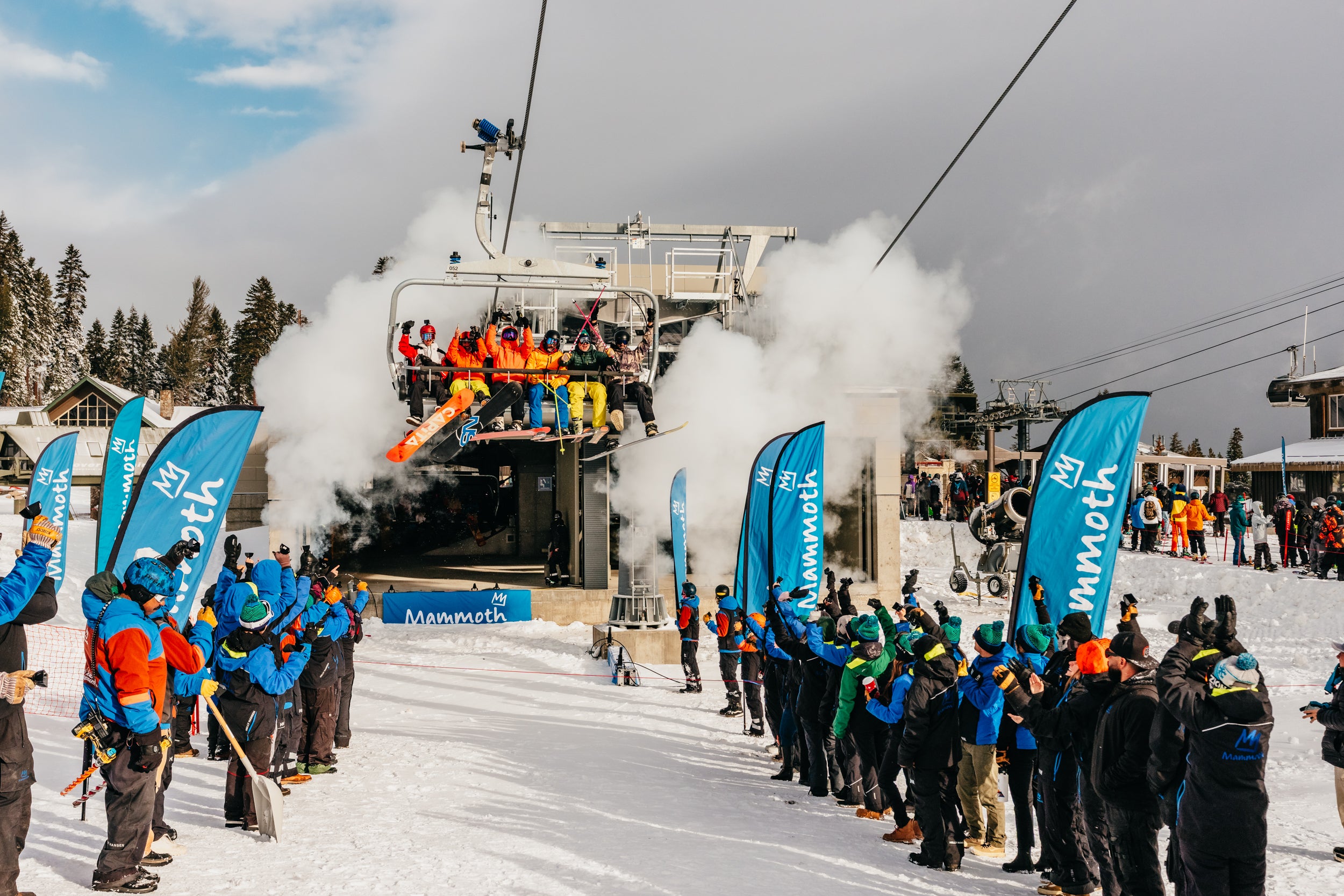
Meteorological analysis by Bryan Allegretto suggests that the Tahoe region will likely remain relatively quiet until after November 10. This forecast aligns with the historical trend of the Sierra Nevada receiving its most consistent early snow in the latter half of the month. Mammoth Mountain, located further south but sharing similar weather patterns with the Tahoe resorts, has scheduled its opening for November 20. Mammoth is unique in its ability to maintain snow due to its extreme elevation, with a summit reaching 11,053 feet, often allowing the resort to remain open well into the summer months.
The delay in California’s opening dates compared to Colorado is a strategic move to ensure a "top-to-bottom" skiing experience. California resorts, particularly those around Lake Tahoe like Palisades Tahoe and Heavenly, rely on massive snowmaking systems to bridge the gap between early-season storms. A late-November start ensures that the ground has sufficiently cooled, allowing man-made snow to bond effectively with the natural surface.
New England: Resiliency Amidst Warmth
The Northeast continues to face the most significant challenges regarding early-season operations. A unseasonably warm autumn has hampered snowmaking efforts across Vermont, New Hampshire, and Maine. Despite these hurdles, the region’s "big hitters" are moving forward with their plans, banking on a predicted dip in the jet stream to bring the necessary cold air.
Sugarloaf in Maine is currently positioned to be the first major Eastern resort to reopen, with a target date of November 20. Sugarloaf’s northern latitude gives it a slight edge in temperature over its southern neighbors. In Vermont, Sugarbush Resort is planning a November 21 opening. Notably, Killington Resort—traditionally the first to open in the East and a frequent host of the FIS Ski World Cup in late November—has yet to announce a formal opening date. The "Beast of the East" typically prioritizes its Superstar trail to ensure a world-class surface for racing, often opening to the public simultaneously.
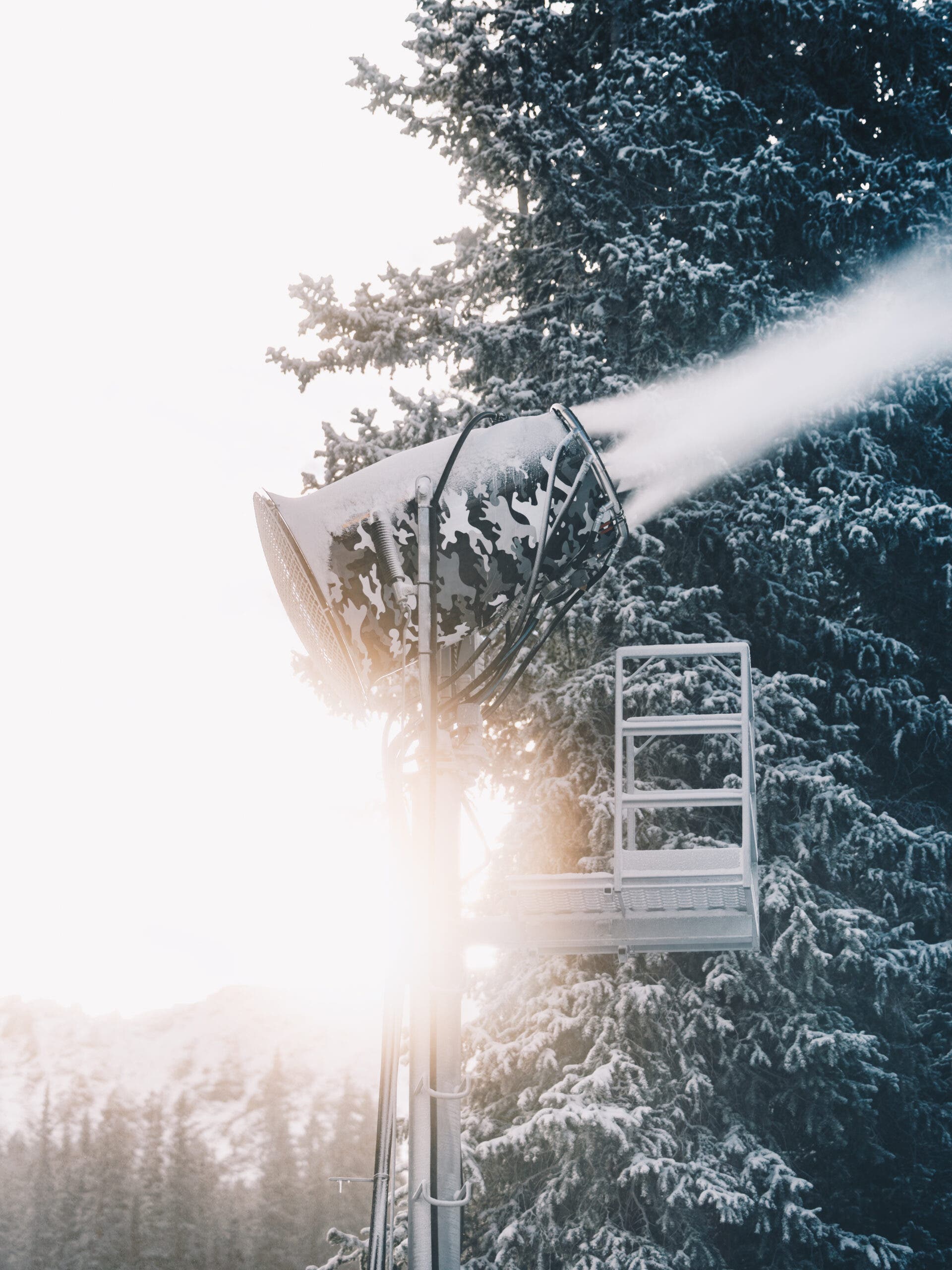
The reliance on snowmaking in New England cannot be overstated. Modern systems now allow resorts to cover entire trails in a matter of 24 to 48 hours, provided the wet-bulb temperature remains below freezing. The industry in this region has shifted from "waiting for snow" to "hunting for cold," with multi-million dollar investments in high-efficiency, automated snow guns that can be triggered the moment temperatures drop.
Broader Implications: Economics and Climate Adaptation
The push for a November opening is driven by more than just enthusiast demand; it is a logistical necessity for the modern ski industry. Early openings serve as a marketing catalyst for season pass sales, particularly for conglomerate passes like the Epic and Ikon. These passes have fundamentally changed the economics of skiing, moving the industry toward a pre-paid model that de-risks the impact of a poor snow year for the resort operators.
However, the "November Race" also highlights the industry’s ongoing adaptation to climate variability. Data from the last decade shows a trend toward later-forming natural snowpacks in many regions. In response, resorts have increased their capital expenditure on snowmaking by an estimated 20-30% across North America. This technology serves as an insurance policy, ensuring that even if natural storms are delayed, the "white ribbons" will be ready for the Thanksgiving influx.
From a safety perspective, early-season skiing requires a higher level of vigilance. The limited terrain often leads to congestion, and "thin cover" warnings are a reality even in the best November conditions. Ski patrol officials across the country urge visitors to respect closures and remain mindful of "sharks"—rocks and stumps hidden just beneath the surface of fresh snow.
Summary of Key Opening Dates and Forecasts
| Region | Resort | Expected Opening | Forecast Notes |
|---|---|---|---|
| Colorado | Arapahoe Basin | Oct 28 (Open) | 6-20" expected early Nov |
| Colorado | Keystone | Oct 30 (Open) | High-altitude snowmaking focus |
| Colorado | Wolf Creek | Oct 31 (Open) | Benefits from southern storm tracks |
| Colorado | Breckenridge | Nov 6 | Significant storm potential |
| Utah | Brian Head | Nov 6 | Highest base in Utah |
| Colorado | Vail | Nov 13 | Awaiting sustained cold |
| Utah | Park City | Nov 20 | Mid-month storm dependence |
| California | Mammoth | Nov 20 | Late-month Sierra cycle expected |
| Maine | Sugarloaf | Nov 20 | Likely first in the East |
| Vermont | Sugarbush | Nov 21 | Temperature dependent |
As the first weekend of November approaches, the eyes of the skiing world are firmly fixed on the Colorado Rockies. If the forecasted "bang" of a storm delivers on its 20-inch promise, it will provide the psychological and physical momentum needed for a successful 2026-27 season. For those in Utah, California, and the East, the coming weeks will be a period of intense preparation, as mountain crews work against the clock to transform autumn slopes into winter playgrounds. Regardless of the region, the message from meteorologists and resort officials remains the same: the season is here, but patience and a close eye on the thermometer will be the keys to finding the best early-season turns.
