

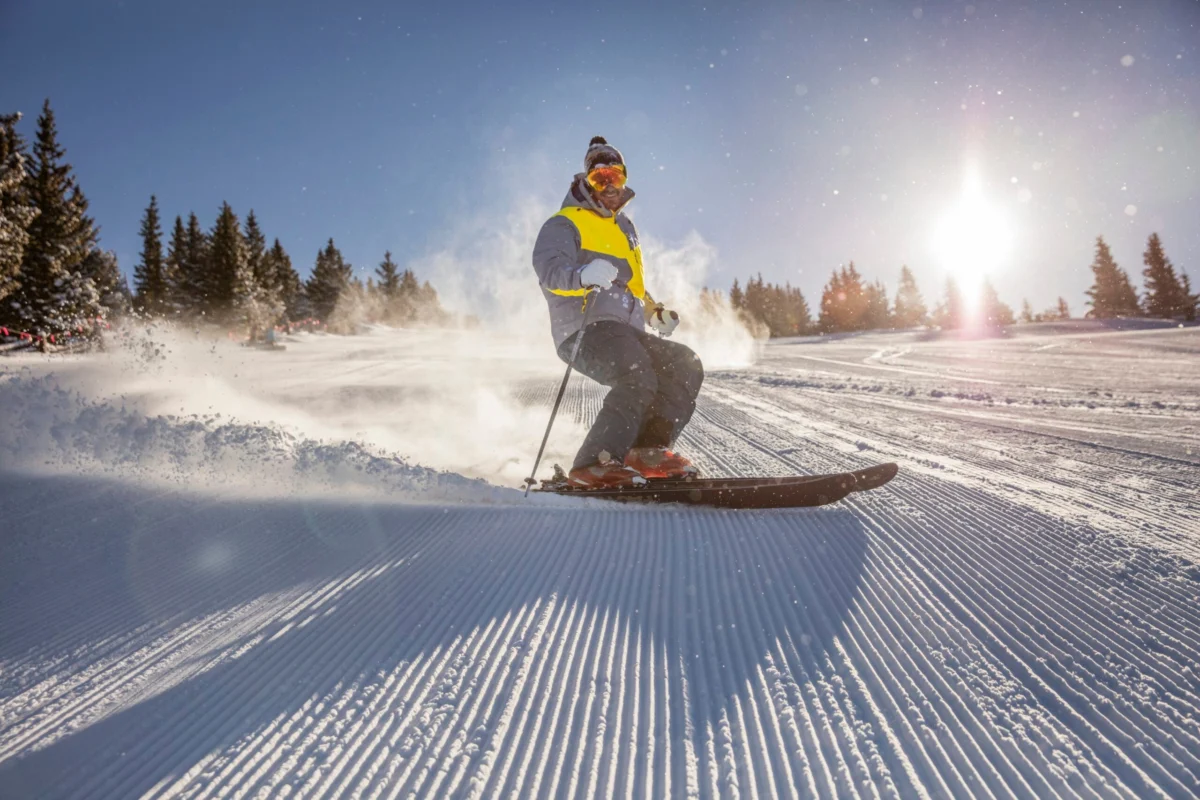
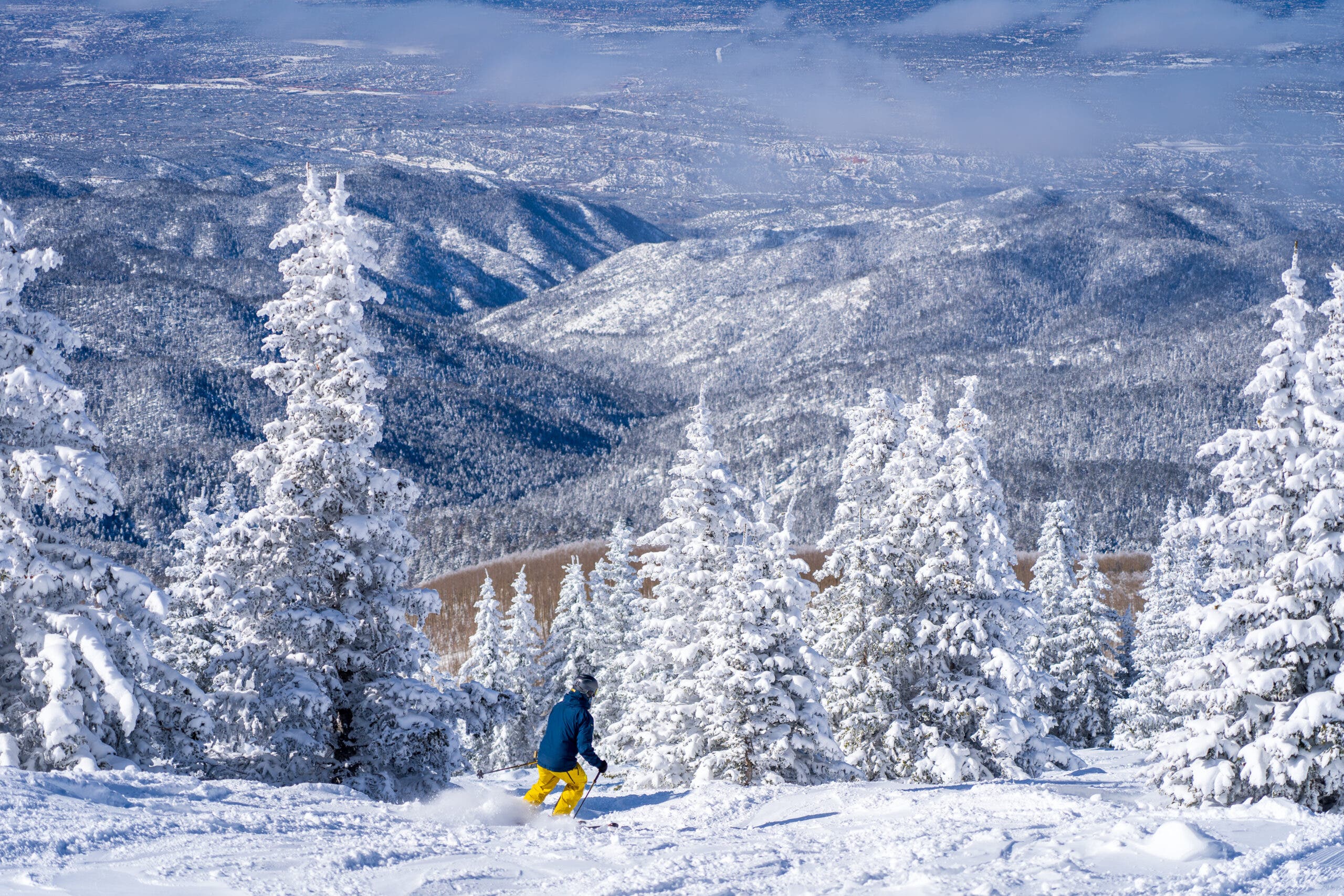
High in the Sangre de Cristo Mountains, where the thin air of northern New Mexico meets an average of 200 inches of annual snowfall, Ski Santa Fe stands as a rare bastion of independent, family-owned operations in an increasingly consolidated industry. At the center of this operation is Ben Abruzzo, a third-generation owner whose management style is defined not by the detachment of a corporate executive, but by the hands-on vigilance of a mountain manager. On a typical day, Abruzzo can be found ascending the mountain’s 11,075-foot peak, utilizing a chest-mounted walkie-talkie to coordinate repairs on squeaky chairlifts or fallen safety fences. This granular attention to detail reflects a broader philosophy of stewardship that has defined the Abruzzo family’s presence in the American Southwest for over six decades.
As the ski industry continues to see a shift toward multi-resort conglomerates and pass-based models, Ski Santa Fe remains a distinct entity, attracting approximately 250,000 visitors annually. The resort’s identity is inextricably linked to the Abruzzo family’s history, which began in the late 1950s when Ben’s grandfather purchased the Sandia Peak Ski Area in Albuquerque. By 1985, the family finalized the purchase of Ski Santa Fe, establishing a legacy that now spans four generations. This continuity of leadership has fostered a unique corporate culture characterized by extreme staff longevity and a "blue-collar" approach to senior management.
Historical Context and the Abruzzo Family Lineage
The history of Ski Santa Fe is a narrative of regional commitment. The Abruzzo family’s involvement in New Mexico’s outdoor recreation sector began with Ben Abruzzo’s grandfather, a figure who understood the potential of the high-desert mountains. The 1985 acquisition of Ski Santa Fe was a strategic expansion from their initial investment in Sandia Peak. This transition marked the beginning of a multi-generational effort to modernize the facility while maintaining its character as a local "backyard" mountain.
Ben Abruzzo’s path to the leadership of Ski Santa Fe was forged through both familial tradition and external service. Starting at age 12, Abruzzo worked on the mountain in various capacities, from building mountain bike trails during the summer months to staffing the rental shop during the winter season. His career took a significant turn in 2001 when he commissioned as an infantry officer in the United States Army. Serving with the 101st Airborne Division, Abruzzo deployed to Afghanistan during the Global War on Terror, an experience that informed his leadership style and operational discipline.
Upon his return to the private sector in 2005, Abruzzo served as an area manager at Sandia Peak before relocating to Ski Santa Fe in 2010. He officially took the helm of the mountain shortly before the onset of the COVID-19 pandemic, a period that tested the resilience of independent ski areas across the globe. Today, the family legacy continues as the fourth generation—Abruzzo’s own children—has joined the mountain’s workforce, reinforcing the "family business" ethos that permeates the organization.
Operational Excellence and Infrastructure
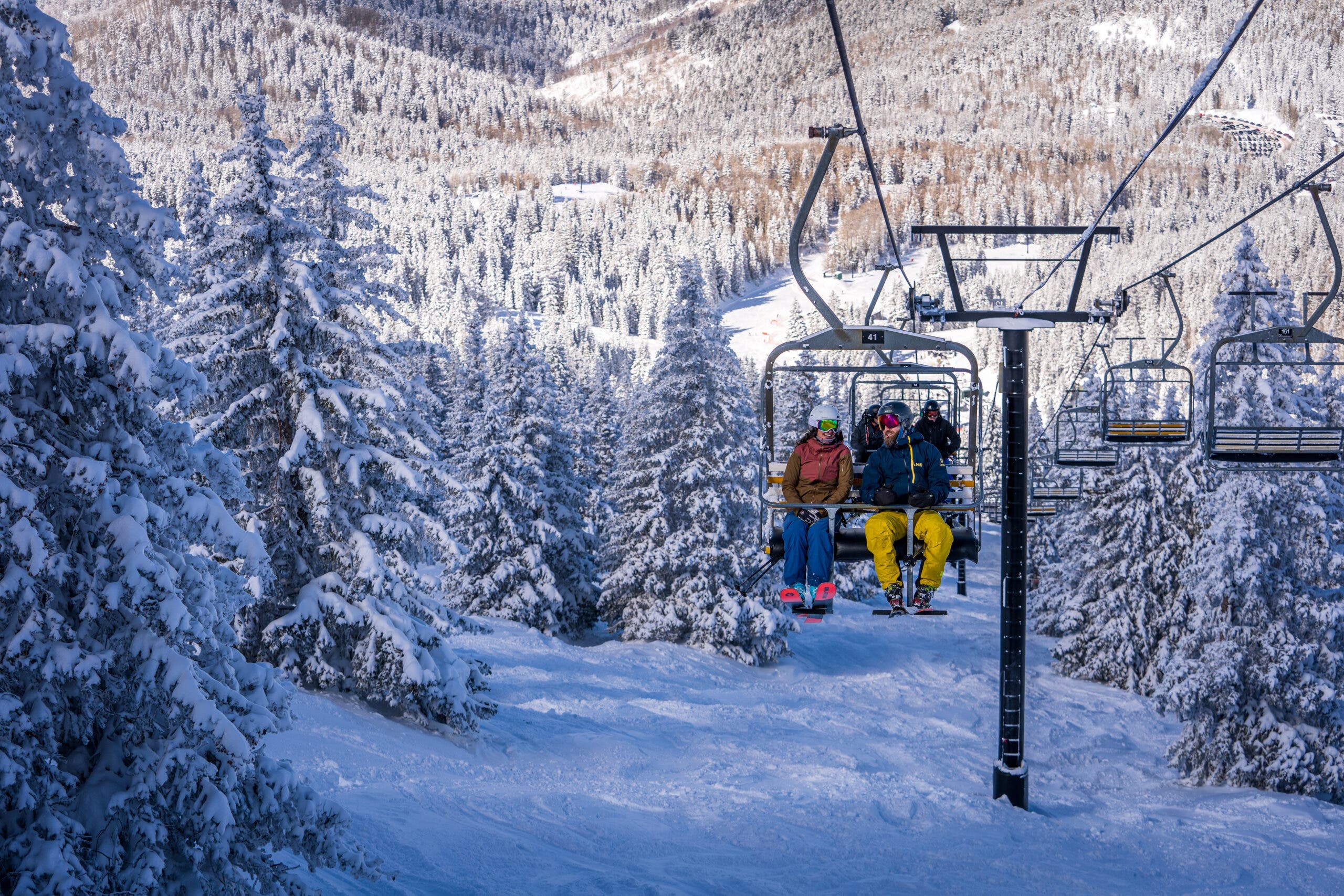
Ski Santa Fe’s physical layout and infrastructure contradict the modest expectations often associated with family-owned resorts. The mountain features a vertical drop of 1,800 feet and offers 88 trails. The terrain is notably diverse, with an almost even distribution between beginner (green), intermediate (blue), and advanced (black) runs. This variety is serviced by a sophisticated lift network that includes:
- One high-speed detachable quad lift
- Two quad lifts
- Two triple lifts
- One double lift
- Two surface lifts
This infrastructure allows the mountain to handle its quarter-million annual visitors with efficiency, even during peak holiday periods. Furthermore, the resort has invested heavily in snowmaking technology to mitigate the variability of natural snowfall. With a 5-million-gallon storage tank and 42 snow guns, the resort produces a specific type of "dry" snow tailored to the high-altitude climate. According to Abruzzo, the mountain’s snowmaking is so specialized that equipment companies have developed custom settings to achieve the desired consistency, ensuring a durable and high-quality surface that lasts longer than standard man-made snow.
Staff Retention and Community Integration
One of the most significant indicators of Ski Santa Fe’s health is the tenure of its leadership and support staff. In an industry often plagued by high seasonal turnover, Ski Santa Fe maintains a core team with decades of experience. The grooming manager and operations manager have both served the mountain for 30 years, while the ticketing manager has been on staff for 32 years.
Abruzzo attributes this retention to a culture of mutual respect and community investment. "Our mountain manager, our operations manager, all of our full-time staff; they’re all invested because they’re all part of this community," Abruzzo noted. This sentiment is backed by a requirement that all senior staff, including the owner himself, remain proficient in the technical and physical aspects of mountain maintenance. It is not uncommon to see the resort’s owner driving a snowcat or performing mechanical repairs on a chairlift, a "lead from the front" mentality that Abruzzo likely carried over from his military service.
Economic and Regional Impact
Ski Santa Fe serves as a vital economic engine for the city of Santa Fe and the surrounding northern New Mexico region. Located just 16 miles—roughly a 30-minute drive—from the city’s historic plaza, the resort provides a critical winter tourism draw for a city otherwise known for its summer arts and culture scene.
The resort’s location in the Sangre de Cristo Mountains presents unique logistical challenges, particularly regarding access. To ensure the safety and accessibility of the mountain, Ski Santa Fe employs a dedicated road crew to plow and maintain the two-lane road leading to the base area. This independent responsibility highlights the resort’s role as a self-sustaining entity that provides a public service beyond the boundaries of its skiable acreage.
In the broader context of the North American ski industry, Ski Santa Fe’s independence is a point of distinction. While many nearby resorts in Colorado and Utah have been absorbed by the Vail Resorts (Epic Pass) or Alterra Mountain Company (Ikon Pass) ecosystems, Ski Santa Fe remains autonomous. Abruzzo views this lack of local competition not as an opportunity for complacency, but as a mandate for excellence. "If people only have one option, it’d better be a good one," he stated, acknowledging the mountain’s responsibility to the local skiing community.
The High-Altitude Experience: Totemoff’s and Beyond
A central feature of the Ski Santa Fe experience is Totemoff’s, a rustic, two-story lodge located mid-mountain at an elevation of 10,500 feet. Higher than the peaks of many major resorts in the Eastern United States and Canada, Totemoff’s serves as a social hub for the mountain. The facility hosts live music and offers a variety of food and beverage options, serving as the "living room" of the resort.
The lodge also physically represents the Abruzzo family’s immersion in the mountain; the upper levels of the structure contain apartments for family members and essential staff. This integration of living and working spaces underscores the reality that for the Abruzzos, the mountain is not merely a business asset, but a primary residence and a lifelong project.
Future Outlook and Sustainability
As climate change continues to impact the length and predictability of winter seasons, Ski Santa Fe’s focus on snowmaking and forest management will be paramount. The resort’s ability to generate "dry" snow at high altitudes provides a buffer against warming trends, while its status as a family-owned operation allows for long-term planning that isn’t beholden to quarterly shareholder reports.
The transition to the fourth generation of Abruzzo leadership suggests that the mountain will remain independent for the foreseeable future. By maintaining a balance between high-tech infrastructure and a "blue-collar" work ethic, Ski Santa Fe continues to provide a template for how independent ski areas can thrive in the modern era. The mountain remains a testament to the idea that personal investment, community ties, and a hands-on approach to management can create a sustainable and beloved recreational institution.
In conclusion, Ski Santa Fe is more than a destination for its 250,000 annual guests; it is a meticulously managed ecosystem that honors the history of the Sangre de Cristo range. Under Ben Abruzzo’s stewardship, the resort remains focused on the "tiny issues" that define the guest experience, ensuring that the "lifelong backyard" of the Abruzzo family remains a premier destination for skiers and snowboarders for generations to come.
