

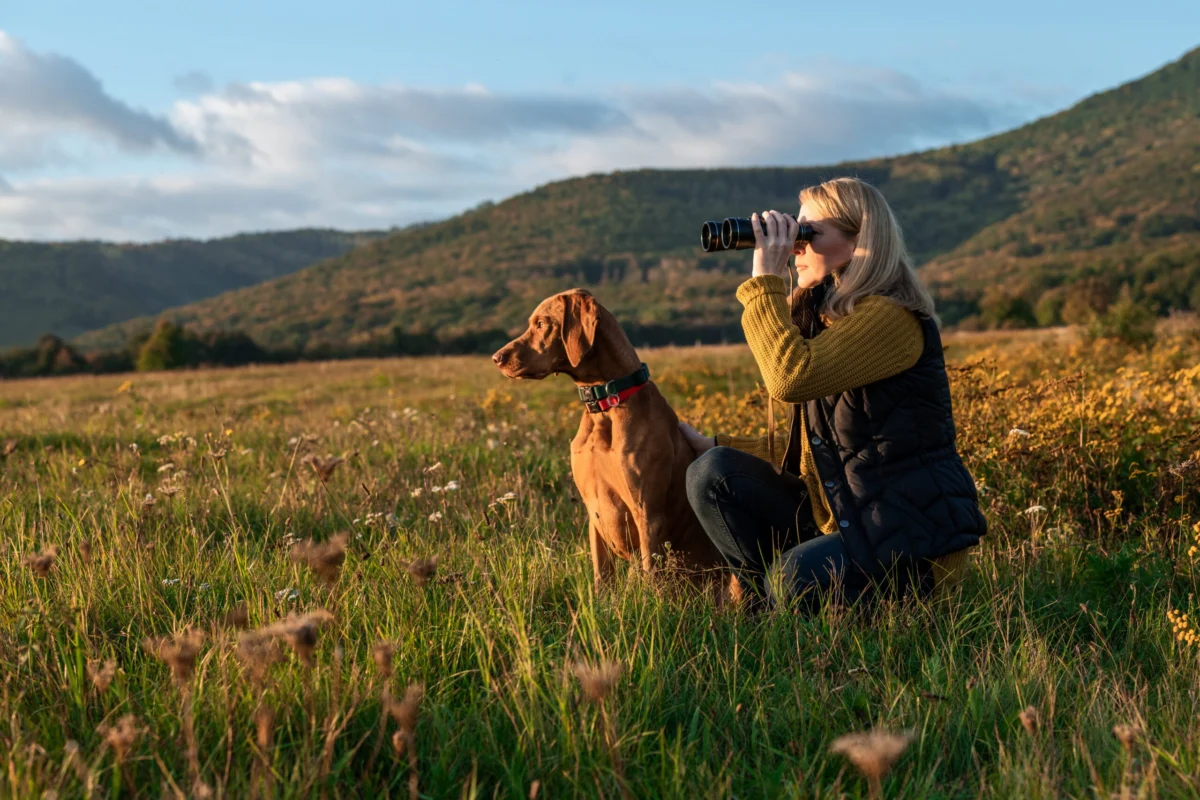
The Transformation of Nature-Based Recreation
The outdoor industry is currently witnessing a significant pivot as traditional activities like hunting and high-intensity sports find a powerful contemporary peer in wildlife observation. According to the OIA findings, the "2026 Birdwatching and Wildlife Viewing Report" underscores a dual-track growth pattern. On one hand, there is a burgeoning base of new birdwatchers who entered the market during the digital-social era; on the other, there is a deeply established wildlife viewing audience that continues to demonstrate high levels of brand loyalty and purchasing power.
This intersection is creating a "halo effect" across the broader outdoor market. Enthusiasts identified in the report are rarely single-activity participants. Instead, they represent a high-value cross-over demographic that frequently engages in hiking, camping, and fishing. For retailers and manufacturers, this means that a customer purchasing a high-end pair of binoculars is increasingly likely to also require moisture-wicking apparel, durable footwear, and portable camping gear for multi-day excursions into remote habitats.
A Chronology of the Birding Boom
The rise of birdwatching to its current status as a market leader can be traced through a clear chronological progression over the last decade.
2014–2019: The Foundation of Digital Integration
During this period, birdwatching began its slow transition away from its "retirement hobby" stereotype. The introduction of sophisticated mobile applications, such as the Cornell Lab of Ornithology’s Merlin Bird ID and eBird, lowered the barrier to entry for younger enthusiasts. These tools turned smartphones into powerful scientific instruments, allowing users to identify species by sound and sight with unprecedented accuracy.
2020–2022: The Pandemic Catalyst
The global COVID-19 pandemic served as a massive accelerant for the industry. With travel restricted and indoor activities curtailed, millions of people turned to their immediate surroundings for solace and entertainment. Backyard birding became a primary gateway. During this window, sales of birdseed, feeders, and entry-level optics reached record highs, and participation rates among individuals under the age of 40 saw double-digit increases.
2023–2025: Market Maturity and Diversification
As the world reopened, the "pandemic birders" did not abandon the hobby. Instead, they transitioned from their backyards to state and national parks. This period saw the rise of "birding tourism" and the integration of wildlife viewing into mainstream outdoor lifestyle branding. The 2026 report captures the culmination of this trend, showing that what began as a social-distancing activity has solidified into a permanent lifestyle choice for millions.
Supporting Data: The Economic Weight of Wildlife Viewing
The economic implications of this trend are profound, backed by data from both the OIA and supplemental figures from the U.S. Fish and Wildlife Service. The 2026 report highlights that the birdwatching and wildlife viewing audience is one of the most affluent segments in the outdoor market.
Key data points from recent industry surveys include:
- Participation Rates: Over 96 million Americans participated in some form of wildlife watching in the most recent census cycle, a number that continues to climb toward the 100-million mark.
- Spending Power: Wildlife watchers spend an estimated $250 billion annually on travel, equipment, and related expenses. This exceeds the total spending on many traditional team sports combined.
- Demographic Shift: While the core audience remains older and affluent—individuals with significant disposable income for premium $2,000+ optics—the fastest-growing segment is the 25–34 age bracket, which prioritizes sustainability and technical gear.
- Retail Impact: Optics manufacturers have reported a 15% year-over-year increase in demand for mid-to-high-range binoculars and spotting scopes specifically marketed toward "nature observation" rather than traditional hunting.
Industry Reactions and Strategic Shifts
The release of the 2026 report has prompted reactions from various stakeholders within the outdoor industry, ranging from legacy brands to retail giants. Market analysts suggest that the industry is moving toward a "total nature" approach in its marketing strategies.
"The data is clear: the modern birdwatcher is a high-value consumer who demands performance and aesthetic appeal," noted an industry analyst specializing in outdoor retail. "We are seeing brands like Patagonia, Arc’teryx, and REI adjust their seasonal lines to include earth-toned, quiet fabrics that appeal to wildlife viewers who need to remain inconspicuous in the field but still want the technical benefits of high-altitude gear."
Major optics companies, including Nikon, Vortex, and Zeiss, have also responded by expanding their lines of lightweight, ergonomic binoculars designed for long days of field use. These companies are increasingly partnering with conservation organizations to align their brands with the environmental values of their new customer base. The consensus among industry leaders is that the birdwatching market is "recession-resistant," as the core activity—observation—is low-cost, even if the associated gear is premium.
Implications for the Future Outdoor Economy
The rise of birdwatching and wildlife viewing has broader implications for land management, conservation funding, and the structure of the outdoor economy.
Conservation as an Economic Driver
The 2026 report suggests that as more people identify as wildlife viewers, there is a corresponding increase in advocacy for habitat preservation. This "birder-conservationist" pipeline is vital for the outdoor industry, which relies on healthy ecosystems to sustain its consumer base. Increased participation leads to more revenue through the sale of Migratory Bird Hunting and Conservation Stamps (Duck Stamps) and state-level "non-game" wildlife funding initiatives.
The Urban-Nature Interface
A significant finding in the report is the growth of "urban birding." Unlike backcountry hunting or deep-sea fishing, wildlife viewing can happen in city parks and suburban greenbelts. This accessibility is driving a new type of retail demand for "lifestyle-performance" gear—products that look at home in a city café but perform during a rainy morning at a local marsh.
Technological Evolution
The future of the market is also tied to further technological integration. The OIA report anticipates a rise in "smart" optics—binoculars with integrated cameras and AI-driven identification displays. As the audience becomes more tech-savvy, the demand for hardware that integrates seamlessly with social media and citizen science platforms like eBird will likely drive the next decade of product innovation.
Strategic Planning for Brands and Retailers
For brands looking to capitalize on this trend, the OIA report provides a roadmap for long-term growth. The primary recommendation is for businesses to move away from viewing birdwatching as a passive, sedentary activity. Instead, it should be marketed as an active, adventurous pursuit that requires the same level of gear sophistication as mountaineering or trail running.
Retailers are encouraged to rethink their floor layouts. Integrating optics displays with high-end apparel and travel accessories can help capture the cross-over enthusiast. Furthermore, the report suggests that "experience-based retail"—such as hosting local birding walks or gear-testing workshops—will be essential for building loyalty among the newer, younger demographic.
The 2026 Birdwatching and Wildlife Viewing Report serves as a definitive signal that the outdoor industry is diversifying. By understanding the nuances of this surging audience—their spending habits, their cross-activity interests, and their demographic profiles—businesses can plan smarter for a future where the quiet observation of nature is just as economically powerful as the most adrenaline-fueled outdoor sports. As the industry moves forward, the "growing force" of birdwatching is set to remain a cornerstone of the global outdoor market, driving innovation, conservation, and sustainable economic growth for years to come.
