

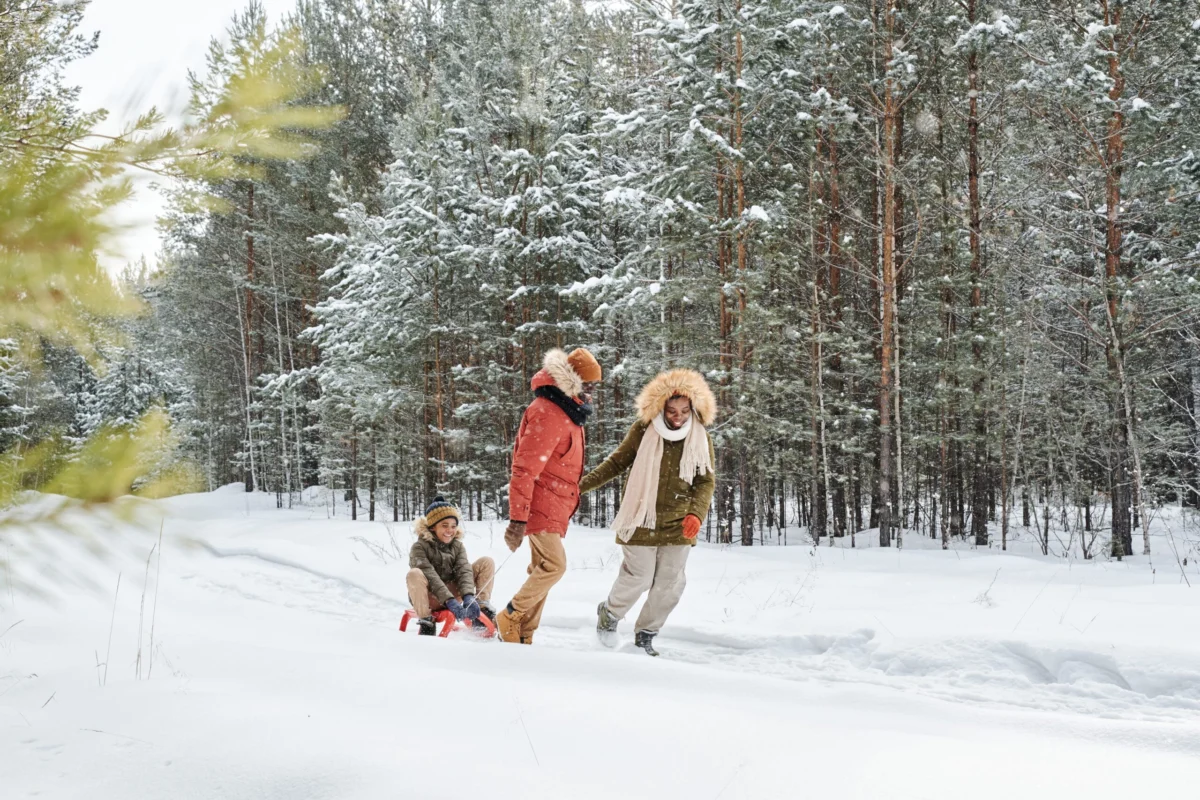
The 2026 holiday retail landscape presents a complex paradox for economists and retailers alike, as a stagnant national growth rate masks a profound divergence in consumer behavior. While the broader U.S. economy continues to navigate the tailwinds of post-pandemic stabilization and persistent inflationary pressures, the Outdoor Industry Association (OIA) has released its comprehensive 2026 Outdoor Holiday Report, revealing that the "average" shopper is increasingly a myth. Instead, the market is bifurcating along lines of generational identity and income brackets, creating a "K-shaped" spending pattern that challenges traditional seasonal marketing strategies. As discretionary budgets are squeezed by the rising costs of essential services, the competition for the remaining consumer dollar has intensified, forcing brands to leverage emerging technologies and hyper-local climate data to remain relevant.
The Macroeconomic Climate and the Spending Divide
At the surface level, the 2026 holiday season is projected to see a growth rate that barely keeps pace with inflation, leading many analysts to categorize the season as "flat." However, a deeper dive into the OIA’s data suggests that this topline figure is the result of two opposing forces. High-income households, particularly those with annual earnings exceeding $150,000, report a continued willingness to invest in premium outdoor gear and apparel. Conversely, middle- and lower-income families are reporting significant pullbacks, citing the cumulative effect of several years of elevated prices for "non-negotiables" such as housing, groceries, and transportation.
The divergence is not merely financial but also psychological. Economic optimism varies wildly across different demographics. Younger generations, specifically Gen Z and Millennials, are showing a higher propensity to spend on "experiences" and the gear associated with them, often despite carrying higher debt loads. In contrast, older cohorts, such as Gen X and Baby Boomers, are exhibiting more cautious financial behavior, prioritizing savings and debt reduction over discretionary purchases. This generational divide is reshaping how outdoor brands approach their product portfolios, with a renewed focus on durability and multi-generational appeal for older buyers, and aesthetics and social signaling for younger ones.
A Chronology of the 2026 Retail Shift
The path to the current 2026 holiday outlook began in the early months of the year, as the Federal Reserve’s long-term interest rate strategy began to fully permeate the consumer credit market. By the second quarter of 2025, credit card delinquencies had reached a ten-year high, signaling that the "buffer" of pandemic-era savings had been largely exhausted.
By mid-2025, the outdoor industry specifically began to see a cooling of the unprecedented boom experienced between 2021 and 2023. Retailers who had over-ordered inventory in anticipation of perpetual growth found themselves forced into aggressive discounting cycles. Entering the final quarter of 2025, the narrative shifted from "growth at all costs" to "strategic resilience." The OIA’s 2026 report serves as the culmination of these trends, providing a roadmap for an industry that must now operate in a environment of scarcity rather than abundance.
Supporting Data: Income Tiers and Generational Trends
The OIA 2026 Outdoor Holiday Report provides granular data that highlights the severity of the spending split. According to the report’s projections:
- High-Income Resilience: Households earning over $150,000 plan to increase their holiday spending by approximately 4.2% compared to the previous year, focusing heavily on technical outerwear and high-end camping equipment.
- Middle-Income Stagnation: The $50,000 to $100,000 income bracket—the traditional "backbone" of the outdoor market—is expected to see a spending decrease of 1.5%, as these consumers prioritize essential repairs and debt servicing.
- Generational Drivers: Gen Z consumers are 30% more likely than Baby Boomers to use "Buy Now, Pay Later" (BNPL) services for holiday gear purchases, suggesting that while their spending is high, it is increasingly leveraged.
- The Debt Factor: Total household debt has reached new heights, with the OIA noting that 45% of surveyed outdoor enthusiasts cite "personal debt levels" as a primary reason for reduced spending this season.
Furthermore, the cost of living index for 2026 shows that while the rate of inflation has slowed, the absolute price levels for food and energy remain 20% higher than 2021 benchmarks. This "permanent inflation" has effectively removed several hundred dollars of monthly discretionary income from the average household budget.
The Role of AI and Technological Integration in Shopping
One of the most transformative elements highlighted in the 2026 report is the integration of Artificial Intelligence (AI) into the consumer discovery process. Shopping is no longer a linear journey from a search engine to a retail site. Instead, consumers are increasingly using AI-driven personal assistants to curate gift lists, compare technical specifications of gear, and find the best prices across a fragmented digital marketplace.
For brands, this shift means that traditional SEO is no longer sufficient. To be "mentioned" by an AI agent, a brand’s product data must be structured, authoritative, and widely cited across trusted reviews and forums. The OIA report explores how AI tools are being used to "de-clutter" the shopping experience, allowing users to input specific parameters—such as "best waterproof shell for a wet El Niño winter under $300"—and receive a highly curated set of recommendations. This places a premium on brand reputation and technical transparency, as AI models are trained to prioritize high-value data over flashy marketing copy.
Environmental Impact: The El Niño Variable
The 2026 holiday season is set against the backdrop of a historically strong El Niño weather pattern. This climatic event has significant implications for regional demand for outdoor products. Traditionally, a strong El Niño brings warmer, wetter conditions to the northern United States and colder, stormier weather to the southern regions.
The OIA report provides a detailed analysis of how this will affect regional inventories. In the Pacific Northwest and the Northeast, retailers are bracing for a shorter ski season, shifting their focus from traditional alpine gear to "trans-seasonal" apparel that can handle rain and fluctuating temperatures. Meanwhile, in the Southwest, there is an anticipated spike in demand for heavy-duty outerwear and cold-weather camping gear as residents face uncharacteristically harsh winter conditions. Brands that fail to adjust their regional distribution strategies based on these climate projections risk being left with significant "dead stock" in some markets while facing shortages in others.
Winter Apparel Trends: Colors, Textures, and Functionality
Despite the cautious economic outlook, the 2026 report identifies several bright spots in apparel trends. The "gorpcore" aesthetic, which blends high-performance outdoor gear with urban fashion, continues to evolve. For the 2026 season, the OIA highlights a shift toward "tactile sustainability." Consumers are gravitating toward textures that feel organic and rugged—such as high-pile fleeces made from recycled ocean plastics and matte-finish, bio-based membranes.
In terms of color palettes, the industry is moving away from the vibrant, neon "safety" colors of previous years in favor of "earth-tethered" tones. Deep forest greens, burnt ochres, and slate blues are expected to dominate the shelves. These colors reflect a broader consumer desire for longevity; shoppers are looking for items that will not look "dated" in two or three years, further emphasizing the shift toward value and durability over fast-fashion cycles.
Official Responses and Industry Implications
Industry leaders have begun to respond to the findings of the OIA report with a mixture of caution and strategic pivots. "The 2026 data confirms what many of us have felt on the ground," says an industry analyst familiar with the report’s findings. "We are no longer in a ‘rising tide lifts all boats’ economy. Success this year will depend entirely on a brand’s ability to identify exactly which consumer they are talking to and providing an undeniable value proposition."
The broader implications for the retail sector are profound. The OIA suggests that the "squeezed middle" of the market is the most vulnerable. Brands that occupy the mid-price tier without offering either the prestige of a luxury label or the extreme value of a budget brand may find themselves struggling to maintain market share. This has led to a flurry of "membership-only" perks and loyalty programs designed to lock in existing customers and provide them with exclusive value that isn’t purely price-driven.
Analysis: Navigating a Fragmented Future
The 2026 Outdoor Holiday Report paints a picture of a retail sector at a crossroads. The flattening of overall spending is not a sign of a dying industry, but rather a maturing one that is being forced to adapt to a more disciplined consumer base. The "Outdoor Industry" is no longer a monolith; it is a collection of micro-markets, each responding to different economic, technological, and environmental stimuli.
For retailers, the key takeaway is the necessity of precision. Utilizing AI to reach consumers during the discovery phase, adjusting inventory for El Niño-driven regional variations, and acknowledging the financial constraints of the middle class are no longer optional strategies—they are requirements for survival. The shoppers are still out there, as the OIA notes, but they are more discerning, better informed, and more financially constrained than at any point in the last decade.
As the 2026 holiday season unfolds, the winners will be those who recognize that the "flat" topline growth is merely a distraction. The real story lies in the divide, and the brands that can successfully bridge that gap—or choose a side and dominate it—will be the ones to emerge from the winter season in a position of strength. The OIA’s full report, available through their membership portal, provides the necessary data to navigate this transition, offering a glimpse into a future where the outdoor industry must be as resilient as the gear it produces.
