

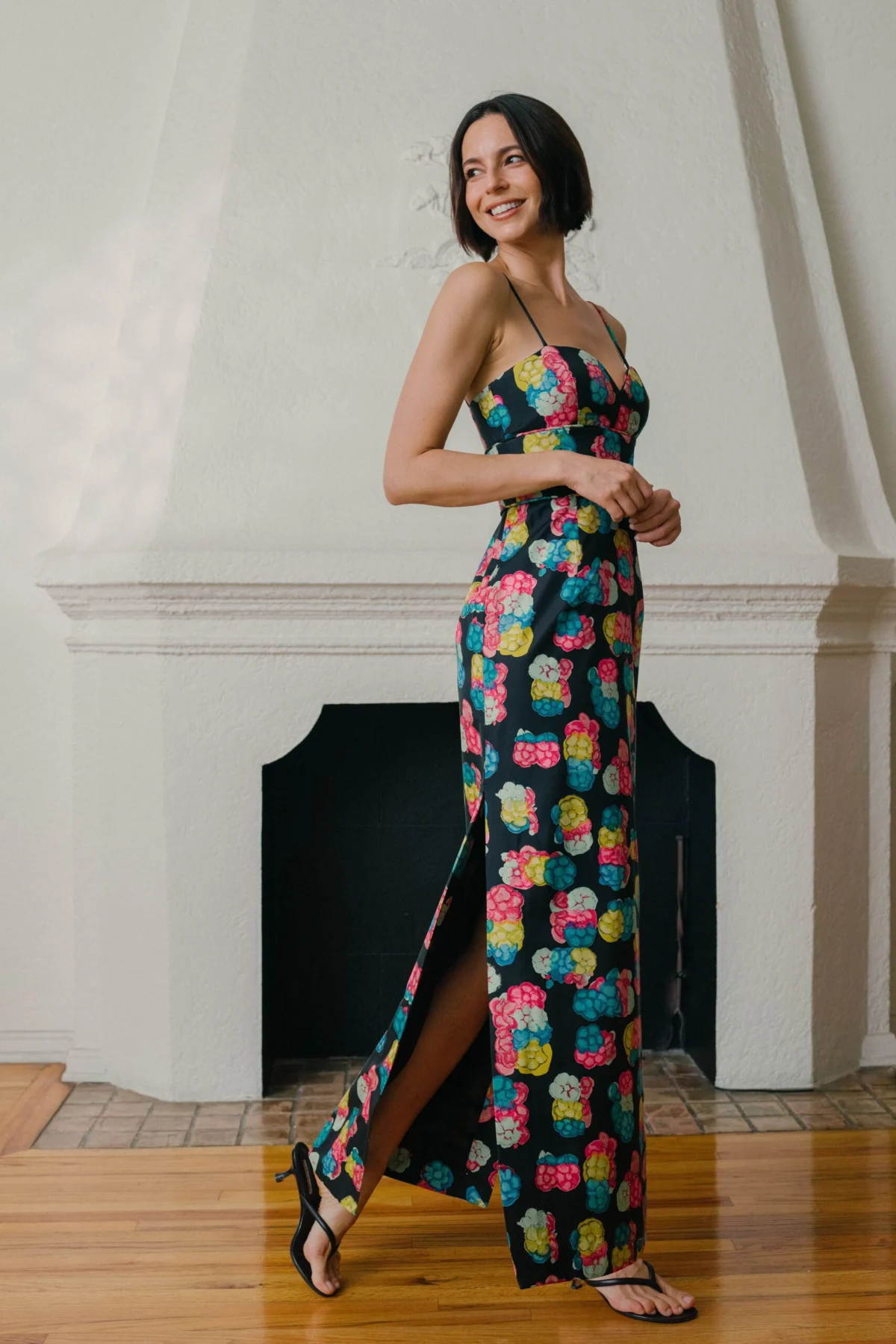
In a fashion landscape increasingly dominated by rapid digital iteration and the pervasive influence of artificial intelligence, designer Barbara Tfank stands as a refreshing beacon of artisanal dedication. Her Spring 2027 Ready-to-Wear collection, unveiled during the recent fashion week calendar, underscores her unwavering commitment to the enduring artistry of eveningwear. Rather than succumbing to fleeting trends, Tfank has meticulously cultivated a signature style rooted in the tactile beauty of exquisite fabrics and a deep appreciation for historical design. This season, her dedication to craft was particularly evident through her inspired repurposing of vintage prints from the renowned Bianchini Férier textile house, breathing new life into designs that possess an intrinsic, hand-crafted soul.
Tfank’s approach is not one of mere nostalgia; it is a strategic and deeply personal engagement with the heritage of fashion. Her long-standing relationships with European textile mills, some of which she has collaborated with since the inception of her eponymous label, speak volumes about her commitment to quality and provenance. For Spring 2027, she delved into her own extensive archive, unearthing a treasure trove of unused Bianchini Férier prints. These are not simply fabric patterns; they are artifacts of a bygone era of artistic creation, each imbued with the genius of its original designer.
"The artist Raoul Dufy actually painted and designed the textiles for them, so they’re collectibles," Tfank explained, her voice resonating with genuine enthusiasm for these rediscovered gems. Dufy, a pivotal figure in the Fauvist and Art Deco movements, brought his vibrant, expressive artistic vision to the world of textiles, creating designs that were both visually arresting and deeply evocative. Tfank’s discovery of these prints, which feature "lively, lush florals in vivid hues," represents a significant moment of synergy between her design ethos and the rich legacy of Bianchini Férier. The fact that these prints were entirely hand-rendered, a stark contrast to the digital processes prevalent today, further amplifies their appeal. "I was just so happy to see these in my archive because there’s nothing digital about them, it was all done by hand and just feels timeless," she emphasized, highlighting the inherent value of human touch and traditional techniques in an increasingly automated world.
The integration of these historically significant prints into her new collection serves as a powerful statement about the enduring relevance of craftsmanship. Tfank skillfully employed these Bianchini Férier designs to reinterpret some of her most beloved silhouettes, demonstrating a nuanced understanding of how to marry vintage artistry with contemporary wearability. Her signature off-the-shoulder gowns, a hallmark of her design sensibility, were reimagined in new spring-ready organza, allowing the intricate floral patterns to cascade with a delicate, ethereal grace. The inherent translucency of organza provides a perfect canvas for the rich hues and dynamic compositions of the Dufy-designed textiles, creating garments that are both visually striking and luxuriously light.
Beyond her iconic gowns, Tfank also showcased her mastery of the column silhouette, a style that emphasizes clean lines and a sophisticated drape. However, in a thoughtful nod to evolving consumer preferences, she introduced a subtle yet significant variation. One particular column gown was cut to a more contemporary mid-shin length, a departure from her typically longer hemlines. This strategic adjustment is a direct response to the burgeoning demand for "casual evening gowns," a category that caters to a modern woman who seeks elegance without the formality traditionally associated with eveningwear. Tfank’s vision for this customer is one who might pair her creations with a chic pair of thong heels rather than a towering stiletto, signifying a shift towards comfort and understated glamour. This adaptation demonstrates Tfank’s keen awareness of the contemporary fashion zeitgeist and her ability to innovate within her established aesthetic.
Expanding on this theme of approachable elegance, Tfank introduced a range of more relaxed styles that nonetheless retain her signature refinement. The inclusion of bra tops, a silhouette that has proliferated across numerous Spring 2027 runways, exemplified her ability to translate a trending item into her unique vocabulary. Tfank’s iteration of the bra top, rendered in a "groovy Férier print," was thoughtfully paired with wide-leg pants, creating a sophisticated and fashion-forward ensemble that balances playful allure with polished tailoring. This pairing offers a versatile option for warmer weather, embodying a sense of effortless chic.
Further diversifying the collection, Tfank presented an airy halterneck dress featuring a dramatic long train. This piece, while undeniably glamorous, maintained a sense of lightness and fluidity, suggesting its suitability for a variety of celebratory occasions. Complementing these more elaborate designs was a simple yet elegant navy-and-white sundress. The choice of fabric for this seemingly understated piece carries a remarkable provenance: Tfank revealed that this very material was once used to craft a custom coat for former First Lady Michelle Obama. The serendipitous reappearance of this fabric, steeped in such significant cultural history, adds another layer of narrative depth to the collection, underscoring Tfank’s ability to connect contemporary fashion with moments of historical importance. This anecdote about the sundress fabric serves as a powerful testament to the enduring quality and timeless appeal of the textiles she selects, proving that well-chosen materials transcend trends and eras.
The Spring 2027 Ready-to-Wear season has been characterized by a palpable desire for authenticity and a renewed appreciation for the creative process. In this context, Barbara Tfank’s unwavering commitment to craftsmanship and her thoughtful engagement with fashion history resonate profoundly. Her decision to draw from the Bianchini Férier archive, specifically featuring designs by Raoul Dufy, is not merely a stylistic choice; it is a philosophical one. It champions the value of human artistry, the longevity of well-made garments, and the inherent beauty of materials that possess a tangible connection to the past.
The fashion industry, particularly in recent years, has grappled with questions surrounding sustainability and the environmental impact of mass production. Tfank’s practice of repurposing existing fabrics, especially those with such a rich historical pedigree, offers a compelling model for a more conscious approach to fashion. By giving new life to these vintage prints, she not only reduces the demand for virgin materials but also honors the legacy of the original artisans and manufacturers. This act of textile conservation aligns with a growing global consciousness regarding ethical consumption and the importance of preserving cultural heritage.
The inclusion of Bianchini Férier prints, a house with a distinguished history dating back to the late 19th century, further situates Tfank’s work within a broader narrative of textile innovation and artistic collaboration. Bianchini Férier was renowned for its partnerships with leading artists of the avant-garde, including Dufy, who revolutionized textile design with his bold colors and expressive brushwork. The brand’s commitment to artistic integration positioned it as a key player in the development of modern decorative arts. Tfank’s revival of these specific designs acknowledges and continues this tradition of artistic patronage, bridging the gap between fine art and wearable fashion.
The contemporary relevance of Tfank’s collection can be further analyzed through the lens of the evolving definition of luxury. In an era where conspicuous consumption is increasingly scrutinized, true luxury is often found in the rarity, craftsmanship, and inherent story behind a garment. Tfank’s pieces, made from collectible, hand-painted textiles and meticulously constructed, embody this nuanced understanding of luxury. They are not merely items of clothing; they are wearable art pieces with a compelling narrative, appealing to a discerning clientele who values substance and authenticity.
The fashion industry’s ongoing exploration of digital technologies, including AI-driven design tools and virtual fashion, presents both opportunities and challenges. While these innovations can streamline processes and open new creative avenues, they also raise questions about the future of traditional craftsmanship. Barbara Tfank’s collection serves as a vital counterpoint, reminding the industry and consumers alike of the irreplaceable value of human skill, tactile materials, and the enduring appeal of designs that possess a soul. Her commitment to this ethos, demonstrated through her inspired use of the Bianchini Férier archive, ensures that her work remains not only relevant but also deeply resonant in the current fashion climate.
The "emerging casual evening gown customer" that Tfank is catering to represents a significant demographic shift. As lifestyles become more fluid and social gatherings less rigidly defined, there is a growing demand for garments that can seamlessly transition from day to evening, or from a relaxed gathering to a more formal event. This customer values versatility, comfort, and style, seeking pieces that reflect their personal aesthetic without compromising on elegance. Tfank’s mid-shin length column gowns and her chic bra top and wide-leg pant ensembles directly address this need, offering sophisticated yet accessible options for the modern woman.
The narrative surrounding Michelle Obama’s custom coat, crafted from the same fabric used in Tfank’s sundress, adds a layer of cultural significance and aspirational appeal. First Lady Obama has consistently championed fashion that is both stylish and meaningful, often choosing designers and pieces that embody American values and craftsmanship. The fact that Tfank’s chosen fabric has graced the wardrobe of such an influential figure underscores its quality, timelessness, and its ability to imbue garments with a sense of national pride and historical resonance. This connection elevates the sundress from a simple summer garment to a piece with a distinguished lineage, further enhancing its desirability.
In conclusion, Barbara Tfank’s Spring 2027 Ready-to-Wear collection is a masterclass in timeless design and artisanal dedication. By drawing upon the rich heritage of Bianchini Férier and the artistic genius of Raoul Dufy, she has created a collection that is both deeply rooted in the past and remarkably relevant to the present. Her unwavering commitment to craft, her thoughtful engagement with evolving consumer desires, and her ability to imbue each garment with a compelling narrative position her as a vital voice in contemporary fashion. In an age often characterized by ephemeral trends and digital immediacy, Tfank’s collection stands as a powerful testament to the enduring allure of beauty, craftsmanship, and the art of dressing with intention.
