

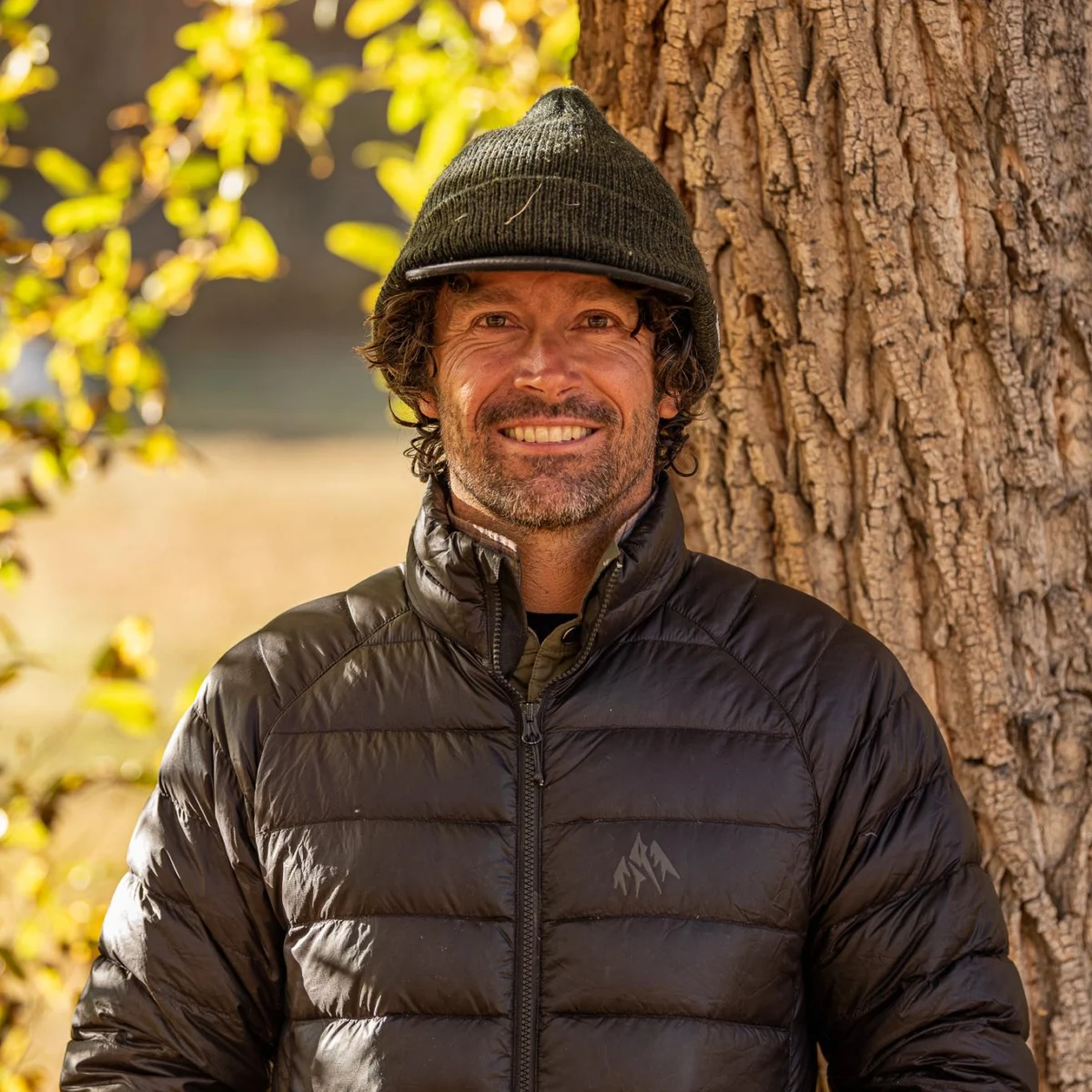
The landscape of American environmental policy has undergone a significant transformation following recent election cycles, prompting advocacy leaders to recalibrate their strategies for climate protection and public land management. Jeremy Jones, the professional snowboarder and founder of the non-profit organization Protect Our Winters (POW), has issued a comprehensive call to action, characterizing the shift in congressional power as a critical "weather window" for legislative progress. As a new majority takes its seat in the United States Congress, the focus of the outdoor industry and environmental advocates has shifted from defensive posturing against deregulation to an offensive strategy aimed at codifying environmental protections into federal law.
The transition comes after a period marked by extensive rollbacks of environmental safeguards. For the outdoor recreation community—an industry that contributes significantly to the national economy—the stakes are inherently tied to the stability of natural ecosystems and predictable seasonal patterns. Jones, a ten-time "Big Mountain Rider of the Year," has leveraged his platform to bridge the gap between professional athletics and high-level policy advocacy, suggesting that the recent electoral results reflect a broader public mandate to prioritize public health and ecological preservation over corporate interests in the fossil fuel sector.
Historical Context and the Shift in Environmental Governance
The current political climate is the result of a multi-year tension between executive-led deregulation and grassroots environmental activism. Since 2016, the federal government has overseen the reversal of over 100 environmental rules and regulations. These rollbacks targeted various sectors, including vehicle emissions standards, coal plant discharge limits, and the protection of wetlands and streams. The most notable among these was the withdrawal from the Paris Agreement and the replacement of the Clean Power Plan with the Affordable Clean Energy (ACE) rule, which significantly lowered the bar for carbon emission reductions from power plants.
For organizations like Protect Our Winters, these changes represented an existential threat to the "winter economy." The outdoor recreation industry is a massive economic driver in the United States. According to data from the Bureau of Economic Analysis (BEA), the outdoor recreation economy accounted for 2.2% ($459.8 billion) of current-dollar gross domestic product (GDP) in recent years. When including indirect spending, the Outdoor Industry Association (OIA) estimates the sector supports over 7.6 million jobs and generates $887 billion in annual consumer spending.
The recent election results, which saw a change in the majority of the House of Representatives, provide a structural check on the executive branch’s ability to continue these rollbacks without oversight. This new legislative reality allows for the reactivation of the "power of the purse" and the subpoena power of various House committees, such as the Committee on Energy and Commerce and the Committee on Natural Resources.
The Environmental Health Restoration Act: A Legislative Priority
Central to the post-election strategy for POW and its coalition partners is the advancement of the Environmental Health Restoration Act (EHRA). This proposed legislation is designed to serve as a corrective measure against the systematic weakening of the Environmental Protection Agency (EPA). The primary objective of the EHRA is to restore the EPA’s full authority to regulate greenhouse gas emissions and other pollutants under the framework of the Clean Air Act and the Clean Water Act.
Proponents of the bill argue that the EPA’s regulatory capacity has been intentionally hamstrung by administrative appointments and budget reallocations. The EHRA seeks to:
- Re-establish rigorous standards for air quality that were previously eased for industrial emitters.
- Restore protections for "Waters of the United States," ensuring that headwaters and seasonal streams—crucial for the health of larger river systems and mountain ecosystems—remain under federal protection.
- Provide a statutory mandate for the EPA to consider the long-term impacts of climate change in its environmental impact assessments.
The introduction of this bill in a divided Congress represents a tactical shift. While passage in the Senate remains a significant hurdle, advocates view the House’s support for such measures as a vital step in creating a public record of accountability and setting the stage for future bipartisan negotiations.
Data and Scientific Imperatives for the Outdoor Sector
The urgency expressed by Jeremy Jones and the POW community is backed by a growing body of climate data specifically relevant to the Mountain West and the Arctic. According to the National Oceanic and Atmospheric Administration (NOAA), the duration and depth of snowpack in the Western United States have seen a measurable decline over the past five decades. In some regions of the Sierra Nevada and the Cascades, the spring snowpack has decreased by as much as 20% to 30% since the mid-20th century.
This reduction in snowpack is not merely a concern for winter sports enthusiasts; it is a critical issue for water security. The snowpack serves as a natural reservoir, slowly releasing water during the spring and summer months to feed agricultural valleys and municipal water supplies. A shorter winter season leads to earlier runoff, increased wildfire risk in the late summer, and diminished water levels for hydropower and irrigation.
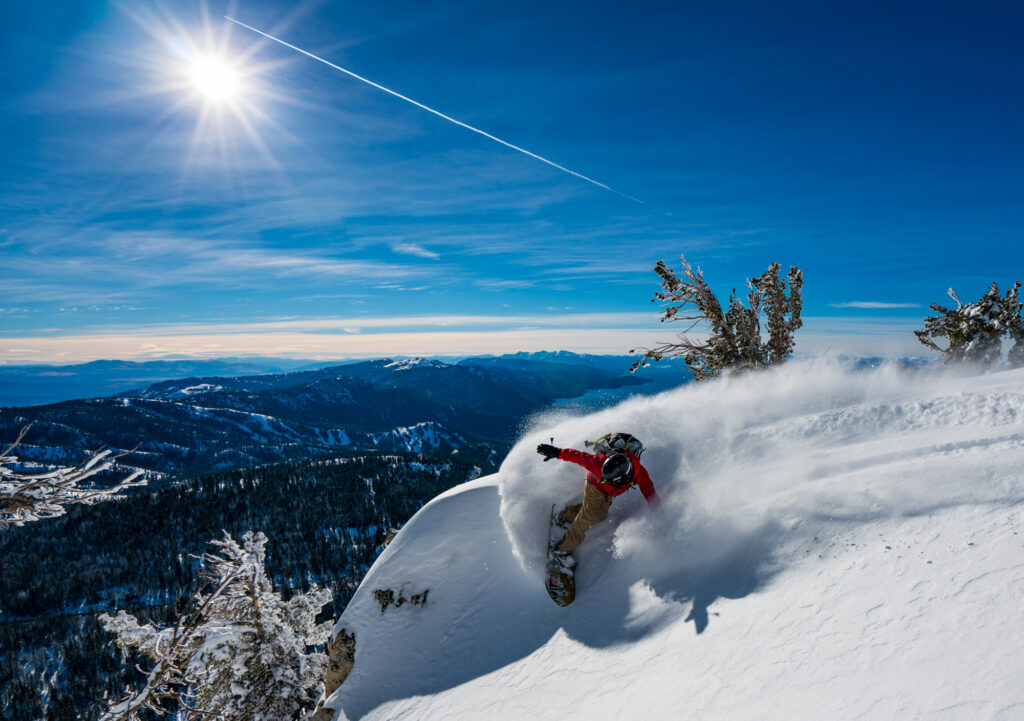
Furthermore, the Fourth National Climate Assessment highlighted that the outdoor recreation industry is among the most vulnerable sectors to climate change. The report noted that the "winter tourism season" is expected to shrink by up to 50% in certain regions by 2050 if current emission trends continue. These data points provide the factual foundation for POW’s advocacy, moving the conversation from aesthetic or "lifestyle" concerns to hard-nosed economic and resource management realities.
Stakeholder Reactions and Bipartisan Engagement
The response to the shift in congressional power and the subsequent advocacy from the outdoor industry has been varied across the political and industrial spectrum.
Environmental Advocacy Groups: Organizations such as the Sierra Club and the Natural Resources Defense Council (NRDC) have echoed Jones’s sentiments. A spokesperson for the NRDC stated that "the return of oversight to the House of Representatives is a necessary firewall against the degradation of our public lands." These groups are increasingly aligning with the outdoor industry, recognizing that "human-powered" recreationists (skiers, climbers, hikers) are a powerful voting bloc that transcends traditional partisan lines.
Energy Industry Perspectives: Conversely, representatives from the fossil fuel industry, including the American Petroleum Institute (API), have expressed caution regarding the EHRA and similar legislative efforts. Their arguments typically center on economic competitiveness and the necessity of domestic energy production. Industry analysts suggest that increased regulatory pressure could lead to higher operational costs, which they argue may be passed on to consumers.
The "Purple" Voter: One of the most significant takeaways from the recent election was the performance of "environmental voters" in traditionally conservative or "purple" districts. In states like Colorado, Montana, and Nevada, candidates who emphasized the protection of public lands and the "outdoor way of life" saw success across the political aisle. This suggests that the "skin track" (a term Jones uses to describe the path up a mountain) is indeed becoming wide enough for a diverse array of voters who may disagree on social issues but find common ground in land conservation.
Analysis of Implications for Public Lands and Extraction
The new congressional majority is expected to place a spotlight on the management of public lands, particularly in the Arctic National Wildlife Refuge (ANWR) and the Mountain West. Over the past several years, there has been a concerted effort to open these areas to expanded fossil fuel extraction and mineral mining.
The Arctic, in particular, has become a flashpoint. The administration’s push to hold lease sales in the 1002 Area of the ANWR has met with fierce resistance from indigenous groups and environmentalists. With a new Congress, advocates expect to see a series of hearings investigating the environmental impact studies used to justify these leases. There is also a push to pass the Arctic Cultural and Coastal Plain Protection Act, which would permanently ban oil and gas drilling in the refuge.
In the Mountain West, the focus is on preventing the "sell-off" of federal lands to private interests. The Land and Water Conservation Fund (LWCF), which uses royalties from offshore oil and gas drilling to fund conservation and recreation projects, has been a primary target for advocacy. The goal is to secure permanent, mandatory funding for the LWCF, ensuring that it cannot be used as a political bargaining chip in annual budget cycles.
The "Climb" Ahead: Long-term Strategic Outlook
Despite the optimism following the election, Jeremy Jones and other policy experts emphasize that a change in legislative leadership is only the beginning of a long-term process. The "climb," as Jones describes it, involves several distinct phases of engagement:
- Oversight and Accountability: Utilizing congressional committees to investigate the scientific integrity of past administrative decisions and the influence of corporate lobbying on environmental policy.
- Defensive Legislation: Blocking new attempts to weaken the Clean Air and Clean Water Acts through "riders" attached to essential spending bills.
- State and Local Advocacy: Recognizing that federal gridlock may persist, POW and its partners are shifting significant resources to state-level initiatives. This includes advocating for state-wide renewable energy mandates and the creation of "Offices of Outdoor Recreation" within state governments to promote the economic benefits of conservation.
- Public Mobilization: Maintaining the momentum of the "environmental voter." The 2018 and 2020 cycles showed a marked increase in youth turnout and engagement among outdoor enthusiasts. Sustaining this level of participation is viewed as essential for long-term policy stability.
The "window" for climate action is currently open, but the window for mitigating the most severe impacts of global warming is closing. The synthesis of professional athleticism, economic data, and grassroots political mobilization represented by Jeremy Jones and Protect Our Winters marks a new era in environmentalism—one where the passion for the outdoors is directly translated into the technical and often grueling work of legislative reform. As the new Congress begins its term, the outdoor industry has moved from the sidelines of political discourse to a central role in the fight for a sustainable future, asserting that the protection of the environment is not a partisan luxury, but a fundamental requirement for the nation’s economic and physical health.
