

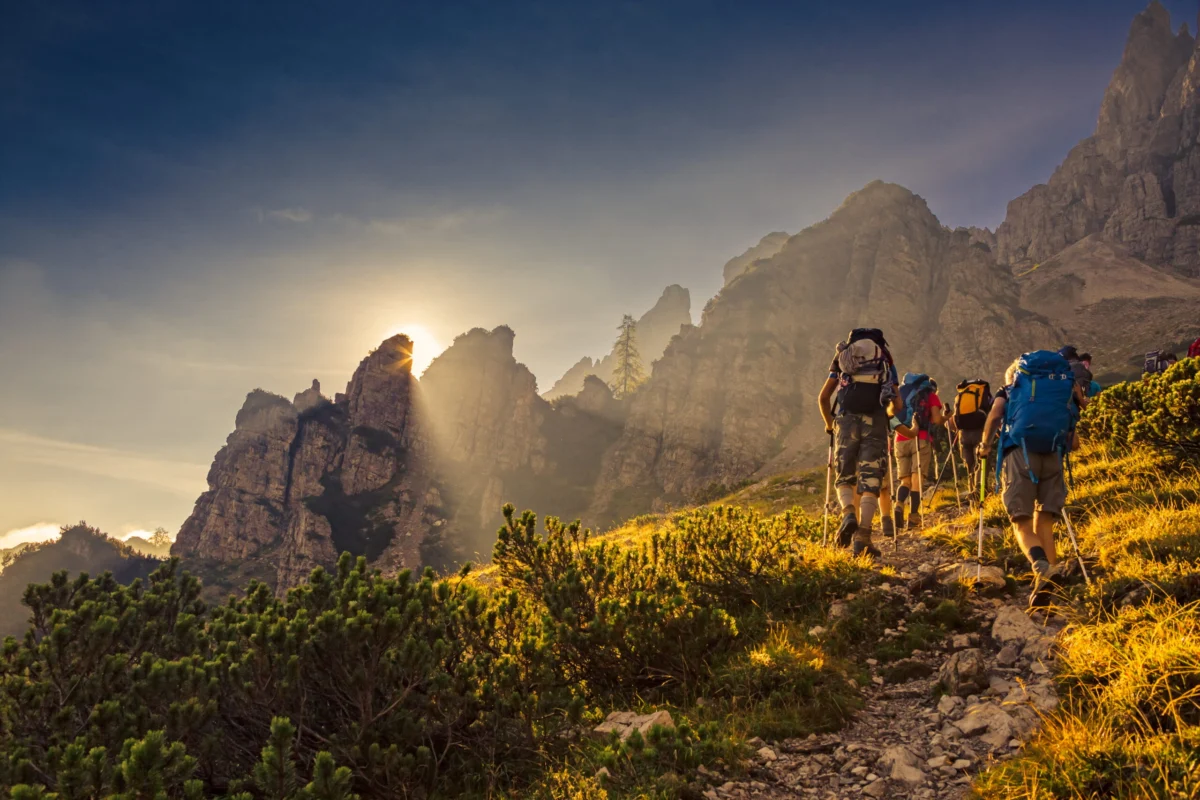
The state of American backcountry exploration is currently defined by a complex dichotomy: while millions of citizens continue to seek solitude in the wilderness, the activity of backpacking is struggling to maintain the momentum it enjoyed nearly a decade ago. According to the recently released 2026 Backpacking Report, more than 9.3 million Americans engaged in backpacking at least once during the 2025 calendar year. Within this group, a dedicated "core" segment of approximately 2.5 million participants spent eight or more nights on the trail. Despite these significant numbers, the industry is navigating a period of contraction. Participation has been steadily slipping since its historical peak in 2017, when nearly 11 million Americans were active in the backcountry. In the past year alone, the total number of backpackers fell by approximately 650,000, while core participation—the most frequent and gear-intensive demographic—experienced a 5% decline.
The Post-Pandemic Participation Gap
To understand the current state of backpacking, one must look at the broader landscape of outdoor recreation in the United States over the last five years. While the COVID-19 pandemic triggered a historic surge in outdoor activity, backpacking notably missed the wave that lifted other sectors. Since 2020, hiking has exploded to 63.6 million participants, and tent camping has reached 42 million participants. These less gear-intensive activities benefited from a low barrier to entry and the immediate need for socially distanced exercise. Backpacking, however, requires a higher level of technical knowledge, more specialized equipment, and a greater commitment to physical preparation.
The data suggests that while Americans are eager to be outdoors, they are increasingly opting for "front-country" experiences—activities that allow for nature immersion during the day followed by the comfort of a vehicle or a developed campsite at night. The challenge for the outdoor industry now lies in converting these millions of day hikers and car campers into overnight backcountry travelers. Currently, 7.8% of hikers and 12.1% of tent campers also engage in backpacking. These groups represent the "next wave" of potential enthusiasts, as many already possess a portion of the necessary gear and basic navigational skills.
A Chronology of Backcountry Trends: 2017–2026
The trajectory of backpacking over the last nine years reflects broader socio-economic shifts and changing consumer preferences. In 2017, the industry reached its zenith, fueled by a combination of social media influence, the "Wild" and "A Walk in the Woods" literary/cinematic effects, and a robust economy. At that time, nearly 11 million Americans identified as backpackers.
Between 2018 and 2019, participation began to stabilize, but the expected "outdoor boom" of 2020 did not materialize for the backpacking sector in the same way it did for cycling, kayaking, or day hiking. While national parks saw record crowds, the backcountry remained a secondary destination for the influx of new outdoor enthusiasts. By 2023 and 2024, the industry began to notice a "retention gap." While new participants were trying backpacking once, they were not returning for subsequent trips, leading to the 650,000-person drop observed in the 2025 data.
The release of the 2026 Backpacking Report marks a pivotal moment for the industry to reassess its strategy. The report provides an exhaustive look at participation by sex, age, region, race, and household income, offering a roadmap for how brands and land managers can reverse the downward trend.
Demographic Insights and the Evolving Trail Profile
The 2026 report highlights several emerging demographics that could stabilize the market. Notably, women’s backpacking communities have become a significant driver of engagement. These groups emphasize safety, education, and social connection, addressing some of the traditional barriers to entry for female solo travelers.
Furthermore, there is a burgeoning trend of intergenerational backpacking. Older adults, many of whom were part of the initial backpacking boom of the 1970s and 80s, are now passing the tradition down to their grandchildren. This "silver" demographic often has the disposable income for high-end, lightweight gear and the time to commit to longer expeditions, making them a crucial segment for specialty retailers.
The report also examines the influence of "thru-hikers"—those who attempt long-distance trails like the Appalachian Trail (AT) or the Pacific Crest Trail (PCT). While thru-hikers represent a small fraction of total participants, their influence on gear trends is disproportionate. The shift toward "ultralight" backpacking is almost entirely driven by the thru-hiking community, which in turn dictates the inventory of specialty retail shops. However, the high cost of this essential gear remains a barrier; the 2026 report specifically analyzes the rising costs of "the big three" (pack, shelter, and sleep system) and how inflation is impacting the entry-level market.
Industry Response and Economic Implications
Outdoor industry leaders and analysts are viewing these findings with a mixture of caution and optimism. While the decline in core participation is a concern for manufacturers of high-end technical equipment, the massive pool of 63.6 million hikers represents an unprecedented market opportunity.
"The data shows us that the interest in the outdoors is not waning, but the format of engagement is changing," says an industry analyst specializing in outdoor retail. "We are seeing a ‘day-trip culture’ that hasn’t yet felt the pull of the overnight experience. For the industry to grow, we need to demystify the overnight stay. This means better education on gear, more accessible permit systems, and creating a welcoming environment for those who don’t fit the traditional image of a rugged mountain explorer."
Specialty retailers are also adjusting their strategies. Rather than focusing solely on technical specifications, many are hosting "Backpacking 101" workshops and gear-rental programs to lower the initial financial hurdle. By allowing tent campers to rent high-quality backpacking stoves or lightweight tents, retailers are bridging the gap between a car-camping weekend and a backcountry trek.
Barriers to Entry: Permitting, Climate, and Cost
Beyond the data on participation, the 2026 report touches on external factors that have contributed to the recent slip in numbers. One significant factor is the increasing complexity of trail access. Popular backcountry destinations have implemented stringent permit systems to combat overcrowding and protect fragile ecosystems. While necessary for conservation, these systems can be a deterrent for spontaneous or novice backpackers.
Environmental factors have also played a role. Over the past several years, increasingly severe wildfire seasons in the Western United States and unpredictable weather patterns in the East have led to trail closures and "smoke seasons," shortening the viable window for multi-day trips. For many, the uncertainty of a planned week-long trip being canceled due to air quality has shifted their preference toward more flexible day-hiking options.
Economically, the "specialty retail" price point has moved upward. A full kit of entry-level backpacking gear can now cost upwards of $1,000, a significant investment during a period of fluctuating consumer confidence. The industry is responding by emphasizing the longevity and sustainability of gear, as well as the growth of the secondary (used) gear market, which has become a popular entry point for younger, eco-conscious hikers.
The Path Forward: Converting Interest into Action
The overarching conclusion of the 2026 Backpacking Report is that the "next generation" of backpackers is already in the woods; they simply haven’t stayed the night yet. The transition from a day hiker to a backpacker is often a psychological one, requiring a shift from viewing the wilderness as a destination to viewing it as a home.
To foster this transition, the Outdoor Industry Association (OIA) and its partners are looking toward several key areas:
- Diversity and Inclusion: Expanding the narrative of who belongs in the backcountry to include more diverse racial and ethnic groups, who are currently underrepresented in backpacking compared to day hiking.
- Simplified Education: Streamlining the "how-to" of backpacking through digital resources and community-led mentorship.
- Regional Focus: Developing "gateway" backcountry experiences closer to urban centers, reducing the travel time and logistical complexity of a first trip.
As the industry moves toward the 2027 season, the focus will remain on the 7.8% of hikers and 12.1% of campers who have already dipped their toes into the backcountry. If the industry can provide these individuals with the right reasons—and the right gear—to stay overnight, the 9.3 million figure may once again begin to climb toward the 11 million mark.
The 2026 Backpacking Report serves as both a warning and a guide. While the recent decline in participation is a call to action, the sheer volume of Americans currently engaged in outdoor activities suggests that the potential for a backpacking renaissance is higher than ever. The challenge for stakeholders—from gear manufacturers to land managers—is to ensure that the path from the trailhead to the remote campsite is as clear and welcoming as possible. For those interested in the full data set, including regional breakdowns and detailed economic analysis, the complete 2026 Backpacking Report and its Executive Summary are now available through the Outdoor Industry Association’s membership portal.
