

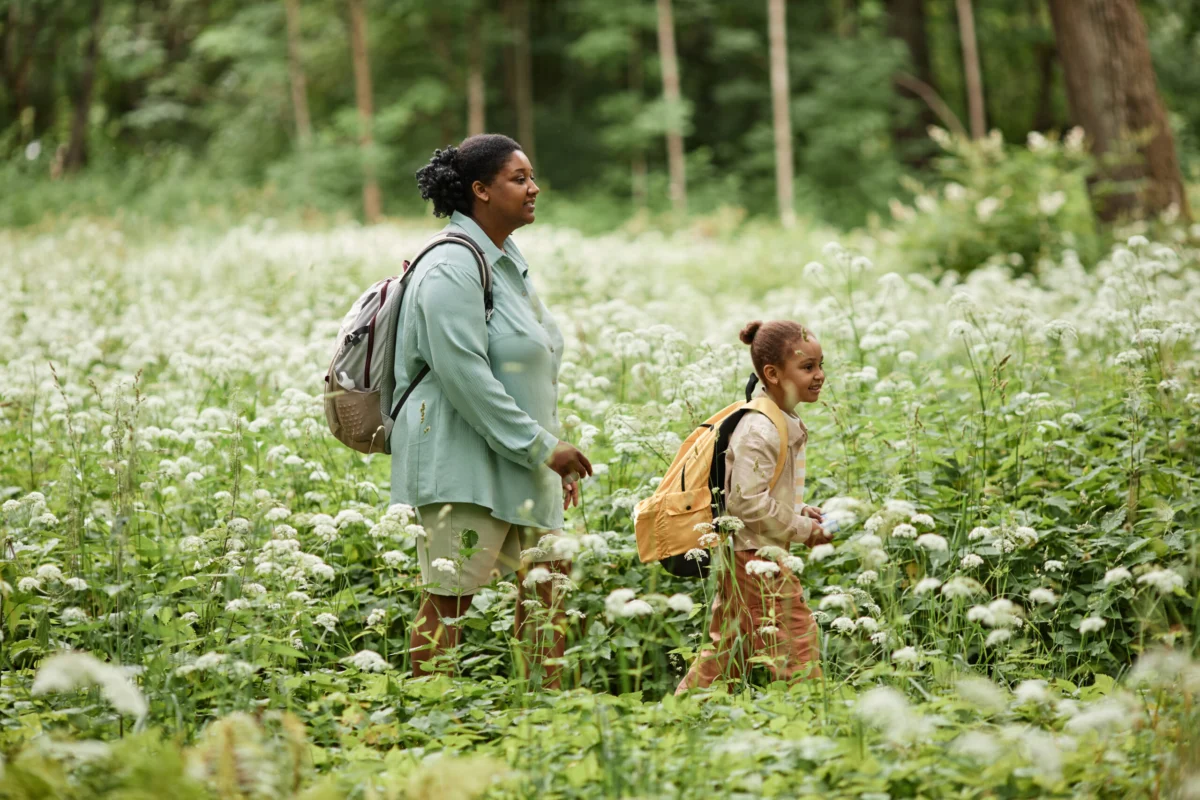
The landscape of American recreation has undergone a seismic shift over the last decade, culminating in a historic milestone where hiking has officially secured its position as the most popular outdoor activity in the United States. According to the Outdoor Industry Association’s (OIA) latest comprehensive analysis, a record-breaking 63.4 million Americans participated in hiking in 2024. This figure represents approximately 20.5% of the total U.S. population aged six and older, marking a definitive turning point in how the nation engages with the natural world. The data suggests that the surge in outdoor interest, which many analysts initially dismissed as a temporary byproduct of pandemic-era social distancing, has instead solidified into a permanent cultural shift. Since 2012, the hiking community has nearly doubled in size, adding more than 13 million new participants since 2019 alone.
While the sheer volume of participants is noteworthy, the most significant revelation within the OIA’s findings lies in the depth of engagement. In the typical lifecycle of a growing sport or hobby, a rapid influx of new participants usually leads to a decrease in the average frequency of participation, as "casual" users dilute the statistics of the "dedicated" base. However, hiking is currently defying this traditional economic and sociological trend. The industry is witnessing a simultaneous expansion of both the total participant base and the frequency with which individuals hit the trail. Currently, 16.7 million Americans are classified as "core" hikers—defined as those who hike 13 or more times per year. This segment is growing at a five-year average annual rate of 7.6%, significantly outpacing the 5.2% growth rate of the general hiking population.
A Chronology of the Modern Hiking Movement
To understand the current state of the industry, it is essential to trace the trajectory of hiking over the last 12 years. In 2012, hiking was a robust but secondary activity compared to traditional team sports and gym-based fitness. The community stood at roughly half its current size, supported largely by a demographic of long-time enthusiasts and conservationists. Between 2012 and 2018, growth was steady and incremental, fueled in part by the rise of social media platforms like Instagram, which turned scenic vistas and trail accomplishments into a form of social currency.
The year 2019 served as the final "baseline" year before the global COVID-19 pandemic. At that time, the activity was already on an upward trend, but the subsequent lockdowns in 2020 and 2021 acted as a massive catalyst. With indoor gyms, theaters, and restaurants closed, millions of Americans turned to local trails for physical exercise and mental reprieve. What began as a necessity evolved into a habit. By 2022 and 2023, as the world reopened, the expected "churn" of outdoor participants back to indoor activities failed to materialize in the hiking sector. Instead, the 13 million people who discovered hiking during the pandemic era integrated the activity into their long-term lifestyles, leading to the record-breaking figures seen in 2024 and 2025.
The Economic Engine of the Outdoor Industry
The OIA report highlights hiking’s role as the "primary gateway" into the broader outdoor recreation economy. This sector, which the U.S. Bureau of Economic Analysis (BEA) recently valued at over $1.1 trillion in annual economic output, relies heavily on the low barrier to entry that hiking provides. Unlike skiing, mountain biking, or sailing—which require significant upfront investment in equipment and specialized training—hiking requires little more than a sturdy pair of shoes and access to a trail.
The "gateway effect" is substantiated by the fact that over 90% of hikers also participate in at least one other outdoor activity. This crossover is a critical driver for the retail and manufacturing sectors. A consumer who begins as a casual day-hiker often evolves into a backpacker, a camper, or a birdwatcher, necessitating the purchase of technical apparel, navigation tools, and overnight gear. This high rate of multi-activity participation suggests that the hiking boom is providing a rising tide that lifts all boats within the outdoor industry, from footwear giants like Merrell and Salomon to specialty equipment manufacturers like Osprey and Black Diamond.
Demographic Shifts and the Challenge of Inclusivity
While the growth in numbers is impressive, the OIA report also shines a light on the shifting demographics of the American hiker. Traditionally viewed as an activity dominated by older, white, and middle-to-upper-income populations, the trail is slowly becoming more representative of the broader U.S. census. There has been significant growth among middle-aged adults, many of whom are turning to hiking as a low-impact alternative to running or high-intensity interval training (HIIT) as they prioritize longevity and joint health.
However, the report also identifies critical gaps in participation that represent both a challenge and an opportunity for the industry. Communities of color, while increasing their presence on the trail, still face disproportionate barriers to entry. These barriers are not merely economic; they include issues of physical access to trailheads in urban areas, a lack of representation in outdoor marketing, and persistent concerns regarding safety and a sense of belonging in remote wilderness areas. Industry leaders are increasingly focusing on "untapped growth" within these communities, recognizing that the long-term sustainability of the outdoor movement depends on making the trails feel accessible and safe for all Americans.
Infrastructure and Environmental Implications
The rapid increase in trail usage has put unprecedented pressure on the nation’s infrastructure. Federal and state land management agencies, including the National Park Service (NPS) and the U.S. Forest Service, are grappling with the logistical challenges of managing 63.4 million participants. Issues such as trailhead parking shortages, trail erosion, and the improper disposal of waste have become frequent points of contention in popular outdoor hubs like Asheville, North Carolina; Boulder, Colorado; and the White Mountains of New Hampshire.
In response, there has been a push for increased funding through legislative vehicles like the Great American Outdoors Act, which aims to address the multi-billion-dollar maintenance backlog on federal lands. Furthermore, the rise of the "core" hiker—the individual who hikes more than once a month—has led to a greater demand for sophisticated trail information. Digital platforms like AllTrails and Gaia GPS have seen record subscriptions, as users seek out lesser-known paths to avoid the crowds found on "bucket-list" trails. This shift in behavior is helping to distribute the human impact across a wider geographic area, though it also necessitates a greater emphasis on "Leave No Trace" education for new participants who may not be familiar with backcountry ethics.
Industry Reactions and Future Outlook
Market analysts and industry executives have reacted to the 2026 report with a mixture of optimism and strategic pivot. "The data confirms what we have been seeing on the ground: the American consumer has fundamentally revalued their relationship with nature," says one industry analyst. "We are no longer looking at a ‘fad.’ We are looking at a permanent pillar of the American lifestyle."
Retailers are responding by diversifying their product lines to cater to the "core" hiker who demands durability and technical performance, while also maintaining entry-level price points for the millions of newcomers joining the ranks each year. There is also a growing trend toward "athleisure" crossover products—hiking gear that is stylish enough for urban wear but functional enough for a five-mile trek—reflecting the integration of hiking into daily life.
Looking toward the end of the decade, the OIA projections suggest that if the current growth rate of core hikers continues, the industry will need to focus heavily on sustainability and stewardship. The challenge will be to maintain the quality of the outdoor experience while accommodating a population that is increasingly looking to the woods for solace and health.
Analysis of the "Core" Hiker Phenomenon
The fact that core participation is growing faster than general participation (7.6% vs. 5.2%) is perhaps the most vital takeaway for the future of the outdoor industry. This "deepening" of the participant base suggests that hiking is becoming more than just a weekend hobby; it is becoming a primary identity for millions of people. For the healthcare sector, this represents a massive public health win, as regular hiking is linked to lower rates of cardiovascular disease, improved mental health, and reduced stress levels.
For the outdoor industry, this means the "lifetime value" of a customer is increasing. A core hiker is more likely to invest in premium gear, subscribe to navigation services, and travel specifically for hiking destinations, fueling the outdoor tourism economy in rural areas. As the industry moves toward 2027 and 2028, the focus will likely shift from "acquisition"—getting people to try hiking for the first time—to "retention and stewardship"—ensuring that those 63.4 million people have the skills, gear, and accessible land they need to remain hikers for life.
The hiking boom is not slowing down; it is maturing. The trails of America are more crowded than they were a decade ago, but they are also more vibrant, more diverse, and more central to the American story than ever before. As the OIA 2026 Hiking Report concludes, the opportunity now lies in ensuring that the infrastructure and inclusivity of the outdoors keep pace with the passion of the people who use them.
