

The Trump administration has initiated a sweeping overhaul of United States energy and environmental policy, characterized by a rapid series of executive actions and departmental orders aimed at dismantling renewable energy infrastructure, de-emphasizing climate science, and aggressively expanding fossil fuel extraction. In a coordinated effort that has unfolded over the recent holiday period, federal agencies have moved to halt major offshore wind developments, threaten the continued operation of the nation’s premier atmospheric research center, and exercise rare emergency powers to prevent the retirement of aging coal-fired power plants. These actions represent a fundamental shift in the nation’s approach to energy independence and environmental stewardship, prioritizing traditional fuel sources and deregulation over the transition to a low-carbon economy.
Sudden Suspension of Major Offshore Wind Projects
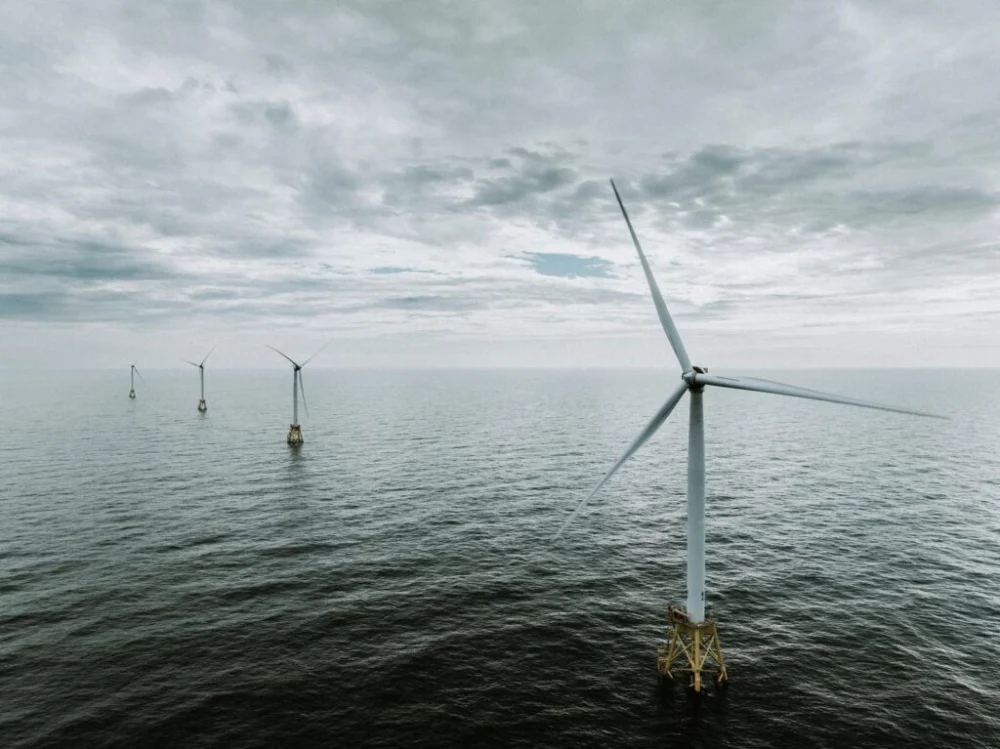
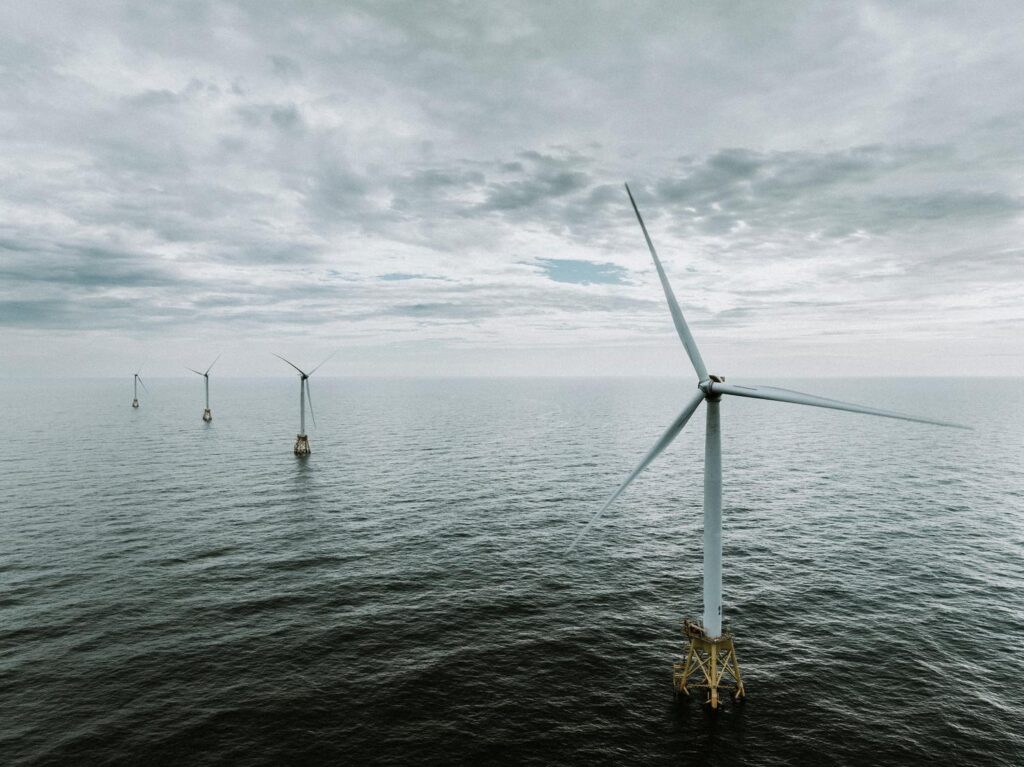
The Department of the Interior (DOI) recently issued orders to halt five fully permitted offshore wind projects that were already in various stages of construction. The affected projects—Vineyard Wind, Revolution Wind, Coastal Virginia Offshore Wind, Sunrise Wind, and Empire Wind—represent the vanguard of the American offshore wind industry. Collectively, these installations were expected to provide several gigawatts of clean electricity to the Eastern Seaboard, enough to power millions of homes.
The administration’s justification for the suspension centers on "national security" concerns. According to department officials, the projects’ locations and technical specifications require further review to ensure they do not interfere with military operations, radar systems, or maritime surveillance. However, the DOI has characterized these claims as classified, providing little public evidence to support the sudden reversal of previously granted permits.

Industry analysts note that the suspension comes at a critical time for the sector. Vineyard Wind, for instance, had already begun delivering power to the Massachusetts grid. The halting of construction mid-build creates significant financial risks for developers and investors who have already committed billions of dollars in capital. Beyond the immediate loss of projected energy capacity, the move signals a period of extreme regulatory uncertainty that could deter future investment in the U.S. "blue economy."
Threats to the National Center for Atmospheric Research (NCAR)
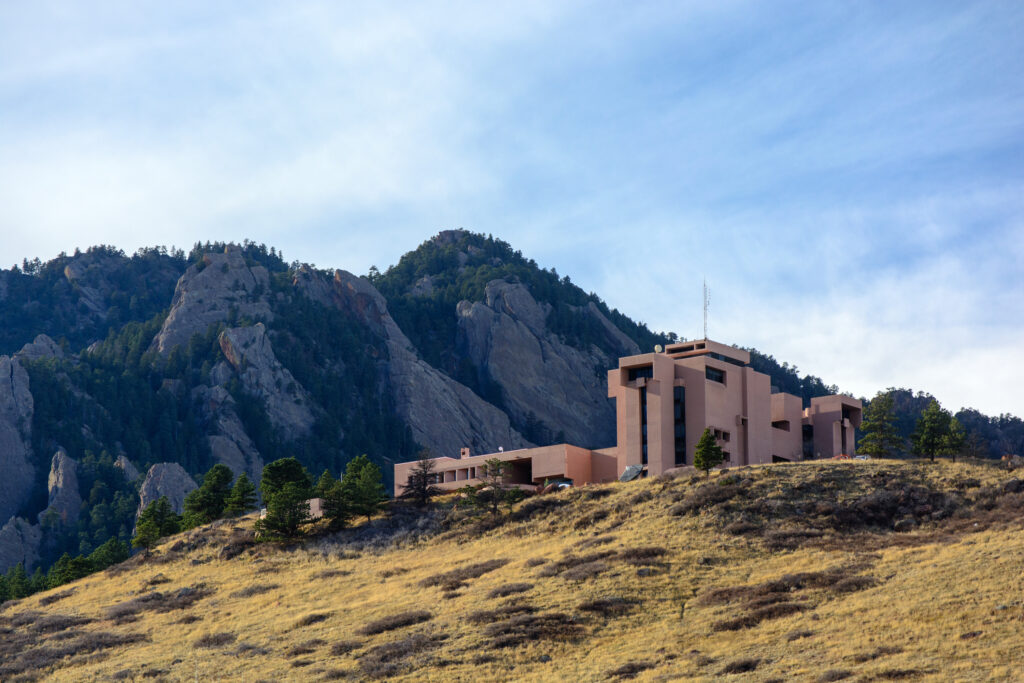
Parallel to the shifts in energy production is a direct challenge to the federal scientific apparatus. The administration has signaled its intent to potentially shut down or significantly defund the National Center for Atmospheric Research (NCAR) in Boulder, Colorado. Established in 1960 and managed by the University Corporation for Atmospheric Research (UCAR) under a cooperative agreement with the National Science Foundation (NSF), NCAR is a cornerstone of global climate and weather science.
NCAR provides the essential computational infrastructure and observational data used for extreme weather forecasting, wildfire behavior modeling, and long-term climate projections. Its work is utilized by a wide array of stakeholders, including the Department of Defense, the aviation industry, and municipal water managers across the American West.
The threat to NCAR’s operations is viewed by the scientific community as a move to undermine the data-driven basis for climate policy. If the center were to close, the loss of its long-term datasets and the disbanding of its Science Alliance would leave a significant void in the nation’s ability to predict and prepare for natural disasters. Critics argue that without the objective modeling provided by NCAR, the administration can more easily bypass environmental regulations that rely on scientific evidence of climate-related impacts.
Unprecedented Expansion of Offshore Drilling Leases
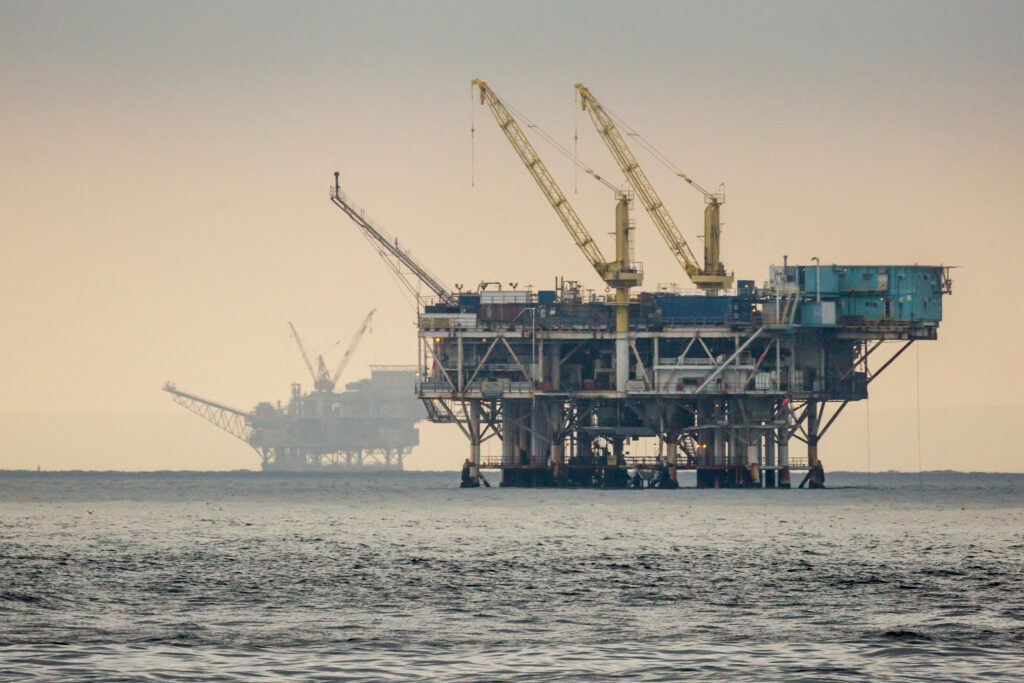
In one of the most expansive proposals in the history of the Department of the Interior, the administration has moved to open 1.27 billion acres of U.S. outer continental shelf waters to new oil and gas drilling. This proposal covers nearly the entirety of the U.S. coastline, including regions in the Atlantic, Pacific, and Arctic oceans, as well as the eastern Gulf of Mexico—areas that have been largely protected from drilling for decades.
This policy shift effectively reverses the 2024-2029 National Outer Continental Shelf Oil and Gas Leasing Program, which had limited new leases to a record low number. The new proposal seeks to maximize extraction to ensure "energy dominance." The geographic scope is particularly notable, as it includes the California coast, the Florida panhandle, and the sensitive waters of the Arctic, where environmental groups and local tourism industries have long fought against industrialization.
The environmental implications of such a vast expansion are substantial. Increased offshore extraction elevates the risk of catastrophic oil spills and significantly increases the nation’s long-term greenhouse gas emissions. Oceanographers also point out that offshore industrialization can disrupt marine ecosystems that regulate global weather patterns and support commercial fisheries.
Emergency Intervention at the Craig Generating Station
In a rare application of federal emergency authority, the U.S. Department of Energy (DOE) has ordered Unit 1 of the Craig Generating Station in Colorado to remain operational. The nearly 50-year-old coal-fired plant was scheduled for retirement as part of a long-negotiated transition toward renewable energy and natural gas. The DOE invoked Section 202(c) of the Federal Power Act, which allows the government to mandate the operation of power facilities during times of "war or emergency."
The timing of the order was particularly controversial, arriving just 24 hours before the plant’s scheduled closure. At the time of the order, Unit 1 was already offline due to a major mechanical failure, meaning the federal mandate effectively requires the utility to invest in costly repairs for a facility that is no longer economically viable.
Local utilities and Colorado state officials have expressed opposition to the move. They argue that the state’s grid is stable and that the forced operation of the Craig plant overrides years of integrated resource planning. The decision is expected to lead to higher costs for ratepayers, as coal-generated power from aging plants is currently more expensive than wind, solar, or modern natural gas alternatives. Furthermore, the decision complicates Colorado’s efforts to meet state-mandated air quality and carbon reduction goals.
Chronology of Policy Shifts (December – January)
- December 20: The Department of the Interior begins a formal review of offshore wind permits, citing undisclosed national security concerns.
- December 26: The Department of Energy issues the emergency order for Craig Generating Station Unit 1, citing potential grid instability despite utility assurances to the contrary.
- December 28: Leaked internal memos from the administration suggest a planned budgetary "re-evaluation" of NCAR and other climate-focused research institutions.
- January 2: The Bureau of Ocean Energy Management (BOEM) releases the draft proposal for the 1.27 billion-acre offshore drilling plan.
- January 5: Construction activities at the five major offshore wind sites are officially ordered to cease pending the results of the security review.
Analysis of Economic and Legal Implications
The administration’s actions have created a complex legal and economic landscape. By using "national security" and "emergency powers" as the primary vehicles for these changes, the executive branch is attempting to insulate its decisions from the standard administrative review process and judicial oversight.
From an economic perspective, the sudden pivot back to fossil fuels creates a "stranded asset" risk for the renewable energy sector. Companies that have invested in the domestic supply chain for wind turbine components, specialized vessels, and port infrastructure now face a period of forced inactivity. Conversely, the oil and gas sector sees a renewed opportunity for expansion, though industry experts warn that actual production in newly opened waters could take a decade or more to materialize, doing little to affect current energy prices.
Legal experts anticipate a wave of litigation. Environmental advocacy groups, such as the Surfrider Foundation and various coastal states, have already signaled intentions to challenge the offshore drilling proposal. Similarly, the use of the Federal Power Act at the Craig plant may be challenged on the grounds that no actual "emergency" existed to justify the intervention.
Broader Impact on Climate and Communities
The convergence of these policies signals a withdrawal from international climate commitments, such as the Paris Agreement goals. By halting renewable projects while simultaneously expanding fossil fuel extraction and protecting coal plants, the administration is effectively locking in a higher carbon emissions trajectory for the coming decades.
The impacts are expected to be felt most acutely by frontline communities. Coastal regions face the dual threat of increased industrial pollution from drilling and the loss of economic benefits from the nascent wind industry. In the interior West, the potential loss of NCAR’s wildfire modeling and the continued emissions from coal plants like Craig pose direct risks to public health and the stability of the outdoor recreation economy.
As the 2026 midterm elections approach, these energy policies are likely to become a central point of political contention. For now, the administration continues to move forward with its "energy dominance" agenda, reshaping the American landscape and the nation’s role in the global energy transition.
