

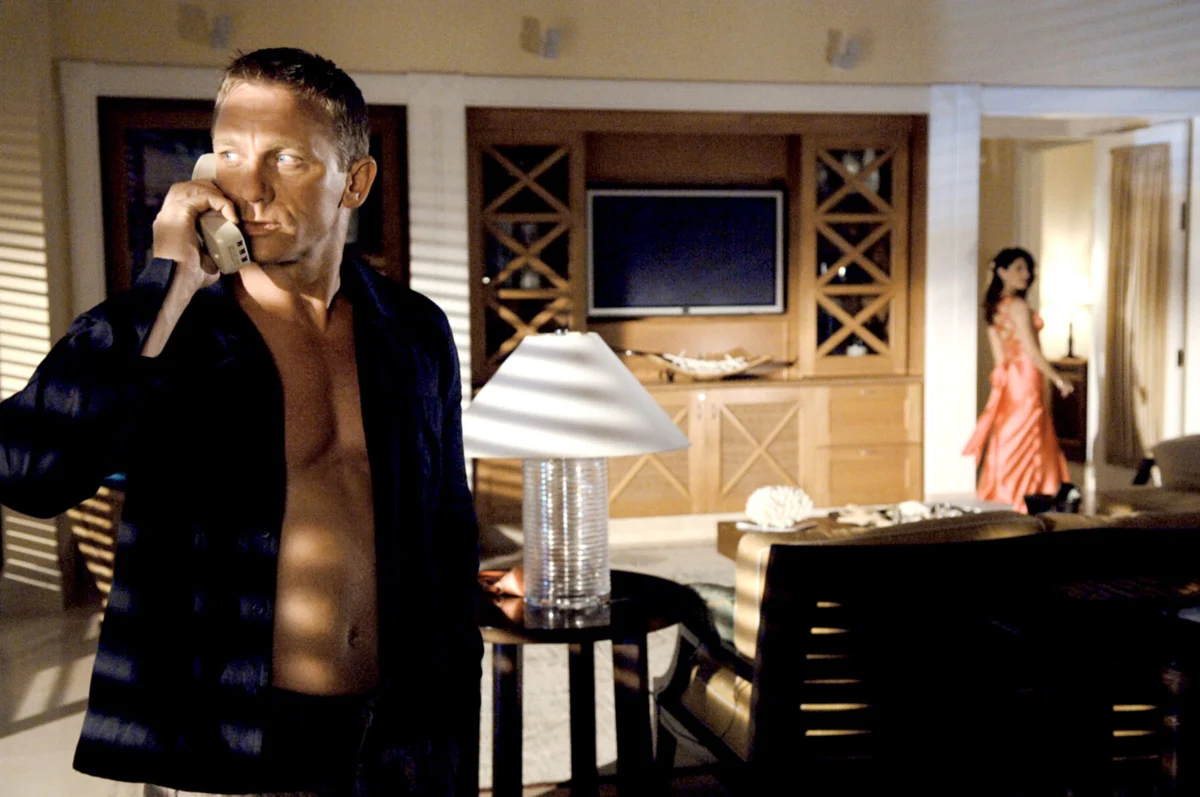
The James Bond film series, a cornerstone of cinematic espionage for over six decades, has consistently captivated global audiences with its blend of high-octane action, exotic locales, and a charismatic, tuxedo-clad secret agent. While the franchise, now boasting 25 official installments released since its inception, is often a target for critique due to recurring tropes such as dated humor, questionable portrayals of women, and formulaic plot devices, a select group of films stand out as exceptional examples of the genre. These are the entries that transcend the typical Bond formula, offering compelling narratives, innovative filmmaking, and performances that have cemented their place in cinematic history. Following the recent announcement of Robert Pattinson as the next actor to embody the iconic 007, this exploration delves into eight of the most critically and commercially successful James Bond films, highlighting their enduring appeal and contribution to the enduring legacy of the world’s most famous spy.
The Genesis of a Phenomenon: Dr. No (1962)
The film that ignited the global phenomenon, Dr. No, released in 1962, set the definitive template for the James Bond franchise. Directed by Terence Young, this inaugural adventure introduced audiences to Sean Connery’s suavely enigmatic James Bond, an operative tasked with investigating the disappearance of a British agent in Jamaica. The film’s aesthetic, characterized by its vibrant Caribbean setting, Ursula Andress’s iconic bikini-clad debut as Honey Ryder, and the sophisticated yet menacing presence of Joseph Wiseman’s titular villain, established the visual and thematic language that would define subsequent Bond films. Its success was immediate and substantial, grossing approximately $59.5 million worldwide against a modest production budget of $2 million, a testament to its immediate impact and the birth of a cultural icon. Dr. No not only laid the groundwork for the espionage thriller subgenre but also created a blueprint for global blockbusters that prioritized exotic locales, alluring "Bond girls," and a formidable antagonist.
The Quintessential Bond: Goldfinger (1964)
Considered by many to be the definitive James Bond film, Guy Hamilton’s Goldfinger (1964) solidified the franchise’s formula for success and remains a benchmark for the series. The film features Sean Connery in his most celebrated outing as Bond, facing off against the larger-than-life Auric Goldfinger, portrayed by Gert Fröbe. The iconic exchange, "Do you expect me to talk?" "No, Mr. Bond, I expect you to die!" between Bond and Goldfinger is etched into cinematic lore. Beyond its memorable villain, Goldfinger introduced key elements that became franchise staples: a thrilling and memorable theme song, performed by Shirley Bassey, which became a massive hit; the introduction of the unforgettable henchman Oddjob, with his lethal bowler hat; and a compelling narrative centered around a villain’s elaborate scheme to disrupt the global economy. The film’s blend of witty dialogue, inventive gadgets, thrilling action sequences, and the introduction of Honor Blackman as the formidable Pussy Galore, an ally who eventually turns against Goldfinger, propelled it to unprecedented commercial success, earning over $124.9 million globally. Its innovative approach to action and character development, coupled with a keen understanding of audience appeal, made Goldfinger a critical and commercial triumph, profoundly influencing the spy genre for decades to come.
A Romantic Detour: On Her Majesty’s Secret Service (1969)
In a notable departure from the established order, George Lazenby stepped into the role of James Bond for a single, yet remarkable, installment: On Her Majesty’s Secret Service (1969). Directed by Peter R. Hunt, this film is distinguished by its more romantic and emotionally resonant narrative. It portrays Bond not merely as a womanizer, but as a spy who finds himself genuinely falling in love with Tracy di Vicenzo, played with captivating intensity by Diana Rigg. This emotional depth, a rarity in the franchise, adds a layer of vulnerability to the character, making his eventual fate all the more poignant. The film also boasts some of the most thrilling and innovative ski chase sequences ever captured on film, showcasing Hunt’s directorial prowess in delivering exhilarating action. However, it is the film’s devastatingly tragic ending, a moment of profound loss for Bond, that elevates it to a status of profound cinematic impact. Despite initial mixed reactions from some critics and audiences accustomed to Connery’s portrayal, On Her Majesty’s Secret Service has since been re-evaluated and is now widely recognized for its bold narrative choices, exceptional action, and its significant emotional resonance, offering a unique and poignant chapter in the Bond saga.
Campy Spectacle and a Memorable Menace: The Spy Who Loved Me (1977)
Roger Moore’s tenure as James Bond, while spanning seven films, is often characterized by a more lighthearted and often campy approach. Among his outings, The Spy Who Loved Me (1977), directed by Lewis Gilbert, stands out as a particularly successful and entertaining example. The film embraces its over-the-top nature with a grand, globe-trotting plot involving the theft of British and Soviet nuclear submarines by the megalomaniacal Karl Stromberg. The film’s enduring appeal lies in its spectacular set pieces, including a daring escape from a pursuing helicopter and the iconic Lotus Esprit submarine car. However, the true standout is Richard Kiel’s unforgettable portrayal of the towering, steel-toothed henchman Jaws. Initially conceived as a disposable antagonist, Jaws proved so popular with test audiences that his fate was rewritten, allowing him to survive and become a recurring figure. Barbara Bach also delivers a strong performance as Anya Amasova, a formidable KGB agent who becomes Bond’s reluctant ally and romantic interest. The film’s blend of classic Bond adventure with a heightened sense of spectacle and a truly iconic villain solidified its status as one of the more beloved and commercially successful films of the Moore era, grossing over $185.4 million worldwide.
A Grittier Bond Emerges: The Living Daylights (1987)
Timothy Dalton’s brief but impactful stint as James Bond brought a much-needed grit and intensity to the character. His first outing, The Living Daylights (1987), directed by John Glen, is a prime example of this revitalized approach. In contrast to the more flamboyant styles of his predecessors, Dalton’s Bond was more brooding, physically capable, and emotionally grounded. The film’s plot, involving a complex international conspiracy and a daring mission to protect a Soviet general, is executed with a visceral energy and a commitment to realistic stunts, a hallmark of Glen’s directorial style. The film features some of the most ambitious action sequences of the era, including a breathtaking truck chase across the icy landscape of Czechoslovakia. Maryam d’Abo provides a compelling performance as Kara Milovy, a cellist drawn into Bond’s dangerous world, adding a significant emotional counterpoint to the espionage. The film’s synthesizer-heavy score, characteristic of the 1980s, further enhances its dynamic atmosphere. Despite being criminally under-seen by some critics at the time, The Living Daylights is now celebrated for its superior action, Dalton’s compelling performance, and its successful shift towards a more grounded portrayal of the iconic spy, paving the way for future developments in the franchise.
The Reboot and the Reinvention: GoldenEye (1995)
Following a six-year hiatus after the perceived decline in quality of the later Timothy Dalton films, the James Bond franchise experienced a significant resurgence with GoldenEye (1995). Directed by Martin Campbell, this film marked Pierce Brosnan’s debut as 007 and introduced a new era for the series, blending classic Bond elements with contemporary sensibilities. The film’s success can be attributed to a confluence of factors, including Brosnan’s charisma and suave demeanor, which effectively bridged the gap between Connery’s gravitas and Moore’s charm. The introduction of Judi Dench as the formidable M, a stern and authoritative figure who immediately challenged Bond’s authority, provided a fresh dynamic. The film also boasted a memorable villain in Sean Bean’s 006, a former ally turned traitor, and a captivatingly villainous performance from Famke Janssen as Xenia Onatopp. Supporting cast members like Robbie Coltrane and Alan Cumming added further depth and texture to the narrative. GoldenEye was a critical and commercial triumph, grossing over $352.1 million worldwide and re-establishing the franchise’s relevance for a new generation of moviegoers. It successfully modernized the Bond formula, delivering thrilling action, sophisticated espionage, and a compelling storyline that revitalized the series.
The Pinnacle of Grit and Gloss: Casino Royale (2006)
Many critics and fans alike consider Martin Campbell’s Casino Royale (2006) to be the finest film in the James Bond canon. This film not only served as Daniel Craig’s inaugural outing as the titular spy but also as a bold reboot of the franchise, stripping away some of the more fantastical elements and grounding the character in a raw, visceral reality. Craig’s portrayal of Bond is characterized by a palpable intensity and a more brutal, physically demanding approach to espionage. The film masterfully balances its gritty realism with the inherent gloss and spectacle expected of a Bond film. Eva Green delivers a standout performance as Vesper Lynd, Bond’s complex and ultimately tragic love interest, while Mads Mikkelsen is chilling as the cold-blooded antagonist Le Chiffre. The narrative, based on Ian Fleming’s first Bond novel, meticulously traces Bond’s early days as a newly promoted 00 agent, exploring his development and the emotional scars that shape him. The high-stakes poker game at the heart of the film, set against the backdrop of a lavish Venetian casino, is a masterclass in suspense. Casino Royale earned widespread critical acclaim for its sophisticated storytelling, intense action sequences, and Craig’s transformative performance, revitalizing the franchise and setting a new standard for the spy genre.
A Spectacular Swan Song: Skyfall (2012)
Sam Mendes’s Skyfall (2012) represents a monumental achievement in the James Bond franchise, offering a visually stunning and emotionally resonant exploration of the character’s legacy and vulnerability. The film, which earned an Academy Award for Best Original Song for Adele’s haunting title track, delves into Bond’s past and his relationship with M, exploring the aging of an iconic figure in a rapidly changing world. The narrative unfolds with a gripping intensity, opening with a perilous chase sequence that immediately sets a high-stakes tone. The film’s visual design is breathtaking, with cinematographer Roger Deakins earning an Oscar nomination for his work. Javier Bardem delivers a captivating performance as the formidable villain Raoul Silva, a cyber-terrorist with a deeply personal vendetta against M. Skyfall successfully integrates classic Bond elements, such as thrilling action and exotic locales, with a more introspective and character-driven approach. The film’s climax, set in the Scottish Highlands at Bond’s ancestral home, provides a powerful and poignant conclusion to the narrative. Skyfall stands as a testament to the enduring power of the Bond franchise, proving that it can still deliver spectacular cinema while simultaneously pushing the boundaries of its well-worn formula, leaving audiences eager for what comes next. The anticipation for future installments, particularly with the recent appointment of new talent to the helm, suggests that the legacy of James Bond is far from over.
