

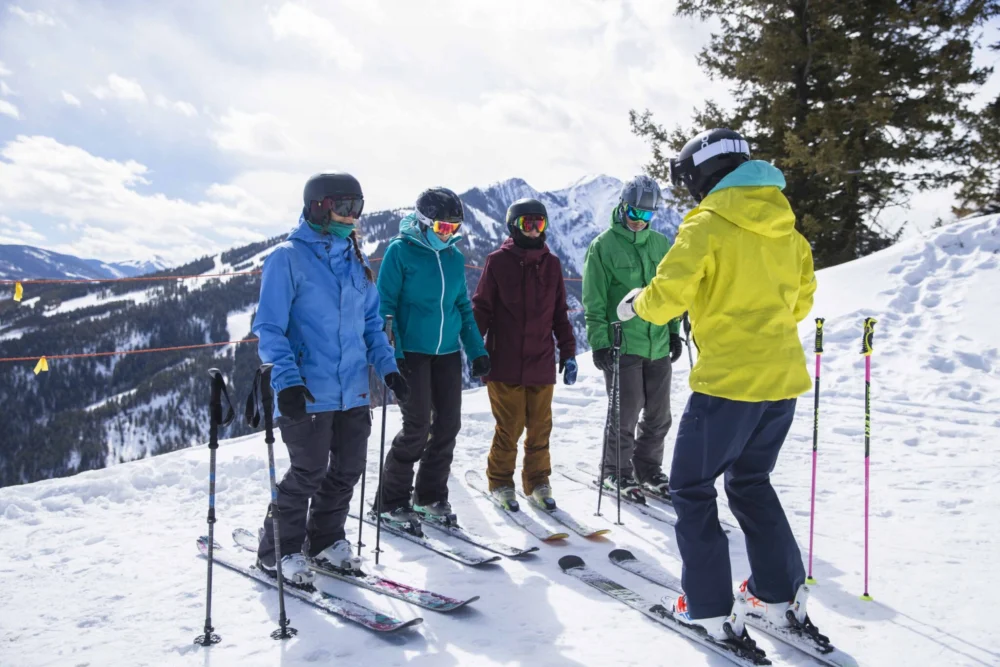
January marks National Ski Safety Awareness Month, an annual initiative spearheaded by the National Ski Areas Association (NSAA) to underscore the critical importance of responsibility, vigilance, and common sense across snow-covered mountains nationwide. This annual observance serves as a vital reminder that safety in snowsports transcends mere adherence to regulations; it is meticulously cultivated through comprehensive education, a shared cultural understanding, and collective responsibility among all participants. The Professional Ski Instructors of America and American Association of Snowboard Instructors (PSIA-AASI) has long championed this philosophy, embedding "Safety, Fun, and Learning" as the foundational motto guiding instructors across all disciplines. Certified professionals are rigorously trained to exemplify the Responsibility Code, adeptly manage speed and personal space, and ensure the well-being of their students and surrounding guests. However, the escalating complexities of modern mountain environments necessitate a broader, more integrated approach, extending beyond the capabilities of instructors alone.
The Evolving Landscape of Mountain Safety Challenges
Contemporary slope safety challenges frequently arise not from a deficiency in skill, but rather from a critical breakdown in awareness. Behaviors such as excessive speed in congested zones, operating out of control, and failing to maintain adequate space around others significantly elevate the risk of incidents. For many guests, the mountain already presents inherent stressors: unpredictable snow conditions, variable weather, challenging terrain, and concerns about personal ability. The introduction of potential collision anxiety into this equation can dramatically heighten stress levels, thereby diminishing confidence, overall enjoyment, and the quality of the snowsports experience. Fundamentally, effective slope safety aims to mitigate unnecessary anxieties, fostering an environment where all individuals can share and enjoy the mountain harmoniously.
The urgency of these challenges is underscored by national statistics. The NSAA reports millions of skier visits annually, with the 2022-2023 season alone seeing approximately 60.7 million visits across U.S. resorts. While skiing and snowboarding remain remarkably safe sports, with an average of around 2.5 injuries per 1,000 skier visits, collisions account for a significant portion of these incidents. Over the past decade, the industry has averaged approximately 40 fatalities per season. These figures, while relatively low given the volume of participants, highlight the persistent need for enhanced safety measures and awareness campaigns. The increasing popularity of snowsports, coupled with advancements in equipment technology that allow for greater speeds and maneuverability, further amplifies the need for vigilance and a proactive safety culture.
Steamboat Resort’s Pioneering Mountain Safety Team
In a significant stride toward addressing these modern mountain dynamics, Steamboat Resort in Colorado has proactively launched a dedicated Mountain Safety Team this season. This initiative, informed by extensive guest feedback and a clear-eyed understanding of current operational realities, marks an intentional and focused commitment to elevating guest safety. Dave Schuiling, PSIA-AASI Director of Education & Credentialing, who lives and works in Steamboat and actively participates in instructor training and guest lessons, observes firsthand the positive impact of this new team.
Nelson Wingard, Vice President of Mountain Sports at Steamboat Resort and a distinguished alumnus of the PSIA-AASI National Team, articulated the growing imperative to allocate focused resources to guest safety. Wingard noted that guest safety consistently ranks as one of the most frequently cited categories in the resort’s feedback channels. Historically, ski patrol has borne the primary responsibility for enforcing safety regulations on the mountain. While this core duty remains sacrosanct, Wingard acknowledged the increasing strain on patrol teams, whose paramount duty of care revolves around injury response and emergency medical management. He emphasized that patrol’s first priority must always be the immediate care of injured guests. The introduction of a dedicated Mountain Safety Team provides crucial support to patrol, working in concert with other vital departments such as resort ambassadors and the snowsports school. This multi-departmental collaboration creates a more robust and visible emphasis on guest well-being. Since its inception, even amidst limited early-season terrain and substantial guest traffic, the initiative has garnered overwhelmingly positive responses from guests who appreciate the resort’s tangible commitment to their safety.
Safety as an Integral Component of Guest Experience
Corey Peterson, Vice President of Mountain Operations, identified guest experience as a principal catalyst behind the establishment of the Mountain Safety Team. For Peterson, safety is not merely a component of guest experience; it is inextricably linked to it. "Increasing guest safety on the mountain leads directly to a better, more positive overall guest experience," Peterson underscored. He champions a resort-wide, team-centric approach, fostering a philosophy where every employee recognizes safety as a universal responsibility. Under this comprehensive framework, the Mountain Safety Team actively collaborates with the snowsports school, ski patrol, guest ambassadors, lift operations, and other departments, ensuring consistent messaging and alignment toward shared safety objectives. This intentional, cross-departmental synergy is pivotal. When guests encounter a unified safety message, delivered consistently by instructors, patrollers, lift operators, and safety team members, it begins to profoundly shape the resort’s operational culture.
Education, Awareness, and Community Engagement: Beyond "Speed Police"
Chia Basinger, Manager of the Mountain Safety Team, reinforced a central theme echoed by all resort leaders: this initiative transcends the simplistic role of being mere "speed police." Instead, its core mission is centered on education, awareness, and fostering genuine community connection. The team diligently works to help guests comprehend how their actions can be perceived by others, particularly how factors like speed, proximity, and unpredictable movements can generate anxiety for those in their vicinity, even in the absence of an actual collision. Basinger firmly believes that a harmonious shared experience on busy mountains is achievable when guests actively acknowledge and embrace their role in co-creating that environment. This enlightened approach reframes safety discussions, transforming potential confrontations into collaborative dialogues focused on mutual respect and understanding.

The philosophical underpinnings of the Mountain Safety Team are crystallized in their guiding mantra: "Space and Speed." Aaron Sanford, one of two full-time Mountain Safety Team supervisors, articulates this principle with powerful simplicity. The overarching goal is to cultivate a pervasive culture of safety through ongoing education, heightened awareness, and, when absolutely necessary, judicious enforcement. Sanford brings a unique and invaluable perspective to his role, having previously served as an instructor and winter sports club coach. He dedicated years to coaching U13 and U15 athletes, intentionally instilling in them the importance of being role models—demonstrating control, respecting fellow skiers and riders, and understanding that advanced performance inherently carries significant responsibility. Today, Sanford reports that the vast majority of guests he interacts with express overwhelming positivity about the program and profound appreciation for the resort’s dedicated focus on ensuring everyone’s safety.
Fostering a Culture of Responsibility: The Role of Youth Clubs
One of the most compelling and forward-thinking aspects of Steamboat’s comprehensive approach is its deep engagement with the Steamboat Springs Winter Sports Club (SSWSC). A long-standing perception at many resorts often associates athletes in club jackets with high speeds and, at times, perceived recklessness. Whether this perception is entirely accurate or not, its existence undeniably impacts the overall mountain environment. What sets Steamboat apart is its direct and proactive engagement with this issue through open communication and strategic partnership. The Mountain Safety Team has actively connected with SSWSC coaches and athletes, consistently reinforcing the crucial message that exceptional skill must be paired with exemplary responsibility.
By virtue of their high visibility and advanced abilities, young athletes possess a unique opportunity to lead by example, consistently demonstrating superior control, courtesy, and acute awareness in all public areas of the resort. This initiative aligns seamlessly with the evolving mandate of U.S. Ski & Snowboard Coaches Education, which increasingly recognizes coaches not solely as developers of athletic performance, but as pivotal cultural leaders. Teaching proper mountain etiquette, the comprehensive application of the Responsibility Code beyond designated training venues, and professional conduct on open terrain are now considered essential components of athlete development. When young athletes are empowered to understand that true excellence encompasses both technical prowess and a deep commitment to awareness and respect, they transform from potential sources of conflict into powerful ambassadors for the sport, fostering a more harmonious and safer mountain community. The SSWSC leadership has embraced this partnership, viewing it as a critical extension of their mission to develop not only elite athletes but also responsible citizens and role models.
Technological Advancements, Grooming, and Modern Risk Factors
Beyond human behavior, several other significant factors contribute to the evolving landscape of slope safety, notably equipment technology and sophisticated slope preparation through grooming. Modern skis, snowboards, and boots offer many guests unprecedented capabilities for speed, stability, and navigating diverse terrain – often pushing beyond the limits of their actual skill sets or sound decision-making abilities. This technological edge can inadvertently cultivate a false sense of security. Consequently, understanding the requisite space for maneuvering, when to prudently reduce speed, and how to effectively avoid close proximity to others has become more critical than ever before.
Furthermore, advanced grooming techniques can present perfectly smooth, inviting slope pitches that encourage guests to descend at speeds or on gradients beyond their true control levels. The foundational first point of the Responsibility Code unequivocally states: "Always stay in control." It is crucial to clarify that "control" encompasses more than just maintaining balance; it demands managing speed, direction, and stability, enabling a skier or rider to stop, turn, and adapt instantaneously to changing terrain and conditions, all while maintaining constant awareness of those around them. The educational framework surrounding "space and speed" must therefore continually evolve in parallel with advancements in equipment and grooming practices to ensure its continued relevance and efficacy.
Learning from Industry Leaders and Future Expansion
While Steamboat’s Mountain Safety Team is a new addition this season, its development was far from isolated. The resort meticulously studied and drew inspiration from established and successful programs at other prominent resorts, including Mammoth Mountain, Palisades Tahoe, Copper Mountain, and Vail, when designing its comprehensive approach. Currently, the program comprises seven dedicated paid employees and 28 committed volunteers, with ambitious plans to at least double the team’s size in the coming years. This planned expansion serves as a clear indication of both the early successes observed and the resort’s steadfast, long-term commitment to enhancing mountain safety. Industry analysts suggest that Steamboat’s comprehensive, community-focused initiative could serve as a vital blueprint for other resorts grappling with similar challenges, signaling a proactive shift in mountain management that prioritizes guest well-being and a positive overall experience.
A Shared Commitment for a Sustainable Future
Ultimately, slope safety is not the exclusive domain or responsibility of any single group or entity. It represents a profound, shared commitment that must be embraced by instructors, ski patrollers, coaches, all resort staff, club athletes, and, crucially, every guest who steps onto the snow. PSIA-AASI remains steadfast in its dedication to developing instructors who exemplify leadership through their actions—modeling impeccable control, unwavering courtesy, and genuine care for fellow mountain users. Steamboat Resort deserves commendation for its substantial investment in an education-driven safety culture and for vividly demonstrating how a community-based, collaborative approach can significantly enhance the guest experience for everyone.
Ensuring our cherished slopes remain safe and enjoyable for all will undeniably require a concerted, industry-wide effort to genuinely "move the needle" on safety perceptions and practices. As we collectively observe National Ski Safety Awareness Month, the call to action is clear: let us continue to work synergistically, fostering environments where the principles of Safety, Fun, and Learning not only coexist but flourish, guaranteeing the sustainable enjoyment of snowsports for generations to come. This proactive stance by resorts like Steamboat reinforces the idea that safety is not a limitation to fun, but rather its essential foundation, allowing everyone to confidently explore and appreciate the majesty of the mountains.
