

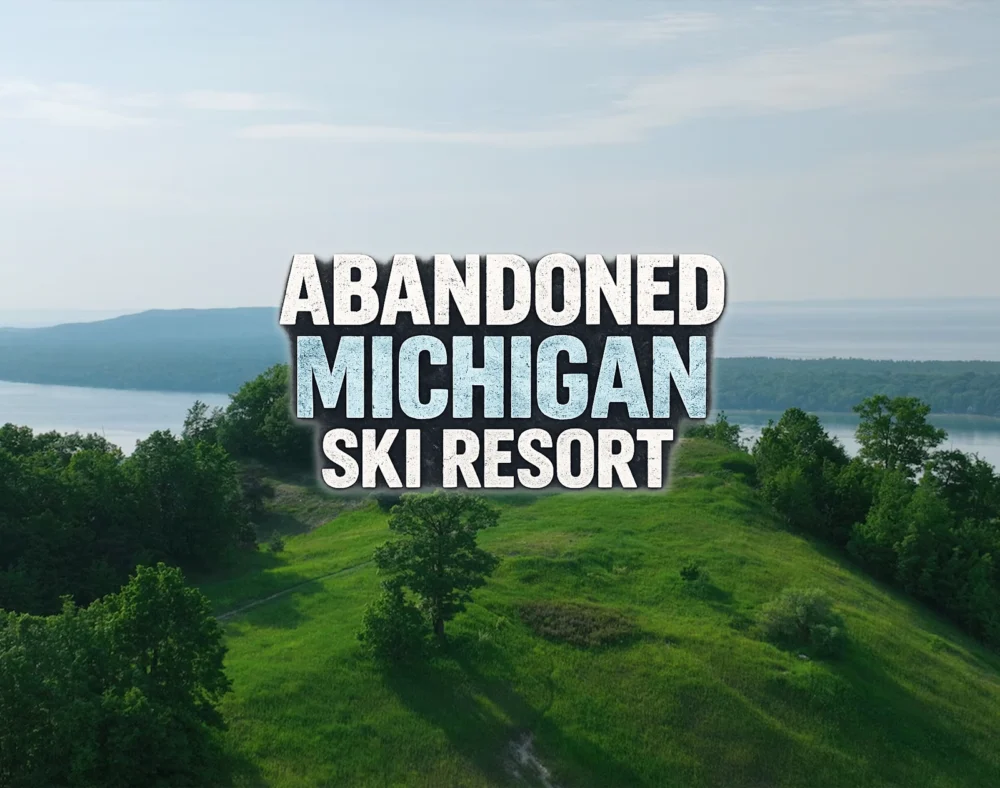
In a significant move that promises to redefine the recreational landscape of Northern Michigan, the Leelanau Conservancy has successfully finalized the acquisition of the former Sugar Loaf ski resort property. This landmark $8 million acquisition, funded through a dedicated and extensive fundraising campaign, marks the end of a decades-long period of dormancy for the once-prominent ski destination. The 288-acre parcel, located near Suttons Bay, is slated for transformation into a publicly accessible outdoor recreation area, heralding a new era for the site that once buzzed with winter sports enthusiasts.
From Ski Slopes to Multi-Use Trails: A New Vision for Sugar Loaf
The revitalized Sugar Loaf will not see a return of chairlifts or groomed ski runs. Instead, the Leelanau Conservancy’s vision centers on creating a year-round trail network designed to cater to a diverse range of outdoor activities. Plans include extensive opportunities for hiking, mountain biking, and cross-country skiing. Furthermore, the area is being developed to support backcountry travel, a sledding hill, dedicated nature play areas for families, and a summit pavilion offering panoramic vistas of Lake Michigan. This strategic shift reflects a growing trend in land conservation and recreation, prioritizing ecological restoration and diverse, low-impact public access.
The project represents a comprehensive approach to land management, balancing conservation goals with the desire to provide accessible outdoor experiences. The conservancy’s commitment to ecological restoration is paramount. This includes the removal of invasive plant species that have encroached upon the land during its period of vacancy, stabilization of soils to prevent erosion, and initiatives to improve water quality within the watershed. These efforts are crucial for preserving the natural beauty and ecological health of the region.
A Storied Past: The Rise and Fall of Sugar Loaf
Sugar Loaf’s history is deeply intertwined with the cultural and economic fabric of Leelanau County. Established in 1947, the ski resort quickly grew to become one of Northern Michigan’s premier winter destinations, particularly during its peak in the 1970s and 1980s. At its zenith, Sugar Loaf was not just a recreational hub but also a significant economic engine, at one point serving as the largest employer in Leelanau County. Its slopes attracted skiers from across the Midwest, drawn by its challenging terrain and picturesque setting.
The resort’s fortunes began to shift, however. Following its closure in 2000, the property fell into a prolonged state of disrepair. The once-vibrant ski lodges, hotels, and other facilities succumbed to the elements, leaving a significant blight on the landscape. Numerous attempts at redevelopment over the years failed to materialize, leaving the future of the iconic site uncertain.
Philanthropic Intervention and Community Support
A critical turning point in the property’s narrative came through the quiet intervention of the Edmund F. and Virginia B. Ball Foundation. This philanthropic organization recognized the potential of the site and provided crucial funding for the demolition of the dilapidated hotel and other derelict structures. This essential preparatory work cleared the way for the site’s eventual transfer to the Leelanau Conservancy.
The conservancy’s $8 million fundraising effort was a testament to strong community backing and the shared desire to see Sugar Loaf repurposed for public good. This substantial financial undertaking highlights the deep connection residents and supporters feel to this piece of Northern Michigan heritage. The success of this campaign underscores a collective commitment to preserving natural spaces and ensuring their availability for future generations.

A New Chapter: Restoration and Public Access
The focus of the Leelanau Conservancy now shifts to the meticulous restoration of the landscape. This phase involves extensive ecological work, including the removal of invasive species that have proliferated during the property’s abandonment. Efforts to stabilize soils and improve water quality are also integral to the restoration plan, aiming to enhance the natural health and resilience of the 288-acre parcel.
Simultaneously, the conservancy is actively planning for public access. While the property is not yet open to visitors, officials have indicated that detailed plans for volunteer opportunities and phased public access will be announced later this year. This phased approach will likely allow for continued restoration efforts while gradually introducing the public to the developing recreational amenities.
Broader Implications for Regional Recreation and Conservation
The transformation of Sugar Loaf from a defunct ski resort into a multi-use public recreation area has significant implications for Leelanau County and the broader Northern Michigan region. It addresses a growing demand for outdoor recreational opportunities that are accessible, environmentally sustainable, and cater to a wider range of interests beyond traditional winter sports.
Supporting Data and Trends:
- Growth in Outdoor Recreation: National trends indicate a sustained increase in participation in outdoor recreation. According to the Outdoor Industry Association, outdoor recreation contributes over $887 billion annually to the U.S. economy and supports 7.6 million jobs. This project aligns with and aims to capitalize on this growing sector.
- Conservation Land Use: The acquisition and repurposing of previously developed or abandoned land for conservation and recreation is a key strategy in modern land management. This approach preserves undeveloped natural areas while providing public benefits.
- Economic Diversification: The development of new recreational attractions can diversify local economies, attracting visitors and supporting local businesses. The multi-use nature of the Sugar Loaf site is expected to draw a wider demographic of visitors throughout the year, potentially boosting tourism outside of traditional peak seasons.
Analysis of Implications:
The Sugar Loaf project exemplifies a forward-thinking approach to land stewardship. By prioritizing ecological restoration and diverse recreational uses, the Leelanau Conservancy is creating a lasting legacy that benefits both the environment and the community. The decision to forgo lift-served skiing and instead focus on non-motorized and low-impact activities signals a commitment to sustainability and a recognition of evolving recreational preferences.
This initiative also serves as a model for other communities facing similar challenges with abandoned recreational sites. The success of the fundraising campaign demonstrates the power of community engagement and philanthropic support in achieving ambitious conservation and public access goals.
Inferred Statements and Reactions:
While direct quotes from all parties involved are not available in the provided text, the actions themselves speak volumes. The Leelanau Conservancy’s commitment, evidenced by the substantial financial undertaking and the detailed planning for restoration and public access, suggests a deep belief in the project’s value. The support from the Edmund F. and Virginia B. Ball Foundation highlights the critical role of private philanthropy in enabling such transformative projects. The enthusiastic response from the public, implied by the successful fundraising, indicates a widespread appreciation for preserving and enhancing local natural resources.
The Future of Sugar Loaf
The property is not yet open to the public, but the anticipation for its unveiling is palpable. The Leelanau Conservancy plans to provide further updates on volunteer opportunities and the timeline for public access later in the year. For a site that has stood silent for so long, its next chapter promises to be one of vibrant activity, ecological renewal, and enduring public enjoyment. The resurrection of Sugar Loaf, reimagined as a sanctuary for outdoor pursuits and a testament to the power of community vision, marks a significant and hopeful development for Northern Michigan. The transformation from a dormant ski resort to a thriving public recreation area signifies a profound return to the land’s intrinsic value and its potential to enrich the lives of all who seek its embrace.
