

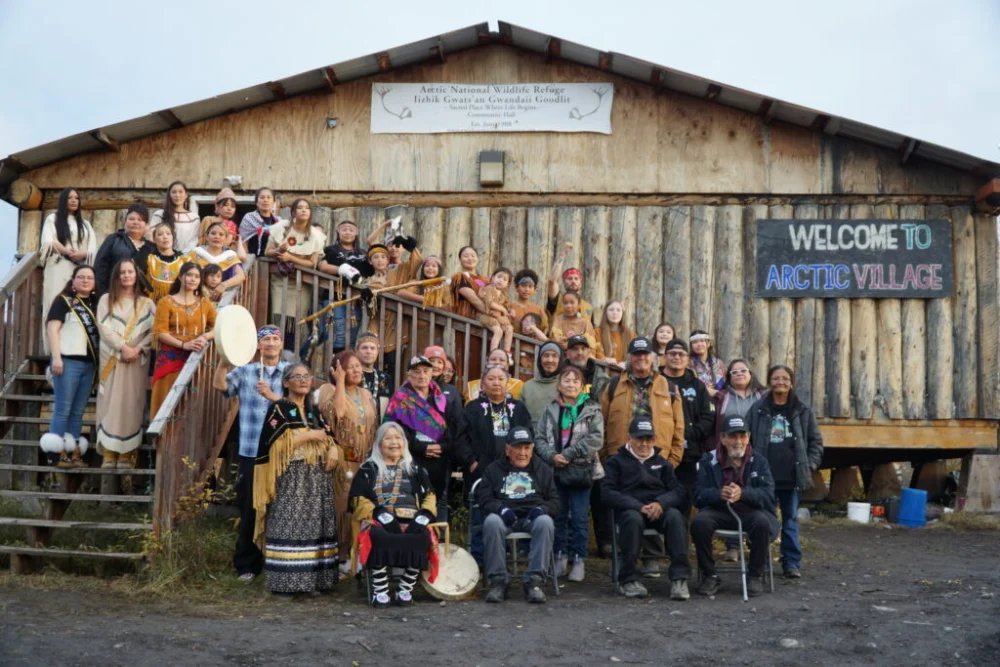
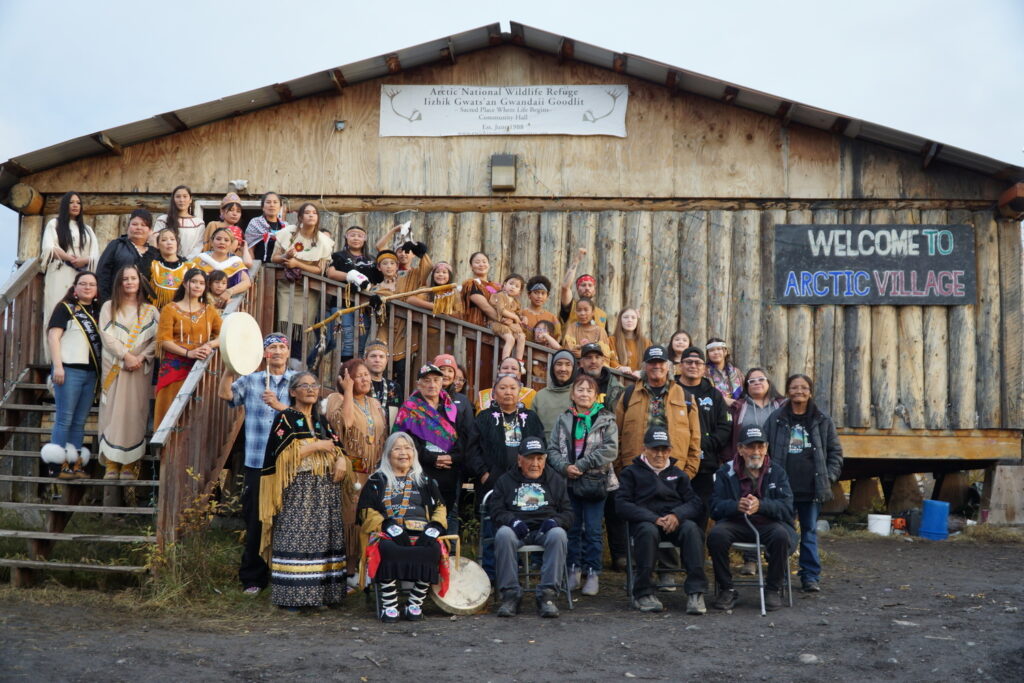
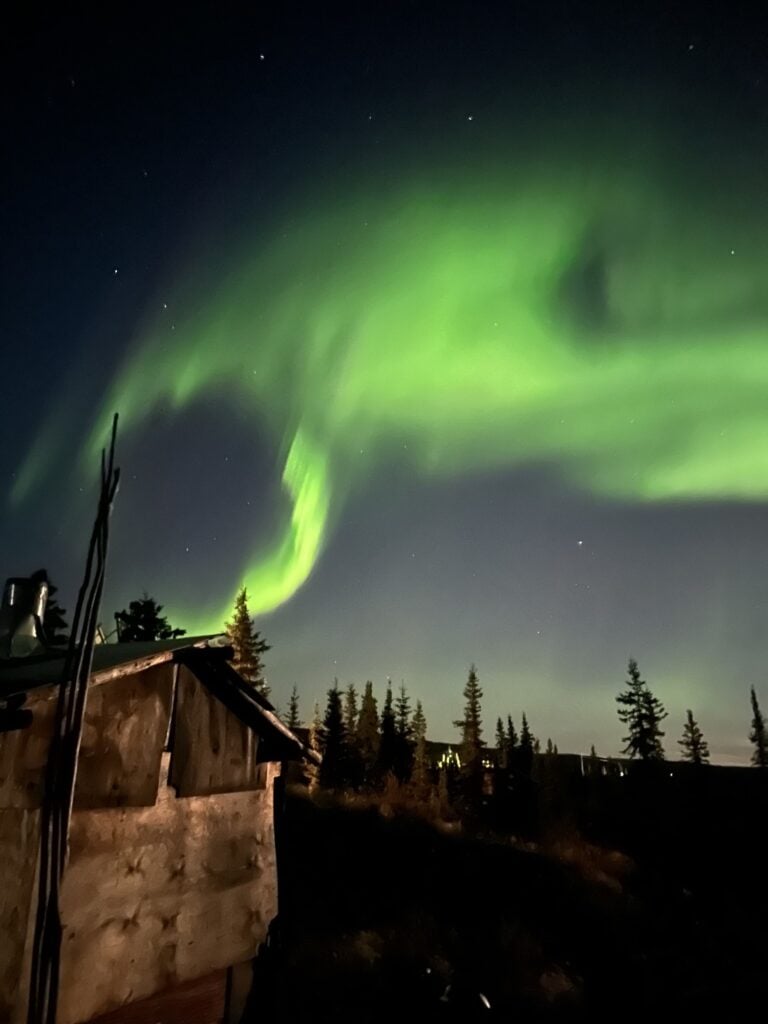
In early September, Brennan Lagasse, a professor of sustainability at the University of Nevada, Reno at Lake Tahoe and a member of the Protect Our Winters (POW) Creative Alliance, traveled to the remote settlement of Vashraii K’oo, also known as Arctic Village, Alaska. His journey was prompted by an urgent invitation from the Gwich’in Nation to attend an emergency gathering focused on the escalating threats to the Arctic National Wildlife Refuge (ANWR). This assembly of tribal leaders, elders, and allies was convened to address the imminent prospect of seismic exploration—a precursor to oil drilling—within the refuge’s 1.5-million-acre Coastal Plain. As the Gwich’in people assert their ancestral rights to the land they call "Izhik Gwats’an Gwandad Cho" (The Sacred Place Where Life Begins), the gathering served as both a cultural reaffirmation and a strategic mobilization against industrial encroachment.
The primary concern discussed during the four-day event was the invasive nature of seismic exploration. According to technical data provided by the Alaska Wilderness League, this process involves the deployment of massive "thumper" trucks weighing up to 90,000 pounds. These vehicles, which exert more pressure on the ground than a herd of African elephants, are driven across the fragile permafrost and tundra to map underground oil reserves using sonic vibrations. The environmental impact of such operations is often permanent; the heavy treads and weight of the machinery can leave lasting scars on the landscape, disrupting the delicate thermal balance of the permafrost and permanently altering the hydrology of the region. For the Gwich’in, these physical scars represent a desecration of sacred grounds and a direct threat to the Porcupine caribou herd, which relies on the Coastal Plain for its annual calving season.
Historical Context and the Legacy of the 1988 Gathering
The Gwich’in people, whose name translates to "People of the Caribou," have maintained a nomadic and subsistence-based relationship with the Porcupine caribou for millennia. The modern political struggle for the refuge reached a critical turning point in 1988. At that time, after over a century of living in dispersed communities across Alaska and Canada, the Gwich’in Nation reunited in Vashraii K’oo to take a unified stand against proposed oil development. This historic meeting led to the formation of the Gwich’in Steering Committee and the appointment of eight elders tasked with "making friends with the world" to share their story and protect the calving grounds.
Since 1988, the Gwich’in have held biennial gatherings to reaffirm their commitment to land protection. However, the early September meeting attended by Lagasse was categorized as an emergency gathering, a rare designation triggered by the rapid advancement of leasing and exploration permits. The urgency stems from a shifting political landscape that has seen the refuge become a central figure in the debate over American energy independence versus environmental conservation. While the refuge was established in its current form under the Alaska National Interest Lands Conservation Act (ANILCA) in 1980, Section 1002 of that act specifically set aside the Coastal Plain for future study of its oil and gas potential, leaving the door open for the current conflict.
Technical Analysis of Threats to the Coastal Plain
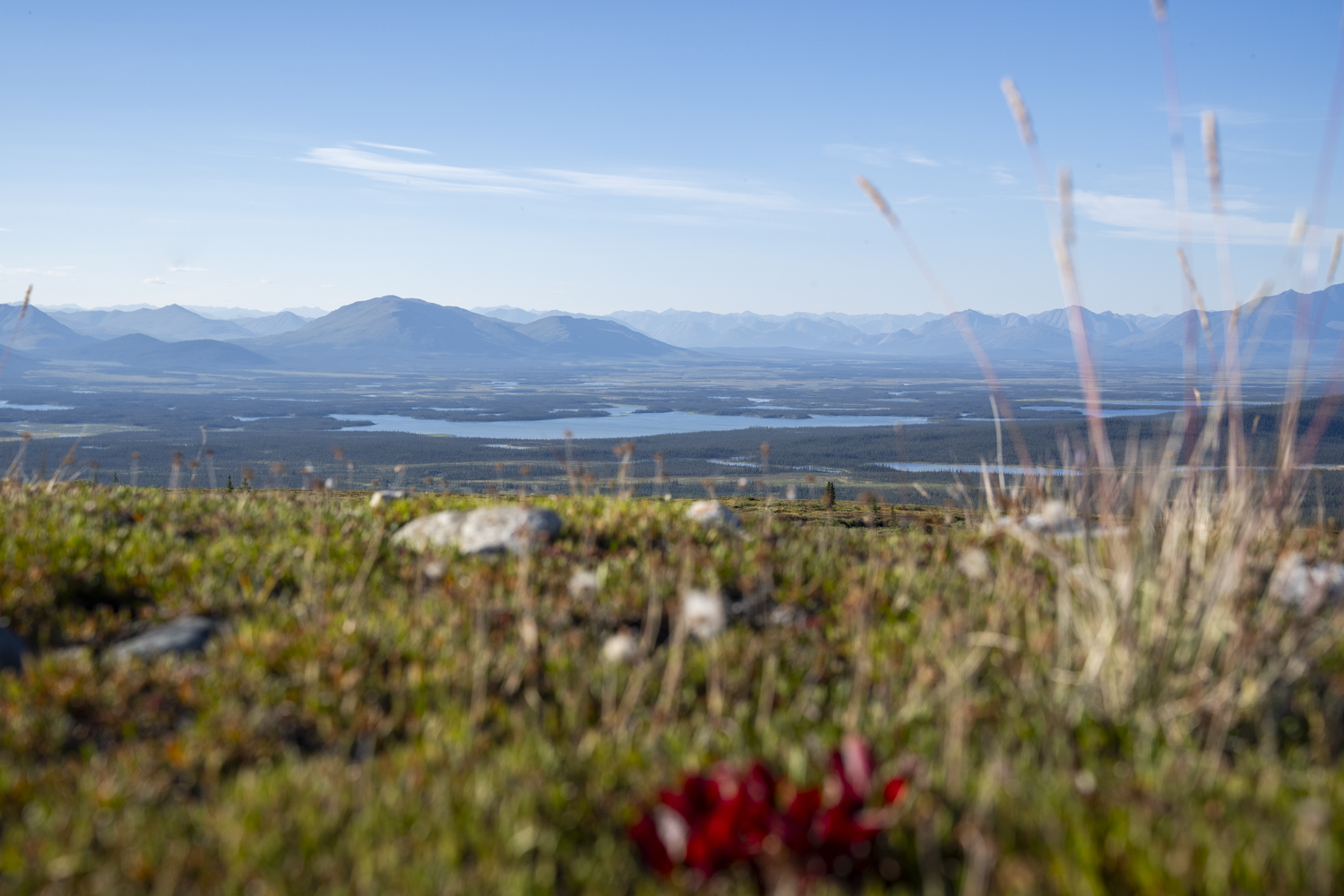
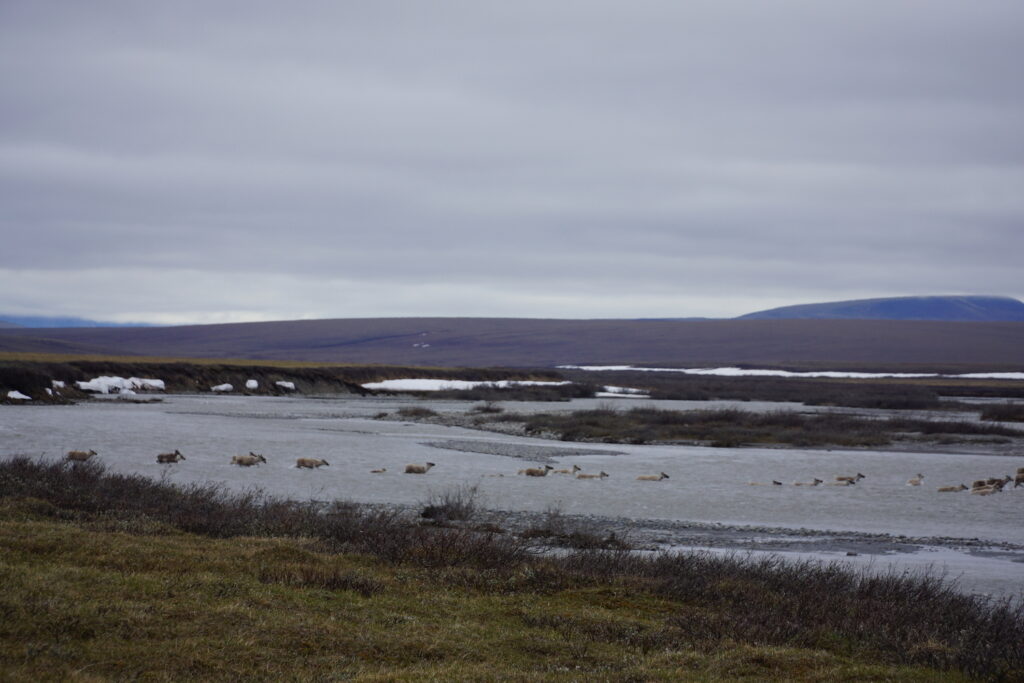
The Coastal Plain, often referred to as the "1002 Area," is the biological heart of the 19.3-million-acre refuge. It serves as the primary calving ground for the Porcupine caribou herd, which consists of approximately 218,000 animals. The caribou undertake the longest land migration of any mammal on Earth, traveling over 1,500 miles annually from their wintering grounds to reach the nutrient-rich grasses and insect-relieving winds of the Arctic coast.
Scientific data suggests that industrial activity in this specific corridor could have catastrophic effects on the herd’s survival rates. Seismic testing, which typically occurs during the winter months to take advantage of frozen ground, poses a significant risk to denning polar bears. The Southern Beaufort Sea polar bear population, which is already listed as threatened under the Endangered Species Act, frequently uses the refuge for maternity dens. High-decibel vibrations and the physical presence of heavy machinery can cause mother bears to abandon their dens, leading to the death of cubs.
Furthermore, the economic justification for exploration has been met with skepticism by market analysts. A 2021 lease sale held by the Bureau of Land Management (BLM) resulted in a lack of interest from major oil companies, with most of the tracts being purchased by a state-owned Alaska agency. Many global financial institutions, including major U.S. banks such as Goldman Sachs, JPMorgan Chase, and Wells Fargo, have updated their environmental policies to prohibit the direct financing of oil and gas exploration in the Arctic Refuge, citing both climate risks and the lack of indigenous consent.
The Nature of the Gathering: A Non-Western Directive
Lagasse, who has been visiting Arctic Village since 2014, noted that the structure of the emergency gathering differed significantly from Western bureaucratic meetings. There was no formal agenda or rigid time constraints. Instead, the proceedings followed a "non-Western directive" requested by the elders. The community hall, originally built for the 1988 gathering, served as the central hub where tribal government leaders, elders, and community members sat in a circle to share oral histories, current concerns, and strategic goals.
The atmosphere was described as one of "active hope," a term popularized by ecophilosopher Joanna Macy. Despite the gravity of the threats, the gathering was characterized by a sense of communal strength, humor, and cultural pride. Each day of intense deliberation was followed by communal dinners featuring traditional foods, such as caribou and berries, followed by music and dancing that lasted into the early hours of the morning. This integration of cultural celebration and political activism is central to the Gwich’in strategy; for them, protecting the land is synonymous with preserving their way of life.
Broader Environmental and Climate Implications
The struggle over the Arctic National Wildlife Refuge is not an isolated land-use conflict; it is a microcosm of the global climate crisis. The Arctic is warming at nearly four times the global average, a phenomenon known as Arctic amplification. This rapid warming is already causing the degradation of permafrost, which releases methane—a potent greenhouse gas—into the atmosphere. Introducing heavy industrial infrastructure into this destabilized environment could accelerate these feedback loops.
Lagasse emphasized that the refuge acts as a "canary in the coal mine" for the rest of the planet. The migratory birds that nest in the refuge during the summer months travel to all 50 U.S. states and six continents, linking the health of the Arctic ecosystem to global biodiversity. From a climate perspective, the decision to allow or prohibit extraction in the region is seen as a litmus test for international commitments to transition away from fossil fuels.
Strategic Responses and Future Outlook
The outcome of the emergency gathering in Vashraii K’oo was a reinforced commitment to international coalition building. The Gwich’in Nation continues to lead a multifaceted campaign involving legal challenges, shareholder advocacy, and public awareness. By working with organizations like the Alaska Wilderness League and Protect Our Winters, the tribe aims to exert pressure on both the federal government and the private sector.
For the general public and stakeholders, the gathering highlighted several avenues for engagement. These include:
- Financial Advocacy: Monitoring the investment portfolios of banks and insurance companies to ensure they are not underwriting Arctic extraction projects.
- Legislative Support: Backing federal legislation, such as the Arctic Village Act or similar protections, that would permanently designate the Coastal Plain as wilderness.
- Educational Outreach: Utilizing resources such as the book Defending the Arctic Refuge by Finis Dunaway and films like Walking Two Worlds to understand the historical and cultural stakes.
The Gwich’in Steering Committee remains the primary body for disseminating updates and coordinating national responses. As the threat of seismic testing looms, the "active hope" expressed in Arctic Village suggests that the Gwich’in Nation and its allies are prepared for a prolonged defense of the refuge. The gathering concluded not with a sense of defeat, but with a strategic roadmap based on the belief that the protection of the Arctic is a shared global responsibility.
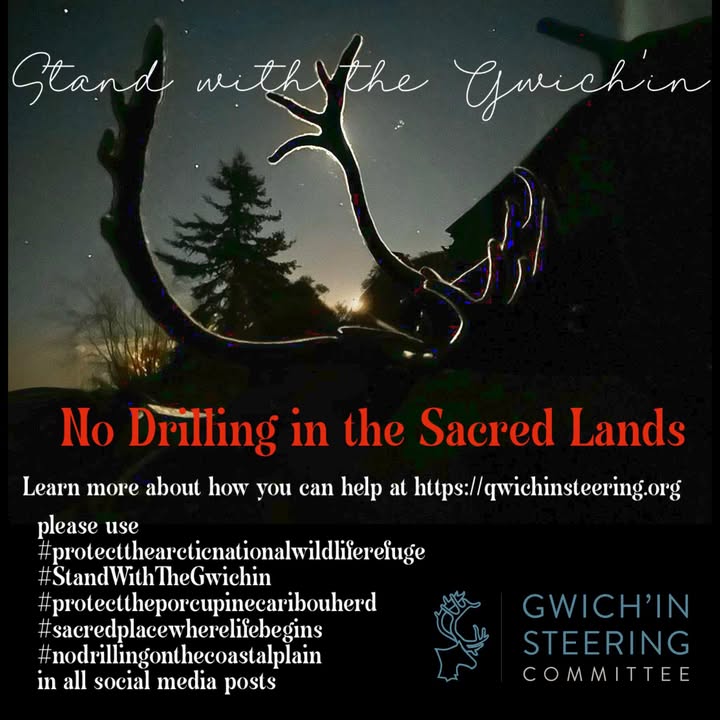
The enduring message from Vashraii K’oo is that the Arctic National Wildlife Refuge is more than a repository of natural resources; it is a vital organ of the Earth’s ecological system and the foundation of a sovereign people’s existence. As industrial pressures mount, the unity displayed by the Gwich’in Nation serves as a reminder that the most effective environmental protections often stem from those who have stewarded the land for generations. The global community now faces the choice of whether to honor these indigenous perspectives or prioritize short-term industrial gain at the expense of one of the world’s last truly wild ecosystems.
