

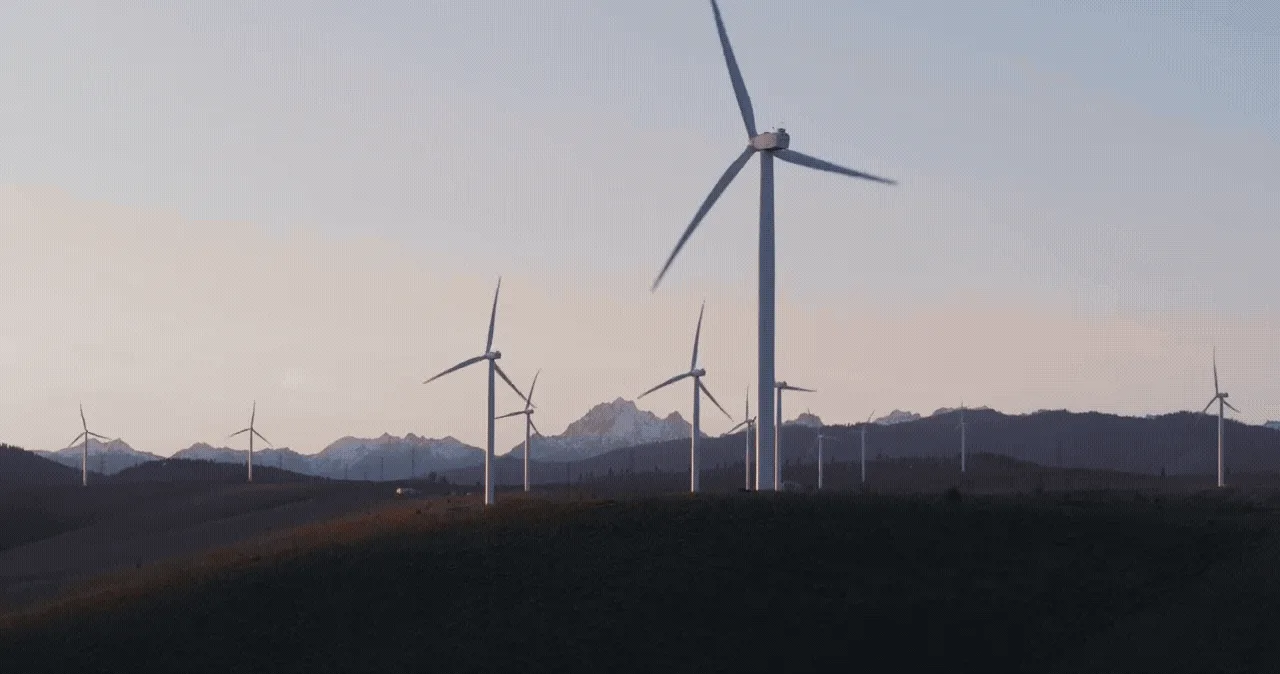
The global shift toward renewable energy has reached an unprecedented pace, with the International Energy Agency (IEA) reporting that renewable capacity additions increased by almost 50% in 2023 alone. However, as wind, solar, and electric vehicle (EV) technologies scale to meet the demands of a warming planet, a parallel phenomenon has emerged: a sophisticated and well-funded campaign of opposition. This campaign, characterized by a mix of genuine local concerns and coordinated disinformation, seeks to undermine public confidence in the reliability, safety, and environmental benefits of clean energy. From viral social media posts claiming offshore wind turbines are responsible for whale strandings to assertions that solar farms permanently destroy arable land, the narrative landscape has become a primary battleground for the future of the global energy grid.
Defining the Scope: Misinformation vs. Disinformation
To understand the current discourse surrounding the energy transition, a critical distinction must be made between misinformation and disinformation. Misinformation refers to the accidental spread of false or inaccurate information. This often occurs when individuals share news stories or social media posts they believe to be true, such as concerns regarding the noise levels of wind turbines or the perceived unreliability of solar power during cloudy weather. While often rooted in a lack of technical understanding, misinformation can gain significant traction through digital echo chambers.
In contrast, disinformation is the deliberate creation and dissemination of false or misleading information with the intent to deceive. Evidence suggests that a significant portion of the anti-renewable narrative is the product of coordinated campaigns funded by entities with vested interests in the fossil fuel industry. By seeding doubt about the viability of clean energy, these actors aim to delay regulatory changes, protect existing market shares, and stall the decommissioning of carbon-intensive infrastructure. This "delayism" has replaced outright climate denial as the primary tactic used to obstruct progress.
A Chronology of Climate and Energy Narratives
The current wave of energy disinformation is not a new phenomenon but rather the latest chapter in a decades-long history of strategic communication by the fossil fuel sector.
- The Era of Internal Knowledge (1970s–1980s): Internal documents from major oil companies, such as Exxon, reveal that their own scientists accurately predicted the warming effects of fossil fuel combustion as early as the late 1970s. During this period, the public narrative remained largely neutral.
- The Rise of Denialism (1990s–2000s): Following the establishment of the Intergovernmental Panel on Climate Change (IPCC), industry-funded groups began a concerted effort to cast doubt on the scientific consensus. Tactics included highlighting "natural cycles" and questioning the accuracy of climate models.
- The Pivot to Economic Anxiety (2010s): As the science became undeniable, the focus shifted to the economic costs of transitioning. Arguments centered on the "loss of jobs" and the "unaffordability" of renewable energy, despite the rapidly falling costs of solar and wind technology.
- The Current Age of Obfuscation (2020s–Present): Today, the strategy focuses on the perceived flaws of renewable infrastructure itself. This includes the "green-on-green" conflict, where renewable projects are framed as being more harmful to the environment than the fossil fuels they replace.
Analyzing the Data: Debunking Common Energy Myths
To combat the spread of disinformation, it is necessary to examine the empirical data provided by academic and governmental institutions. Two of the most prevalent narratives involve the lifecycle emissions of electric vehicles and the ecological impact of offshore wind.
The Lifecycle Emissions of Electric Vehicles
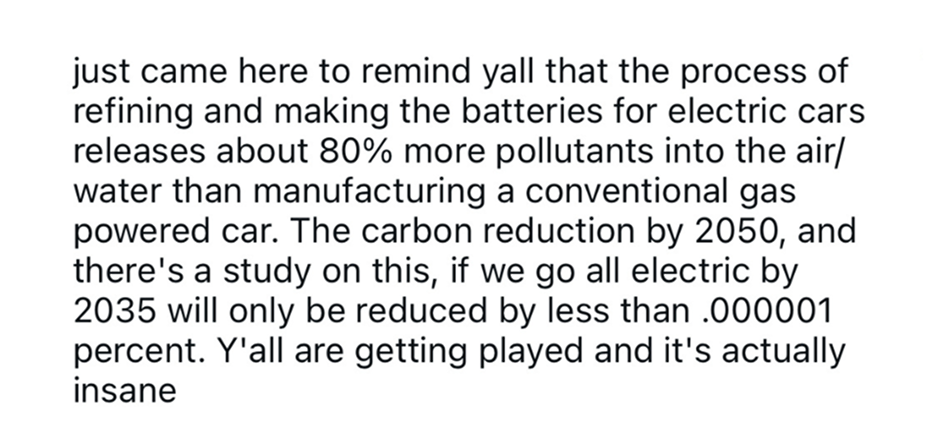
A frequent claim used to discourage the adoption of EVs is that the mining of minerals like lithium and cobalt, combined with battery manufacturing, makes EVs more polluting than internal combustion engine (ICE) vehicles. While mineral extraction is energy-intensive and carries environmental risks, the lifecycle data tells a different story.
Researchers at the Massachusetts Institute of Technology (MIT) Energy Initiative found that on average, gasoline-powered cars emit more than 350 grams of CO2 per mile driven over their entire lifetime. In comparison, fully battery-electric vehicles generate approximately 200 grams per mile. This figure includes the emissions from mining, manufacturing, and the electricity used for charging. As the power grid becomes greener with more wind and solar input, the "carbon debt" of an EV is paid off even faster, typically within six to eighteen months of operation depending on the energy mix of the region.

Offshore Wind and Marine Ecosystems
The claim that offshore wind farms are causing mass mortality among marine life, particularly whales, has gained significant political traction. However, organizations such as the National Oceanic and Atmospheric Administration (NOAA) and the Bureau of Ocean Energy Management (BOEM) have stated that there is no scientific evidence linking offshore wind site preparation or operation to whale deaths.
In reality, the primary threats to marine ecosystems remain climate change—which causes shifting prey patterns and ocean acidification—vessel strikes, and entanglement in fishing gear. While the construction of any industrial infrastructure carries risks that must be mitigated through careful planning and conservation-minded engineering, the long-term threat posed by continued fossil fuel extraction and the resulting sea-level rise and ocean warming is far more catastrophic for aquatic biodiversity.
The Economic Reality: Cost and Reliability
One of the most persistent disinformation themes is that renewable energy is too expensive and will lead to grid instability. However, data from Lazard’s Levelized Cost of Energy (LCOE) analysis shows that utility-scale solar and onshore wind are now the cheapest sources of new electricity generation in many parts of the world, often outcompeting existing coal and gas plants.
Regarding reliability, the transition involves moving from a centralized "baseload" model to a decentralized, "smart" grid model. The integration of high-capacity battery storage, such as the Hornsdale Power Reserve in Australia, has demonstrated that renewables can provide essential grid services, including frequency control and peak shaving, more rapidly and accurately than traditional thermal power plants.
Official Responses and Policy Countermeasures
Governments and international bodies have begun to recognize disinformation as a systemic risk to national security and climate goals. The European Union’s Digital Services Act (DSA) and various initiatives by the United Nations have sought to hold social media platforms accountable for the algorithmic amplification of false narratives.
In the United States, the Inflation Reduction Act (IRA) represents a significant policy response, providing long-term certainty for renewable investments. By tying tax credits to domestic manufacturing and community benefits, the policy aims to counter economic disinformation by creating tangible local jobs. Furthermore, the U.S. Department of Energy has launched initiatives to improve "energy literacy," providing communities with factual resources to evaluate proposed projects without the interference of outside interest groups.
The Broader Impact: Social Cohesion and Public Health
The consequences of energy disinformation extend beyond delayed projects. It fosters social polarization, pitting rural communities against urban centers and neighbors against one another. When a community is led to believe that a local solar farm will poison their soil—a claim with no scientific basis—it erodes the trust necessary for local governance and collective action.
From a public health perspective, the delay of the energy transition has a direct human cost. The World Health Organization (WHO) estimates that air pollution, largely driven by fossil fuel combustion, is responsible for millions of premature deaths annually. Transitioning to clean energy is not merely an environmental imperative but a public health necessity that reduces the incidence of respiratory diseases, cardiovascular issues, and neonatal complications.

Conclusion: Navigating the Information Age
The transition to a sustainable energy future is arguably the most complex engineering and social challenge in human history. It requires the total reimagining of how power is generated, distributed, and consumed. While legitimate questions regarding land use, resource extraction, and community impact must be addressed through transparent democratic processes, they must be distinguished from the noise of coordinated disinformation.
Moving forward, the role of media literacy and independent research will be paramount. By relying on peer-reviewed science, governmental data, and transparent reporting, the public can navigate the "fear campaigns" and participate in a constructive dialogue about the best path forward. Perfection may be unattainable in any industrial endeavor, but the pursuit of "the better"—a cleaner, more affordable, and more stable energy system—remains the most viable path for global progress. Through informed voting, community engagement, and the support of organizations dedicated to factual advocacy, the barriers created by disinformation can be dismantled, allowing the technological innovations of the 21st century to reach their full potential.
