

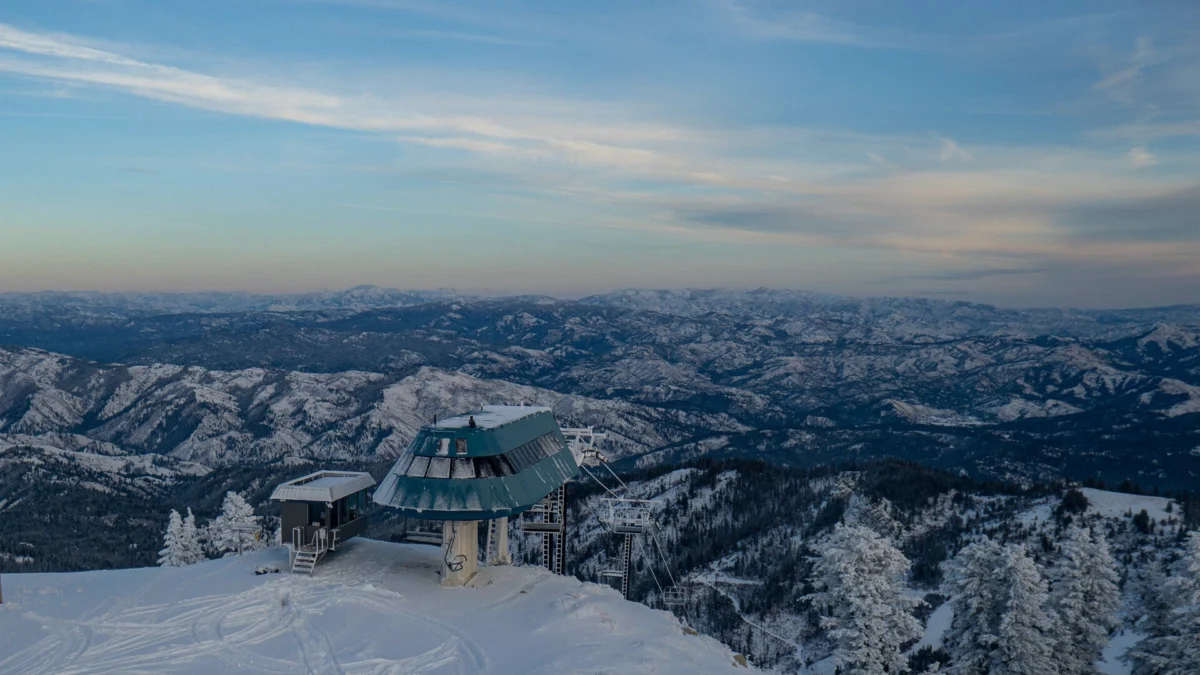
Bogus Basin, a beloved winter sports destination near Boise, Idaho, has announced an early closure for its 2025/26 ski season, a decision precipitated by an unprecedented confluence of record-high temperatures and a severe deficit in natural snowfall. The resort, which typically extends its operations into mid-April, will cease winter operations this Sunday, March 22nd. This early conclusion marks a stark deviation from historical norms and reflects the increasingly challenging environmental conditions impacting winter recreation across the Western United States.
The 2025/26 season has been characterized by persistent high-pressure systems dominating the Pacific Northwest, diverting moisture-laden air masses away from the Rocky Mountains and towards the northern reaches of the continent. This meteorological pattern has resulted in a historic snow drought for the Boise region, with Bogus Basin receiving only a fraction of its average annual snowfall. Official reports from the resort indicate that accumulated snowfall has been less than half of the seasonal average, severely impacting snowpack depth and consistency. The situation has been exacerbated by an impending heatwave forecasted to bring valley temperatures soaring towards 80 degrees Fahrenheit, accelerating the melt of any remaining snowpack and rendering further operations untenable.
A Season Defined by Anomalous Warmth and Drought Conditions
The meteorological narrative of the 2025/26 winter for Bogus Basin and the broader Boise area has been one of persistent warmth and a profound lack of precipitation. Unlike typical winters that see substantial snow accumulation, this season has been dominated by extended periods of clear skies and unseasonably mild temperatures. Climatological data from the National Weather Service indicates that March 2026 has already been one of the warmest on record for Boise, with average daily temperatures significantly exceeding historical benchmarks. This trend has been a direct inhibitor to snow accumulation at higher elevations.

Bogus Basin’s reliance on natural snowfall, while augmented by extensive snowmaking capabilities, has been tested to its limits. While the resort’s snowmaking operations have been lauded for their efficiency and record-breaking output this season, they have ultimately been insufficient to compensate for the dramatic shortfall in natural precipitation. The infrastructure and operational capacity of the snowmaking system, designed to supplement natural snow and ensure a consistent skiing experience, cannot overcome the fundamental deficit of atmospheric moisture.
The early closure decision, while regrettable for winter enthusiasts, is a pragmatic response to the harsh realities of the current climate. The economic viability and operational safety of a ski resort are intrinsically linked to adequate snow cover. Continuing operations on a depleted snow base under rapidly warming conditions poses risks to both guests and the mountain’s infrastructure.
Timeline of a Challenging Season
The 2025/26 winter season at Bogus Basin began with anticipation, as is customary. However, early indicators pointed towards an atypical pattern. Throughout November and December, while some colder periods occurred, the expected heavy snowfall events failed to materialize consistently. January and February, typically the snowiest months, saw sporadic, light snowfalls that melted quickly due to ambient temperatures often hovering above freezing.
By early March, resort officials began to monitor the snowpack depth with increasing concern. The cumulative snowfall figures fell significantly behind those of previous years. While specific daily snowfall totals are not detailed in the initial announcement, the aggregate deficit became undeniable as the month progressed. The forecasted intensification of warm weather in the latter half of March served as the final impetus for the closure decision.

The announcement on March 17th, 2026, detailing the March 22nd closure, marks the earliest end to a winter season in Bogus Basin’s modern operational history. This decision is a stark indicator of the environmental pressures facing winter sports resorts in the region and beyond.
Community Impact and Resort Response
The early closure inevitably impacts the local community, including seasonal employees, businesses that rely on ski tourism, and the many individuals and families who frequent Bogus Basin for recreation. However, the resort has indicated a commitment to mitigating these impacts and concluding the season with community engagement in mind.
While specific details regarding "community-focused celebrations" for the final days are limited in the initial report, such events typically involve discounted lift tickets, on-mountain activities, and opportunities for skiers and snowboarders to enjoy the remaining conditions together. This approach aims to acknowledge the shared experience of a challenging season and foster a sense of camaraderie among patrons and staff.
Looking Towards Future Seasons: Adaptability and Resilience

In a move to provide reassurance and foster continued engagement, Bogus Basin has confirmed that season pass rates for the 2026/27 season will remain unchanged. This decision signals the resort’s confidence in its long-term viability and its commitment to its pass holders. Furthermore, an adjustment to operating hours for the upcoming season, with lifts scheduled to open at 9:00 a.m. daily, suggests a strategic recalibration aimed at optimizing operational efficiency and guest experience in anticipation of future winter patterns.
The mention of "record-breaking snowmaking and innovative summer snow storage pilot programs" highlights Bogus Basin’s proactive approach to addressing the challenges posed by climate change. These initiatives underscore a commitment to adapting and innovating within the winter sports industry. Snowmaking technology has advanced significantly, allowing resorts to create snow more efficiently and at higher temperatures than ever before. Summer snow storage, a more nascent but promising strategy, involves preserving snow from previous seasons in insulated, protected locations for use during subsequent winters. These pilot programs, while not sufficient to salvage the current season, represent crucial investments in the future resilience of the resort.
The implications of this early closure extend beyond Bogus Basin. Across the Western United States, numerous ski resorts have experienced shortened seasons, reduced operational days, and significant financial strain due to insufficient snowfall and unseasonable warmth. This trend raises broader questions about the sustainability of the ski industry in a warming climate and the need for greater investment in climate adaptation strategies.
The 2025/26 season at Bogus Basin serves as a potent case study in the direct impact of climate change on outdoor recreation. While the resort’s proactive measures for future seasons demonstrate a commitment to overcoming these challenges, the early closure is a somber reminder of the evolving environmental landscape and the urgent need for sustained efforts in climate mitigation and adaptation. The community’s spirit, the resort’s resilience, and the ongoing pursuit of innovative solutions will be critical in navigating the uncertain winters that lie ahead.
