

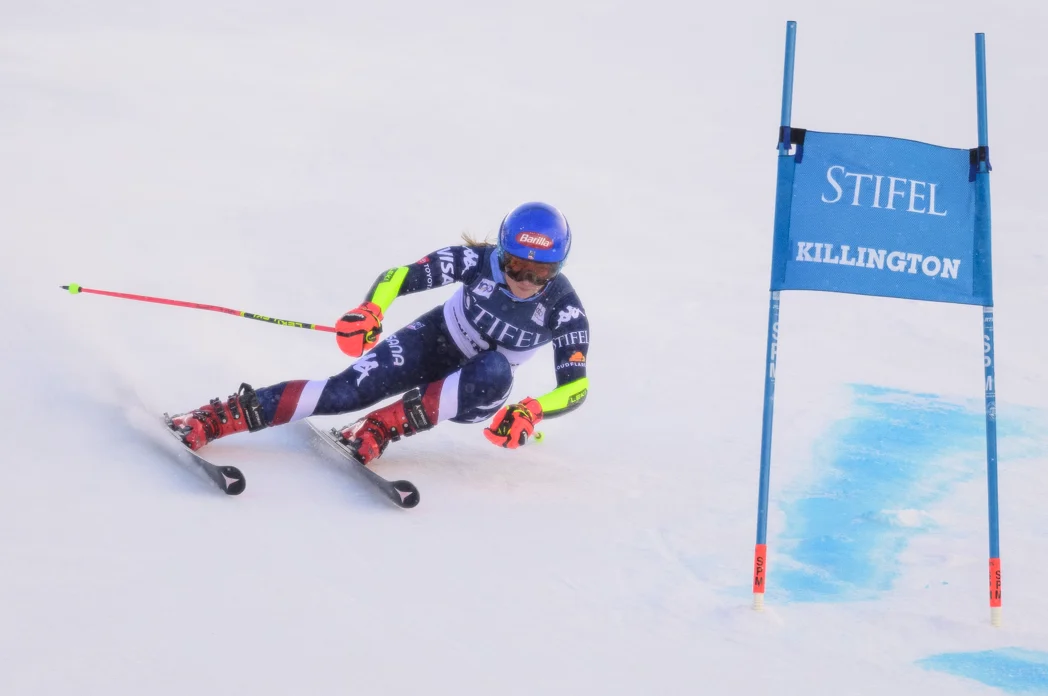
The anticipation for the 2026 Winter Olympic Games in Milano Cortina, Italy, scheduled for February, is rapidly building, promising an unparalleled spectacle of athletic prowess, human resilience, and sporting evolution. From the audacious return of American alpine skiing legend Lindsey Vonn to the historic introduction of dual moguls and ski mountaineering as official medal events, the Games are poised to deliver a captivating blend of tradition and innovation across both the vertical and horizontal planes of competitive snowsports. This global event, set against the stunning backdrop of the Italian Alps, is not merely a contest for medals but a vibrant stage for groundbreaking athletic achievements and a unique educational opportunity for snowsports professionals and enthusiasts alike to engage in Olympic-level movement analysis.
The Host Cities and Their Legacy: A Blend of Heritage and Innovation
The 2026 Winter Olympics marks a significant moment for Italy, which will co-host the Games across two iconic locations: Milano, the cosmopolitan heart of Lombardy, and Cortina d’Ampezzo, the renowned alpine resort in the Dolomites. This dual-host model, chosen during the International Olympic Committee (IOC) session in Lausanne in June 2019, underscored a commitment to sustainability and the efficient utilization of existing infrastructure. Milano, a global hub for fashion and finance, will primarily host the ice sports, including figure skating, short track, ice hockey, and speed skating, leveraging its modern facilities. Cortina d’Ampezzo, steeped in Olympic history as the host of the 1956 Winter Games, will once again be the epicenter for alpine skiing, bobsleigh, luge, skeleton, and curling, capitalizing on its world-class slopes and established winter sports heritage. The bid, which triumphed over Stockholm-Åre, Sweden, emphasized a "Games at Zero" approach, aiming for minimal environmental impact and a lasting legacy that benefits local communities and promotes sports development across the region. The organizing committee has projected an estimated economic impact of €1.4 billion and the creation of thousands of jobs, reinforcing the Games’ role as a catalyst for regional growth and international tourism.
A Road to the Games: Key Milestones and Preparations
The journey to February 2026 is punctuated by a rigorous timeline of preparations and milestones. Following the successful bid, the Milano Cortina 2026 Organizing Committee commenced detailed planning for venue readiness, logistical coordination, and sustainability initiatives. Construction and renovation projects for select venues, while adhering to the "existing infrastructure first" principle, are underway, with strict timelines to ensure completion well in advance of the Games. Test events, a crucial component of Olympic preparations, are expected to be held throughout the 2024-2025 winter season. These events, typically World Cup races or championships in various disciplines, allow organizers to fine-tune operations, test competition formats, and provide athletes with a preview of the Olympic courses. For instance, alpine ski races on the Olympia delle Tofane slope in Cortina, a regular stop on the women’s World Cup circuit, will serve as vital precursors. Athlete qualification pathways, managed by respective international federations like FIS (International Ski and Snowboard Federation) and ISMF (International Ski Mountaineering Federation), are also well into their cycles, with athletes accumulating points from World Cup events and World Championships to secure their coveted Olympic berths. The next two years will see intense competition as athletes push their limits, striving for peak performance and consistency to earn a spot on their national teams.
Defining Narratives: Legends and New Frontiers
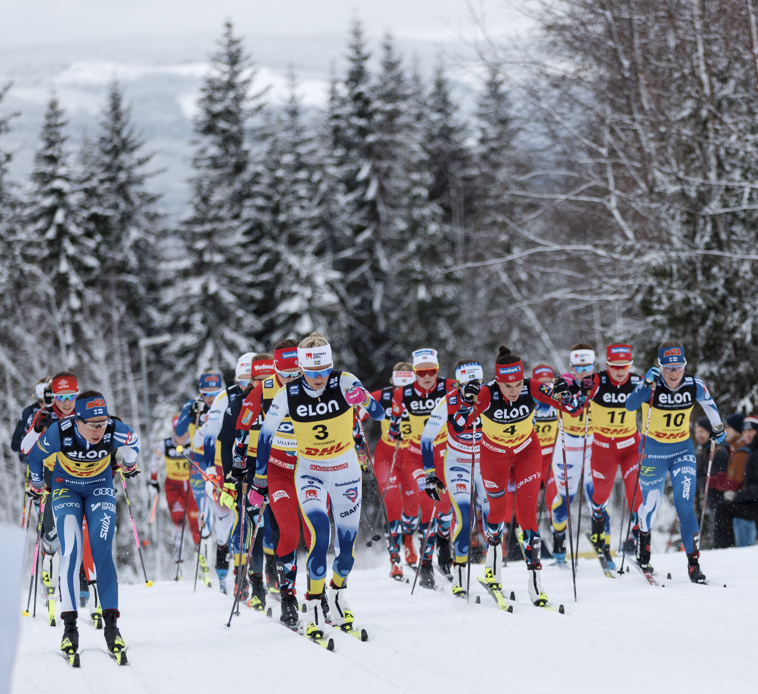
The 2026 Games are rich with compelling narratives, none more captivating than the convergence of seasoned legends pushing boundaries and entirely new disciplines making their Olympic debut.
Lindsey Vonn’s Audacious Comeback: Defying Age and Injury
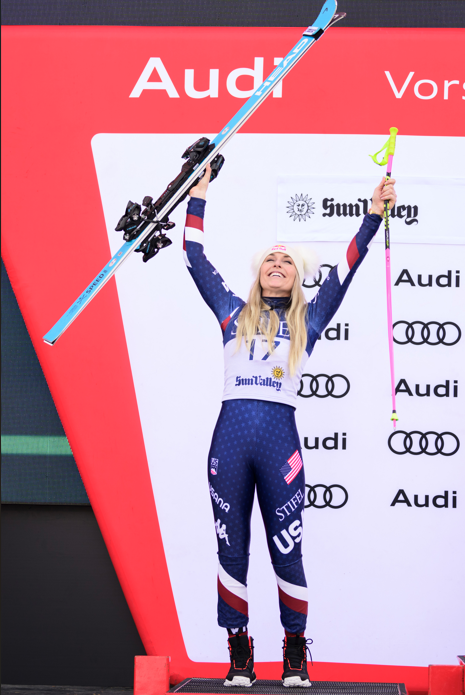
The potential return of American superstar Lindsey Vonn to the high-stakes world of Super G and Downhill racing at the age of 41, and with a partially replaced knee, stands as one of the most audacious comebacks in sports history. Vonn, a four-time World Cup overall champion, two-time Olympic medalist (including gold in Downhill at Vancouver 2010), and arguably the most decorated female alpine skier of all time with 82 World Cup victories, officially retired in 2019 after a career marred by numerous severe injuries. Her decision to even contemplate a return five years post-retirement, especially in the physically brutal speed disciplines, highlights an extraordinary level of dedication and an unyielding passion for the sport. Sources close to Vonn indicate her motivation stems from a desire to inspire and to challenge the perceived limits of athletic longevity. "Lindsey has always been a trailblazer," a former coach, who wished to remain anonymous due to the speculative nature of the comeback, reportedly stated, "Her drive is unlike anything I’ve ever seen. If anyone can redefine what’s possible at 41, it’s her. It’s not just about winning; it’s about proving that age is just a number when the heart and will are strong." This comeback would not only be a testament to her individual spirit but also a powerful symbol of advancements in sports medicine and rehabilitation, offering a new perspective on post-injury athletic careers. Her presence would undoubtedly draw immense global attention, adding a layer of compelling human drama to the alpine events.
Embracing Evolution: Dual Moguls and Ski Mountaineering Join the Olympic Ranks
Milano Cortina 2026 will also mark a significant expansion of the Olympic program with the inclusion of dual moguls and ski mountaineering (skimo) as official medal events. These additions reflect the evolving landscape of winter sports and the IOC’s commitment to diversifying the Games’ appeal.
Dual Moguls, a head-to-head format of freestyle skiing, promises heightened excitement and direct competition. In this discipline, two skiers descend parallel mogul courses simultaneously, performing jumps off two designated kickers before racing to the finish line. The judging combines speed, turn quality, and aerial maneuvers, creating a dynamic and visually thrilling spectacle. Its inclusion is expected to amplify spectator engagement by pitting athletes directly against each other in a race against the clock and gravity, showcasing both technical precision and aggressive tactics.
Ski Mountaineering (Skimo) makes its historic debut, bringing a truly unique blend of endurance, uphill and downhill skiing, and technical mountaineering skills to the Olympic stage. Skimo involves athletes ascending steep mountain terrain on skis, often carrying their skis for short periods, and then descending challenging off-piste routes. The Olympic format is expected to feature individual and sprint races, demanding exceptional aerobic capacity, strength, and expert ski handling. The sport’s inclusion aligns with a broader trend towards showcasing outdoor endurance sports and appeals to an audience that values self-reliance and environmental immersion. Its relatively low infrastructure requirement also aligns perfectly with the sustainable ethos of Milano Cortina 2026. The International Ski Mountaineering Federation (ISMF) has seen a surge in participation globally, and its Olympic debut is anticipated to further boost its popularity and development worldwide. "Skimo’s entry into the Olympics is a recognition of its growing global appeal and the incredible athleticism it demands," commented an ISMF spokesperson in a recent press release. "It’s a perfect fit for the natural terrain of the Dolomites and will introduce a whole new dimension to the Winter Games."
The Art of Observation: Elevating Snowsports Instruction through Olympic Movement Analysis
Beyond the thrill of competition and the drama of personal narratives, the 2026 Winter Olympics presents an unparalleled "teaching bonanza" for snowsports professionals and enthusiasts alike. The opportunity to observe the world’s elite athletes performing at their peak provides a masterclass in movement analysis (MA), offering invaluable insights that can directly augment instructional skills and improve personal technique. Analyzing the precise mechanics, balance, and energy management of Olympic competitors offers a profound understanding of efficient and powerful movement on snow.
Giant Slalom: The Foundation of Alpine Prowess
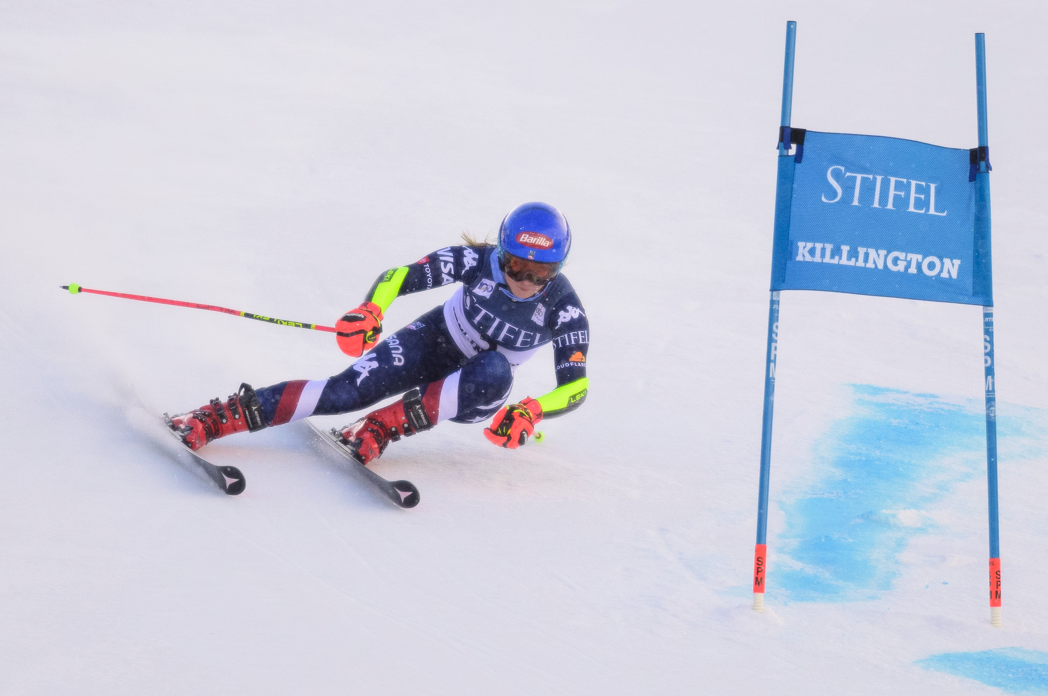
As PSIA Alpine Team Member A.J. Oliver aptly states, "The giant slalom turn is the mother of all turns." For instructors and keen observers, watching giant slalom offers a critical lens into fundamental alpine skiing technique. The key to success in GS, and a crucial element for MA, lies in the finish of the turn. Elite skiers demonstrate an ability to release their skis early and initiate transitions with seamless fluidity, appearing almost effortless. This stands in stark contrast to struggling skiers who often get "stuck" on their old edges, resulting in sluggishness and a loss of momentum.
Technically, this early release and fluid transition stem from several key factors. Successful racers exhibit stable upper bodies, balanced stances, and continuous movement. They prioritize early alignment and balance on the new ski, creating a profound edge angle and "shape" higher in the turn. This strategic positioning allows them to generate maximum pressure and control through the apex of the turn, setting them up with optimal direction and speed to release the edges cleanly and immediately engage the next turn. The physics at play are crucial: by achieving early edge engagement and maintaining a strong platform, skiers efficiently manage centrifugal forces, converting potential energy into kinetic energy and minimizing energy loss.
For students, particularly those in beginner to intermediate zones, these Olympic-level concepts are profoundly applicable. Many struggle with releasing their old edges and initiating a confident movement down the hill. By observing the seamless transitions of GS racers, instructors can guide students towards developing a stable upper body, maintaining a balanced stance over their skis, and fostering a continuous, flowing movement pattern. This focus helps students overcome the common tendency to lean back or skid, enabling them to release their skis more easily, carve more effectively, and progress with greater confidence on steeper and more varied terrain. "The core principles seen in Olympic Giant Slalom — dynamic balance, continuous movement, and efficient edge release — are universally applicable, from a first-time skier to a World Cup champion," noted Dr. Eleanor Vance, a leading sports biomechanist specializing in snowsports. "Understanding these elements helps us deconstruct complex movements into teachable components for every level of student."
Snowboard Halfpipe: A Symphony of Precision and Aerial Artistry
AASI Snowboard Team Member Cori Lambert rightly identifies the halfpipe as one of snowboarding’s most technical and dangerous events, demanding an incredible synthesis of stamina, strength, accuracy, power, and distinct style. Observing Olympic halfpipe competition provides an unparalleled opportunity to analyze advanced board control and aerial dynamics. Qualification for this event is exceptionally rigorous, involving athletes competing in FIS World Cup qualifiers and World Championships, striving to consistently finish in the top 30 to earn a coveted Olympic spot.
The Superpipe, with its formidable 22-foot walls and 64-foot width, is a colossal structure that demands absolute precision. Riders often opt for longer, full-camber boards, which offer superior edge control, increased contact area, and enhanced stability crucial for high-speed takeoffs and impactful landings. Line choice within the pipe is paramount; a meticulously chosen line dictates the trajectory and amplitude of each trick. Speed is directly correlated with height above the lip, a critical factor for executing complex aerial maneuvers. Athletes master the manipulation of DIRT (Duration, Intensity, Rate, and Timing) to execute their tricks: Duration refers to the airtime, Intensity to the amplitude and speed, Rate to the speed of rotations or flips, and Timing to the precise moment of takeoff and landing. The combination of these elements allows athletes to showcase dizzying spins, inverted flips, and gravity-defying heights.
For students and aspiring snowboarders, the foundations of halfpipe riding are deeply rooted in accurate carving and the ability to modulate DIRT, even in simpler contexts. Instructors can leverage Olympic viewing to highlight the importance of board choice and, crucially, carving mastery. Understanding how Olympic athletes choose their line and manage board tilt throughout the pipe translates directly to students navigating various terrain features, whether carving on groomed slopes, executing euro carves, or approaching smaller quarter pipes. By breaking down the fundamental elements of precise edge control and dynamic movement seen in the halfpipe, instructors can build a robust foundation for students, enabling them to progress confidently through carving, freestyle, and even advanced terrain, irrespective of direct access to a halfpipe. Acknowledged freestyle development coach, Mark Jensen, emphasized, "The control and precision required in an Olympic halfpipe are an exaggerated form of basic carving. If a rider can understand how to manipulate their board to gain height and maintain control in that environment, they have truly mastered the fundamentals that apply across all facets of snowboarding."
Beyond the Medals: The Enduring Impact of Milano Cortina 2026
The legacy of Milano Cortina 2026 is projected to extend far beyond the two weeks of competition. The Games are designed to leave a lasting positive impact on the host regions, bolstering tourism, enhancing sports infrastructure, and inspiring future generations of athletes. The emphasis on sustainability and the utilization of existing venues set a precedent for future Olympic bids, demonstrating that hosting a global event can be achieved with a reduced environmental footprint. The inclusion of new sports like ski mountaineering reflects a forward-thinking approach to the Olympic movement, adapting to changing global sports trends and attracting new audiences. Furthermore, advancements in broadcasting technology will offer viewers unprecedented access and analytical tools, enhancing the immersive experience of watching the Games from anywhere in the world.
Conclusion: A Global Spectacle Awaits
As February 2026 draws nearer, the Milano Cortina Winter Olympic Games promise to be a captivating fusion of athletic drama, technical brilliance, and cultural celebration. From the awe-inspiring resilience of veterans like Lindsey Vonn to the thrilling debuts of new disciplines, and the invaluable lessons offered through expert movement analysis, these Games are set to leave an indelible mark on the landscape of winter sports. For athletes, instructors, and fans alike, Milano Cortina 2026 will not just be an event to watch, but an experience to learn from, be inspired by, and cherish. The world eagerly awaits the next chapter in Olympic history, set against the majestic backdrop of the Italian Alps.
