

The snowsports industry, a cornerstone of winter tourism and recreation, continually grapples with the intricate challenge of recruiting and retaining a skilled and passionate instructor workforce. This dynamic, seasonal sector often sees high turnover, impacting everything from guest experience to the financial health of mountain operations. However, a closer look at various resorts reveals innovative strategies focused on fostering community, professional development, and practical support, turning the seasonal transient nature of the job into a vibrant, year-round commitment for many.
The journey into snowsports instruction often begins with a profound personal aspiration, as exemplified by a recent clinic at Ski Santa Fe. Led by Jimbo Lyman, a seasoned Telluride-based ski instructor and PSIA-AASI trainer and examiner, this clinic gathered eight new hires, including the author, for an intensive session. The group was notably diverse, predominantly in the 50-plus age range, bringing rich prior experiences from careers in science, sports, and media. For many, like Sylvia, a PhD who took early retirement to pursue her dream, becoming a ski instructor represented a significant life pivot. "I’m finally living my dream of being a ski instructor," Sylvia remarked, encapsulating the deep-seated motivation that draws many to the slopes.
Forging Connections: The Ski Santa Fe Experience
The clinic at Ski Santa Fe, a resort uniquely positioned just 16 miles from Santa Fe, New Mexico’s culturally rich "City Different," quickly became a crucible for camaraderie and accelerated learning. Under Lyman’s expert guidance, the new instructors delved into advanced teaching methodologies, refined their movement analysis skills, and deepened their understanding of alpine biomechanics. The immersive nature of the training not only enhanced individual proficiency but also solidified a collective purpose: to expand the snowsports community through effective instruction. By the day’s end, a study group had spontaneously formed, united by the shared goal of achieving Level I certification.
However, Ski Santa Fe presents a distinct operational model compared to many larger destination resorts. The absence of on-hill accommodations means that, as soon as the lifts cease operation, the mountain community disperses, with staff commuting back to Santa Fe or Albuquerque. This geographic reality poses a unique challenge to sustained community building. Despite this, the resort actively cultivates a strong sense of belonging through structured interactions. Early morning clinics held before public access, the shared space of a cozy locker room, and daily morning meetings—often concluded with a lighthearted joke—serve as vital touchpoints, fostering a genuine sense of camaraderie among the seasonal staff. These daily rituals become critical in maintaining morale and professional connection in an environment where off-duty interaction is less immediate.
Addressing Industry-Wide Retention Challenges
The challenges faced by Ski Santa Fe are emblematic of broader trends within the snowsports industry. According to reports from organizations like the National Ski Areas Association (NSAA), workforce development and retention consistently rank among the top concerns for resort operators. Seasonal employment, particularly in high-cost-of-living mountain towns, creates significant hurdles. Instructors often face difficulties securing affordable housing, navigating transient work arrangements, and finding consistent employment outside the winter months. These factors contribute to an industry-wide turnover rate that, while variable, can significantly impact operational efficiency and the quality of guest services.
Industry data suggests that the average turnover rate for seasonal hospitality workers can range from 30% to 70% annually, with ski resorts often experiencing figures at the higher end, particularly for entry-level positions. The constant cycle of recruiting, onboarding, and training new staff represents a substantial investment in time and resources. Therefore, strategies that enhance retention not only stabilize the workforce but also yield significant economic benefits by reducing recruitment costs and improving service consistency.
Copper Mountain: A Blueprint for Instructor Support
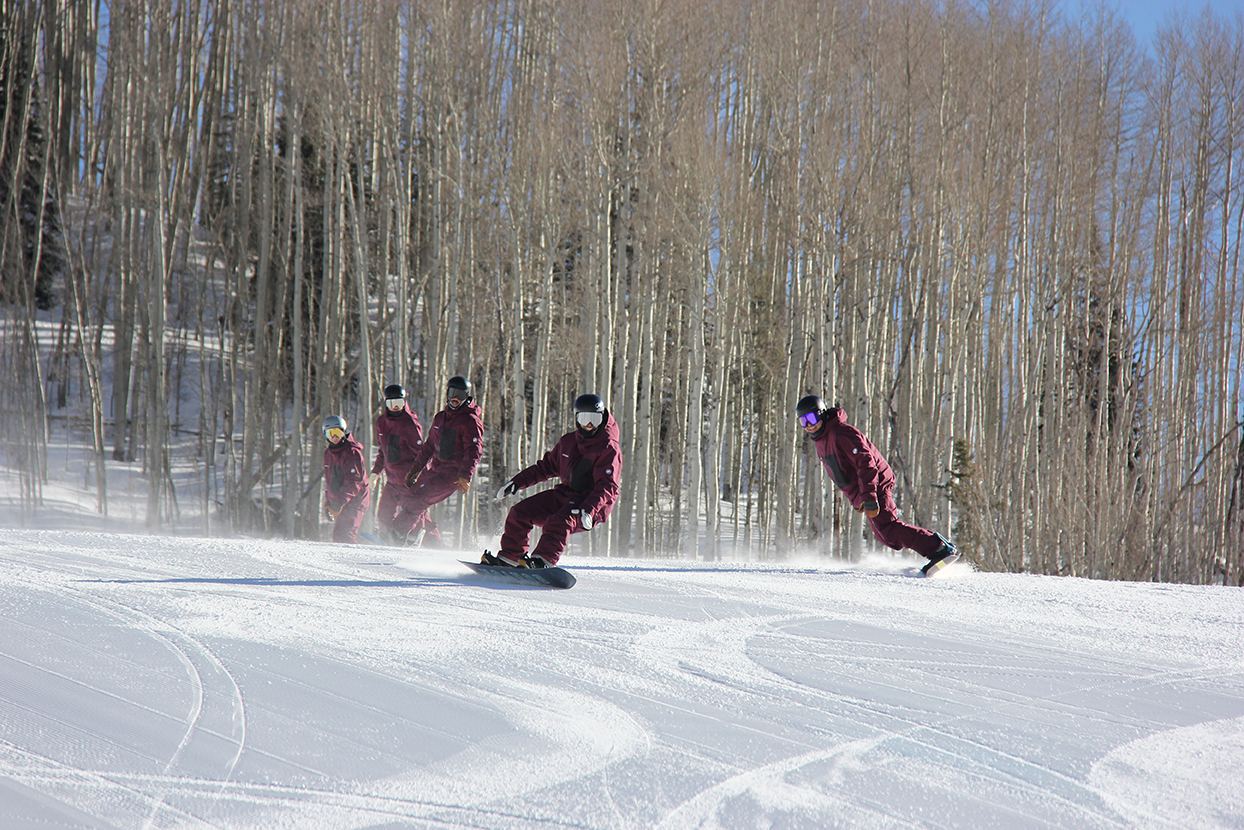
In contrast to the unique logistical environment of Ski Santa Fe, larger destination resorts like Copper Mountain in Colorado have implemented comprehensive strategies to address the retention challenge head-on. Tony Macri, an AASI Snowboard Team Development Coach and trainer, highlights employee lodging as a "game-changer" in Copper’s approach to recruiting and retaining talented instructors. Recognizing the critical issue of housing affordability in Colorado mountain towns, Copper Mountain proactively engages in the lodging search for its employees. This includes identifying and securing cheaper, larger homes suitable for multiple instructors and dedicating spots within employee mountain lodging facilities. Such initiatives directly mitigate one of the most significant barriers to long-term employment in these regions.
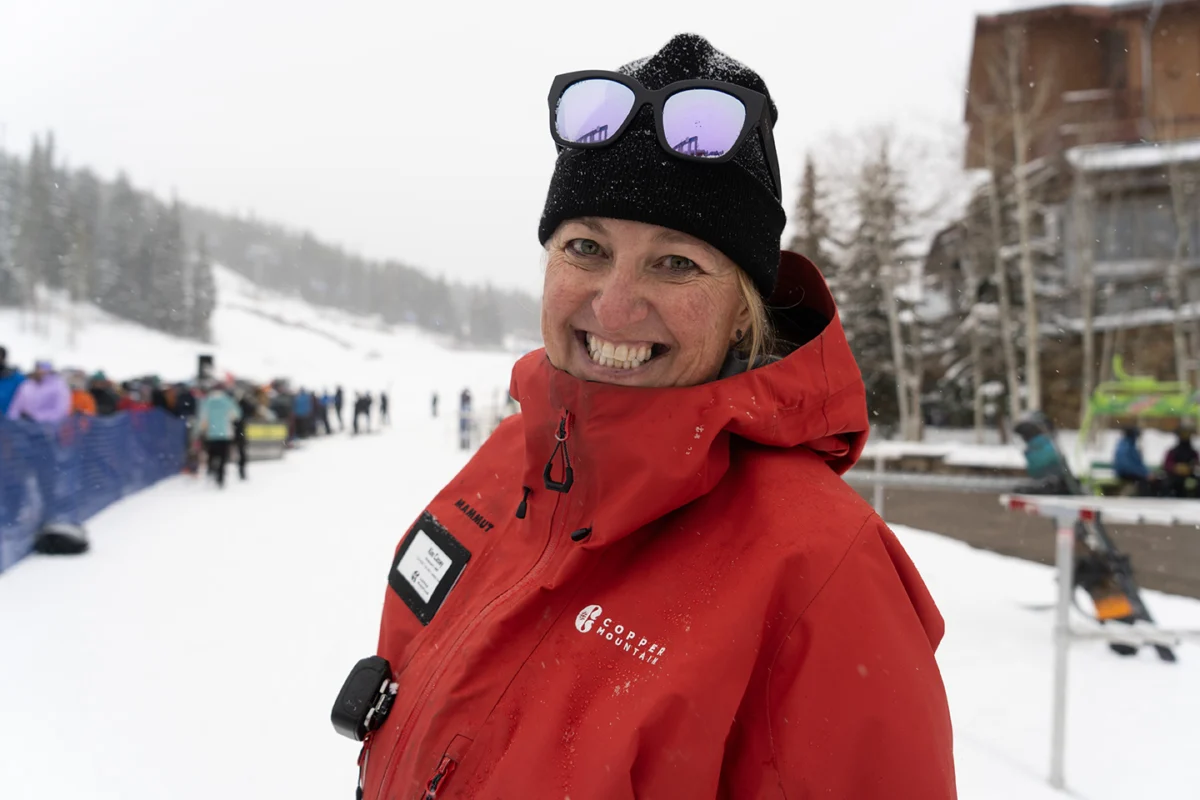
Beyond housing, Copper Mountain’s commitment to its instructors extends to year-round engagement and professional development. Kim Casey, the resort’s Director of Mountain Sports, emphasizes the paramount importance of nurturing relationships with instructors throughout the year. A robust training schedule is foundational, providing continuous opportunities for skill enhancement and career progression. This is complemented by consistent year-round communication and off-season "meet-ups," which foster a sustained sense of community even when the snow has melted. These integrated efforts have yielded impressive results, with Casey reporting an 87 percent return rate for the snowsports school this year – a testament to the effectiveness of their retention strategies.
Macri further elaborates on the psychological and professional benefits of such an environment. Instructors are not merely chasing certifications; they are actively building "very strong relationships to the resort trainers, even developing training families or small groups that train together toward similar goals." This peer-to-peer and mentor-mentee dynamic creates a powerful support network. The visible progression from aspiring instructor to certified professional, and eventually to leadership roles as supervisors or trainers, provides a clear career path that incentivizes long-term commitment. "It’s great to see folks take their certification exams and then come back with that freshly shined pin," Macri observes, adding, "It goes to another level when those first-year instructors come back year after year and eventually take on leadership roles to become supervisors or even trainers." This organic growth within the organization not only retains talent but also cultivates a deep institutional knowledge base.
The Indelible Power of Culture: Mount Snow’s Model
While practical support like housing and robust training are crucial, the intangible element of culture emerges as an equally powerful, if not more potent, factor in instructor retention. Keith Rodney, a PSIA Telemark Team member, underscores this point, stating, "The thing I’ve noticed is that the stronger the culture is, the lower the turnover." He posits that a vibrant, inclusive culture is "key to keeping the interest alive."
Rodney points to his home mountain of Mount Snow, Vermont, as a prime example. Despite many staff members commuting significant distances—from an hour and a half to four hours away—a remarkable 70 percent of the staff maintain year-round connections and actively participate in the mountain community. This level of dedication, defying geographical distance, speaks volumes about the magnetic pull of Mount Snow’s culture. Rodney likens the feeling to "that feel when you walk into the house for Thanksgiving and recognize everybody," suggesting a profound sense of belonging, warmth, and shared history. This strong communal bond transforms a seasonal job into a deeply personal and enduring affiliation, where individuals feel genuinely valued and connected.
Broader Impact and Implications for the Industry
The insights from Ski Santa Fe, Copper Mountain, and Mount Snow collectively paint a comprehensive picture of effective workforce management in the snowsports industry. The implications of these strategies extend far beyond mere staff numbers:
- Enhanced Guest Experience: A stable, experienced, and motivated instructor workforce directly translates to higher quality lessons and a more positive overall experience for guests. Instructors who feel valued and supported are more likely to deliver exceptional service, fostering repeat visits and positive word-of-mouth.
- Economic Efficiency: Reducing turnover significantly lowers the substantial costs associated with recruitment, onboarding, and training new employees. It also increases productivity, as experienced instructors are more efficient and effective. The 87% return rate at Copper Mountain, for example, represents considerable savings and a more stable operational base.
- Professional Development and Standards: The emphasis on continuous training and certification, often facilitated by organizations like PSIA-AASI, elevates the professional standards across the industry. This creates a career pathway for instructors, transforming a seasonal job into a respected profession with opportunities for advancement.
- Community Building and Brand Loyalty: Resorts that successfully cultivate a strong internal community among their staff often extend that welcoming atmosphere to their guests. This fosters a sense of loyalty not just to the job, but to the resort’s brand and its unique culture.
- Addressing Future Workforce Needs: As demographics shift and the labor market evolves, proactive strategies for retention become even more critical. Resorts that prioritize employee well-being, professional growth, and community integration will be better positioned to attract and retain the next generation of snowsports professionals.
The journey of new hires like those at Ski Santa Fe, eager to live their dream, underscores the intrinsic motivation that draws individuals to snowsports instruction. However, sustaining that dream requires more than just passion. It demands a concerted effort from resorts to create environments where instructors feel supported, professionally challenged, and deeply connected. From addressing practical needs like housing to fostering an inclusive and familial culture, the most successful snowsports schools are demonstrating that investing in their people is not just good practice—it is essential for the long-term vitality of the sport. The "island on the hill" at Ski Santa Fe, the proactive support at Copper Mountain, and the vibrant culture of Mount Snow all converge on one fundamental truth: in the snowsports world, community is not just a perk; it is the bedrock of a thriving, dedicated workforce.
