

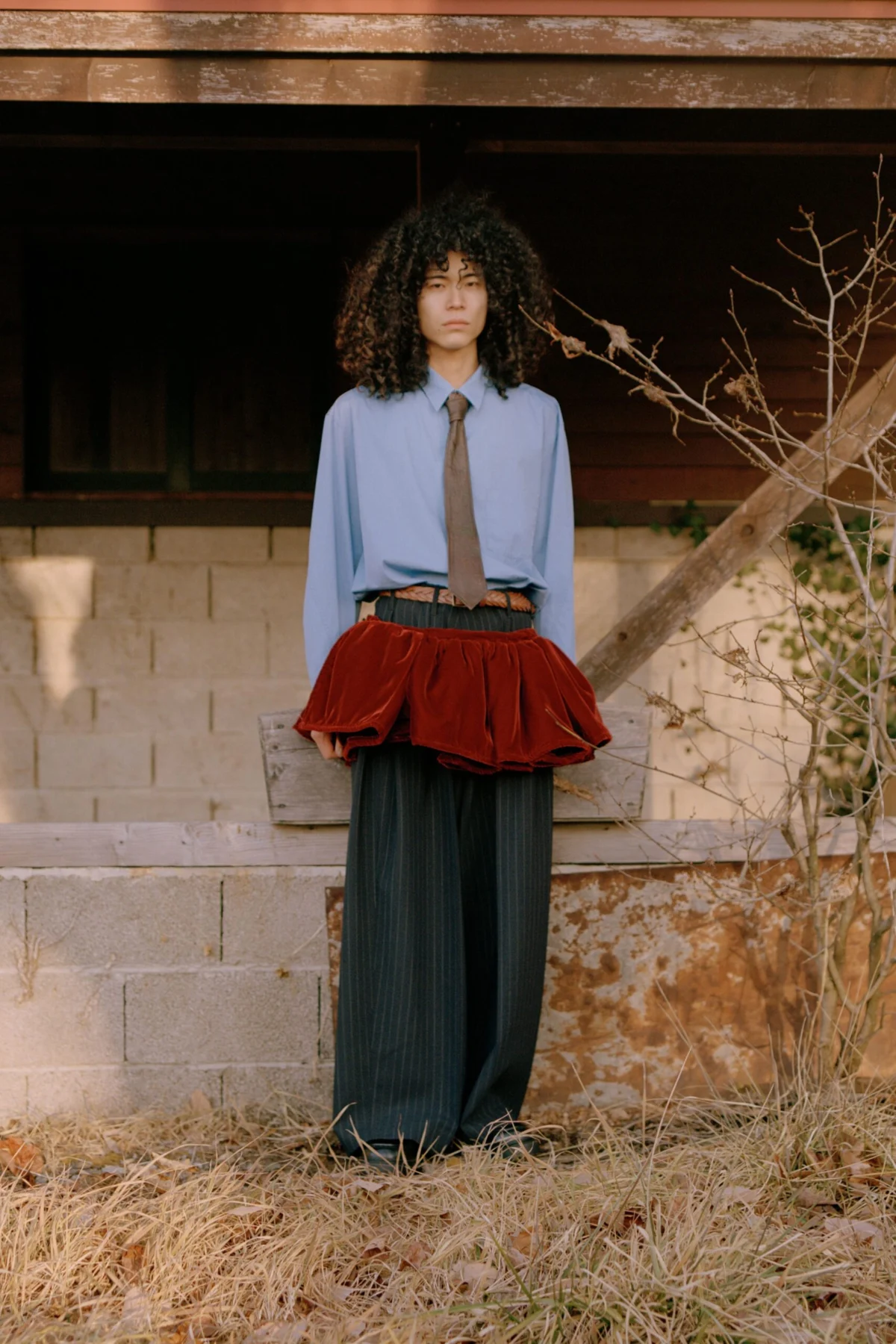
The Autumn/Winter 2026 collection from Khoki represents a pivotal moment for the enigmatic menswear label, as it embarks on a deliberate journey to define and articulate its unique design ethos. For years, Khoki, steered by a collective of discreet yet exceptionally talented designers, has been cultivating a dedicated following within the menswear community. However, the brand has occasionally grappled with clearly communicating its artistic direction, leaving some observers and consumers seeking a more defined narrative. This season, the creative team has proactively addressed this by refining the conceptual framework surrounding their work, posing the fundamental question: "What truly embodies the essence of ‘Khoki’?" Through this introspective process, several recurring themes have surfaced, including the eclectic charm of flea markets, the inherent beauty found within controlled chaos, and the enduring motifs of American folk art, all of which have been meticulously woven into the fabric of their latest offering.
A Season of Reflection and Consolidation: The Genesis of Autumn/Winter 2026
The Autumn/Winter 2026 collection is characterized by a profound sense of reflection and consolidation, a sentiment amplified by its evocative presentation. The accompanying campaign imagery was strategically captured within the childhood home of Koki Abe, a co-founder and key designer. This deliberate choice of location was not arbitrary; it symbolizes a conscious effort to bridge the brand’s evolving creative output with its personal origins. "This represents the intersection of my team’s work and my family home," Abe explained. "We wanted to capture the scenery of my hometown, which felt so boring and prison-like back then." This nostalgic yet transformative perspective imbues the collection with a deeply personal resonance, transforming perceived limitations into sources of creative inspiration.
The garments themselves bear the indelible marks of this exploration. Notably, the collection features striking puffy floral pieces that have been ingeniously repurposed from what Abe described as "uncool" cushion covers sourced from his parents’ and aunt’s residences. This act of salvaging and recontextualizing domestic textiles speaks volumes about Khoki’s approach to design – finding value and beauty in the overlooked and the ordinary. These repurposed floral elements are juxtaposed with a range of carefully considered silhouettes, including bow-legged painter pants, which evoke a sense of utilitarian workwear, and fluid, drapey pinstripe trousers that offer a sharp sartorial counterpoint. Adding another layer of textural and visual interest are the inclusion of surprisingly soft, puffy velvet mini skirts, creating a dynamic interplay of masculine and feminine codes, hard and soft textures, and familiar and unexpected forms.
Lessons Learned from the Past: Navigating Design and Commercial Viability
The strategic decisions behind the Autumn/Winter 2026 collection are also informed by past experiences, particularly the reception of the previous season’s offerings. Last season, Khoki placed a significant emphasis on Kyoto hand-dyeing techniques. While this approach undoubtedly showcased technical prowess and aesthetic sophistication, it led to a noticeable reduction in the presence of the brand’s signature elements, such as its well-loved quilting. Koki Abe candidly acknowledged the disconnect between the artistic intent and the market’s response. "In my mind, it was a kind of chaotic beauty, bringing together Japanese traditions and everything else into one collection," he stated. "But from a sales perspective, it didn’t really translate." This observation highlights a common challenge faced by emerging and established designers alike: the delicate balance between artistic expression and commercial appeal. The "confusion" among buyers, as Abe described it, underscores the importance of a clear and consistent brand identity that resonates with consumer expectations and purchasing behavior.
The brand’s commitment to exploration is not a new phenomenon. Khoki has consistently engaged with diverse cultural influences and artisanal techniques throughout its relatively short but impactful history. Founded in 2011, the label quickly garnered attention for its distinctive blend of utilitarian design, workwear influences, and a playful, often subversive, approach to traditional menswear. Early collections were marked by a strong emphasis on durable fabrics, functional details, and a somewhat deconstructed aesthetic. However, as the brand matured, so did its willingness to experiment with a broader palette of materials, techniques, and cultural references. The Kyoto hand-dyeing initiative, while not a commercial triumph, demonstrated Khoki’s ambition to push creative boundaries and engage with global craft traditions. The lessons learned from that experience have clearly informed the more grounded and conceptually cohesive approach seen in the Autumn/Winter 2026 collection.
The Whimsy Factor: Khoki’s Enduring Design Strength
The most captivating aspects of the Autumn/Winter 2026 collection are undoubtedly those that leverage Khoki’s most significant design asset: its inherent whimsy. This playful spirit is artfully expressed through a series of innovative garment constructions and unexpected material combinations. The iconic MA-1 bomber jackets, a staple of military-inspired fashion, are revitalized with vibrant patchwork detailing, injecting an element of unexpected joy and individuality. This approach transforms a utilitarian piece into a canvas for personal expression.
Furthermore, the collection features romantic lace cuffs that appear to organically sprout from the confines of otherwise classic striped shirts. This detail offers a delightful subversion of conventional dress codes, blending masculine formality with a touch of ethereal femininity. The brand also demonstrates a masterful ability to juxtapose contrasting elements, as seen in the integration of tough canvas workwear jackets with surprisingly soft Cowichan sweaters. This fusion of rugged durability with comforting texture creates garments that are both practical and emotionally resonant. These pieces, in their deliberate embrace of unexpected pairings and their confident assertion of a unique aesthetic, are what Koki Abe aptly describes as "very charming—and yes, very Khoki." This recurring phrase serves not only as a descriptor but as a confident affirmation of the brand’s evolving and increasingly well-defined identity.
Broader Implications: The Evolving Landscape of Menswear
Khoki’s current trajectory reflects a broader trend within the contemporary fashion landscape, particularly in menswear. Designers are increasingly seeking to imbue their collections with personal narratives, cultural references, and a sense of authenticity that resonates with a discerning consumer base. The emphasis on sustainable practices, such as the repurposing of existing materials, also aligns with growing consumer awareness and demand for environmentally conscious fashion.
The success of Khoki’s Autumn/Winter 2026 collection, particularly its ability to articulate a clear design identity while remaining creatively adventurous, has significant implications for the brand’s future. By successfully balancing artistic vision with market understanding, Khoki is poised to solidify its position as a key player in the contemporary menswear arena. The brand’s commitment to exploring its roots, both geographically and conceptually, suggests a future where authenticity and innovative design will continue to be its guiding principles. As the fashion industry continues to evolve, brands that can effectively communicate a compelling story and deliver on a distinct aesthetic are those that will ultimately thrive. Khoki, with this latest collection, appears to have found its voice and is speaking it with increasing confidence and clarity. The journey of self-discovery for Khoki has not only enriched its design language but also provided a compelling narrative for its growing legion of fans.
