

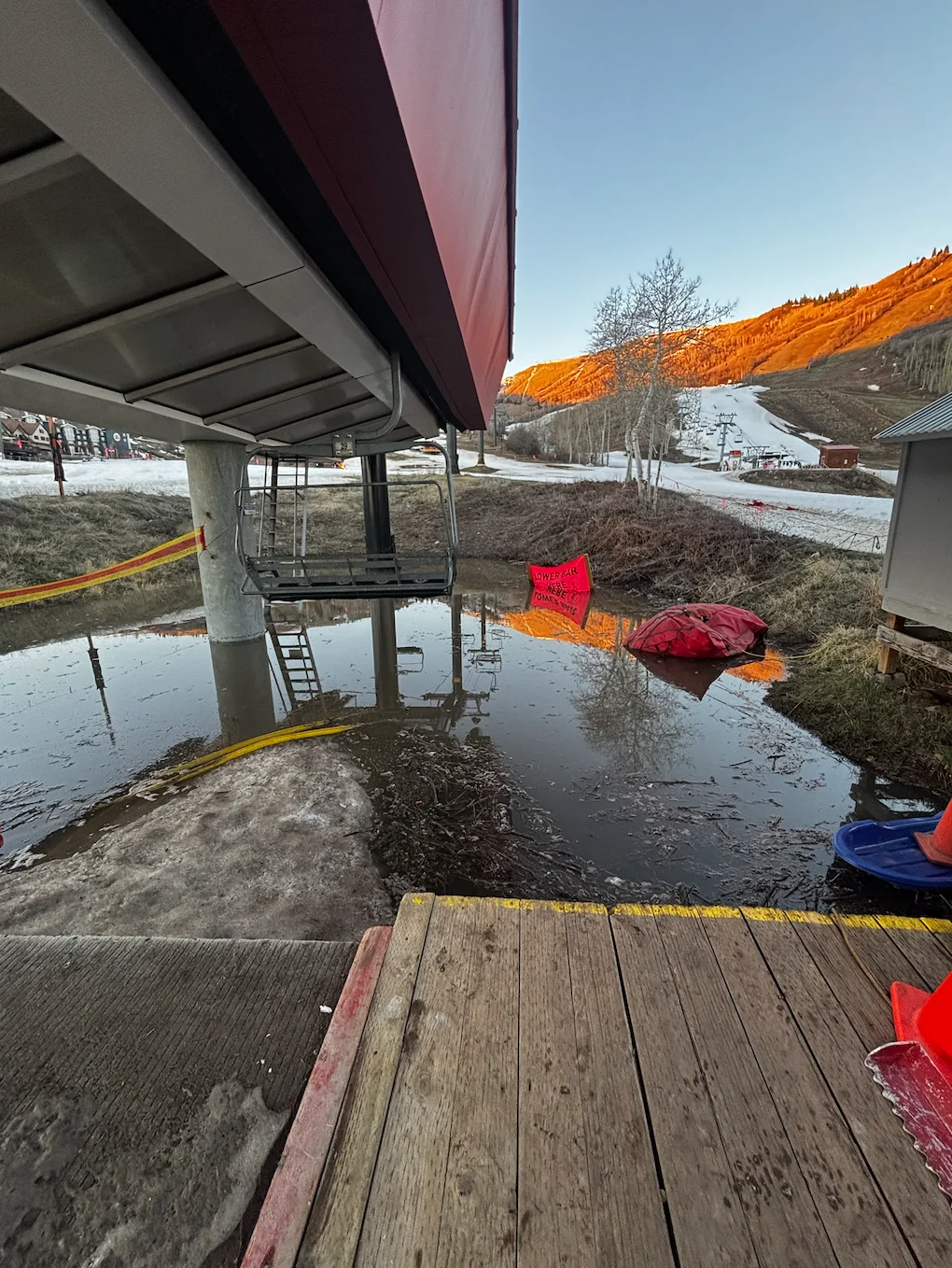
The spring season of 2026, typically heralded by the ideal conditions for corn snow and the ubiquitous goggle tan, has instead delivered an atypical and alarming surge of heat to Utah’s Wasatch Front. This unusual meteorological event has compelled two of the region’s premier ski destinations, Deer Valley Resort and Park City Mountain, to significantly curtail their operating seasons, marking a profound shift in the typical rhythm of the ski industry. The swift and severe impact of these conditions has been felt acutely by seasoned locals and visitors alike, transforming once-pristine slopes into slushy, waterlogged terrain. Base temperatures at Park City Mountain, for instance, soared to nearly 80 degrees Fahrenheit in the week preceding these announcements, creating extensive slush ponds that, by day’s end, had expanded into literal lakes beneath the main lift lines, a stark departure from expected late-season conditions.
The Grip of an Unseasonal Heatwave: A Closer Look at the Meteorological Anomaly
The unprecedented warm spell that gripped the Wasatch Range in mid-to-late March 2026 represented a significant deviation from historical weather patterns. While spring skiing often involves warmer days and softer snow, the duration and intensity of this particular heatwave were extraordinary. Local meteorological data, when compared against 30-year averages for March, revealed temperatures consistently exceeding typical daytime highs by 15-20 degrees Fahrenheit. Nights, which usually provide a crucial freeze-thaw cycle to preserve snowpack, remained unseasonably warm, preventing any significant refreezing. This sustained thermal assault meant that the snowpack, already diminished by a winter that saw variable snowfall, had no reprieve, leading to an accelerated and aggressive melt.
The immediate consequences were visually dramatic and operationally challenging. What would normally be firm, carveable corn snow by morning quickly degenerated into heavy, unmanageable slush by midday. By late afternoon, lower elevation trails and flat areas became inundated, resembling shallow ponds rather than ski runs. This not only degraded the skiing experience but also posed significant safety concerns, as deep, wet snow can cause skis to seize unexpectedly, increasing the risk of falls and injuries. Furthermore, the sheer volume of meltwater put a strain on drainage systems and created hazards around lift loading and unloading areas, making operations increasingly difficult and ultimately unsustainable for many parts of the resorts.
Deer Valley’s Swift Exit: Three Weeks Ahead of Schedule
In response to these rapidly deteriorating conditions, Deer Valley Resort, renowned for its meticulously groomed, ski-only terrain and luxury experience, announced its early closure for the 2025-26 ski season. The resort confirmed that its last day of operations would be Sunday, March 29, 2026. This decision came a full three weeks ahead of its initially targeted closing date of April 19, a date typically anticipated by skiers for prime spring conditions.

The resort’s official statement cited the "unprecedented warm temperatures" and the resulting "rapid snowpack degradation" as the primary drivers for this difficult decision. Data released concurrently revealed a critical statistic: Deer Valley’s snowpack stood at a mere 41% of its historical median for that time of year. This figure is not just a number; it represents the critical mass of snow required to maintain safe and enjoyable skiing conditions across the resort’s diverse terrain. Such a low percentage indicates that many runs had already become impassable, exposing rocks, dirt, and other hazards that threaten both skier safety and equipment integrity.
To acknowledge the understanding and loyalty of its patrons during this abbreviated season, Deer Valley Resort organized a Season Pass Holder Appreciation Weekend on March 28 and 29. During this special event, all valid season passes, including Mid-week and Utah Limited passes, were honored with complimentary lunches. This gesture aimed to provide a positive, albeit truncated, final experience for its dedicated pass holders, offering a small consolation amidst the widespread disappointment of an early end to winter. The early closure of Deer Valley, a resort synonymous with consistent quality, sent a clear signal through the ski community about the severity of the prevailing conditions.
Park City Mountain’s Phased Shutdown: A Tale of Two Villages
Park City Mountain, the largest ski resort in the United States, also found itself grappling with the same climatic pressures, necessitating a phased shutdown of its expansive operations. The resort’s management announced that its lower-elevation Mountain Village would cease winter operations after Sunday, March 29, mirroring Deer Valley’s timeline. This decision highlights a crucial geographical factor: the significant elevation difference between the two primary base areas of Park City Mountain Resort – Mountain Village and Canyons Village.
Mountain Village, with its base elevation lower than that of Canyons Village, was particularly vulnerable to the relentless heat. The rapid melt meant that by Saturday, March 28, terrain at Mountain Village was severely limited. Only a handful of lifts and runs remained operational, specifically Payday, Crescent, 3 Kings (primarily for park access), and First Time (a key beginner lift). By Sunday, the final day for Mountain Village, operations were further scaled back to just First Time and 3 Kings, underscoring the critical loss of snow cover across the majority of its terrain.
In contrast, the higher elevation of Canyons Village offered a temporary reprieve. Its upper reaches, benefiting from slightly cooler temperatures and a deeper initial snowpack, were able to sustain operations for a longer period. This allowed Park City Mountain to continue offering some form of skiing and snowboarding, albeit with reduced terrain, for an extended duration beyond the Mountain Village closure. The operational divergence between the two villages served as a vivid illustration of how even relatively minor differences in altitude can profoundly impact snow preservation in a warming climate. This strategic advantage allowed the resort to maintain some level of service, albeit diminished, for its guests for a while longer.

Economic Ripple Effects: Beyond the Slopes
The early cessation of ski operations at both Deer Valley and Park City Mountain in 2026 is poised to trigger significant economic repercussions for the entire Park City community and the broader Utah tourism sector. The ski industry is a cornerstone of Utah’s winter economy, supporting a vast ecosystem of businesses ranging from hotels and restaurants to retail shops, equipment rental services, and transportation providers.
Estimates suggest that an early closure of this magnitude, particularly one affecting multiple major resorts simultaneously, could result in millions of dollars in lost revenue. For resorts themselves, this means a direct loss of ticket sales, lesson bookings, and on-mountain food and beverage expenditures for several weeks. Beyond the resorts, the impact cascades through the local economy. Hotels and vacation rentals face cancellations and reduced bookings, especially for the typically popular late-season spring break period. Restaurants, bars, and retail establishments, which rely heavily on tourist spending, will experience a downturn.
Perhaps most acutely affected are the thousands of seasonal employees who form the backbone of the ski industry. Early closures translate directly into earlier layoffs, impacting lift operators, ski instructors, patrol members, hospitality staff, and many others. Many of these individuals depend on the full length of the ski season to earn their livelihoods, and an abrupt end can create financial hardship, potentially leading to an outflow of talent from the region. Local government bodies, which derive significant tax revenue from tourism, may also see a reduction in funds allocated for public services. The challenge for Park City’s business community now shifts from managing winter crowds to adapting to an unexpectedly early transition to off-season conditions, necessitating swift adjustments to staffing, inventory, and marketing strategies.
Broader Implications: Climate Change and the Future of Skiing in the Wasatch
The 2026 early closures are not isolated incidents but rather stark manifestations of a broader trend of increasingly volatile winter seasons, widely attributed to climate change. Scientific consensus points to rising global temperatures leading to shorter, warmer winters, particularly at lower and mid-elevations. For ski resorts like those in the Wasatch, this translates to reduced natural snowfall, a higher rain-to-snow ratio during storms, and more frequent warm spells that rapidly melt existing snowpack.
The "41% of historical median" snowpack figure at Deer Valley is particularly concerning when viewed through this lens. Such low percentages, if they become more common, threaten the long-term viability of resorts that rely on robust natural snow. While both Deer Valley and Park City Mountain have invested heavily in sophisticated snowmaking infrastructure, there are limits to its effectiveness. Snowmaking requires specific temperature windows (typically below freezing) and substantial water resources, which themselves can become constrained in drought conditions exacerbated by diminished snowpacks.

This situation prompts critical questions for the future of the ski industry in the region. Resorts may need to consider further investments in high-efficiency snowmaking, explore higher-elevation terrain expansion (where feasible), or even diversify their offerings to be less reliant on snow-based activities. There’s an increasing emphasis on summer tourism, with attractions like mountain biking, hiking, and scenic lift rides becoming more central to year-round business models. However, for a community built around the allure of world-class skiing, the psychological and cultural impact of shorter, less reliable winter seasons is profound. It challenges the very identity of Park City as a premier winter sports destination.
Community Resilience and Adaptation
Despite the challenges, the Park City community is known for its resilience and adaptability. As the ski slopes transition rapidly from winter to early spring, the focus shifts to alternative activities and events. Park City Mountain, recognizing the desire for continued engagement, maintained its "Peaks & Beats" music series at Canyons Village for the final weekend, featuring Electric Guest on Saturday. Such events offer a valuable distraction and a sense of community, even as the primary draw of skiing diminishes.
Local businesses are also quick to pivot, promoting early-season hiking, biking, and other outdoor pursuits. Gear shops begin transitioning from skis and snowboards to bikes and trail running equipment. The narrative subtly shifts from chasing powder to embracing the "shoulder season" – a period that offers unique opportunities for exploration in the mountains without the winter crowds.
However, the underlying concern about the long-term sustainability of traditional winter sports remains. Discussions within the community are likely to intensify regarding climate action, water conservation, and strategic planning for a future with potentially less consistent snowfall. While the immediate focus is on making the most of the remaining turns and celebrating the camaraderie of the ski season, the 2026 early closures serve as a potent reminder that Mother Nature, with her increasingly unpredictable plans, is dictating a new reality for mountain towns like Park City.
Conclusion: A Wake-Up Call for Winter Sports
The spring of 2026 in Park City will be remembered not for its legendary corn snow, but for its record-breaking heat and the premature closures of its iconic ski resorts. Deer Valley’s three-week early exit and Park City Mountain’s phased shutdown, driven by an unprecedented combination of high temperatures and rapidly diminishing snowpack, underscore the vulnerability of the winter sports industry to climatic shifts. These events serve as a powerful wake-up call, highlighting the immediate economic consequences for local businesses and seasonal workers, and raising crucial questions about the long-term future of skiing in the Wasatch Front. As the community transitions from skis to bikes and other warm-weather pursuits, the experience of 2026 will undoubtedly shape future planning, resource management, and climate adaptation strategies, as resorts and residents alike grapple with the evolving landscape of winter in the mountains.
