

Published March 4, 2026, 09:04 AM PST
A customer towered over me, their foot secured in my grip as a vacuum bag sealed shut, meticulously encasing it. For years, my professional life as a bootfitter involved this precise ritual, shaping and molding custom footbeds for skiers of all levels. I’ve likely crafted over a thousand pairs, heating heel cups, adhering them to insoles, and meticulously positioning feet in an athletic stance before the final seal. Yet, my personal skiing experience is remarkably different. I opt for readily available, trim-to-fit footbeds, a fraction of the cost, and I believe many skiers could benefit from the same pragmatic approach. This article explores the often-misunderstood world of ski boot insoles and offers a perspective that challenges conventional wisdom in boot fitting.
The Biomechanical Imperative: Understanding Footbed Functionality
The primary objective of any ski boot insole, whether custom or off-the-shelf, is to stabilize the heel. This stability is crucial, as the heel acts as the foundational element in a complex chain of biomechanical movements that govern the entire body’s alignment and control while skiing. When the heel is improperly positioned or unstable, it triggers a cascade of compensatory movements throughout the foot, ankle, leg, and ultimately, the skier’s stance.
Many skiers mistakenly believe custom footbeds are primarily about arch support. While arch height can be a factor, the paramount concern for performance and comfort in ski boots is heel retention. A stable heel ensures that the rest of the foot remains predictably positioned within the rigid confines of the ski boot shell. Without this foundational support, the foot is prone to unwanted movement, leading to a host of issues.
Consider the common experience of stepping into a ski boot with a stock insole – often little more than a basic piece of foam. Many individuals immediately feel uncomfortable pressure points, particularly along the inner aspect of the ankle. This sensation typically arises from a slight inward rolling of the heel, a phenomenon known as pronation. As the heel rolls inward, the foot is pushed laterally against the unyielding plastic of the boot shell, creating discomfort and hindering precise control.
The Role of Heel Support in Skiing Dynamics
A well-designed footbed actively counteracts this inward rolling motion, thereby controlling pronation. By stabilizing the heel, the foot is kept centered within the boot, allowing for more efficient and fluid transitions between ski edges. This centered position is essential for transmitting energy directly to the skis and maintaining a balanced, controlled stance throughout the turn.
It’s worth noting that some elite athletes, such as World Cup racers, may require a more nuanced approach. In certain high-performance scenarios, a degree of controlled pronation might be intentionally incorporated into their footbed design. This can facilitate quicker edge engagement and allow for steeper edge angles by providing a subtle levering effect. However, for the vast majority of recreational skiers, who do not operate at this extreme level of precision and intent, such specialized adjustments are often unnecessary and can even be detrimental. The goal for most skiers is a stable, predictable platform that allows for consistent control and comfort.
The Perils of the Customization Craze: A Bootfitter’s Journey
Before I transitioned into boot fitting, my personal journey as a skier was marked by persistent discomfort. Possessing a naturally slender foot structure and relatively underdeveloped calf muscles, I frequently experienced foot pain, ankle aches, and significant shin discomfort. This led me on a quest to find solutions, consulting numerous bootfitters along the way.
During this period, I encountered a wide array of conflicting advice. Some fitters diagnosed my issues as overly high arches, while others attributed them to foot hypermobility. Recommendations ranged from softer boot shells to narrower fits, and even concerns about boot length. Amidst this diagnostic uncertainty, I was repeatedly offered and sold various accessories, including shims, wedges, and, of course, custom-molded footbeds.
The narrative often presented to skiers is that custom footbeds are a panacea for all boot-related discomfort. When boots hurt, the immediate assumption is that custom insoles are the necessary solution. This can lead some bootfitters to prematurely recommend custom footbeds without a thorough assessment of the individual skier’s biomechanics and boot fit. While many skiers undoubtedly benefit from the added support of custom insoles, my professional experience revealed a more complex reality. A significant portion – over half, in my observation – of the custom footbeds I encountered from other shops were either poorly constructed or actively contributing to the very problems they were intended to solve.
The Subtleties of Custom Footbed Construction: Where Precision Matters
The inherent challenge with custom footbeds lies in their individualized nature. Every foot is unique, and consequently, every custom footbed should theoretically be tailored to that specific foot. However, the process of creating a custom footbed, while seemingly straightforward, is rife with potential for error. Minor inaccuracies in shaping the heel cup or positioning the foot during the molding process can inadvertently introduce subtle but significant angular deviations. These misalignments can disrupt the skier’s natural stance and exacerbate existing issues or create new ones.
A common method involves "weighted" molding, where the skier stands on a heated, malleable material. My previous shop, however, favored "unweighted" customs. This technique involves the skier sitting with their feet dangling, allowing the fitter to manually manipulate the skier’s foot into an athletic position. A vacuum bag then draws a hot, pliable footbed onto the underside of the foot. Even with this more controlled approach, mistakes can occur. For instance, excessive pressure applied to the outer edge of the heel during molding can inadvertently create a higher outer wall, leading to undue pressure on the ankle bone.
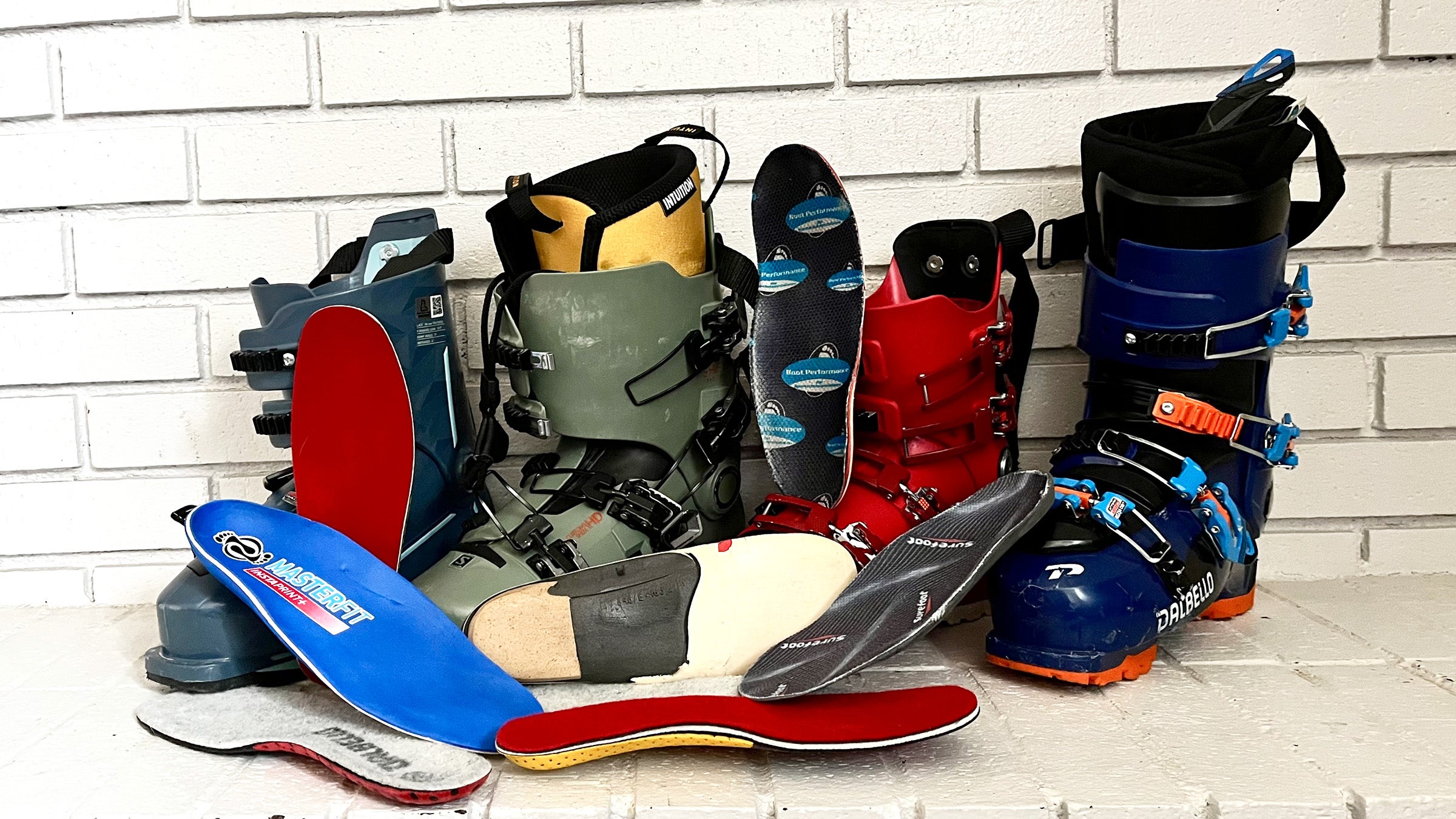
Our shop maintained a substantial collection of discarded custom footbeds, a testament to the frequency with which they were replaced by more effective solutions. While well-executed custom footbeds can indeed outperform the basic insoles provided with stock boots, poorly constructed ones can introduce pain, discomfort, and a host of new problems that the skier never experienced before.
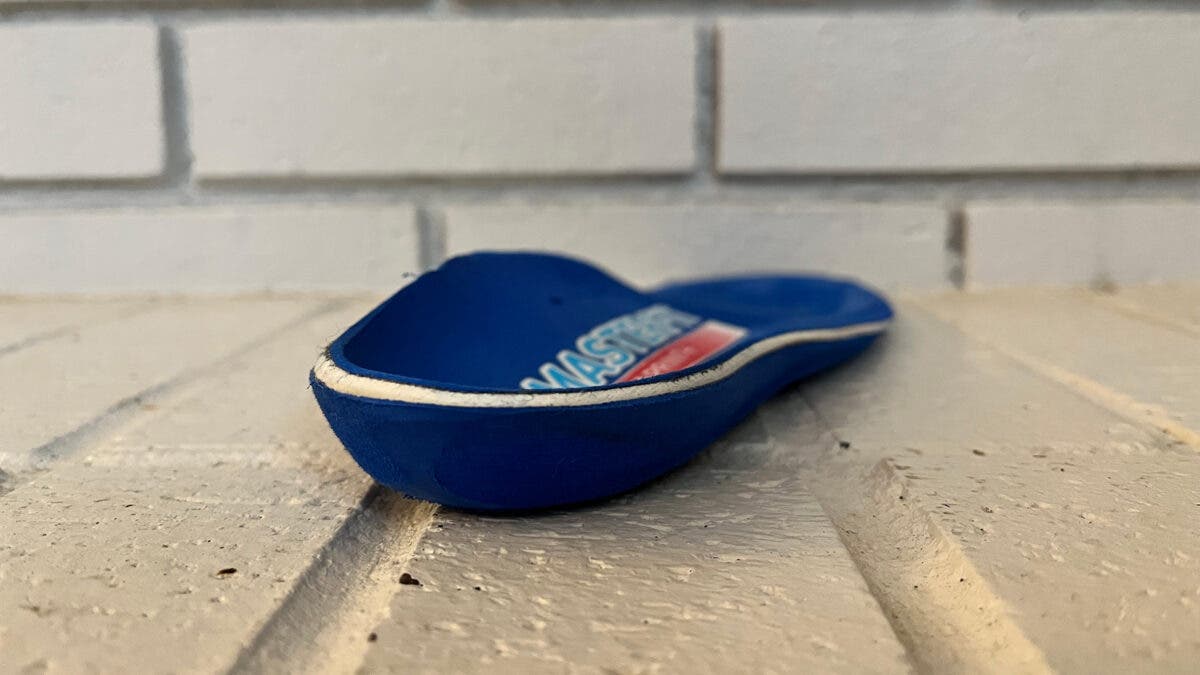
The financial implication is also considerable. Skiers often invest upwards of $200 for custom footbeds, only to discover their boots remain uncomfortable. If a subsequent fitter identifies these expensive insoles as the source of the problem, the skier is faced with the disheartening reality that their investment may be irrecoverable. Repairing poorly made custom footbeds is often impossible, especially if the materials used do not lend themselves to modification. In many cases, the only viable solution is to start over with a new set of insoles.
The Off-the-Rack Revolution: Practical Solutions for Enhanced Skiing
The search for a more reliable and accessible solution to footbed deficiencies led to the development of innovative, mass-produced insoles that cater to a broad spectrum of skiers. Sven Coomer, a visionary designer credited with groundbreaking contributions to ski boot technology, including the Zipfit liners and iconic models like the Nordica Grand Prix and Raichle Flexon, encountered this very problem decades ago.
Coomer’s elegant solution was to engineer a supportive heel cup designed to prevent pronation and accommodate a wide range of foot shapes. This concept evolved into the widely recognized Superfeet insoles and later inspired similar designs from brands like DownUnders. Following Coomer’s passing, Zipfit itself began offering a version of these specialized insoles.
The key distinction between these drop-in footbeds and custom-molded insoles lies in their design philosophy. Instead of being molded to an individual’s unique foot, they are engineered to provide support for an average heel shape, incorporating a typical amount of arch support and pronation control. The process for integrating them into a skier’s boots is straightforward: the fitter matches the heel cup size to the skier’s boot mondo size, trims the toe edges for a perfect fit within the boot liner, and bevels them for seamless insertion. Anecdotal evidence and professional experience suggest that this approach yields remarkable results. Hundreds of skiers have reported significant improvements in their skiing performance and comfort after switching to these drop-in footbeds.
My personal endorsement extends to the Superfeet Winter Thin Support ($55). These insoles strike an excellent balance between being lightweight, comfortable, and highly effective for a diverse range of skiers. Furthermore, their accessible price point makes them a practical and repeatable purchase, eliminating the financial gamble associated with custom options.
The next time a bootfitter advocates for a costly and potentially problematic custom footbed, take a moment to observe your surroundings. You might discover a discreet rack in a corner of the shop, often overlooked, containing a solution that could genuinely alleviate your skiing discomfort. For many, the path to better ski performance and comfort lies not in expensive customization, but in the accessible and effective world of off-the-rack innovation.
Jake Stern is a former editor at Outside and Powder magazines. His extensive experience as a professional ski bootfitter at Footloose Sports in Mammoth Lakes, California, provided him with deep insights into ski boot technology and fitting. This background informed his role as the category manager for ski boot reviews at SKI and Outside.
