

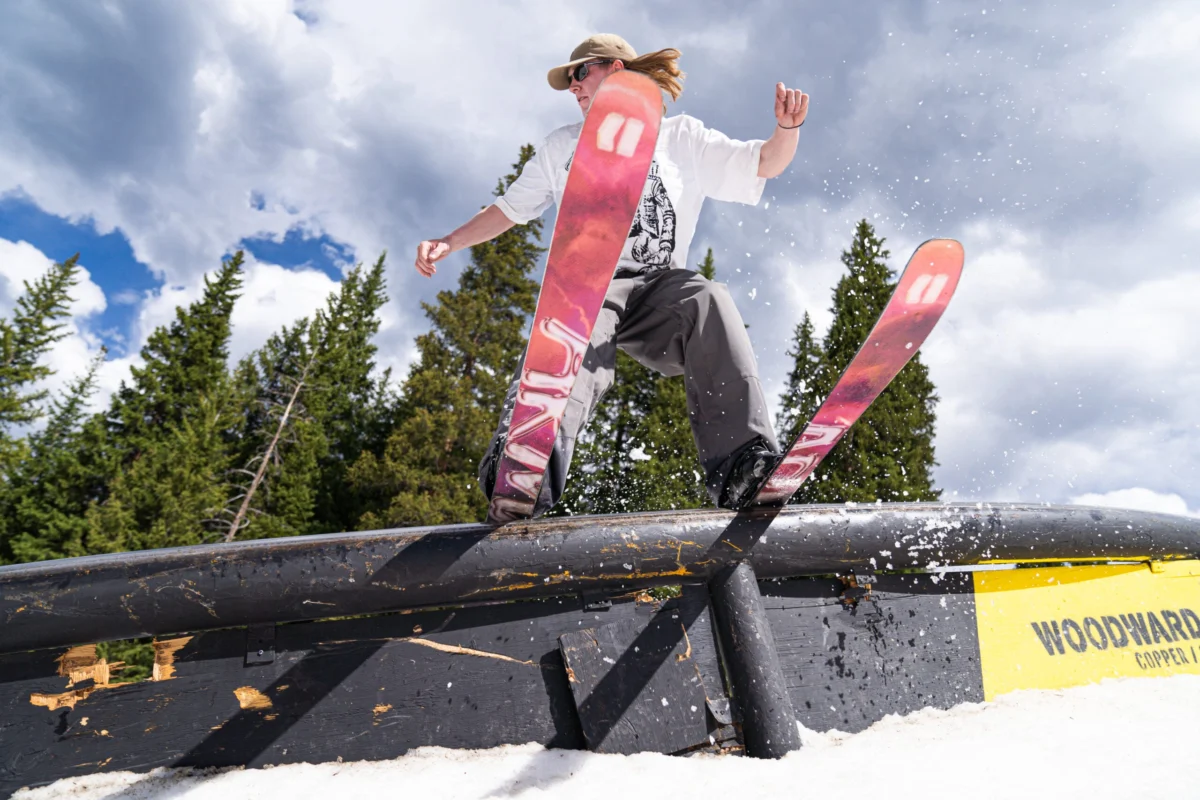
Despite a summer characterized by sun-drenched days and temperatures soaring into the mid-70s, Copper Mountain, Colorado, has managed to cultivate a vibrant, albeit unexpected, hub for winter sports enthusiasts. On a recent sunny July day, with wildflowers adorning the slopes, hikers and bikers traversing trails, and the golf course bustling, an incongruous yet impressive snowfield at the base area stood as a testament to ingenuity and passion. This anomaly hosts the Woodward Summer Hike Park, a dedicated freestyle terrain park that has become a magnet for skiers and snowboarders seeking to extend their season, defying what many have labeled one of the worst winters on record for snowfall. The park, operational since early June, showcases Copper Mountain’s commitment to year-round recreation and its ability to innovate in the face of environmental challenges.
A Persistent Oasis Amidst a Challenging Season
The sight of skiers and snowboarders carving turns and hitting features in July, against a backdrop of green mountains and blooming flora, is a stark contrast to the conventional image of winter sports. The Woodward Summer Hike Park, an integral part of Copper’s extensive Woodward training facilities, comprises 13 meticulously crafted rails and a prominent jump. These features are built entirely from snow meticulously farmed and preserved from the resort’s Superpipe, a testament to strategic snow management. Even as ambient temperatures regularly climbed to 75 degrees Fahrenheit in July, the park maintained a solid base, impressing both first-time visitors and seasoned regulars. This resilience is particularly remarkable given the preceding winter, which saw significantly diminished snowfall across the Rocky Mountains, impacting many resorts’ operational seasons and overall snow depth.
The Genesis of Summer Skiing at Copper Mountain
Copper Mountain’s foray into year-round snow sports is not entirely new, but its current iteration through the Woodward Summer Hike Park represents an evolution. Woodward Copper, established as a premier action sports training ground, has long been synonymous with fostering freestyle talent. While indoor facilities like "The Barn" offer year-round training on trampolines and foam pits, the desire for actual on-snow progression remains paramount for many athletes. Historically, summer skiing in North America has been predominantly associated with Pacific Northwest glaciers like Mt. Hood, which benefit from high elevation and consistent maritime snowfall. However, as climate patterns shift and resorts seek to diversify their offerings and maintain relevance, inland resorts like Copper have explored and expanded their summer snow programs. The concept of a "hike park" – where participants hike back up after each run rather than using a lift – reduces operational costs and environmental footprint, making it a sustainable model for extending the snow season in challenging conditions.
Navigating a Winter of Scarcity: The 2025-2026 Season in Review
The decision to open and sustain a summer snow park was made against a backdrop of an unusually lean winter season. The 2025-2026 winter saw Colorado ski resorts grapple with snowfall totals significantly below historical averages. For instance, preliminary data from the National Oceanic and Atmospheric Administration (NOAA) and local SNOTEL sites indicated that many regions in Colorado received only 60-70% of their average snowpack by peak season, a stark contrast to more robust years. This deficit led to delayed openings, early closures, and challenges in maintaining extensive terrain at numerous resorts. Copper Mountain, like its peers, faced operational adjustments, relying more heavily on snowmaking capabilities during colder windows.
It was during this challenging period that the foresight in snow management became critical. The snow harvested from the Superpipe, a large, sculpted halfpipe feature, was strategically piled and covered. This process, known as "snow farming" or "glacier grafting," involves compacting and insulating large quantities of snow to minimize melt-off over warmer months. By maintaining several feet of base depth for the park, Copper’s crew deliberately engineered a robust foundation, maximizing the park’s chances of enduring the intense solar radiation and high temperatures of a Colorado summer. This proactive approach underscores the resort’s commitment to delivering on its promise of summer skiing, even when nature provides limited assistance.
Voices from the Snowfield: A Diverse and Dedicated Community
The Woodward Summer Hike Park has become a gathering point for a unique community, united by an unyielding passion for snow sports. Participants hail from various backgrounds and locations, each with their own compelling reasons for making the pilgrimage to Copper’s summer snowfield.
Tom Sylla, who drove all the way from Portsmouth, New Hampshire, exemplifies this dedication. Sylla committed to living out of his car for the summer while taking a Wilderness First Responder course, but his skis were a non-negotiable companion. "I come out for the weekends. I just love skiing more than anything else in the world. There’s nothing I’d rather do with the summer," he stated, highlighting the profound connection many feel to the sport. When questioned about his choice of Copper, he pragmatically noted its closer proximity compared to the more traditional summer skiing destination of Mt. Hood. Regarding conditions, Sylla’s assessment was straightforward: "What you see is what you get. Some rails and a pile of snow." Yet, for him, it was more than sufficient to diligently work on mastering his switch tail glide 4, a technical trick requiring precision and practice.
Closer to home, Alex Fornoff from Golden, Colorado, made the scenic commute on his motorcycle, skis strapped to the back—a sight that drew curious stares on I-70. "People on I-70 saw skis on the motorcycle and were like, where are you going? I had to get some runs in July," he recounted, expressing the irresistible pull of summer snow. Fornoff, making his first visit to the Hike Park this summer, expressed surprise at the park’s scale. "This is honestly much bigger than it was last year, which is surprising, given how bad last season was. I’ve been in Colorado since 2012. Last season was the worst. Honestly, they have more snow here at the base than I recall from two years ago." His optimism for the park’s longevity was palpable: "I think it goes for at least another month or two. I don’t know how long this will last, but it’s awesome to have some degree of snow to ski on."
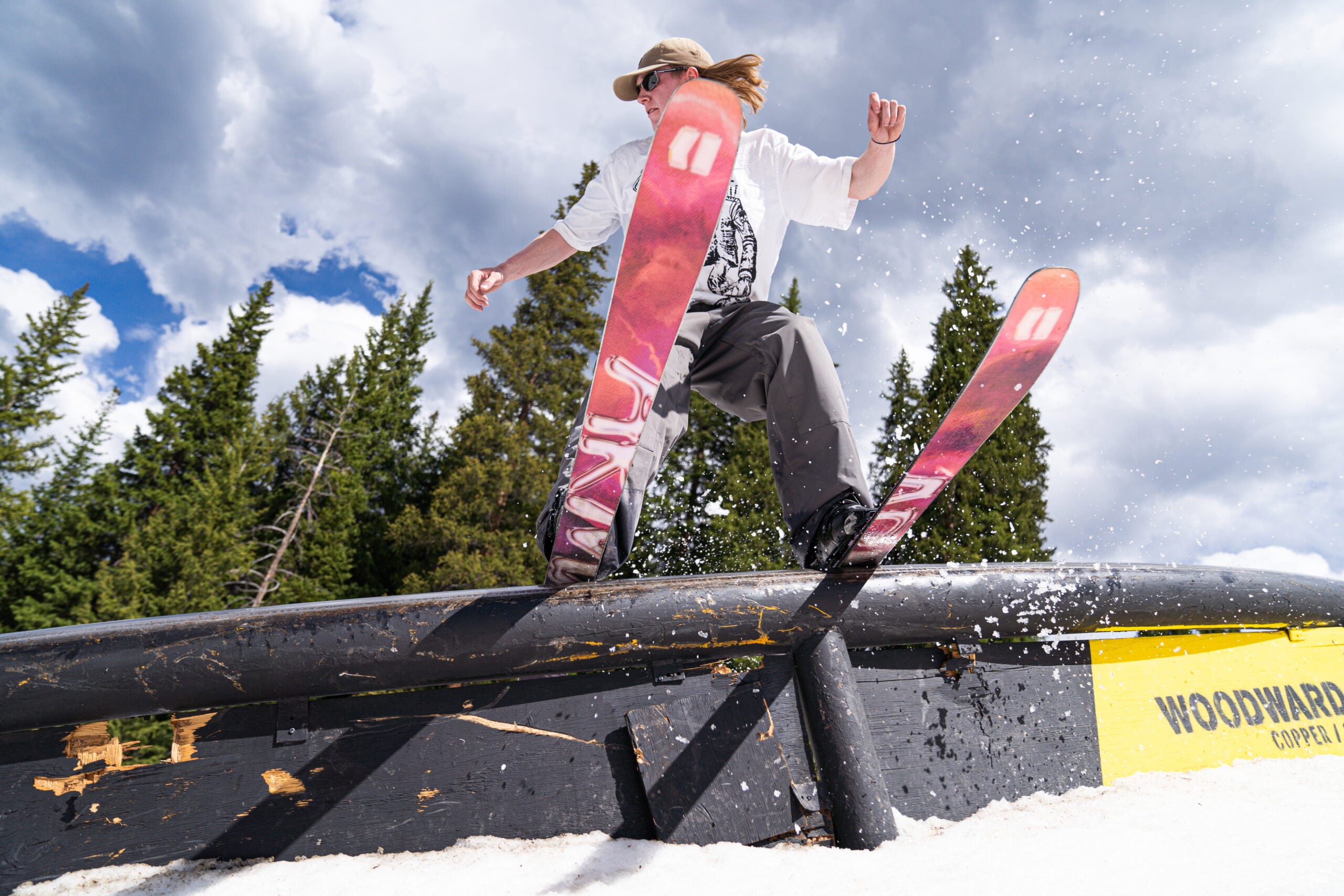
Fellow Coloradans Ryder Noakes from Arvada and Caleb Hottovy from Eagle found common ground at the park, both intensely focused on perfecting a 540 spin on the hip jump. Noakes, a first-timer, simply "just missed skiing," while Hottovy is a regular, hitting the park nearly every weekend. Their camaraderie was evident as Noakes explained, "We’re trying the same trick, so trying to help each other out." He added, "It’s pretty fun. I didn’t expect there to be a jump. I didn’t expect there to be this much. It’s a good setup. I think I’ll start coming more often."
Not all attendees were pursuing specific freestyle maneuvers. Adele Leskela, a Colorado transplant from Lake Superior, Wisconsin, sought a more fundamental solace: a snow fix after a disappointing winter. "Just missing winter," she explained, "We’ve got a little taste of it, a little snow for us leftover, so definitely trying to utilize it." Her sentiment resonated with many who simply longed for the feel of skis or a board on snow.
From Michigan, Lance Lavalle, who works at Snow Snake Ski & Golf, undertook a significant journey solely to experience Copper’s Hike Park. Planning a month-long stay, Lavalle is a returning enthusiast, having visited in September of the previous year. He articulated the unique appeal of freestyle skiing: "There’s something about creativity, the motion when you’re on a rail." His daily objective was clear: "See how many tricks I could do on the barrel rail." He proudly described a successful attempt: "A little Tokyo drift; I 180ed on and kept spinning. It was pretty fun." These individual narratives collectively paint a picture of a devoted subculture willing to travel distances and adapt to minimal conditions for the sheer joy of summer shredding.
Operational Details and Economic Impact
The Woodward Summer Hike Park operates Thursday through Sunday, from 10 a.m. to 5 p.m., with day tickets priced at an accessible $25. This schedule and pricing strategy aim to maximize participation while managing the finite resource of summer snow. The operational model, relying on participants hiking up rather than using lifts, significantly reduces energy consumption and maintenance costs, making it a sustainable venture.
The economic implications of such an attraction are noteworthy. While $25 day tickets may seem modest, the cumulative effect of hundreds of visitors over several months contributes to the local economy. More significantly, individuals like Tom Sylla and Lance Lavalle, who undertake multi-week or multi-month stays, provide substantial revenue to the resort and surrounding community through lodging, dining, retail, and other activities. This diversification helps Copper Mountain mitigate the seasonality often associated with mountain resorts, fostering a more stable year-round economy. It supports local businesses, from restaurants and gear shops to gas stations and grocery stores, proving that even a niche attraction can have a broad economic ripple effect. Furthermore, the park helps maintain Copper’s brand as a premier freestyle destination, attracting talent and enthusiasts who might otherwise travel to competing resorts or regions.
Looking Ahead: The Union Peak Festival and Future Prospects
Assuming the meticulously managed snow holds up, the Woodward Summer Hike Park is set to host a pivotal jib competition during Copper Mountain’s Union Peak Festival, scheduled for August 28-30. This event serves as a capstone to the summer season, blending the raw energy of freestyle competition with a broader celebration of mountain culture. The festival itself is a comprehensive weekend-long event, designed to appeal to a wide audience, featuring a 5K mountain run, invigorating yoga sessions, a mountain bike meet-up, and free concerts headlined by popular bands such as The Revivalists, Turnpike Troubadours, Magic City Hippies, and The Sheepdogs. The inclusion of a jib competition not only highlights the park’s success but also elevates its profile, drawing both participants and spectators who appreciate the unique spectacle of summer snow sports.
The continued success of Copper’s Summer Hike Park raises pertinent questions about the future of mountain resorts in a changing climate. As winters become less predictable, and snowfall totals fluctuate, the ability to adapt and innovate becomes paramount. Copper Mountain’s strategic snow farming and the dedication of its terrain park crew offer a potential blueprint for other resorts facing similar challenges. While not a complete substitute for a full winter season, these initiatives demonstrate a proactive approach to maintaining engagement with the winter sports community and diversifying revenue streams.
Environmental Considerations and Industry Adaptation
The practice of snow farming, while effective, also invites scrutiny regarding its environmental footprint. The energy required for snowmaking (if used to supplement natural snow for farming) and the resources expended in managing and preserving large snow piles are considerations. However, the relatively small footprint of the hike park compared to full-scale resort operations means its overall environmental impact is often less than extensive winter snowmaking efforts. Furthermore, the "hike park" model eliminates the energy consumption associated with chairlifts, presenting a greener alternative for accessing snow features.
The broader implication is that mountain resorts are increasingly becoming multi-season destinations, adapting to climate variability by offering a wider array of activities. Copper Mountain’s success with its summer snow park, alongside its robust summer hiking, biking, and golf programs, exemplifies this adaptive strategy. It suggests a future where resorts will need to be increasingly agile, creative, and resourceful in leveraging their natural assets and engineered environments to cater to evolving recreational demands. The demand from dedicated skiers and snowboarders, as evidenced by the diverse crowd at Copper, ensures that the pursuit of snow, even in summer, will continue to drive innovation in the industry. As the climate continues to evolve, Copper Mountain’s Woodward Summer Hike Park stands not only as a testament to human ingenuity and passion but also as a compelling case study in the ongoing adaptation of the winter sports industry.
