

As the ski industry prepares for the highly anticipated release of the annual Resort Guide rankings this October, a preliminary analysis has spotlighted 11 iconic North American ski destinations, each distinguished by a singular "superpower" that defines its unique appeal. Published on August 17, 2026, this preview serves as an essential guide for skiers planning their upcoming season, offering insight into what makes these resorts excel in specific aspects, from unparalleled terrain to seamless guest experiences. This detailed examination underscores the specialized value propositions that contribute to the diverse tapestry of the North American ski landscape.
The Annual Resort Guide: An Industry Benchmark
The annual Resort Guide, a venerable publication within the ski community, is widely recognized as a comprehensive benchmark for evaluating ski destinations across North America. Compiled through a rigorous methodology that typically incorporates extensive skier surveys, expert panel reviews, and objective data analysis on factors such as snow quality, terrain variety, lift infrastructure, lodging, dining, and guest services, the guide offers invaluable insights for both seasoned enthusiasts and newcomers. Its rankings significantly influence travel decisions, resort investment strategies, and the competitive positioning of ski areas. The October release is keenly awaited by stakeholders across the industry, from resort operators to gear manufacturers and travel agencies, as it often sets trends and highlights emerging preferences within the ski tourism sector. This year’s preliminary focus on individual resort strengths, rather than comparative rankings, aims to provide a deeper understanding of each destination’s core identity, thereby enriching the decision-making process for skiers seeking a tailored vacation experience.
Spotlight on Excellence: North America’s Premier Ski Destinations
Each of the highlighted resorts has cultivated a distinct identity, leveraging its natural attributes and operational philosophy to create a unique draw. This specialization allows them to cater to specific segments of the skiing population, enhancing overall satisfaction and reinforcing their market position.

Jackson Hole Mountain Resort
Best for: Steep terrain that rewards confident skiers
Jackson Hole, Wyoming, stands as a formidable challenge for advanced and expert skiers. Its reputation for steep, continuous pitches, expansive open bowls, and consistent fall lines is well-earned. Unlike some resorts where expert terrain can feel disjointed or intimidating, Jackson Hole’s layout often allows for a fluid, sustained descent that skilled skiers find incredibly rewarding. With a vertical drop exceeding 4,100 feet and a significant portion of its 2,500 skiable acres designated as expert, the resort consistently ranks among the top destinations for those seeking adrenaline-pumping descents. Industry analysts frequently note that Jackson Hole’s ability to maintain high visitor satisfaction among its target demographic of confident skiers underscores the success of its focused development on challenging terrain. The iconic Corbet’s Couloir, while not representative of the entire resort, symbolizes the high-octane skiing available, attracting a global clientele specifically seeking this caliber of adventure. The operational philosophy here often emphasizes terrain preservation and safety protocols designed for advanced conditions, complementing its natural ruggedness.
Vail Mountain
Best for: Endless intermediate cruising and exploration
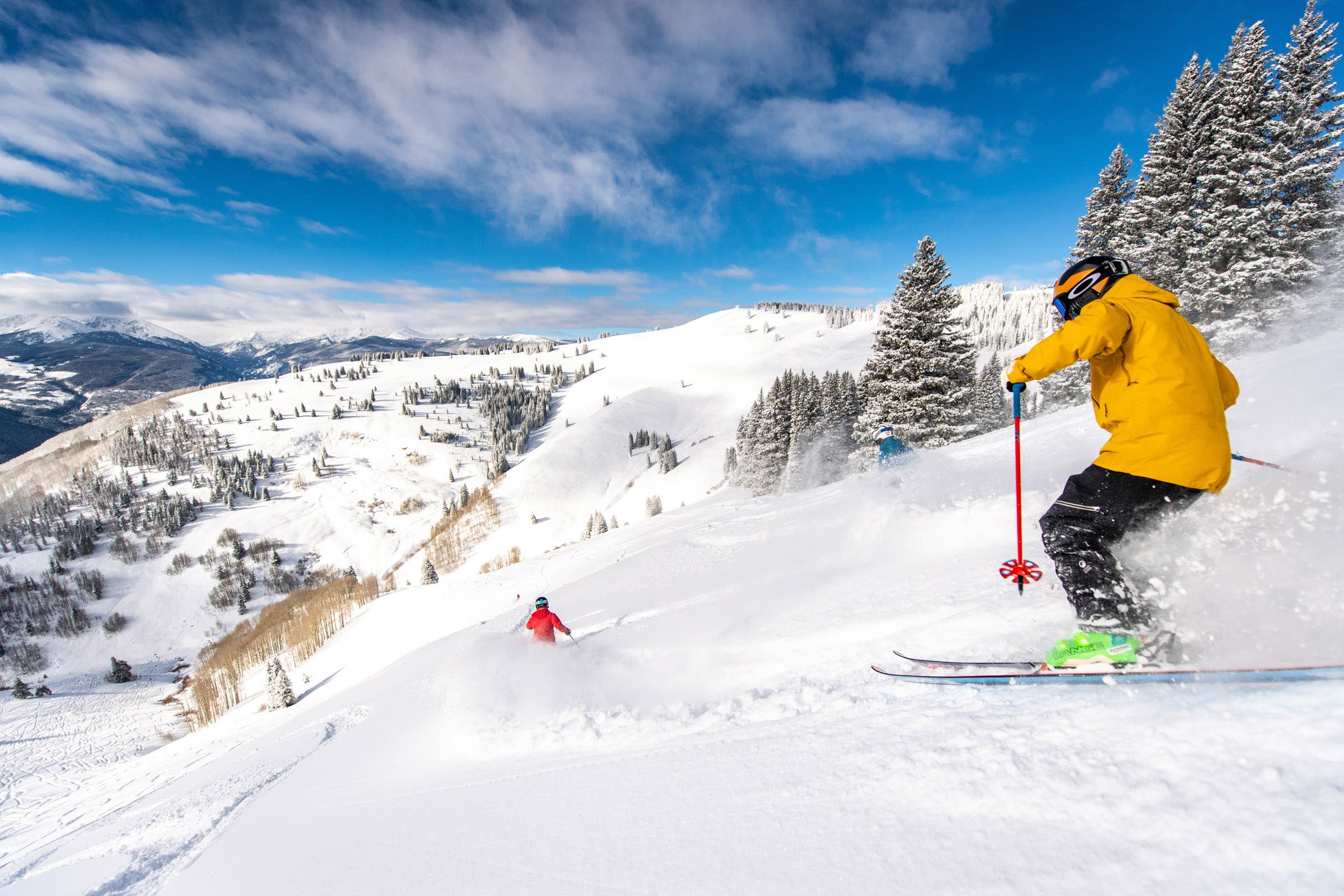
Vail, Colorado, is synonymous with vast, meticulously groomed intermediate terrain, making it an ideal destination for cruisers and those looking to build confidence across expansive landscapes. With over 5,300 acres of skiable terrain, including the legendary Back Bowls and Blue Sky Basin, Vail offers an unparalleled sense of exploration without demanding expert-level skills. The resort’s design allows for long, winding blue runs that cater to a wide range of abilities, facilitating progression and enjoyment for intermediate skiers. This focus has made Vail a magnet for families and groups with varying skill levels, ensuring that everyone can find rewarding terrain. A spokesperson for Vail Resorts might emphasize their commitment to maintaining pristine conditions across their vast intermediate offerings, acknowledging that this segment represents a significant portion of the ski market. The seamless integration of its sophisticated lift system, including gondolas and high-speed quads, further enhances the exploration experience, minimizing wait times and maximizing time on snow. The "low-effort backcountry vibe" in areas like Blue Sky Basin provides a unique blend of adventure and accessibility, appealing to those who desire a taste of the wild without extreme risk.
Killington Resort
Best for: Skiing as much as possible
Killington, Vermont, often dubbed "The Beast of the East," lives up to its moniker by offering one of the longest ski seasons in North America. Its strategic location, high elevation, and advanced snowmaking capabilities ensure extensive coverage from early November well into May, sometimes even June. With six interconnected peaks and over 1,500 acres of terrain, Killington provides an immense variety of slopes, from gentle cruisers to challenging moguls and glades. The resort’s infrastructure is optimized for volume and efficiency, allowing skiers to maximize their time on snow. This dedication to extending the ski season and providing abundant terrain has cemented Killington’s reputation as a go-to destination for dedicated skiers eager to log as many days as possible. The lively après-ski scene further complements the robust on-mountain experience, offering vibrant social opportunities after a full day of skiing. This model of extended operation and diverse terrain is particularly attractive to East Coast skiers, reducing the need for long-distance travel for prolonged ski experiences.
Aspen Snowmass
Best for: Incredible variety
Aspen Snowmass, Colorado, distinguishes itself through the unparalleled diversity offered by its four distinct mountains: Snowmass, Aspen Mountain (Ajax), Aspen Highlands, and Buttermilk. Each mountain boasts a unique personality and terrain profile, ensuring that every type of skier, from beginners to seasoned experts, finds their ideal environment. Snowmass offers extensive intermediate cruising and family-friendly zones; Aspen Mountain provides challenging steeps and glades right from the heart of town; Aspen Highlands is renowned for its extreme terrain and backcountry access; and Buttermilk is a hub for terrain parks and beginner progression. This comprehensive offering across a single destination eliminates the need to travel between different resorts for varied experiences. Industry observers frequently highlight Aspen Snowmass as a prime example of how integrated multi-mountain management can create a holistic and supremely varied ski vacation. The combined skiable acreage, exceeding 5,500 acres, coupled with world-class dining, lodging, and cultural amenities in the vibrant town of Aspen, solidifies its position as a top-tier luxury destination offering something for everyone.
Alta Ski Area
Best for: Storm skiing
Alta, Utah, holds an almost mythical status among powder enthusiasts, renowned for its exceptional snow quality and terrain perfectly suited for storm skiing. Located in Little Cottonwood Canyon, Alta benefits from consistent, light, and dry "Greatest Snow on Earth," averaging over 500 inches annually. Crucially, Alta is a skiers-only resort, a distinction that appeals to a specific demographic preferring slopes free from snowboard traffic. This policy, coupled with its intuitive lift access and natural terrain features, creates an unparalleled powder day experience. The resort’s layout maximizes access to fresh snow, with natural gullies, trees, and open bowls becoming playgrounds during and after a storm. This specialization in deep powder skiing and a skiers-only policy has cultivated a fiercely loyal following. Analysts often point to Alta as a testament to the success of maintaining a niche identity in an increasingly consolidated industry. The economic impact of Alta on the local economy is significant, attracting a dedicated clientele willing to travel specifically for its unique conditions and atmosphere.
Stowe Mountain Resort
Best for: Classic New England skiing
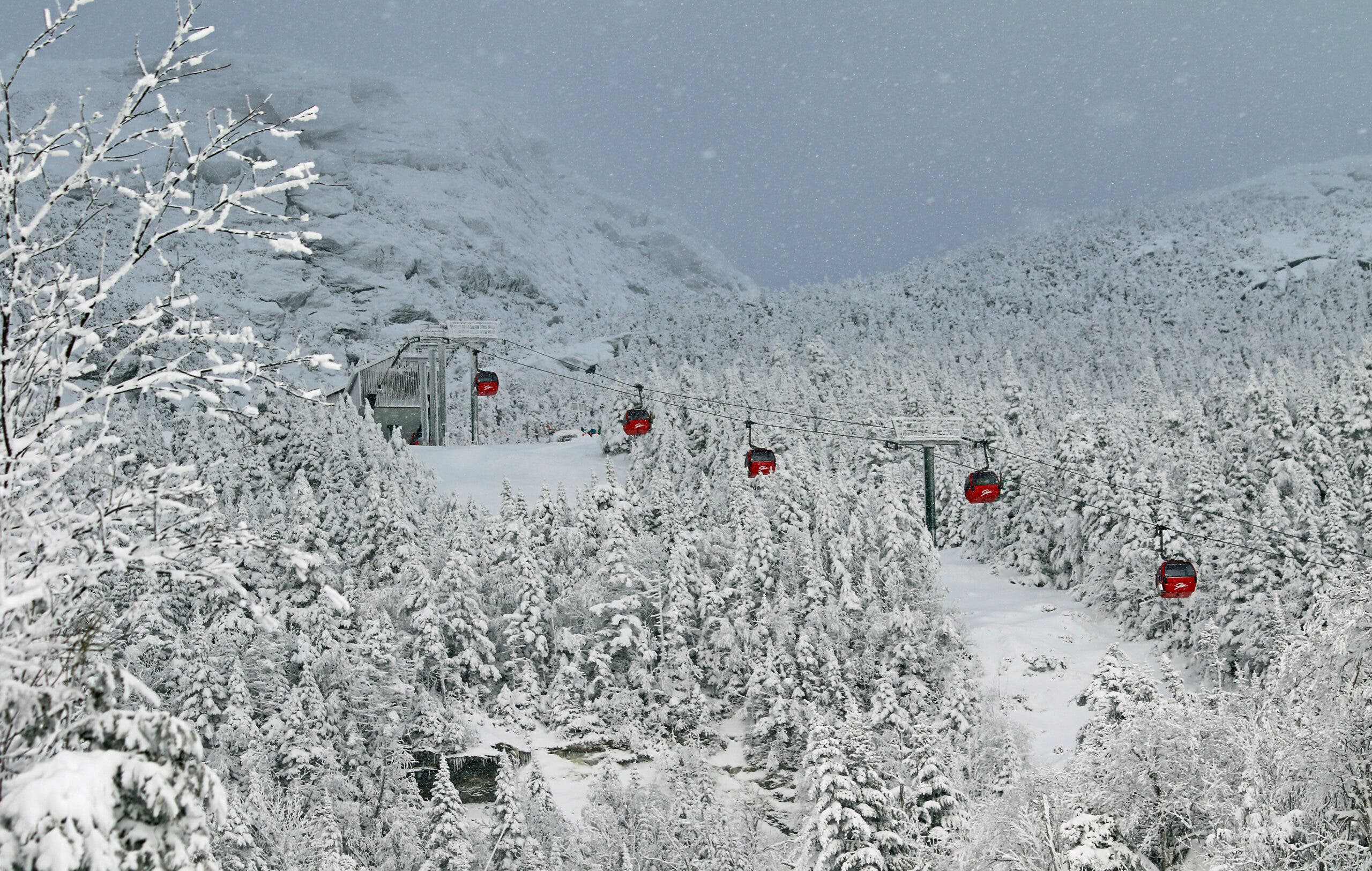
Stowe, Vermont, embodies the quintessential New England ski experience, characterized by its narrow, winding trails, challenging old-school steeps, abundant glades, and a charming, historic village. The resort, nestled at the base of Mount Mansfield, Vermont’s highest peak, offers a rich sense of history and authenticity that permeates its slopes and lodges. Iconic runs like the "Front Four" provide legendary challenges, while the resort’s commitment to preserving its natural character distinguishes it from more modern, purpose-built destinations. The blend of challenging terrain with a picturesque, vibrant village creates a complete vacation package for those who appreciate the heritage of East Coast skiing. A spokesperson for Stowe might emphasize the resort’s efforts to blend modern amenities with traditional charm, ensuring a comfortable yet authentic experience. The economic contribution of Stowe to the local community is substantial, drawing visitors who seek not just skiing but also the cultural and historical ambiance of Vermont.
Big Sky Resort
Best for: Finding room to roam
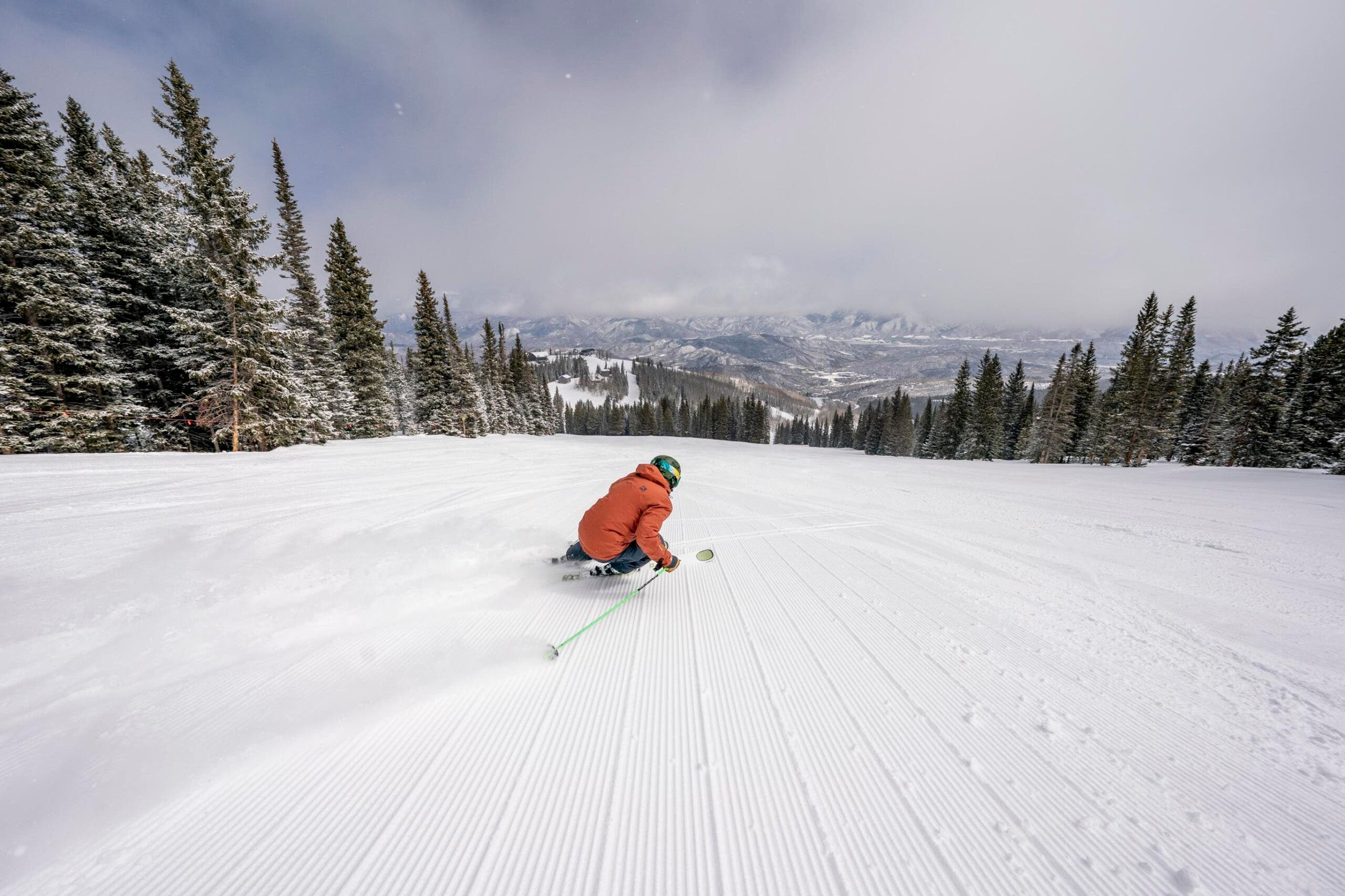
Big Sky, Montana, stands out for its sheer scale and the remarkable sense of uncrowded vastness it offers. Boasting nearly 6,000 acres of skiable terrain and a staggering 4,350 feet of vertical drop, Big Sky is one of the largest ski resorts in North America. Despite its immense size, the resort manages to maintain a low-density feel, ensuring manageable lift lines and ample space on the slopes, a rarity at major destination resorts. This is partly due to its sophisticated and rapid lift system, which efficiently disperses skiers across its expansive terrain, including the iconic Lone Peak with its challenging big-mountain skiing. This "room to roam" is a significant draw for skiers seeking an escape from crowded slopes and a connection with the expansive Montana wilderness. The resort’s ongoing investments in infrastructure, such as the Swift Current 6, one of North America’s fastest six-person chairlifts, underscore its commitment to enhancing the skier experience by minimizing bottlenecks and maximizing access to terrain.
Snowbird
Best for: Big vertical and expert laps
Snowbird, Utah, like its neighbor Alta, benefits from the prolific snowfall of Little Cottonwood Canyon, but its superpower lies in its sustained, challenging vertical drops and expert-oriented terrain. With over 3,240 feet of vertical descent and a significant portion of its 2,500 skiable acres dedicated to advanced and expert runs, Snowbird is a haven for strong skiers who enjoy continuous, leg-burning laps. The resort’s layout, dominated by its iconic Aerial Tram and efficient chairlifts, facilitates quick access to top-to-bottom runs that allow for relentless charging from first chair to last. Its consistent historical snowfall, often exceeding 500 inches annually, ensures that these challenging runs are frequently covered in fresh powder, further enhancing the expert experience. Analysts often cite Snowbird as a prime example of a resort that caters unapologetically to a high-performance demographic, delivering a consistent product that meets the demands of serious skiers. Its minimalist base area design focuses squarely on maximizing on-mountain activity.
Whistler Blackcomb
Best for: Sheer scale
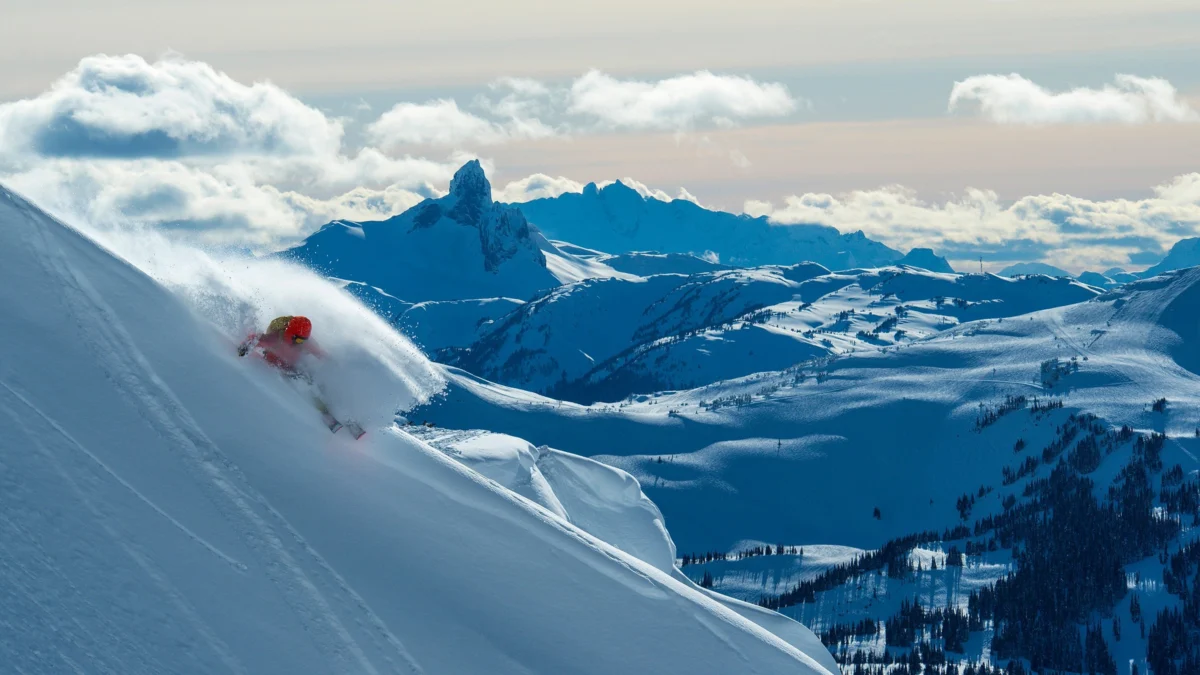
Whistler Blackcomb, British Columbia, is an undeniable titan in the ski world, celebrated for its monumental scale and comprehensive offerings. Comprising two massive mountains, Whistler and Blackcomb, linked by the record-breaking Peak 2 Peak Gondola, the resort boasts over 8,100 acres of skiable terrain, making it the largest ski area in North America. This vast expanse encompasses everything from high-alpine glacier skiing and wide-open alpine bowls to extensive tree skiing and seemingly endless long cruisers. Beyond the immense terrain, Whistler Blackcomb features a truly vibrant, purpose-built village that functions almost as a self-contained ski city, offering world-class dining, lodging, shopping, and entertainment. The sheer magnitude of the resort ensures that skiers can spend weeks exploring without repeating runs, making it an ultimate destination for those who prioritize extensive variety and exploration on an epic scale. The resort’s hosting of the 2010 Winter Olympics further solidified its global reputation for handling large volumes of visitors while maintaining high operational standards.
Palisades Tahoe
Best for: Big-mountain personality
Palisades Tahoe, California, formerly Squaw Valley Alpine Meadows, exudes a distinctive big-mountain personality steeped in history and a culture of expert skiing. Nestled in the Sierra Nevada, the resort is renowned for its dramatic granite peaks, challenging steeps, and iconic lifts that have become landmarks in their own right. Even for those who do not venture onto the most extreme lines, the palpable energy and character of Palisades Tahoe are unmistakable. Its history as the host of the 1960 Winter Olympics imbued it with a legacy of challenging terrain and innovation. The resort’s terrain fosters a culture of pushing boundaries, attracting generations of expert skiers and free-riders who contribute to its unique atmosphere. This strong identity, shaped by its terrain and the community it attracts, makes it a destination for those seeking an authentic and inspiring big-mountain experience rather than just a collection of runs. The recent connection via the Base to Base Gondola to Alpine Meadows further enhances its offerings, but its core "personality" remains its primary draw.
Deer Valley Resort
Best for: A frictionless ski vacation
Deer Valley, Utah, has meticulously crafted a reputation for providing an unparalleled, frictionless luxury ski vacation experience. This resort prioritizes immaculate grooming, limiting skier numbers to ensure uncrowded slopes, and offers exceptional guest service from the moment visitors arrive. From complimentary ski valets and on-mountain dining that rivals fine restaurants to efficient operations that minimize wait times and maximize convenience, every aspect of the Deer Valley experience is designed to be seamless and stress-free. This commitment to superior service and meticulous attention to detail allows guests to focus entirely on enjoying their day on the snow and their overall vacation, rather than contending with logistical challenges. As a skiers-only resort, similar to Alta, it caters to a specific clientele seeking a refined and exclusive environment. The economic model here emphasizes premium service and luxury amenities, attracting a discerning demographic willing to pay for an elevated experience.
Broader Industry Trends and Implications
The specialized strengths highlighted in this preview reflect a broader trend within the ski industry: while consolidation continues with major players like Vail Resorts and Alterra Mountain Company acquiring multiple properties, individual resorts are increasingly refining their unique selling propositions. This strategic differentiation allows them to capture specific market segments, ensuring continued relevance and competitiveness. Resorts focusing on extreme terrain, extensive intermediate cruising, or unparalleled guest service are not merely offering distinct experiences; they are cultivating brand loyalty and creating destinations that resonate deeply with their target audiences.
The economic implications of these specializations are substantial. By excelling in a particular area, resorts can command premium pricing, attract repeat visitors, and foster strong local economies through tourism and related services. For instance, destinations like Deer Valley and Aspen Snowmass contribute significantly to the luxury travel market, while Killington and Jackson Hole cater to performance-driven segments. This diversity ensures a healthy and dynamic ski tourism ecosystem, capable of meeting the varied demands of a global skiing population.
Looking ahead to the full Resort Guide rankings in October, the industry will undoubtedly scrutinize how these individual strengths translate into overall performance and perceived value. However, this preliminary overview clearly demonstrates that in the competitive landscape of North American skiing, having a well-defined superpower is not just an advantage—it’s often the key to enduring legend status.
