

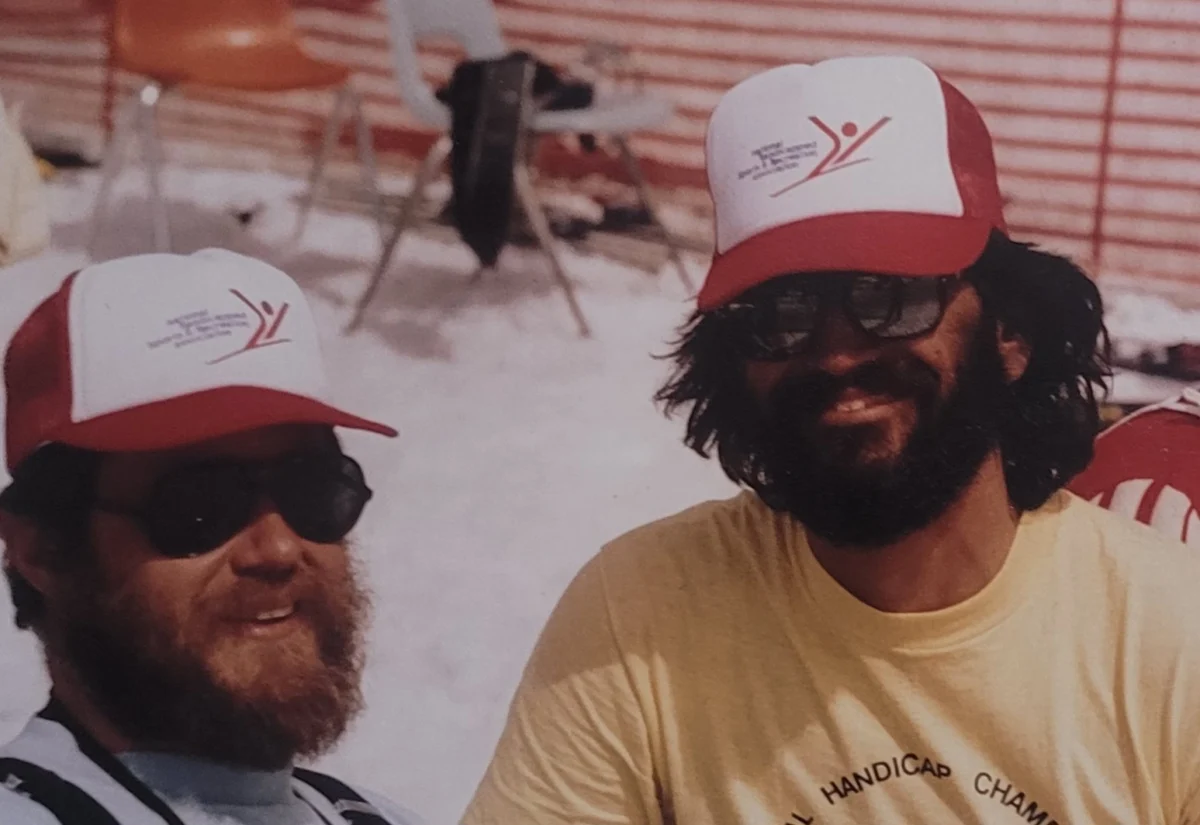
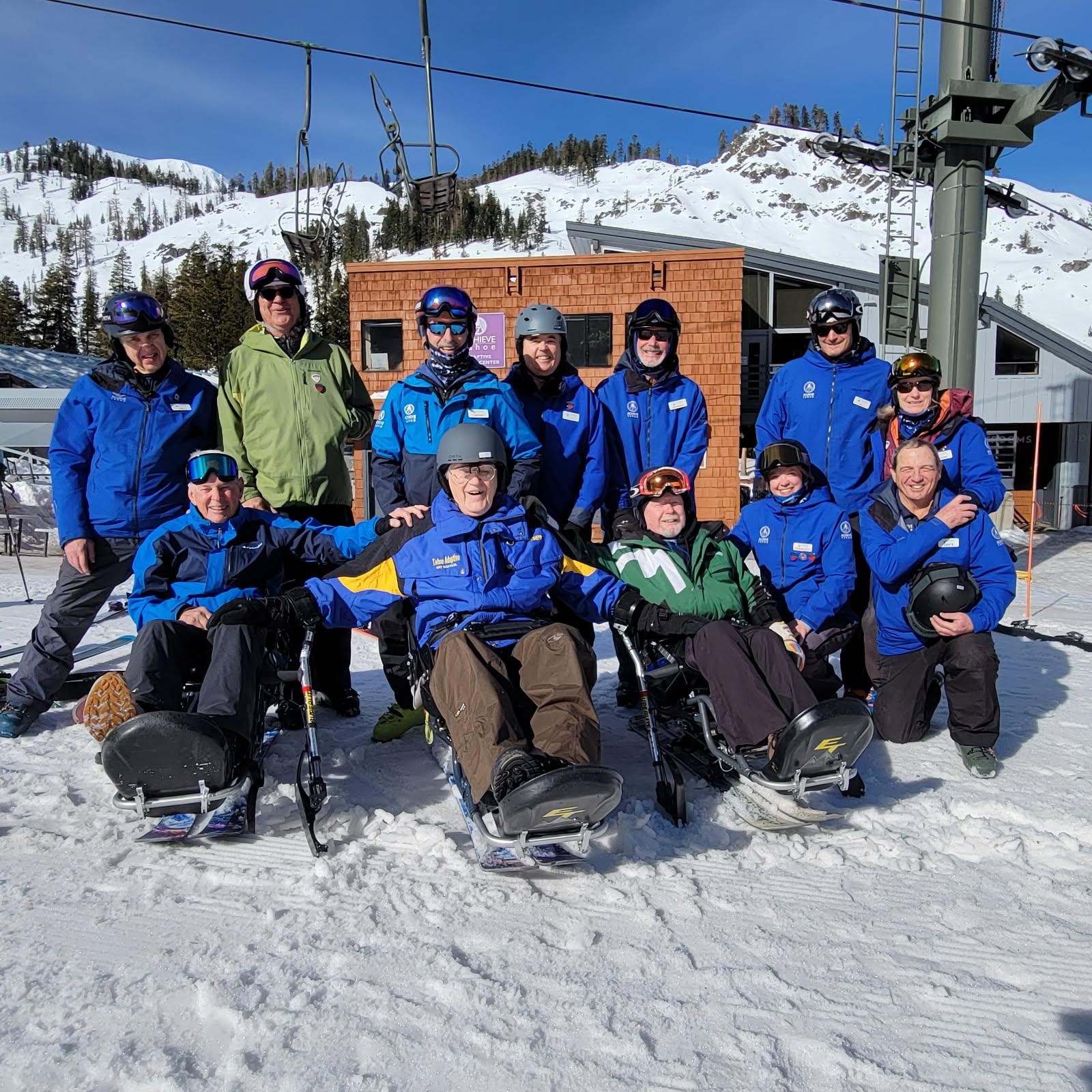
On April 11, adaptive sports advocate and innovator Doug Pringle will be formally inducted into the U.S. Ski & Snowboard Hall of Fame as one of eight distinguished members of the Class of 2025. This prestigious recognition adds to an already illustrious list of accolades, including his membership in the Move United Adaptive Sports Hall of Fame and the PSIA-AASI Lifetime Achievement Award. At 82, Pringle’s journey into the heart of snowsports culture is remarkable, not least because his initial encounter with skiing was anything but inspiring. His story is a testament to resilience, vision, and an unwavering commitment to making the mountains accessible to all, fundamentally reshaping the landscape of adaptive athletics both nationally and internationally.
A Lifetime of Impact: From Reluctant Skier to Adaptive Pioneer
Pringle’s deep devotion to snowsports, seemingly innate given his extensive contributions, did not blossom in his youth. Quite the contrary, as the octogenarian recently recounted, skiing held little appeal for him, particularly after a forgettable first attempt. This initial disinterest, however, belies the profound influence he would later exert. His induction into the U.S. Ski & Snowboard Hall of Fame signifies not merely personal achievement but a monumental recognition of the adaptive sports movement itself. The Hall of Fame, established in 1956, celebrates individuals who have significantly shaped the history, growth, and development of skiing and snowboarding in the United States, making Pringle’s inclusion a pivotal moment for adaptive athletes and instructors worldwide. It underscores a growing awareness and appreciation for the diverse forms of excellence and dedication that enrich the snowsports community.
From West Point to Vietnam: A Pivotal Injury and an Unexpected Turn
Pringle’s early life followed a trajectory far removed from snow-covered slopes. As a cadet at the United States Military Academy at West Point in the mid-1960s, he experienced his first, and initially disastrous, foray into skiing. "It was one of those situations where a couple of my friends took me out to a little ski area on campus," he remembered. "I put skis on my feet, went up a rope tow, and proceeded to crawl down the hill." This inauspicious debut left him with no desire to repeat the experience.
His life took an unforeseen and dramatic turn after graduating from West Point. Deployed to Vietnam as a Lieutenant in the spring of 1968, Pringle’s military service was cut short when he was hit by a rocket-propelled grenade (RPG) during a mission. The injury necessitated the amputation of his right leg just below the knee, a life-altering event that forced him into rehabilitation at Letterman Army Hospital in San Francisco. The post-Vietnam era saw a significant number of veterans returning with severe injuries, grappling with physical and psychological challenges, and seeking pathways to reintegration and normalcy. It was within this context of recovery and uncertainty that Pringle’s true calling began to emerge.
The Birth of Adaptive Skiing: A Veteran’s Vision
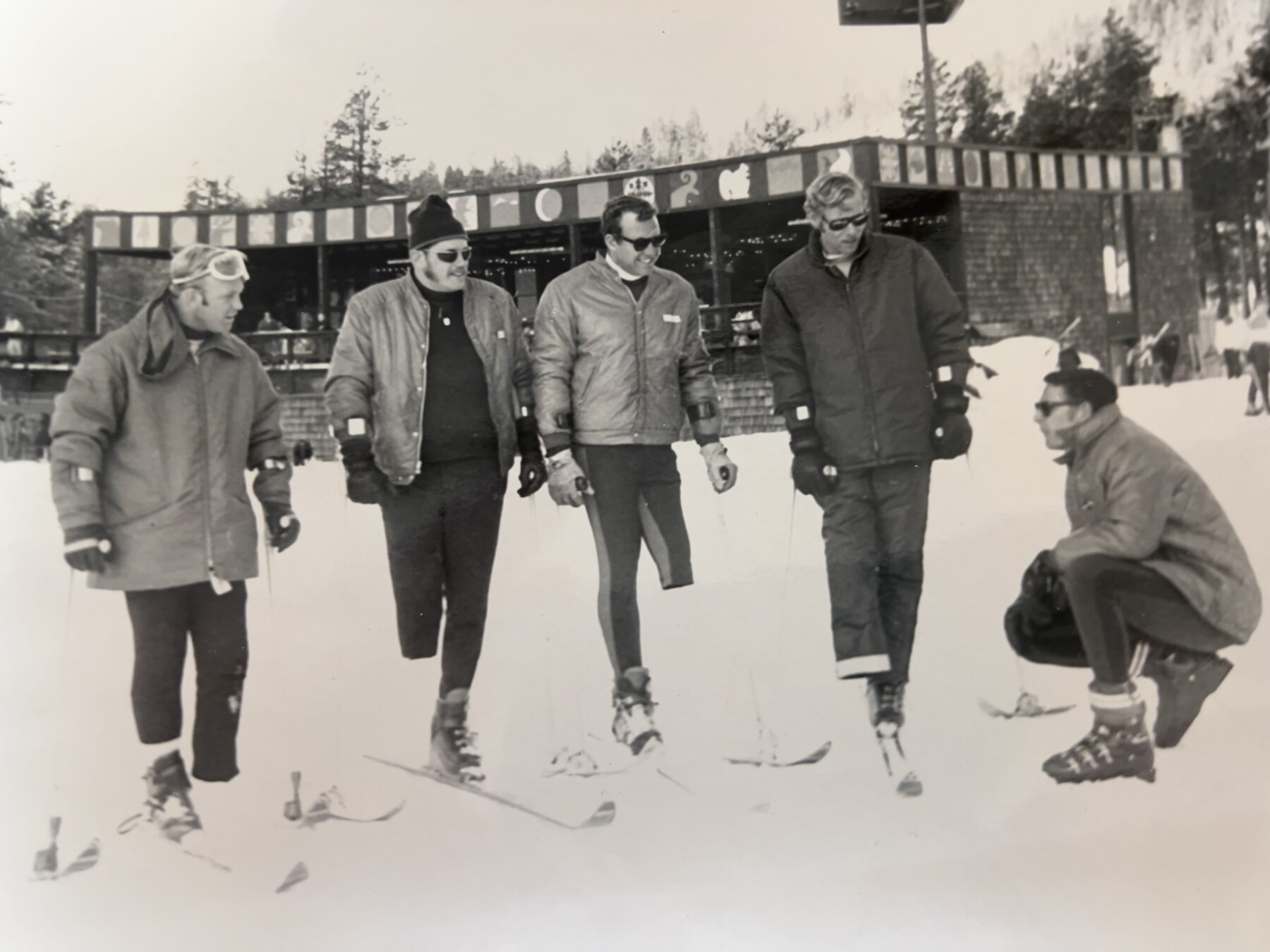
The turning point came during his rehabilitation, thanks to Jim Winthers, a World War II veteran and a former member of the elite U.S. 10th Mountain Division. The 10th Mountain Division, renowned for its specialized ski troops, played a crucial role in mountainous combat during WWII, fostering a culture of skiing and mountaineering among its members. Winthers, drawing from this legacy, became an accidental pioneer in adaptive snowsports. In the winter of 1968-69, he showed Pringle and other veterans in his ward a home movie of a man skiing on one leg at Donner Summit. At the film’s conclusion, Winthers declared simply, "I want to teach all you guys how to ski on one leg."
Initially, Pringle’s prior dismal experience kept him from joining the first outing. However, the allure of escaping the confines of the hospital for a couple of days soon persuaded him. He joined Winthers and his wardmates on their subsequent trip. Despite struggling on the first day, a breakthrough occurred on the second: he managed three consecutive turns without falling. This small victory was enough for Winthers, who immediately presented Pringle with a patch, declaring him a skier. Winthers then offered Pringle a path to continue skiing for free, provided he started as an apprentice instructor—shoveling snow and managing equipment. This seemingly minor offer was, in hindsight, the genesis of Pringle’s life’s work.
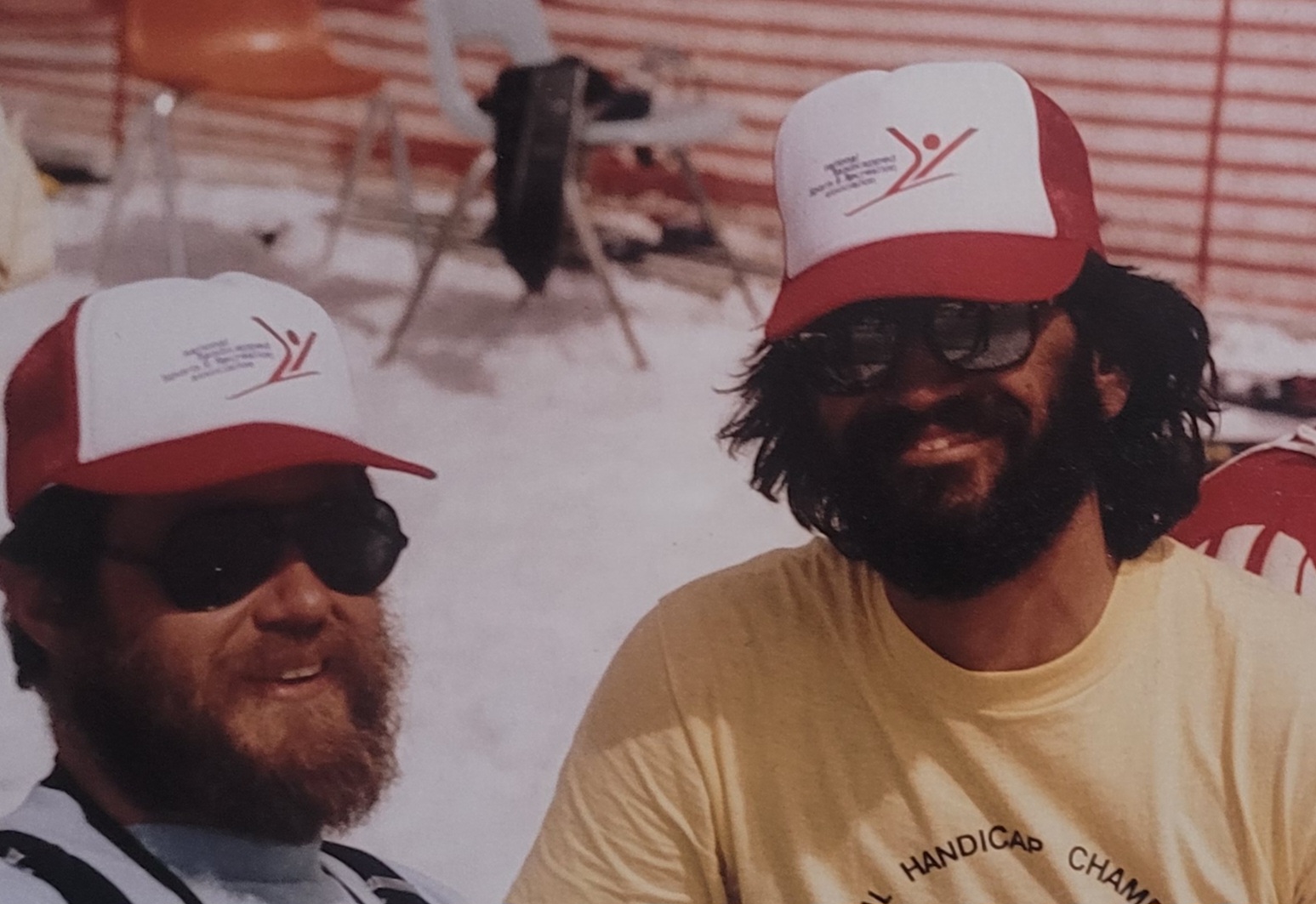
This nascent organization, which began at Donner Ski Ranch, was initially known as the National Amputee Skiers Association (NASA). It was a grassroots effort, fueled by the camaraderie and shared purpose of veterans facing similar challenges. "The organization, which now has over 245 chapters worldwide, had one chapter called National Amputee Skiers Association (NASA)," Pringle explained. This group evolved significantly over the years, renaming itself the National Handicapped Sports and Recreation Association (NHSRA) in 1976, then Disabled Sports USA (DSUSA) in 1994, and finally rebranding as Move United in 2020. The inaugural chapter Pringle joined is now known as Achieve Tahoe, a testament to its enduring legacy. Winthers, Pringle emphasized, not only taught him how to ski but, more importantly, instilled a philosophy of service. "Instead of worrying about ourselves and our problems, we worried about the next guy who came up," Pringle recalled. "We had a different uniform, a different mission, a different belonging. And so it changed our lives, and it became my life’s work." This shift in focus, from personal recovery to communal empowerment, laid the ethical foundation for the adaptive sports movement.
Pioneering Professional Standards and National Certification
Over the next few years, Pringle rapidly distinguished himself. He became one of the first amputees to earn full certification as a ski instructor, a groundbreaking achievement that challenged preconceived notions about what individuals with disabilities could achieve. His competitive spirit also shone through, leading him to win three national slalom championships. His leadership qualities quickly became apparent, and he ascended to the presidency of NASA, dedicating his efforts to teaching and expanding the reach of adaptive skiing. By 1976, he had overseen the establishment of 25 NASA chapters, demonstrating a clear vision for a national network of adaptive programs.
However, Pringle faced resistance. Some questioned his ability to demonstrate all skiing techniques due to his amputation. Undeterred, he argued that while he might have "one less tool in his tool bag," his primary skill lay in his ability to impart knowledge and technique to his students, adapting his teaching methods to meet diverse needs. This conviction propelled him to integrate adaptive skiing into the mainstream professional instruction framework.
Pringle recounted how he "somehow got himself onto the PSIA-AASI board of directors to represent adaptive skiing." The Professional Ski Instructors of America and American Association of Snowboard Instructors (PSIA-AASI) is the leading organization for ski and snowboard instruction in the U.S., setting standards and certifying instructors. Pringle, with crucial assistance from Western Region examiner Ted Pitcher, embarked on the ambitious task of developing a standardized exam for adaptive instructors. This initiative culminated in the first national adaptive skiing exam, held at Jackson Hole, Wyoming, in 1984.
To staff this pioneering effort, Pringle recruited experienced adaptive skiing instructors from across the country, including figures like Gwen Allard, Davin Bremner, and Katherine Hayes Rodriguez. Hayes Rodriguez, who had just achieved her Alpine Level III certification and coaching license, was slated to take the adaptive exam herself. However, Pringle had other plans. He surprised her by asking her to arrive a few days early, then informing her, "I don’t want you to take the exam; I want you to give the exam." This last-minute recruitment proved prescient, as over 100 people from multiple states converged on Jackson Hole for the inaugural exam, highlighting the significant demand for such certification. Pringle also convinced Pitcher, whose wife, Kathy, was an amputee, to train them all as examiners. For two years, this dedicated team independently ran what became NHSRA’s Adaptive Ski Instructor Certification program, even creating custom "adaptive instructor" pins in bronze, silver, and gold to signify achievement levels.
The success and meticulous execution of these early exams drew the attention of PSIA leadership. Doug Harmon, chairman of the national certification committee, and Max Lundberg, director of education, observed the exam and confirmed that Pringle and his team were adhering to rigorous assessment protocols. A pivotal presentation by Pringle, Allard, and Pitcher to the national board at the PSIA-West Spring Convention in Mammoth Mountain in 1986 sealed the deal. As Hayes Rodriguez affirmed, "The big thing was when they went to the national board and said this [adaptive certification] is something you need to do. They were pretty adamant about equality and equal access." The national office was convinced, and adaptive skiing officially became a recognized discipline within PSIA, a landmark moment for inclusivity in snowsports. This recognition not only legitimized adaptive instruction but also paved the way for its integration into mainstream ski school curricula, providing a structured pathway for aspiring adaptive instructors.
National Outreach and Program Proliferation
With official PSIA recognition came the formidable task of establishing adaptive programs nationwide. This expansion required significant resources and strategic planning. Pringle, then appointed education director of NHSRA, collaborated with Executive Director Kirk Bauer to secure a crucial grant from the Southland Corporation, parent company of 7-Eleven. This grant was instrumental in funding learn-to-ski programs and exam clinics across the country, transforming a grassroots movement into a nationally organized effort.
Katherine Hayes Rodriguez vividly recalled the intensive period that followed. Pringle spearheaded the establishment of 42 adaptive programs at ski areas throughout the United States, conducting six clinics annually for seven years. "I remember going to Seven Springs, Pennsylvania, and Boston Mills, Ohio, all these little ski areas that wanted to start an adaptive program," she recounted, detailing how much of her winters were spent on the road, bringing adaptive skiing to underserved communities.
Pringle’s philosophy was rooted in education and awareness. "It wouldn’t do me much good to walk around outside ski areas with a sign saying, ‘unfair to disabled skiers.’ It was about education," he explained. His approach involved practical demonstrations, showing ski area staff how to assist sit-skiers and conduct safe chairlift evacuations. Once a new program and NHSRA chapter were established, Pringle provided a comprehensive "cookbook" manual detailing how to organize adaptive events. NHSRA instructors would initially train the ski area’s instructors and conduct lessons, followed by a practicum where the local instructors taught under the observation and feedback of Pringle’s team. To ensure sustainability and commitment, Pringle’s chapter formation manual mandated that qualifying ski areas have at least 10 participants and a specific number of board members. This structured approach ensured that new chapters were well-equipped and supported, laying a robust foundation for the enduring growth of adaptive snowsports. By the late 1980s, these initiatives had significantly expanded access, introducing thousands of individuals with disabilities to the joys of skiing and fostering a new generation of adaptive instructors.
Globalizing Adaptive Snowsports
Pringle’s vision extended beyond national borders. In the mid-1990s, he was approached at Ski Spectacular—the nation’s largest adaptive winter sports festival—by individuals interested in establishing an adaptive program in South Korea. Agreeing to help, Pringle embarked on a journey to East Asia with minimal equipment—just a mono-ski and several outriggers—uncertain of the specific needs of his prospective students.
Upon arrival at the Korean ski area, he was met by 50 individuals with a wide range of disabilities: visually impaired, paralyzed, and amputees. "So I improvised," Pringle said. He taught tailored lessons for sit-skiers, then for the visually impaired, and so on, demonstrating remarkable adaptability and resourcefulness. The following year, he returned with five instructors to conduct more specialized lessons. By the third year, their focus shifted to training the local ski area’s instructors, culminating in a practicum where feedback was delivered through translators. To further support the program, Hal O’Leary’s seminal work, Bold Tracks: Teaching Adaptive Skiing, was translated into Korean. Eventually, Pringle and his team developed South Korea’s first certification program, with his examiners conducting assessments.
Hayes Rodriguez described the profound humility experienced while teaching in South Korea. "We taught a lot of skiing, but we also taught a lot of people to be proud of themselves," she reflected, expressing hope that they "planted the seeds for them to feel more comfortable and confident." The impact of Pringle’s efforts resonated deeply, fostering not only athletic skill but also a sense of empowerment and self-worth. Building on this success, Pringle’s team of expert certified instructors and examiners expanded their clinics and certification programs to Spain, Japan, Russia, and other countries. Their simple, yet profound, goal remained consistent: to teach anyone who desired to ski, regardless of their physical abilities, thus globalizing the spirit of inclusion in snowsports. These international collaborations laid the groundwork for standardized adaptive instruction and competition frameworks worldwide, significantly contributing to the global Paralympic movement.
Championing Paralympic Equality
As adaptive programs flourished nationally and internationally, Pringle set his sights on a higher echelon of sports advocacy. As president and CEO of DSUSA Far West, he first served on the Paralympic Board of Directors, then became Paralympic national board president, and in 1998, was elected to the United States Olympic Committee (USOC) Board. Over the next several years, Pringle spearheaded a relentless movement to integrate Paralympic athletes fully into the USOC structure.
His efforts initially met with resistance. "Every time there was a meeting of the USOC Board of Directors, I would introduce a resolution that the USOC adopt Paralympic athletes into their national governing bodies," he stated. "They would vote it down, mainly because there wasn’t enough money." Undeterred, Pringle adopted a new strategy. He realized that the core issue was deeply embedded in the USOC’s foundational mission. "I thought the only way the USOC is ever going to make the Paralympics part of their organization is to have the mission statement changed to include Paralympic athletes," Pringle deduced.
This strategic shift necessitated Pringle becoming a lobbyist, engaging directly with legislative bodies. "The mission of the USOC is set by Congress, so we started a campaign to change the mission, which Congress finally agreed to," he recounted. This monumental legislative change ensured that the two organizations, while remaining distinct in some operational aspects, were now recognized as equal under the national sporting umbrella. This legislative victory marked a turning point, providing a legal framework for greater equity.
Pringle’s primary goal was to advocate for fundamental change and ensure that Paralympians received the same benefits and services as Olympic athletes. This included equitable access to stipends, uniforms, training facilities, and insurance—resources critical for elite athletic development. "In my day, we were all amateurs, but now these kids or adults, they have to train all the time to be the best in the world," Pringle explained, highlighting the professionalization of Paralympic sports and the imperative for equal opportunity. "It takes a great deal of effort." His advocacy directly contributed to the passing of the Ted Stevens Olympic and Amateur Sports Act amendments in 1998, which mandated the USOC to support Paralympic athletes equally. This landmark legislation not only integrated Paralympic sports into the USOC but also fundamentally changed the perception and support for athletes with disabilities, leading to increased funding, improved training infrastructure, and greater public awareness. Today, Paralympic athletes receive unparalleled support compared to previous generations, a direct result of Pringle’s persistent efforts.
An Enduring Legacy of Inclusion
Throughout his distinguished career, Doug Pringle and his collaborators never wavered from their central objective: fostering universal inclusion. Katherine Hayes Rodriguez eloquently summarized this shared mission: "We both felt like we were on a mission that we just could not move away from. We had our eye on the prize, which was that every ski area, or every park, or every swimming pool in the United States would be accepting of people with a disability and wouldn’t turn them away, or make them feel bad, or make it so expensive that they couldn’t participate."
Pringle’s induction into the U.S. Ski & Snowboard Hall of Fame is not merely an honor for an individual; it is a profound acknowledgment of the adaptive sports movement he so passionately championed. His journey, from an unenthusiastic first-time skier to a decorated adaptive athlete, instructor, and tireless advocate, embodies the transformative power of sport. He built foundational organizations, established professional standards, expanded access across continents, and championed legislative changes that integrated Paralympic athletes into the national sports framework. His legacy is etched not only in the annals of snowsports but also in the lives of countless individuals who, through his efforts, found dignity, purpose, and joy on the slopes and beyond. The impact of his work continues to reverberate, inspiring ongoing efforts to break down barriers and ensure that the exhilaration of sport is a right, not a privilege, for everyone.
