

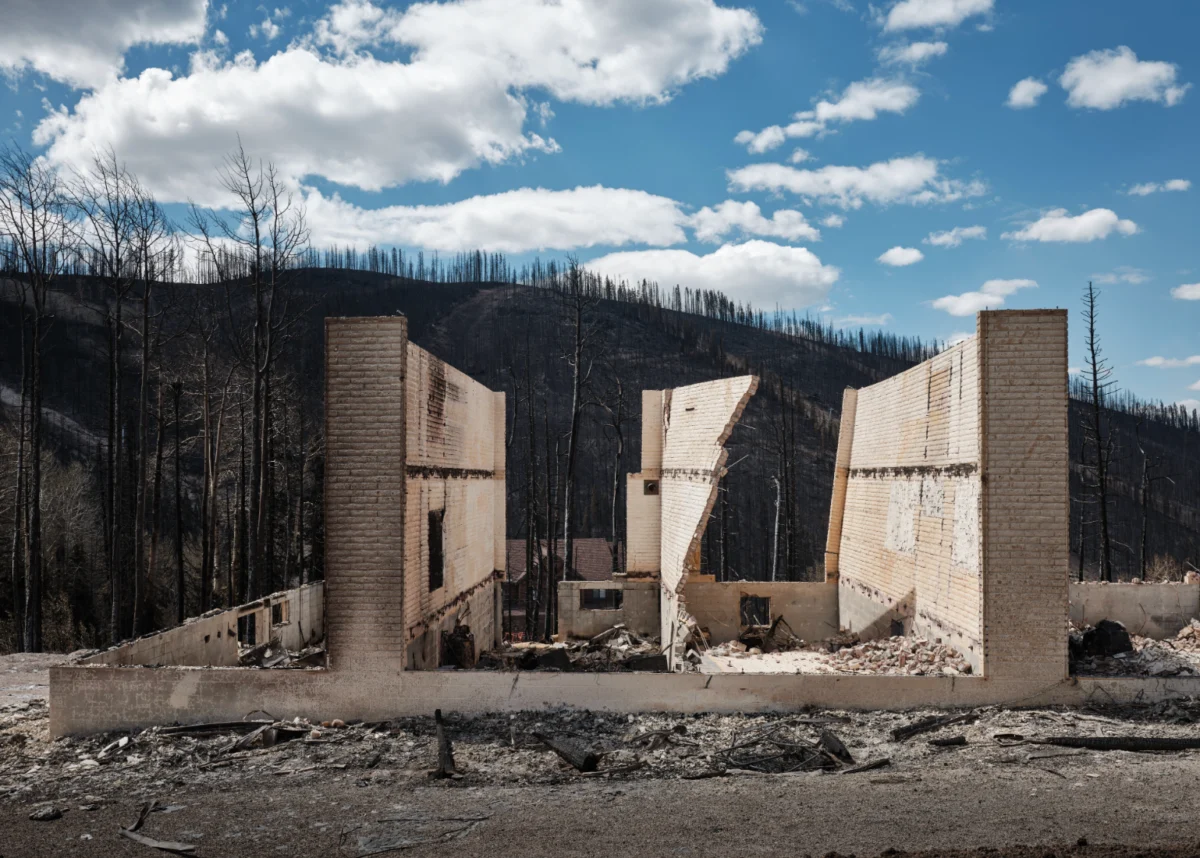
In a somber announcement that has sent ripples through the Southern Utah outdoor recreation community, Eagle Point Resort has confirmed it will not operate for the upcoming 2026/27 winter season. The decision stems directly from the catastrophic damage inflicted by the massive Cottonwood Fire, a wildfire that raged across nearly 100,000 acres of Beaver County this past summer. The blaze has left significant infrastructure, terrain, and road damage in its wake, rendering the popular ski destination temporarily inoperable. Resort owner Shane Gadbaw and his dedicated team have pledged to rebuild, but the immediate focus on safety and the extensive repair work required has pushed any hope of reopening to the 2027/28 season at the earliest.
The Cottonwood Fire, which ignited in mid-summer, rapidly escalated into one of the most destructive wildfires in recent Utah history. Fueled by tinder-dry conditions and strong winds, the inferno consumed vast tracts of forested land, impacting not only the natural landscape but also the vital economic and recreational hub that is Eagle Point Resort. While the resort has been a cornerstone of the Beaver County economy, providing seasonal employment and drawing visitors from across the region and beyond, the fire’s impact has been multifaceted and devastating.
Extensive Infrastructure and Lift Damage
The extent of the damage to Eagle Point Resort is significant, impacting key operational components and guest facilities. Approximately 300 of the resort’s 600 skiable acres bore the brunt of the fire, leaving behind a scarred and altered landscape. More critically, two of the resort’s most cherished facilities, the historic Canyonside Lodge and the Tushar Ridge Warming Station, were completely destroyed by the flames. These structures were not merely buildings; they served as central gathering points for skiers and snowboarders, offering warmth, food, and a sense of community. Their loss represents a profound blow to the resort’s operational capacity and the guest experience.
Beyond the lodge and warming station, the fire also inflicted severe damage on the resort’s critical lift infrastructure. Four of Eagle Point’s five chairlifts sustained damage, with the severity varying across each. Resort crews are currently undertaking the arduous task of assessing the condition of the lift haul ropes and supporting structures. The process of repairing or replacing these complex mechanical systems is not only time-consuming but also faces significant logistical challenges. Many specialized components for ski lifts require months of manufacturing and delivery, especially in the current global supply chain environment. This inherent delay directly impacts the feasibility of a timely reopening.

Adding to these challenges are recent washouts on Utah State Route 135, the primary access road leading to Eagle Point Resort. These road failures, likely exacerbated by the altered watershed conditions following the fire, further complicate access and underscore the need for extensive repairs to the mountain’s essential infrastructure before any winter operations can be considered safe.
A Community Impacted
The Cottonwood Fire’s devastation extended far beyond the boundaries of Eagle Point Resort, deeply affecting the surrounding community. In the village of Eagle Point, the fire’s destructive path led to the loss of 145 homes and condominiums, displacing residents and creating an immediate humanitarian crisis. The resort, often considered the economic and social heart of this mountain community, plays a crucial role in providing seasonal employment and supporting local businesses. Its closure for a full winter season will undoubtedly have a cascading effect on the livelihoods of many in Beaver County.
Resort owner Shane Gadbaw articulated the difficult decision in a press release, emphasizing the paramount importance of safety. "Our first responsibility is the safety of our guests and employees," Gadbaw stated. "The damage to our lifts is significant, and coupled with the extensive damage to our lodge facilities and the ongoing issues with our access road, it is impossible for us to responsibly plan for winter operations this season." This statement underscores the gravity of the situation and the resort’s commitment to ensuring a safe environment for all stakeholders.
The loss of homes and the resort’s operational pause create a challenging economic outlook for the region. The Tushar Mountains, home to Eagle Point, are a significant draw for outdoor enthusiasts year-round. The winter season, in particular, represents a critical period for revenue generation and community vitality. The absence of the ski season will necessitate a concerted effort from local government, community organizations, and residents to mitigate the economic fallout and support those who have lost their homes.
Timeline of Destruction and Recovery
The Cottonwood Fire’s timeline is a stark reminder of nature’s power and the vulnerability of mountain ecosystems. While the exact ignition point and cause are still under investigation, the fire began to spread rapidly in early July 2026. Within weeks, it had grown exponentially, driven by exceptionally dry conditions that had accumulated over months. Firefighting efforts were immense, involving hundreds of personnel from various agencies, including the U.S. Forest Service, local fire departments, and mutual aid partners.

By late August 2026, the fire had consumed nearly 100,000 acres, with a significant portion impacting the watershed and slopes surrounding Eagle Point Resort. The fire’s intensity led to widespread destruction of vegetation, alteration of soil structure, and increased erosion risk. The immediate aftermath saw assessments of damage to public and private property, including the resort’s facilities.
The decision to forgo the 2026/27 season was formally announced in early September 2026, giving potential pass holders and the wider ski community a clear understanding of the resort’s status. This announcement followed an intensive period of damage assessment and consultation with safety engineers and infrastructure experts. The projected timeline for repairs, including potential reconstruction of lodges, replacement of lift components, and restoration of the access road, points towards a reopening in the winter of 2027/28. This extended closure provides a necessary window for comprehensive rebuilding efforts and environmental remediation.
Broader Impact and Implications
The closure of Eagle Point Resort for a full winter season has several broader implications for the ski industry and the local economy. Firstly, it highlights the increasing vulnerability of ski resorts to the impacts of climate change and extreme weather events. Wildfires, intensified by hotter temperatures and drier conditions, are becoming a more frequent and severe threat to mountain communities and their tourism-dependent economies. This event serves as a stark warning for other resorts operating in fire-prone regions.
Secondly, the loss of Eagle Point represents a reduction in the overall skiable acreage available in Utah for the 2026/27 season. While Utah boasts a robust ski industry with numerous world-class resorts, the unique character and appeal of Eagle Point, particularly its family-friendly atmosphere and stunning Tushar Mountain scenery, will be missed by its dedicated clientele. This absence may lead to increased pressure on other resorts, potentially affecting pricing and availability for the upcoming season.
Thirdly, the situation underscores the critical importance of robust wildfire management and prevention strategies. Investments in early detection, fuel management, and community preparedness are essential to protect not only natural resources but also the economic infrastructure that relies on them. The long-term recovery of the Tushar Mountain region will require sustained collaboration between government agencies, private entities, and local communities.

Support for Pass Holders and Community Recovery
In response to the operational shutdown, Eagle Point Resort has outlined clear options for its 2026/27 season pass holders. Recognizing the disappointment and financial implications for those who had purchased passes, the resort is offering three distinct choices:
- Full Refund: Pass holders can opt to receive a complete reimbursement of their season pass purchase.
- Transfer to 2027/28 Season: Pass holders can choose to roll over their purchase to the following winter season, securing their access when the resort is expected to reopen.
- Donation to BeaverTUF: As a testament to the community’s spirit, pass holders have the option to donate a portion of their pass cost to BeaverTUF, a local non-profit organization dedicated to leading wildfire recovery and restoration efforts in the region. This option provides a direct avenue for supporting the broader community’s rebuilding initiatives.
This approach demonstrates the resort’s commitment to its loyal customers and its understanding of the interconnectedness between the resort’s success and the well-being of the community. The emphasis on supporting BeaverTUF highlights the ongoing need for collective action in addressing the aftermath of the Cottonwood Fire.
The resort’s message of resilience and long-term vision is clear. While the cancellation of the 2026/27 winter season is a significant setback, the ultimate goal is to "bring this Utah gem back stronger than ever." The path to recovery will be arduous, requiring substantial investment, diligent planning, and the continued support of the passionate community that cherishes Eagle Point Resort and the natural beauty of the Tushar Mountains. The efforts to rebuild will not only restore a beloved ski destination but also serve as a symbol of resilience in the face of environmental challenges.
