

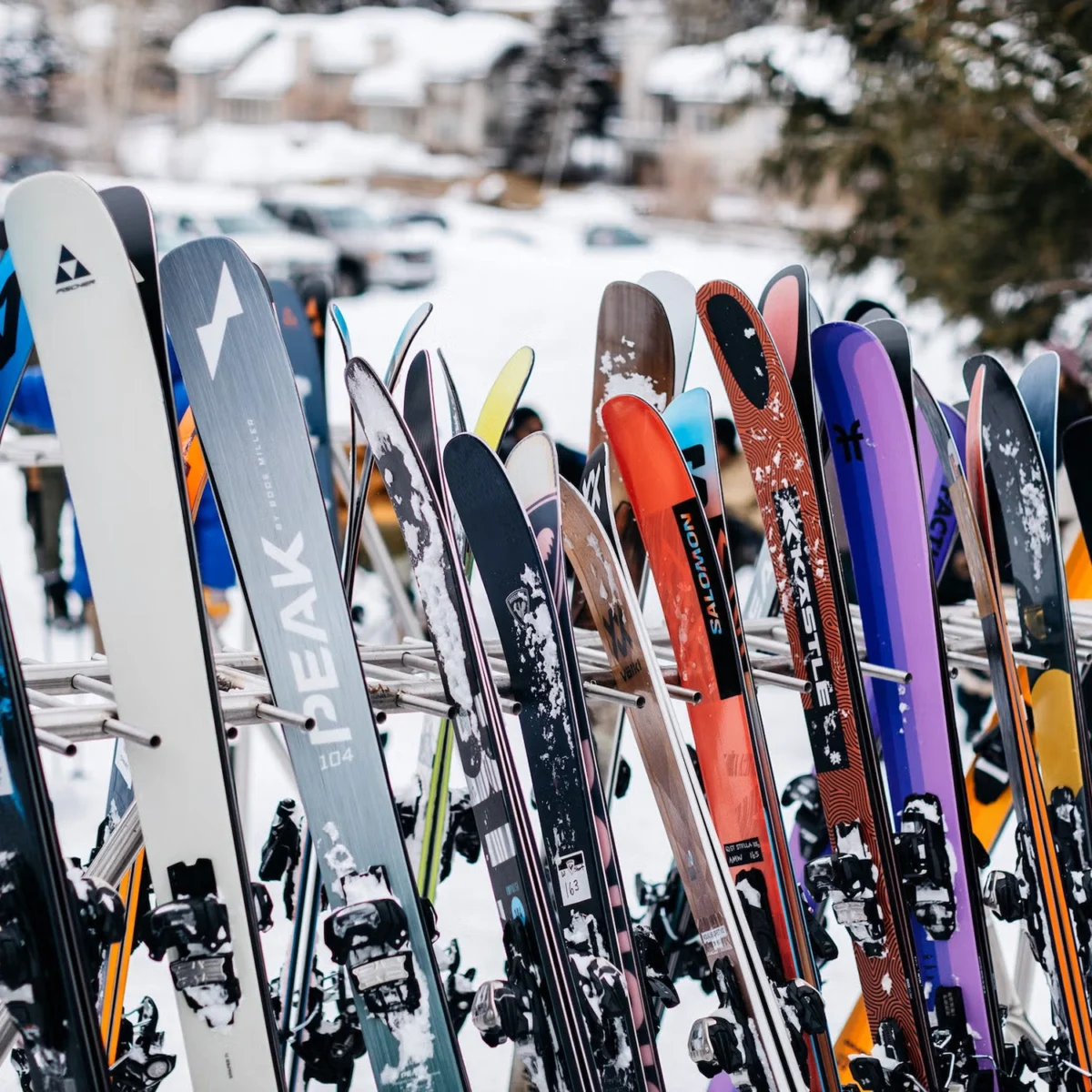
The annual shift in the winter sports retail landscape reached a critical milestone this week as Minimum Advertised Pricing (MAP) policies for 2026 ski models officially expired. This regulatory transition allows authorized retailers to move beyond manufacturer-imposed pricing floors, resulting in immediate price reductions of up to 50 percent on high-performance equipment. For the consumer market, this window represents the most significant opportunity to acquire "tester-approved" gear before the full rollout of 2027 inventory, particularly as many upcoming models feature identical internal constructions to their 2026 predecessors, differing only in aesthetic graphic updates.
The Mechanics of Minimum Advertised Pricing in the Ski Industry
The expiration of MAP is a standard but pivotal event in the outdoor gear lifecycle. Manufacturers typically enforce MAP during the primary sales season to protect brand equity and ensure healthy margins for brick-and-mortar specialty shops. However, as the 2027 product lines begin to occupy warehouse space, the industry shifts its focus toward inventory liquidation. By lifting these restrictions in mid-October, brands enable retailers to clear remaining 2026 stock, providing a necessary influx of liquidity for the upcoming winter season.
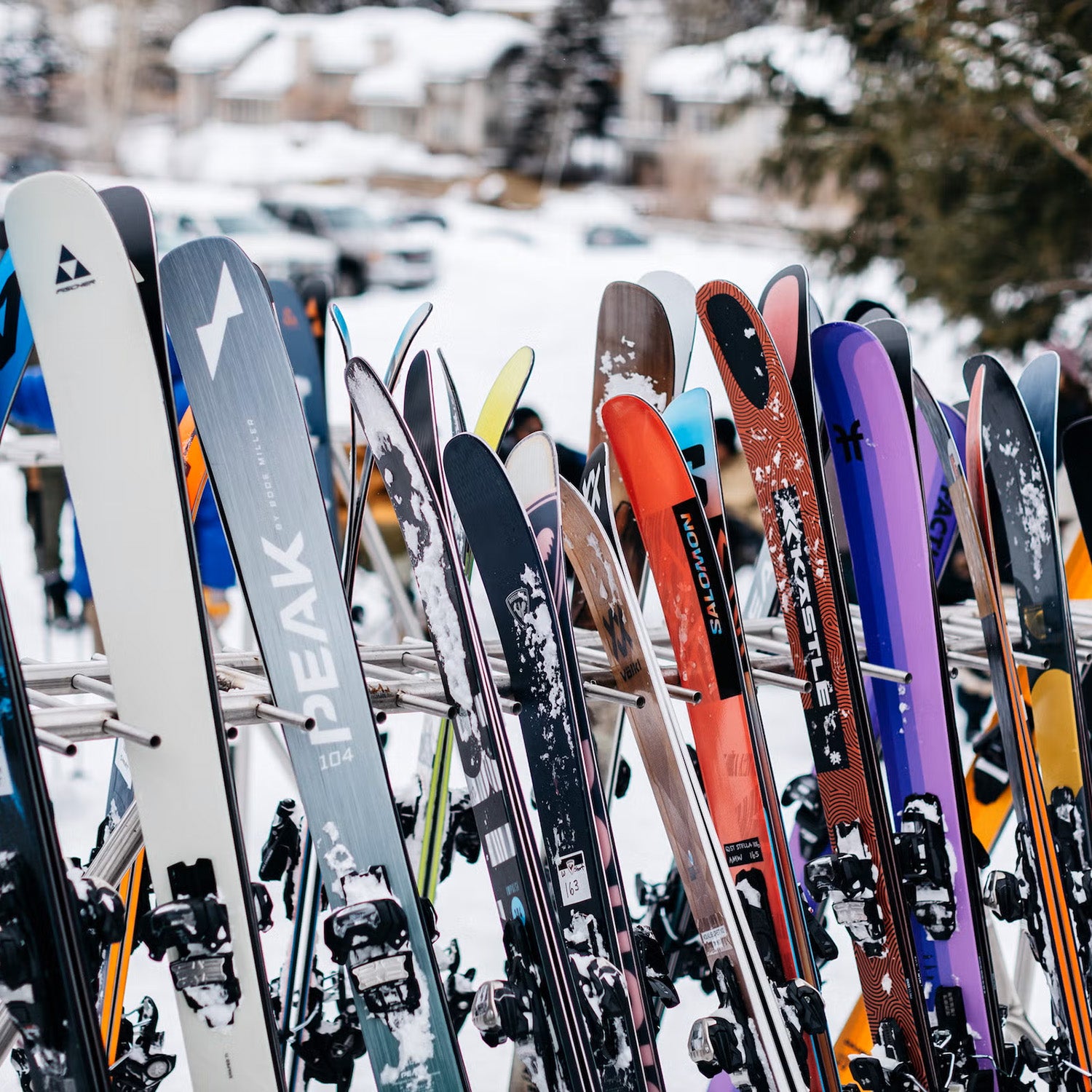
Market analysts note that the 2026 season was characterized by a stabilization of supply chains following several years of volatility. Consequently, the current surplus of 2026 models is not indicative of poor performance but rather a strategic over-alignment with projected demand. This has created a "buyer’s market" where premium, award-winning skis are available at entry-level price points.
Detailed Analysis of Discounted 2026 High-Performance Models
The current inventory of discounted skis includes several models that have consistently topped industry tests for versatility, durability, and technical innovation. The following analysis examines the specific engineering and performance metrics of the most notable 2026 models now entering the clearance phase.
Rossignol Sender Soul 102: The All-Mountain Benchmark
The Rossignol Sender Soul 102 has maintained its position at the top of the all-mountain wide category for three consecutive years. Derived from the design philosophy of the legendary Soul 7 series, the 2026 Sender Soul 102 utilizes a sophisticated blend of lightweight materials and dampening technology.
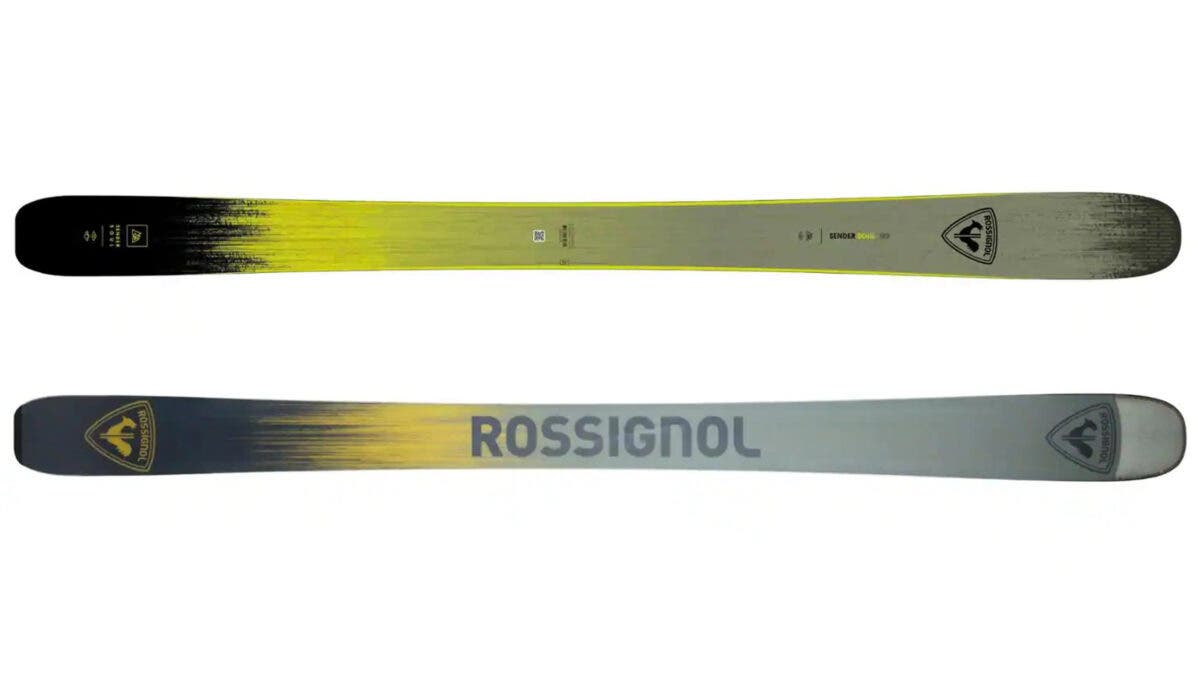
The ski features an extended core construction and the brand’s proprietary Air Tip technology, which reduces swing weight while enhancing maneuverability. With a 102mm waist, it is designed to bridge the gap between groomed-run precision and off-piste flotation. Retailers have adjusted the price of the 2026 model, including NX 12 Konect bindings, to approximately $580, a 39 percent decrease from the original $950 MSRP. Industry testers frequently categorize this model as a "hero ski" due to its ability to make challenging terrain feel accessible to intermediate skiers while remaining stable enough for expert-level charging.
Dynastar M-Free 100: Freeride Precision
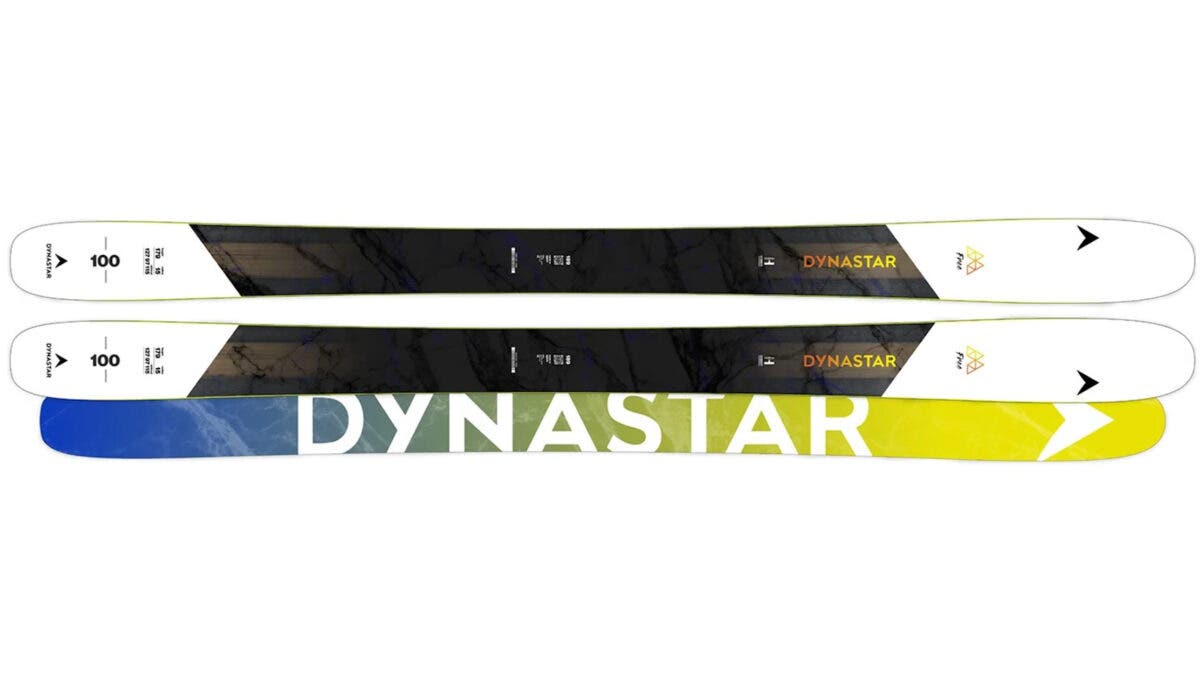
A more agile alternative to the heavier M-Free 108, the Dynastar M-Free 100 is engineered for aggressive freeride performance. The 2026 iteration incorporates the Hybrid Core 2.0, a construction method that utilizes a unidirectional poplar wood core combined with polyurethane (PU). This combination is designed to mute vibrations and provide a "damp" feel that flattens out inconsistent snow conditions.
While the M-Free 100 is praised by ski patrollers and professional freeriders for its edge grip and stability, it is noted for its significant mass. The weight provides a high speed ceiling but may require more physical input from lighter or less experienced skiers. Current market adjustments have made this a primary target for those seeking a durable, high-momentum ski for variable mountain conditions.
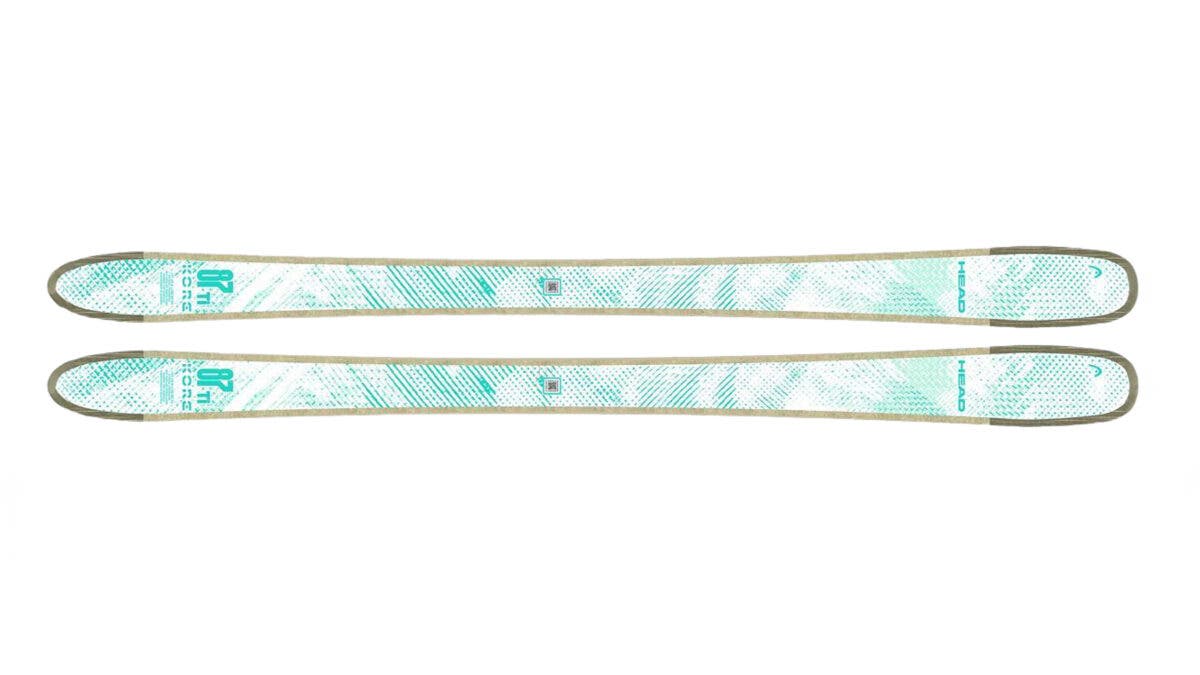
Head Kore 87 Ti W: Optimized for Confidence
In the women’s specific category, the Head Kore 87 Ti W has been recognized as a premier "confidence booster." During standardized testing at Deer Valley, the ski was lauded for its forgiving nature and balanced flex pattern. The engineering behind the Kore series focuses on weight reduction without sacrificing torsional rigidity.
By utilizing Graphene—one of the strongest and lightest materials available—alongside a Karuba wood core and layers of Titanal, Head has created a ski that remains responsive on hard-pack groomers while maintaining enough versatility for mogul fields and light powder. The expiration of MAP allows consumers to acquire this technical versatility at a fraction of the cost of the incoming 2027 version, which retains the same core architecture.
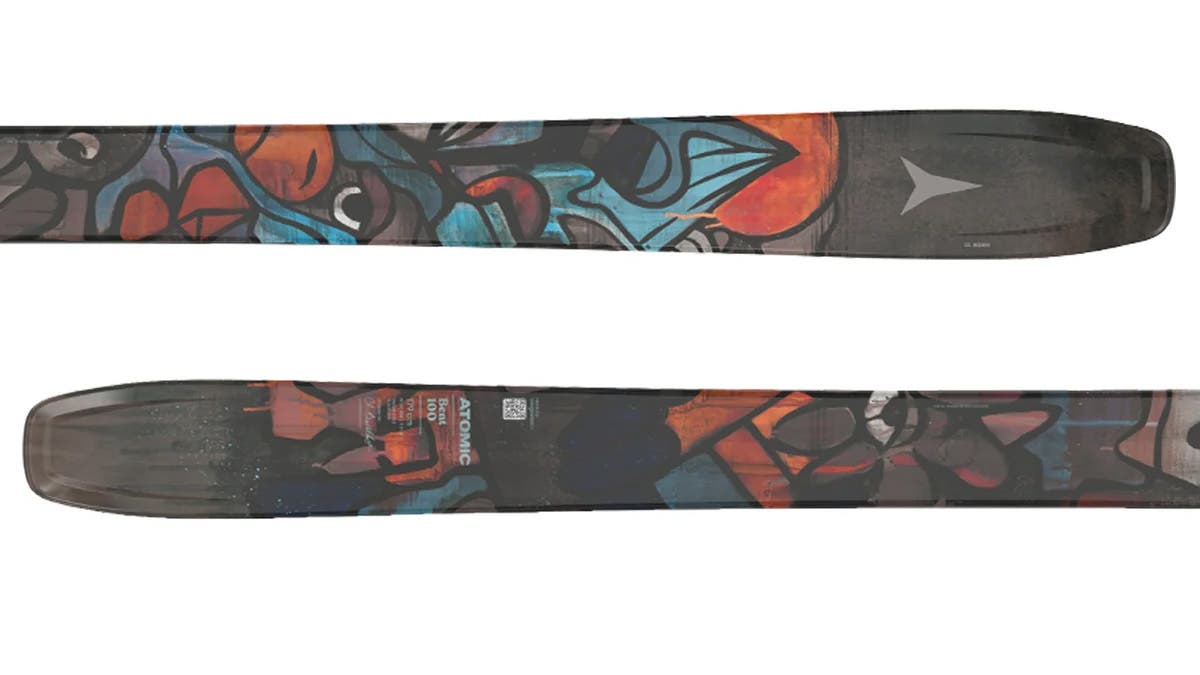
Atomic Bent 100: Artistic Design Meets Functional Versatility
The Atomic Bent 100 remains one of the most recognizable skis in the industry, largely due to the topsheet artwork of Chris Benchetler. However, beyond the aesthetic appeal, the 100mm-waist model is a highly functional soft-snow specialist. It features HRZN Tech in the tip and tail, increasing surface area by 10 percent for improved flotation without adding width or weight.
The 2026 Bent 100 is built with a Light Woodcore, making it an ideal choice for skiers who prioritize playfulness and the ability to "slarve" (a hybrid of sliding and carving) through trees and soft snow. While it lacks the metal laminates required for high-speed ice carving, its "sweet spot" is considered among the widest in the industry, accommodating a variety of skiing styles.
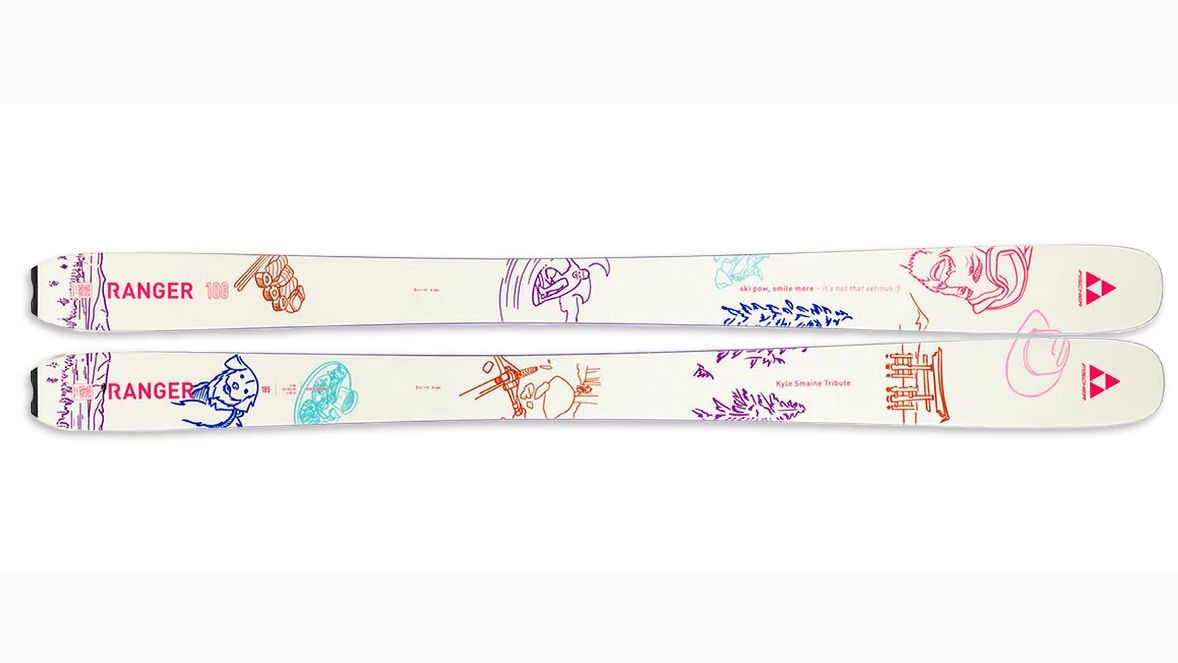
Fischer Ranger 108: Flotation and Control
For skiers focused on deep snow and backcountry transitions, the Fischer Ranger 108 represents a significant value proposition in the current market. The 2026 model, which earned top honors for flotation, features a wide shovel and a characteristic soft flex. This design allows the ski to plane quickly in powder and remain manageable in heavy, wet snow or spring corn.
One of the most dramatic price shifts observed following the MAP expiration involves the Ranger 108, with some retailers listing the ski at $400, down from its $900 launch price. This 55 percent reduction makes it an accessible option for intermediates looking to expand their off-piste capabilities.
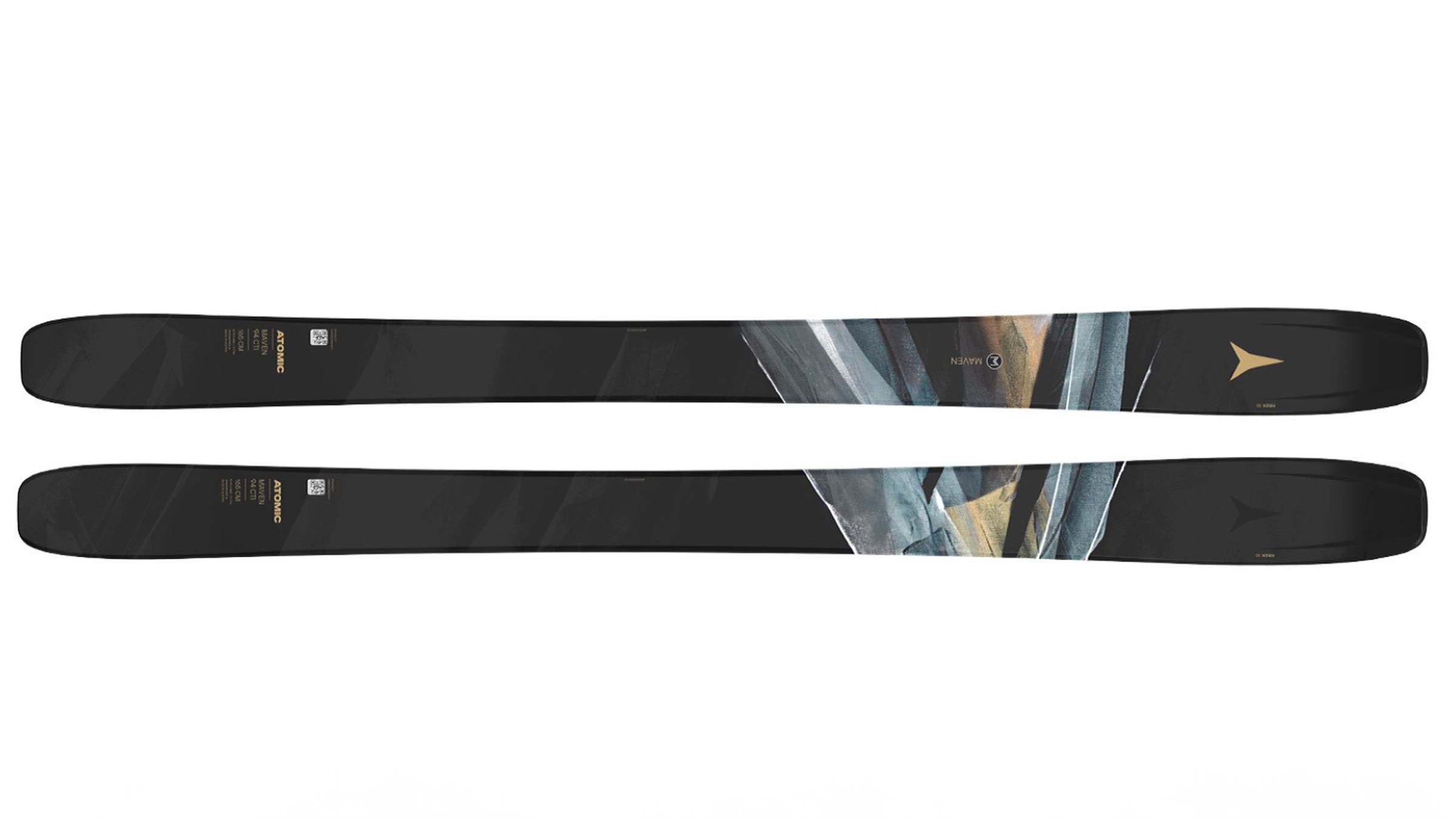
Atomic Maven 94 CTI: The Versatile Playground
The Atomic Maven 94 CTI is engineered for agility. Utilizing the Flow Profile—which balances camber, shovel taper, and tip rocker—the Maven 94 CTI is designed to transition seamlessly between carved turns on groomers and nimble navigation through bumps. The "CTI" designation refers to the Carbon Tank Mesh and Titanal Powered laminates that provide the ski with its "backbone" and energy.
While testers have noted that it may lack the extreme stiffness required for "hard charging" on East Coast ice, its performance in soft snow and mixed terrain makes it a top contender for a "one-ski quiver" in Western regions.
Line Optic 96: A Shift Toward Directional Charging
Historically known for freestyle and park-oriented designs, Line Skis pivoted toward directional all-mountain performance with the Optic 96. This model incorporates "Gas Pedal Metal Overdrive" technology—a Titanal layer focused on the edges to increase grip while leaving the center of the ski more flexible. The result is a ski that maintains Line’s signature playfulness in the tip and tail while providing the stability required for high-speed alpine descents.
Chronology of the Ski Product Lifecycle
The transition from the 2026 to 2027 product cycle follows a predictable industry timeline:
- January – March 2025: Manufacturers debut 2026 prototypes to media and retailers at trade shows like SIA and ISPO.
- September 2025: 2026 models arrive in retail stores under strict MAP guidelines.
- February – April 2026: End-of-season sales offer the first round of discounts, though MAP often remains in place for "current" season gear.
- August – September 2026: "Summer Window" sales clear early inventory to make room for 2027 shipments.
- October 2026: MAP expires. Retailers are granted full autonomy over pricing for the remaining 2026 stock.
- November 2026: The 2027 models become the primary focus of marketing efforts, often featuring identical technology but new "Year 2" graphics.
Broader Economic Implications and Industry Trends
The aggressive discounting of 2026 models reflects broader trends in the outdoor recreation economy. Following the "pandemic boom" in outdoor participation, the industry has faced a period of normalization. High interest rates and inflationary pressures on travel have made consumers more price-sensitive, leading to a more competitive retail environment.
Furthermore, the "carry-over" trend has become more prevalent. To reduce research and development costs and minimize environmental impact, several major brands have moved toward two-year cycles for their internal ski constructions. This means that the 2026 models currently on sale are, in many cases, technologically identical to the 2027 models being sold at full MSRP. For the informed consumer, the distinction is purely cosmetic, making the 40 to 50 percent savings a mathematically sound investment.
Retailer and Manufacturer Responses
Retailers have expressed that the expiration of MAP is essential for maintaining healthy cash flow. "The goal is to ensure that no 2026 inventory remains by the time the first major snowfalls hit," stated one regional manager for a national outdoor chain. "Once the 2027 marketing campaigns are in full swing, the 2026 gear becomes much harder to move, even at a discount. This October window is the ‘sweet spot’ for both the shop and the customer."
Manufacturers, while focused on the 2027 rollout, view these clearance sales as a way to increase "brand on snow." By getting high-performance models like the Rossignol Sender Soul or the Fischer Ranger into the hands of more skiers, they build long-term brand loyalty that often translates into full-price purchases of boots, bindings, and apparel.
Conclusion: Strategic Purchasing for the 2026-2027 Season
As the 2026-2027 winter season approaches, the expiration of Minimum Advertised Pricing provides a data-backed opportunity for skiers to upgrade their equipment. With technical specifications remaining largely stagnant between the 2026 and 2027 model years for several flagship lines, the current discounts represent a significant reduction in the total cost of ownership for premium winter sports equipment. Consumers are advised to act within this window, as the most popular lengths and widths typically sell out before the peak holiday season.
