

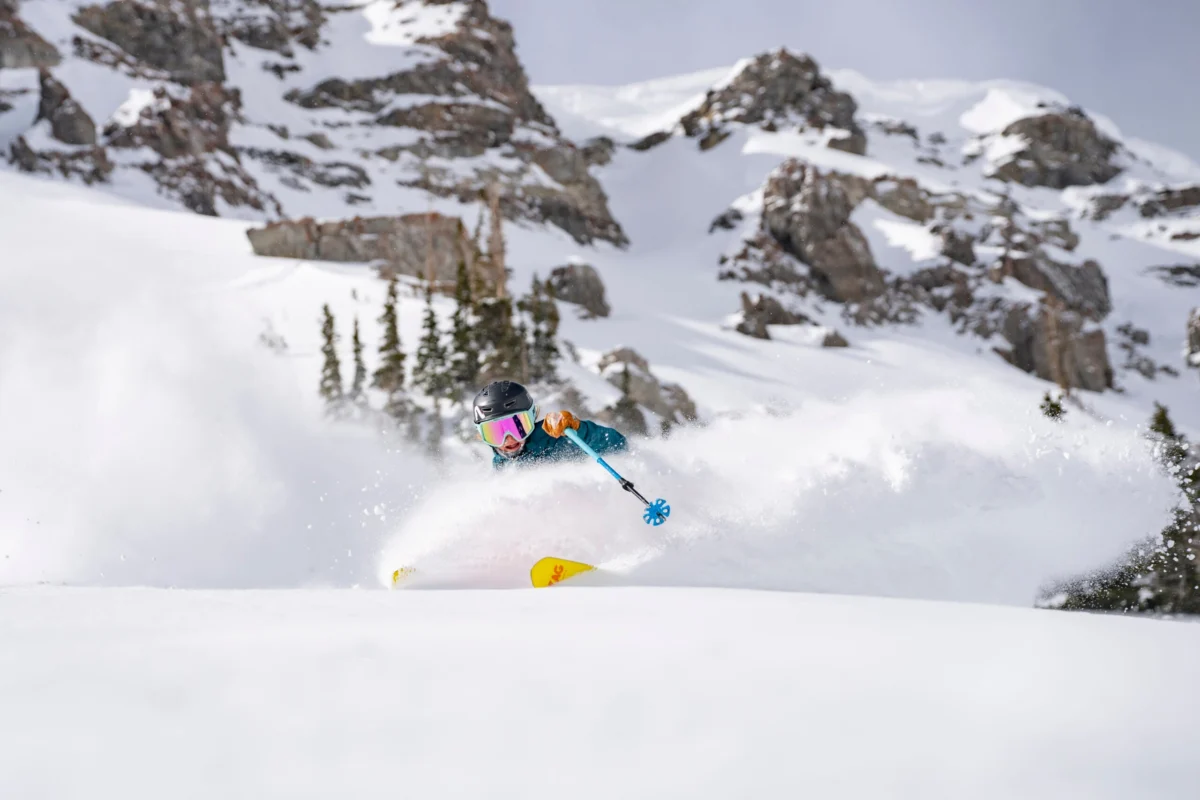
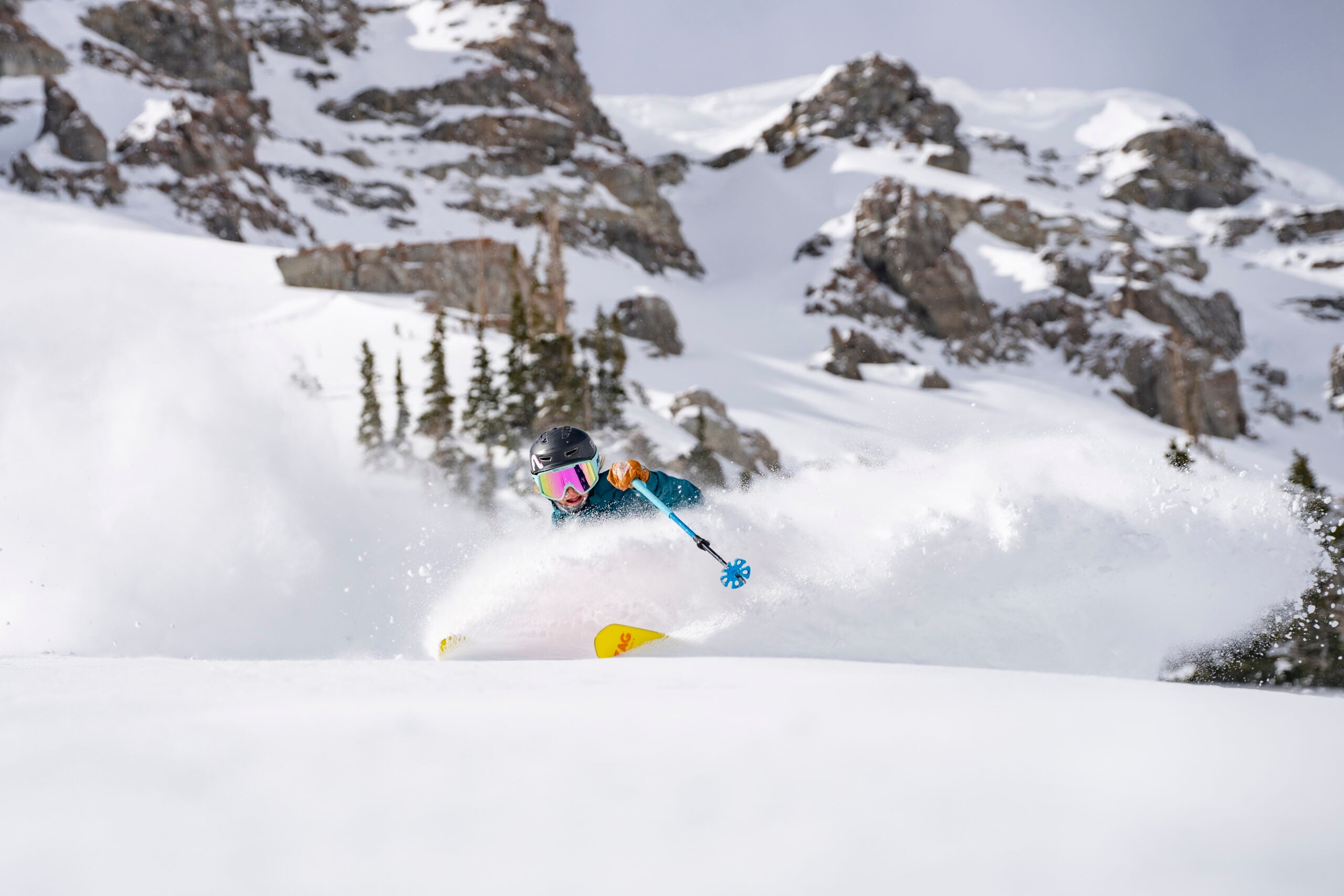
The American ski industry, a sector that contributes over $58 billion annually to the national economy and supports approximately 75,000 jobs, is facing an existential crisis driven by the increasing volatility of winter weather patterns. For the more than 50 million skiers and snowboarders who visit U.S. slopes each year, the sport relies on a singular, increasingly fragile variable: consistent snowfall. As climate change continues to compress winter seasons and raise average temperatures, the 2025–2026 season served as a stark reminder of the industry’s vulnerability. Across the American West, record-low snowpacks led to shortened operating windows, followed by a summer of severe drought and catastrophic wildfires. In response to this mounting threat, a new wave of technological intervention is emerging, led by a California-based startup named Rainmaker, which claims it can stabilize the industry through advanced weather modification.
The Rising Stakes of the Snow Business
The economic impact of a "bust" year in the ski industry extends far beyond the resorts themselves. Mountain towns rely on winter tourism to fund municipal services, support local hospitality businesses, and maintain infrastructure. When the snow fails to fall, the ripple effect is felt through decreased tax revenue and job losses in rural communities. Historically, resorts have mitigated these risks through traditional snowmaking—using energy-intensive fans and compressors to turn water into ice crystals. However, traditional snowmaking requires specific temperature and humidity thresholds that are becoming harder to meet.
This environmental shift has created a market for more aggressive interventions. Rainmaker, a venture-backed startup founded in 2023, is positioning itself as the modern solution to this volatility. By utilizing autonomous drone technology and sophisticated data modeling, the company aims to move beyond ground-based snowmaking and into the clouds themselves. The company’s goal is to offer "subscription powder days," providing resorts with a more predictable and enhanced snowpack through glaciogenic cloud seeding.
A New Era of Weather Modification: The Elijah Drones
Cloud seeding is not a new concept; the process was first discovered by General Electric researchers in 1946. The fundamental science involves introducing an ice-nucleating agent, typically silver iodide, into supercooled clouds. These particles provide a scaffold for water vapor to freeze upon, creating ice crystals that eventually grow heavy enough to fall as snow. Despite its long history, cloud seeding has struggled with two primary issues: delivery efficiency and empirical proof of efficacy.
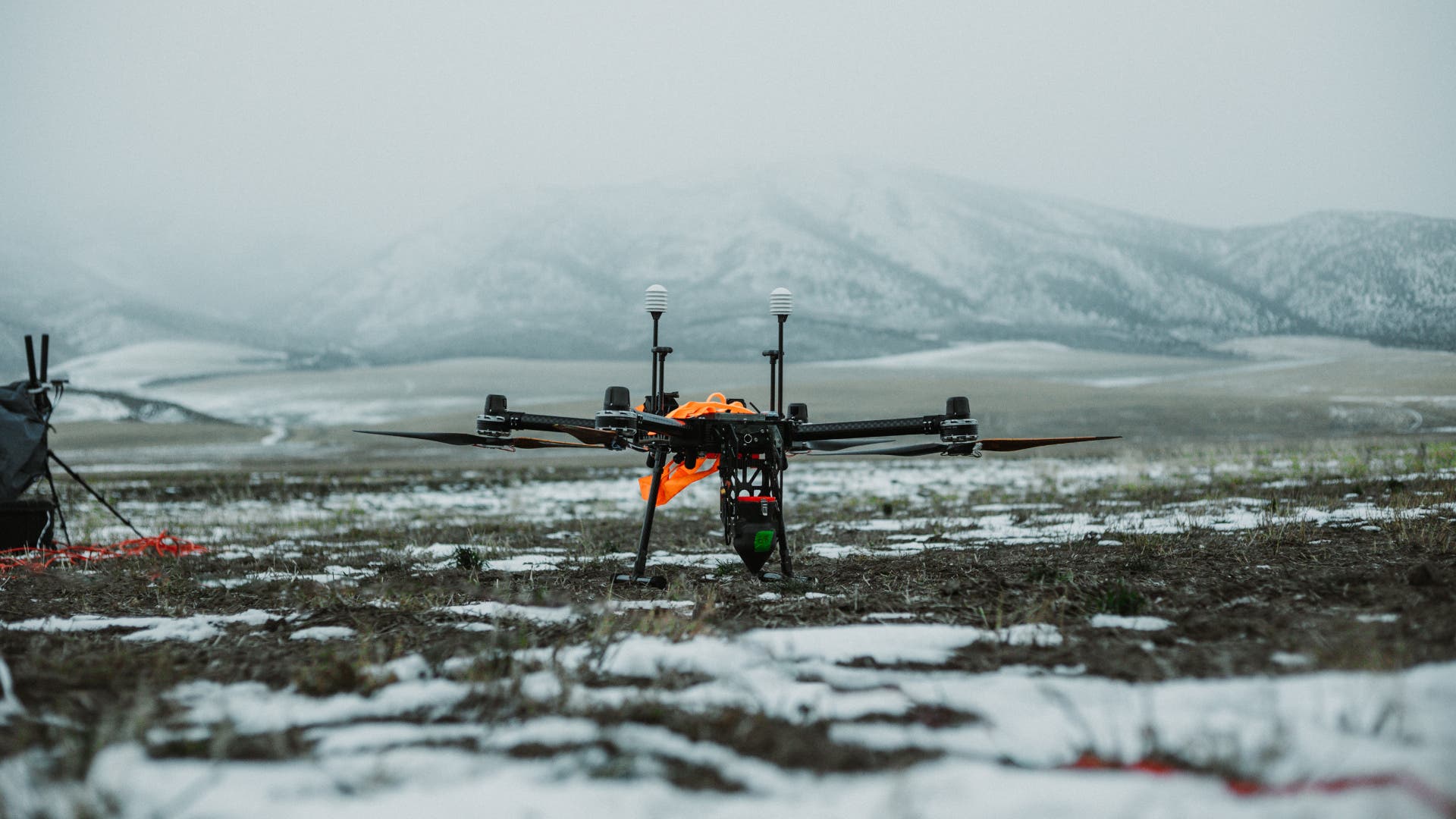
Rainmaker’s founder and CEO, Augustus Doricko, argues that his company has solved both. Traditional methods relied on ground-based "burners" that hoped updrafts would carry particles into the clouds, or manned aircraft that were expensive to operate and limited by pilot safety during the very storms they were trying to enhance. Rainmaker’s solution is the "Elijah Drone," a proprietary 50-pound autonomous aircraft designed specifically for high-altitude, cold-weather operations.
These drones are equipped with state-of-the-art weather monitoring systems and cameras, allowing operators to pilot them via laptops into the coldest, most moisture-rich sections of a cloud formation. Once positioned, the drones ignite custom-built steel tubes containing silver iodide flares. By hovering directly within the target zone for up to 60 minutes, the drones ensure a concentrated and precise application of the nucleating agent, which Rainmaker claims is significantly more effective than previous "blind" delivery methods.
Proving the Unprovable: Data-Driven Validation
Perhaps the most significant hurdle for the weather modification industry has been the "magic bean" problem. Historically, if a resort seeded a cloud and it subsequently snowed, there was no definitive way to prove that the seeding caused the snowfall or if it would have occurred naturally. This lack of clear ROI led many major resorts, including industry giants like Vail and Aspen, to scale back or abandon their seeding programs over the last decade.
Rainmaker claims to have broken this cycle of skepticism. In January 2026, during a series of experiments in Pendleton, Oregon, the company utilized a combination of Next Generation Weather Radar (NEXRAD), Geostationary Operational Environmental Satellites (GOES), and polar-orbiting satellites to track the specific impact of their operations. By analyzing the radar signatures of the clouds before, during, and after drone deployment, Rainmaker reported that it could "unambiguously" measure the amount of precipitation induced by their intervention.
This claim of real-time measurement is what Doricko describes as "the whole enchilada." If a resort can see exactly how many inches of snow were added to their base by a specific drone flight, the service moves from a speculative gamble to a quantifiable utility.
From the Pacific Northwest to the Alaskan Frontier
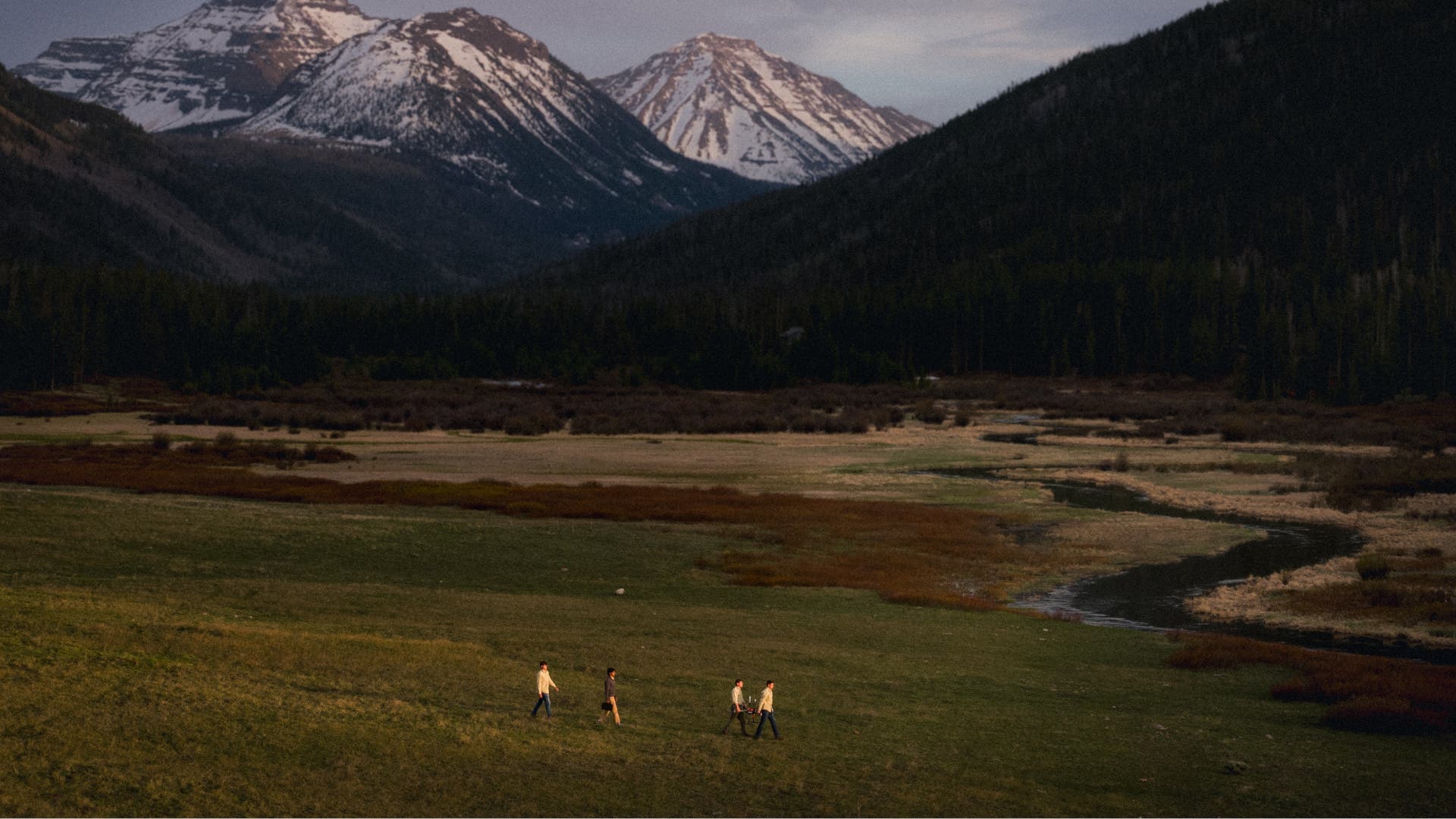
Following the success of the Oregon trials, Rainmaker moved its research operations to Homer, Alaska, in the summer of 2026. The goal was to test the technology’s limits in a high-latitude environment. While much of the summer was characterized by uncharacteristically clear skies—conditions that made seeding impossible—the team focused on "stress-testing" the drones’ hardware and software.
In late August 2026, a weather front finally provided the necessary conditions. Rainmaker deployed its drones into two target clouds, resulting in an experiment that made national headlines. According to the company’s data, the operation produced 19 million gallons of rain over the Kenai Peninsula in just three hours. While 19 million gallons is a massive volume of water, scientific observers noted that when spread over a 100-square-mile area, it amounted to approximately 0.01 inches of rainfall. In the context of skiing, this would translate to a mere 0.1 inches of snow.
Scientific Skepticism and the Scalability Challenge
Despite the enthusiasm from Rainmaker and its investors, the scientific community remains cautious. Bart Geerts, a professor of atmospheric science at the University of Wyoming and a leading expert in cloud seeding, notes that while Rainmaker’s technology is an impressive leap forward in delivery and company scale, the actual impact on major storm systems remains unproven.
Geerts points out that detecting a "seeding signature" is much easier in small, isolated clouds like those found during the Alaska trials. However, the "slammers"—the massive winter storms that resorts rely on for their primary snowpack—are chaotic environments. In these large-scale systems, the natural processes are so intense that it becomes nearly impossible to distinguish between natural snowfall and human-induced enhancement.
Furthermore, there is the geographical challenge. Cloud seeding requires supercooled liquid water to be present in the atmosphere. These conditions are frequent in coastal regions like Alaska or the Pacific Northwest, but are significantly rarer in the "dry" interior mountains of Utah, Colorado, and Wyoming. In these regions, the air is often too dry or the clouds are already "glaciated" (meaning the water has already turned to ice), leaving little opportunity for silver iodide to work its magic.
Partnerships and the Path to the 2034 Olympics
Regardless of the scientific debate, the commercial appetite for Rainmaker’s services is growing. Snowbird Resort in Utah has signed on as the company’s first official ski area partner. Doricko has indicated that negotiations are underway with several other major resorts in Colorado and California, with the goal of having multiple drone-based snowpack enhancement operations active before the end of the 2026–2027 winter season.
The ultimate goal for Rainmaker is the global stage. Doricko is eyeing the 2034 Winter Olympic Games in Salt Lake City as the definitive proof-of-concept for his company. He points to the 2008 Beijing Summer Olympics, where the Chinese government used extensive cloud seeding to ensure clear skies for the opening ceremony, as a precedent for state-level weather management. Rainmaker hopes to work with the state of Utah to "buffer" the snowpack for the 2034 Games, ensuring that the world sees a "winter wonderland" regardless of what the natural climate provides.
The Broader Impact: Water Security and Ecology
While the ski industry is the immediate focus, the implications of Rainmaker’s technology extend into agriculture and municipal water management. A reliable method for increasing snowpack in the mountains serves as a "natural reservoir," releasing water slowly throughout the spring and summer to feed rivers and irrigation systems. For states like California and Utah, which face chronic water shortages, the ability to "manufacture" even a 5% to 10% increase in annual precipitation could have billion-dollar implications for the agricultural sector.
However, environmental advocates raise questions about the long-term effects of introducing silver iodide—a heavy metal—into the ecosystem. While most studies currently suggest that the concentrations used in cloud seeding are too low to pose a threat to human or aquatic life, the scaling of these operations to a "subscription" level would require more rigorous environmental monitoring.
Conclusion
As the 2026–2027 ski season approaches, all eyes will be on Snowbird and the performance of Rainmaker’s Elijah drones. The company stands at the intersection of venture capital, climate adaptation, and atmospheric science. If Rainmaker can deliver on its promise to provide "subscription powder," it may well save an industry that is currently at the mercy of a warming planet. But if the technology fails to scale or the "magic beans" remain unquantifiable in major storms, the ski industry will have to look elsewhere for its survival. For now, the "26-year-old mulleted tech guy" and his fleet of drones represent a high-tech glimmer of hope for a sport that desperately needs a win against the changing climate.
