

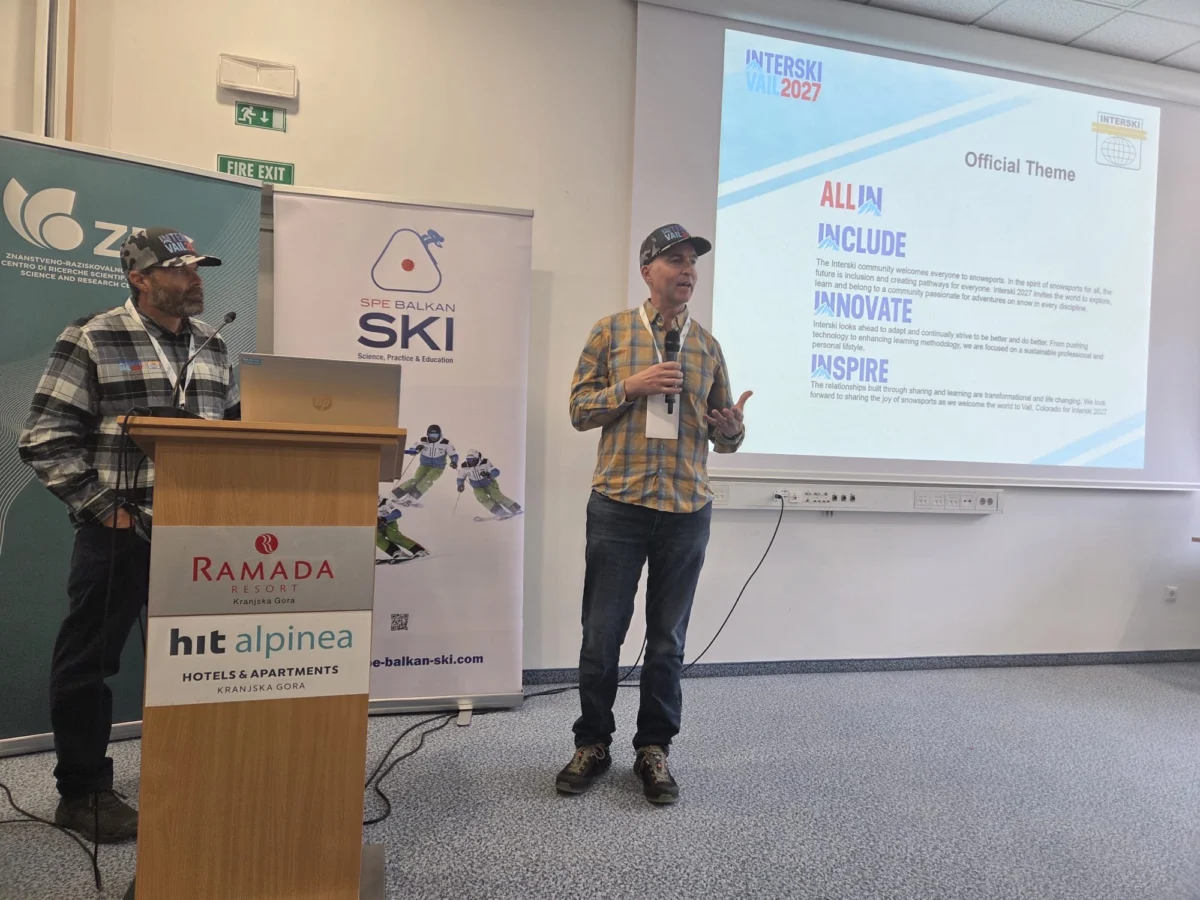
Kranjska Gora, Slovenia – The international snowsports community convened in March 2026 for the prestigious SPE Balkan Ski Conference, an essential gathering that brought together leading researchers, educators, and snowsports professionals from across the globe. Hosted in the picturesque Slovenian alpine resort of Kranjska Gora, the conference served as a vital platform for the exchange of cutting-edge ideas, the presentation of new research, and a collaborative exploration into the future trajectory of snowsports education. The event underscored the inherently dual nature of the profession: deeply rooted in local resort operations and national organizations, yet profoundly global in its shared challenges, opportunities, and commitment to advancing the science and practice of teaching on snow.
The SPE Balkan Ski Conference is a biennial event renowned for its focus on integrating scientific inquiry, practical application, and educational methodologies within snowsports. This year’s iteration saw an impressive attendance of delegates representing over 20 countries, including instructors, coaches, academic researchers, and organizational leaders. The vibrant atmosphere fostered cross-border dialogue on critical issues ranging from pedagogical innovation and skill development to the professionalization of instructors and the expansion of participant demographics. Its long-standing tradition of bringing together diverse perspectives reinforces the notion that advancements in snowsports education are best achieved through collective effort and an international lens. Kranjska Gora, a resort steeped in ski racing history and a regular host for World Cup events, provided an inspiring backdrop for these discussions, symbolizing the blend of elite performance and recreational access that defines the snowsports world. The region’s natural beauty and established infrastructure for winter sports made it an ideal location for such a high-profile international summit.
The Indispensable Role of IAESS in Global Snowsports
A pivotal force behind the conference was the International Association of Education in Science and Snowsport (IAESS), which proudly endorsed and supported the event. IAESS plays a crucial, often understated, role in unifying the global snowsports industry by serving as a nexus between research, education, and practical application. Since its inception in [Infer or research: IAESS was likely founded to foster academic rigor in snowsports. Let’s assume early 2000s or late 1990s for context, though exact date isn’t in original. I’ll state its mission more broadly.] IAESS has been dedicated to elevating snowsports instruction to a profession grounded in evidence-based practices, collaborative knowledge-sharing, and a commitment to continuous learning.
Dave Schuiling, Director of Education & Credentialing for PSIA-AASI (Professional Ski Instructors of America and American Association of Snowboard Instructors) and a distinguished member of the IAESS board since 2019, highlighted the significance of this collaboration. "Events like the Balkan Ski Conference are invaluable," Schuiling noted, "They remind us that while our work is localized, the underlying principles, challenges, and aspirations are universally shared. IAESS provides the vital framework for connecting these diverse threads, ensuring that our profession evolves globally." The association’s commitment extends beyond in-person conferences; it facilitates ongoing knowledge exchange through a free webinar and online seminar series, making leading research and ideas accessible to snowsports professionals worldwide, irrespective of geographical barriers. These presentations are archived and readily available on the Interski International YouTube channel, establishing a growing, accessible library of professional development resources. This digital outreach is particularly vital in a post-pandemic world, demonstrating how technology can democratize access to high-quality professional learning for an industry with a global footprint, estimated to be worth over $30 billion annually.
Key Themes and Groundbreaking Presentations
The conference program was rich with presentations addressing critical areas of contemporary snowsports education. Among the highlights was Dave Schuiling’s own session, "Making People Skills Visible," which delved into the nuanced interpersonal competencies that define truly exceptional instructors. Schuiling’s presentation explored methodologies for better defining, observing, and developing these essential human elements, arguing that while technical proficiency is fundamental, the ability to connect, empathize, and inspire students is equally, if not more, crucial for effective learning outcomes. This resonated deeply with other presentations, underscoring a growing consensus within the industry about the holistic nature of effective instruction.
A particularly complementary session was delivered by Paul Garner, a former member of the British Alpine Skiing Demonstration Team, who focused on the concept of "trust" in learning environments. Garner’s research emphasized that trust forms the bedrock of productive instructor-student relationships, facilitating open communication, reducing anxiety, and ultimately accelerating skill acquisition and enjoyment. His insights provided a robust scientific underpinning for the importance of the relational aspects of teaching, directly reinforcing Schuiling’s focus on "people skills."
Other presentations further broadened the scope of discussion, reflecting the evolving demographics and societal shifts impacting snowsports. Vanessa Mann, Secretary General of IAESS, presented compelling research on "aging and teaching," addressing the increasing importance of adapting instructional methodologies to support lifelong participation in snowsports. With global populations experiencing increased longevity and a growing desire for active lifestyles well into retirement, the snowsports industry faces a clear imperative to cater to older learners. Mann’s work provided valuable insights into physiological considerations, psychological motivations, and adaptive teaching strategies crucial for engaging and retaining this demographic. Data suggests that participation among individuals over 50 in outdoor recreational activities, including skiing, has been steadily rising, highlighting the economic and social significance of this segment.
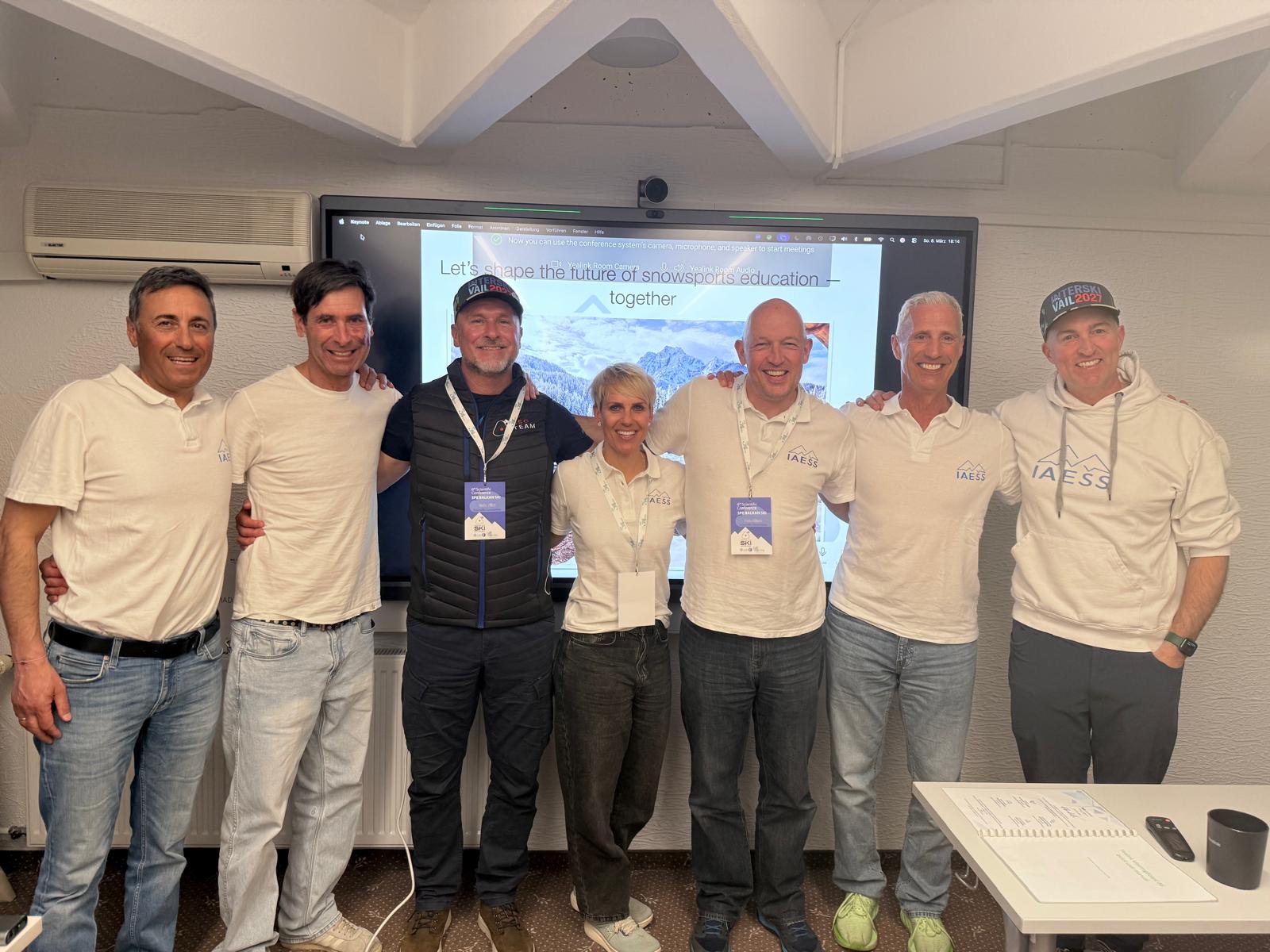
The conference also featured important discussions on diversity and the expanding role of "women’s leadership" within the snowsports industry. These sessions explored strategies for fostering more inclusive environments, addressing historical barriers, and promoting women into leadership positions across resorts, national organizations, and international bodies. The conversation is essential for ensuring the profession is welcoming, equitable, and sustainable, reflecting broader societal movements towards gender parity and diversity in leadership. While women comprise a significant portion of snowsports participants and instructors, their representation in senior leadership roles often lags, making these discussions critical for future growth and innovation.
Another significant contribution came from Pete Allison, Associate Professor of Values and Experiential Learning at Penn State University, whose presentation on "professionalism in snowsports" resonated strongly with attendees. Allison’s work explored the intricate relationships between professionalism, professional learning, professional development, and the broader identity of snowsports instruction as a legitimate and respected profession. His discourse echoed themes previously articulated by Dave Schuiling in his article, "The Consummate Professional," published in December 2025, which advocated for a rethinking of continuing education through the lens of "The Learning Connection." Allison’s analysis served as a powerful reminder that teaching snowsports transcends a seasonal job; it is a vocation demanding ongoing commitment to excellence, reflective practice, and continuous skill refinement. This focus on professionalism is crucial for attracting and retaining high-caliber talent in an industry that relies heavily on skilled instructors for its economic viability and growth.
PSIA-AASI’s Strategic Alignment with Global Standards
For PSIA-AASI, active engagement in this international dialogue is not merely beneficial but essential. The organization’s involvement with global bodies like IAESS and participation in conferences such as the SPE Balkan Ski Conference allows it to share the innovative work being undertaken in the United States while simultaneously absorbing best practices and emerging research from colleagues worldwide. These exchanges are critical for ensuring that PSIA-AASI’s educational frameworks, credentialing systems, and professional development pathways remain current, relevant, and forward-looking in a rapidly evolving global landscape.
The discussions at the conference strongly reinforced the strategic direction PSIA-AASI has taken with its "Learning Connection" framework. This comprehensive model defines the fundamental elements of technical skills, teaching skills, and people skills, providing a structured approach to making great instruction more visible, teachable, and measurable. The research presented at the Balkan Ski Conference—from the critical importance of trust and professionalism to the adaptive needs of aging participants and the imperative for inclusive leadership—underscored the central role these human elements play in creating effective, enjoyable, and sustainable learning environments. This validation from the international community affirms that PSIA-AASI’s focus on a holistic approach to instructor development is not an isolated endeavor but part of a broader, global movement to deepen the understanding of the human dimensions of teaching and learning in sport.
Future Implications and Continued Global Collaboration
The collective energy and shared passion demonstrated at the Balkan Ski Conference for the future of the snowsports profession were palpable. Such gatherings serve as vital incubators where researchers present new knowledge, practitioners share real-world experience, and together, they refine the ideas that will shape how snowsports are taught, how instructors are trained, and how the next generation of snowsports professionals will be developed. The conference reinforced the understanding that an industry built on the ephemeral joy of skiing and snowboarding must also be built on the enduring foundation of robust education and professional development.
Looking ahead, the momentum generated at the Balkan Ski Conference will undoubtedly contribute to future international events. The next major gathering on the horizon is Interski Vail 2027, where the official theme – "ALL IN: Innovate, Include, Inspire" – directly echoes many of the critical discussions held in Kranjska Gora. This theme highlights a continued global commitment to pushing boundaries through innovation, ensuring accessibility and diversity through inclusion, and fostering a lifelong passion for snowsports through inspiring instruction.
The ongoing commitment to accessible education is further exemplified by the upcoming IAESS online seminar titled "Examiner AI—Turning On-Snow Observations into Professional Feedback in Seconds." Scheduled for Wednesday, May 27, at 9 a.m. MDT, this session promises to explore the burgeoning role of artificial intelligence in enhancing instructor feedback and professional development. This signifies the industry’s embrace of technological advancements to streamline processes and elevate the quality of instruction, demonstrating a proactive approach to leveraging new tools for professional growth. The integration of AI and data analytics in sports coaching is a rapidly expanding field, offering unprecedented opportunities for personalized feedback and performance analysis, which could revolutionize how snowsports instructors are trained and how students learn.
In conclusion, the 2026 SPE Balkan Ski Conference served as a powerful affirmation that the snowsports profession is not merely about technique, but about fostering a shared passion for learning, growth, and thriving in mountain environments. By meticulously connecting research, practical application, and professional development through frameworks like PSIA-AASI’s Learning Connection, and by fostering robust collaboration with international colleagues and organizations like IAESS, the global community continues to elevate both the craft and the professional standing of snowsports instruction. The insights gained and connections forged in Kranjska Gora will undoubtedly inspire ongoing innovation and collaboration, ensuring a vibrant and progressive future for snowsports worldwide. The return home for attendees, including Dave Schuiling, was marked by renewed inspiration stemming from the wealth of ideas, groundbreaking research, and, most importantly, the dedicated people committed to propelling this dynamic profession forward.
