

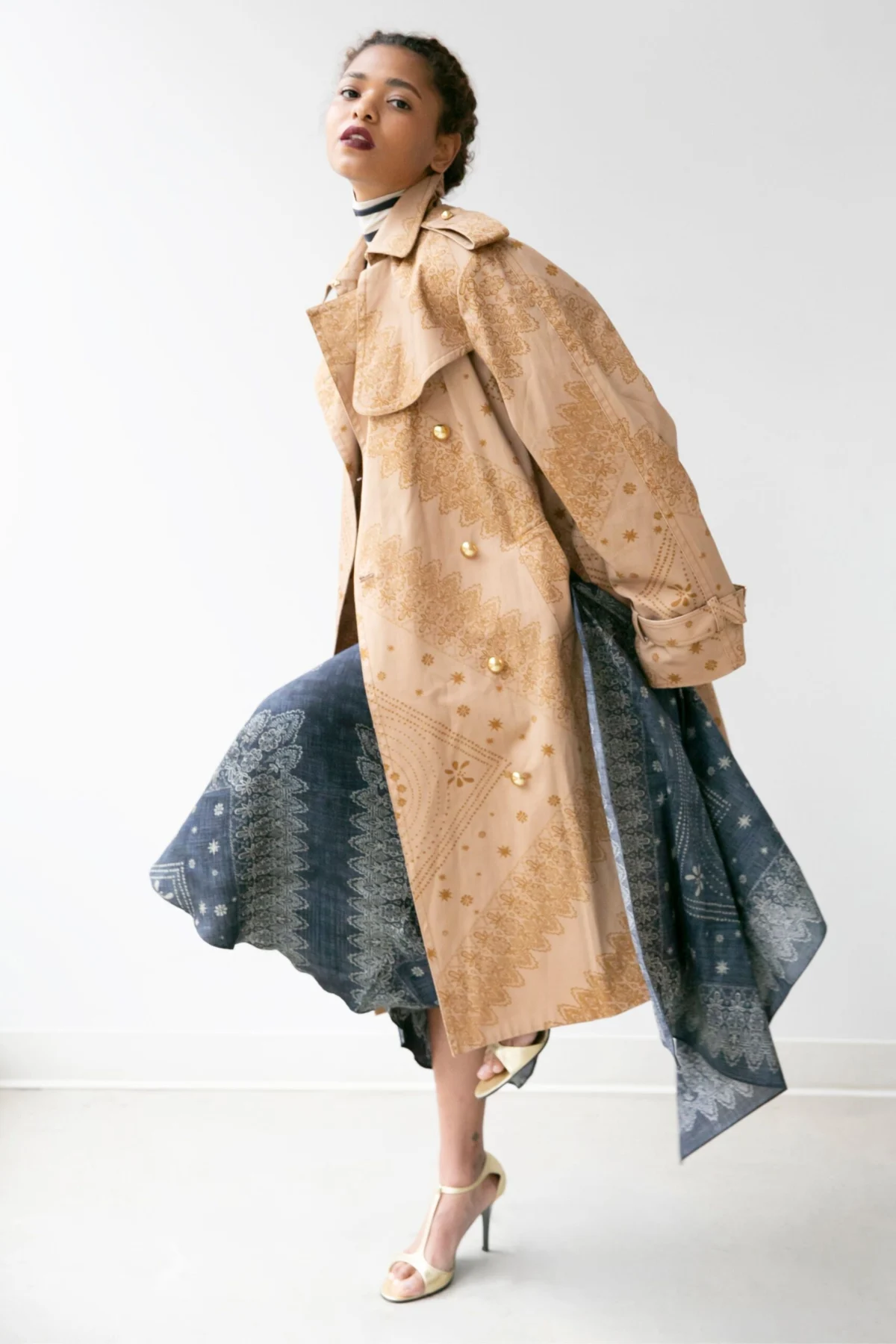
The fashion landscape is a dynamic canvas, constantly evolving with the emergence of new styles. However, as designer Tracy Reese aptly demonstrated with her Fall 2026 ready-to-wear collection, established trends possess a remarkable resilience, often seamlessly integrating with contemporary aesthetics. Reese’s latest offering, unveiled against the backdrop of New York Fashion Week, underscored this sentiment by championing the enduring appeal of scarf dressing, infusing it with her signature optimistic and eco-conscious spirit. The collection also delved into a rich tapestry of vintage influences, celebrating the longevity and craftsmanship of bygone eras.
Scarf Dressing: A Resurgent Statement
The omnipresent scarf, a versatile accessory and a staple in many wardrobes, found a prominent place in Reese’s Fall 2026 collection. Far from a fleeting trend, scarf dressing was elevated through a series of meticulously designed pieces that showcased a spectrum of sophisticated foulard-style prints. These designs featured a captivating interplay of floral motifs, intricate paisleys, and sharp geometric patterns, demonstrating Reese’s masterful ability to blend diverse visual elements.
A particularly noteworthy creation was a hand-drawn, collectible curio design. This unique print, emblazoned with the optimistic legend, "Look for the silver lining," served as a poignant and timely message, as Reese herself explained, "because we need that right now." This sentiment resonated deeply, offering a touch of hope and resilience amidst an often-unpredictable world. The collection’s embrace of this theme extended to an alluring indigo and white bandana print, which was not only presented in its classic form but also reinterpreted in tonal hues on a chic trench coat, showcasing its adaptability across different garment types.
The integration of scarf prints extended beyond standalone garments. Reese strategically placed these vibrant patterns on the inner plackets of classic button-down shirts, adding a subtle yet impactful surprise element. Some of these shirts were further distinguished by an elegant "Hope for Flowers" monogram, a nod to the brand’s identity and a testament to its commitment to refined detailing. These pieces, with their structured silhouettes and classic prints, fit seamlessly into the collection’s exploration of uniform and nautical themes, evoking a sense of timeless preparedness and understated elegance.
Reese’s philosophy on print mixing was evident throughout the collection. "I’m a big print mixer," she declared, a statement that was vividly illustrated in her innovative approach to garment construction. The collection featured a series of "two-in-one" dresses, a testament to her creative vision and desire for multifaceted wearability. These innovative designs ingeniously connected marinière tops, a classic nautical staple, with vibrantly patterned bodies, offering wearers the illusion of two distinct pieces while ensuring a cohesive and impactful look. This approach not only highlights her design prowess but also speaks to a modern consumer’s desire for versatility and value in their fashion choices.
Vintage Echoes and Enduring Craftsmanship
Beyond the embrace of scarf dressing, the Fall 2026 collection delved deeply into the romanticism and enduring appeal of vintage aesthetics. This theme was expressed through a profusion of floral prints, a signature element that has become synonymous with the Hope for Flowers brand, ensuring that no collection would feel complete without them. The presence of delicate lace further amplified this romantic sensibility, with Reese prioritizing quality that met her stringent eco-conscious standards.
The vintage influence was palpable in the intricate detailing of the garments. Ruffled collars, softly smocked sleeves, and elegant bows adorned many pieces, imbuing them with a nostalgic charm. Form-fitting, vest-like tops also contributed to this vintage feeling, drawing inspiration from Reese’s meticulous research into "images of Black women from the late 1800s." This historical exploration informed not only the silhouettes but also the selection and application of prints, creating a collection that felt both rooted in the past and relevant for the present.
Reese articulated her personal connection to this aesthetic, stating, "I think I’m of a certain age that loves vintage and classics." This sentiment translates into a collection designed for longevity. Her intention is not to create ephemeral fashion but rather pieces that can become cherished staples in a consumer’s wardrobe. "I want these pieces to live in people’s wardrobes for as long as they want to wear them and as long as they last," she emphasized, underscoring a commitment to sustainable fashion through durable design and timeless appeal. This philosophy aligns with a growing consumer awareness regarding the environmental impact of fast fashion and a desire for more thoughtful, long-lasting purchases.
Context and Implications of the Fall 2026 Collection
The presentation of the Hope for Flowers Fall 2026 collection at New York Fashion Week occurs within a broader industry context. The fashion calendar, a meticulously planned series of events spanning months, dictates the unveiling of seasonal collections. For Fall 2026, designers have been working diligently for over a year, conceptualizing themes, sourcing materials, and overseeing production. The current season, typically presented in February, showcases designs intended for retail in the following autumn. This lead time allows for market anticipation, buyer orders, and ultimately, the availability of garments in stores and online.
The industry has been grappling with significant shifts in recent years. The rise of e-commerce has transformed retail landscapes, while consumer demand for sustainable and ethically produced fashion continues to grow. Brands like Hope for Flowers, with their inherent commitment to eco-consciousness and enduring design, are well-positioned to address these evolving market expectations. Reese’s focus on high-quality materials, timeless silhouettes, and messages of hope and resilience speaks directly to a consumer base seeking meaning and longevity in their fashion choices.
The collection’s emphasis on scarf dressing and vintage influences can also be seen as a response to broader cultural trends. The cyclical nature of fashion means that styles from previous decades often resurface, reinterpreted for a contemporary audience. The current fascination with archival fashion and the appreciation for craftsmanship from earlier eras have undoubtedly influenced Reese’s design direction. Furthermore, the global events of recent years have fostered a collective yearning for comfort, optimism, and a connection to the past, themes that are subtly woven into the fabric of her collection.
Analysis of Design Choices and Market Positioning
Tracy Reese’s Fall 2026 collection demonstrates a keen understanding of market dynamics and consumer desires. By reinterpreting the enduring appeal of scarf dressing and infusing it with her unique optimistic and eco-conscious perspective, she offers a collection that is both fashionable and meaningful. The use of foulard prints, bandana motifs, and paisley designs, applied across a range of garments from trench coats to shirt plackets, showcases the versatility of these patterns and their ability to add a touch of sophistication and individuality to any ensemble.
The integration of vintage elements, inspired by historical research and a personal appreciation for classic styles, further enhances the collection’s appeal. The inclusion of lace, ruffled collars, smocked sleeves, and bows adds a romantic and feminine touch, while the focus on durable design and timeless silhouettes ensures that these pieces will remain relevant for seasons to come. This approach aligns with the growing trend of conscious consumption, where consumers are increasingly prioritizing quality, sustainability, and longevity over fleeting trends.
Reese’s ability to blend disparate elements, such as marinière tops with patterned dresses, highlights her innovative design process and her commitment to creating unique and versatile pieces. The "two-in-one" dresses, in particular, offer consumers greater value and flexibility, allowing them to create multiple looks from a single garment. This thoughtful approach to design not only appeals to the modern consumer but also reflects a broader industry shift towards more sustainable and resource-efficient practices.
The collection’s overall message of hope and resilience, embodied in the "Look for the silver lining" print, is particularly resonant in the current global climate. By offering a collection that is both aesthetically pleasing and emotionally uplifting, Reese is tapping into a deeper consumer need for positivity and optimism. This emotional connection, combined with her commitment to quality and sustainability, positions Hope for Flowers as a brand that is not only at the forefront of fashion but also attuned to the evolving values and aspirations of its audience.
In conclusion, Tracy Reese’s Fall 2026 collection stands as a testament to the enduring power of well-crafted design and thoughtful messaging. By embracing the timeless appeal of scarf dressing and drawing inspiration from the rich heritage of vintage fashion, she has created a collection that is both relevant and aspirational. The Hope for Flowers Fall 2026 ready-to-wear collection is a sophisticated and optimistic offering, designed to be cherished and worn for years to come, embodying a vision of fashion that is as enduring as it is inspiring.
