

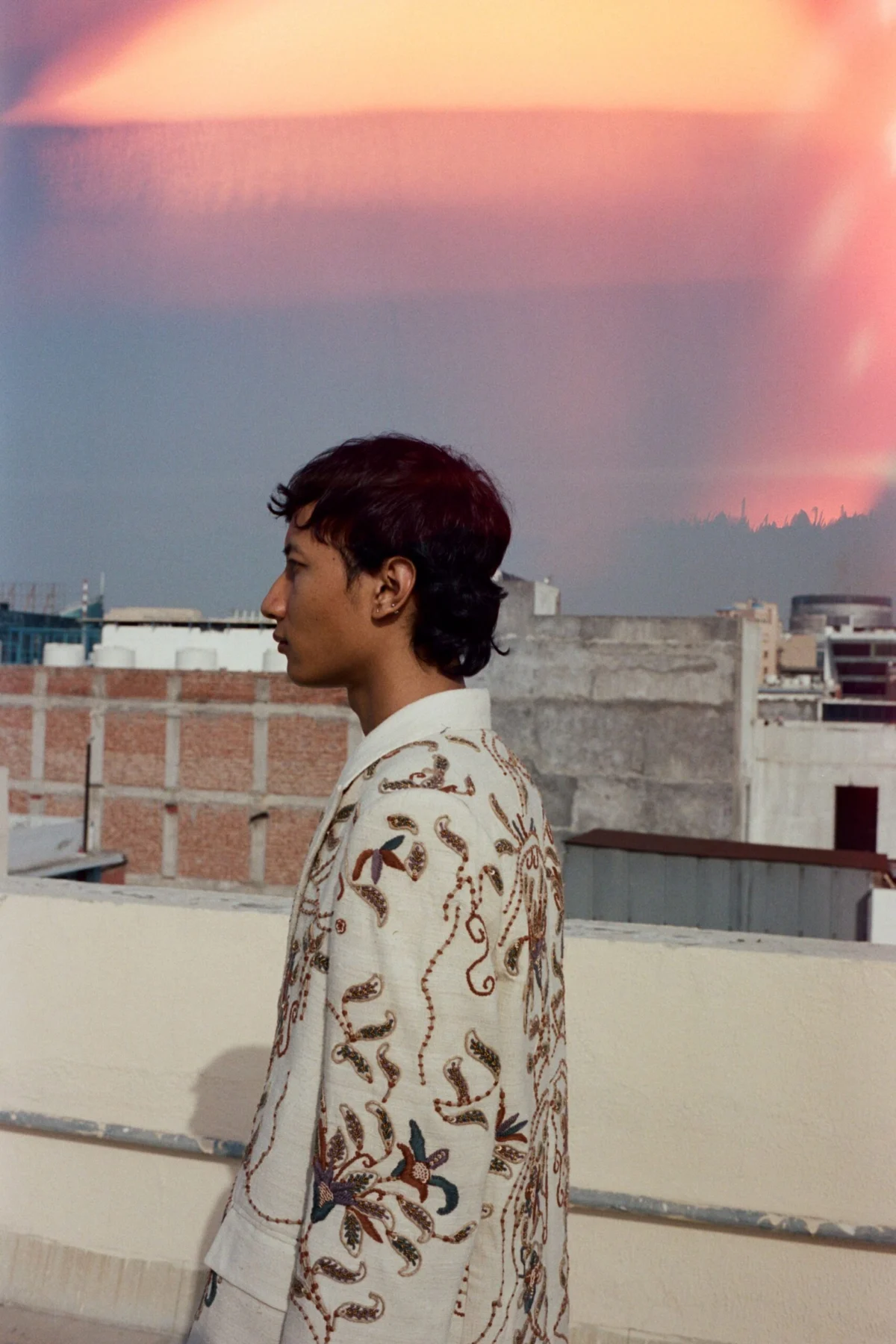
At a remarkably young age of 26, Kartik Kumra is steadily emerging as a significant and thoughtful force within the global menswear industry. His journey, which began in the bustling metropolis of New Delhi, has seen a meteoric rise since the launch of his eponymous brand five years ago. What started as an ambitious endeavor from his college dorm room at the University of Pennsylvania has rapidly transformed into a series of impressive milestones. These include the establishment of a physical retail presence in New York City’s vibrant Lower East Side, a notable moment when his distinctive tie was worn by the then-mayor-elect Zohran Mamdani at his swearing-in ceremony, and most recently, the prestigious recognition of being named the guest designer for the upcoming year’s Pitti Uomo trade fair, a globally recognized platform for menswear innovation and trends.
The Strategic Ascent of a Conscious Creator
Behind the public-facing successes, a more profound and strategically orchestrated development has been underway. Kumra has been meticulously building his own manufacturing facility in his native India. This ambitious undertaking represents a pivotal shift, aiming to consolidate design, production, and operational oversight under a single, unified roof. The immediate and most apparent benefit of this integrated approach is the enhanced capacity for scaling his burgeoning business. However, the deeper implications lie in Kumra’s commitment to streamlining and perfecting the artisanal techniques that form the bedrock of his brand’s aesthetic. This includes the intricate processes of dyeing, the delicate art of embroidery, and the preservation of other local handcraft traditions that are integral to his design philosophy.
Kumra himself articulates the profound significance of this vertical integration, stating it will facilitate a more intimate connection with his materials: "It will help get me closer to the cloth, closer to the hand, closer to the decisions that define what a garment becomes." This sentiment underscores a dedication to craftsmanship and a desire to maintain granular control over every facet of garment creation, a rarity in today’s fast-paced fashion landscape. The establishment of this factory is not merely a business expansion; it is a deliberate act of embedding his brand’s identity within the rich textile heritage of India, ensuring that traditional skills are not only preserved but also dynamically integrated into contemporary fashion.
A Parisian Showcase: Evolution and Expansion
This past summer, during the highly anticipated fashion week in Paris, Kumra unveiled his expansive spring collection. The nominal inspiration for this collection was drawn from the Golconda Ashram in Pondicherry, India, a significant architectural work designed by the renowned modernist George Nakashima. The presentation immediately highlighted two key areas of evolution for the brand. Firstly, there was a discernible and significant expansion of his womenswear offerings, indicating a strategic move to cater to a broader clientele. Secondly, the collection showcased a more comprehensive and sophisticated range of tailoring, a direct response to the capabilities afforded by his new factory, which houses in-house tailors. The burgeoning womenswear line, on the other hand, was a direct reaction to sustained customer demand, signaling the brand’s growing appeal across genders.
Collectively, the collection remained firmly rooted in Kumra’s established visual language. This signature style is characterized by relaxed silhouettes, many of which draw inspiration from traditional Southeast Asian garments. These are meticulously crafted from natural textiles and adorned with folkloric details. These embellishments range from the subtle artistry of block-print dyeing to the intricate craftsmanship of hand embroideries, manifesting in designs that vary from understated elegance to overtly ornate expressions. This consistent aesthetic, refined and expanded, demonstrates Kumra’s ability to evolve without sacrificing his core identity.
Decoding the Details: A Symphony of Craftsmanship and Palette
The collection presented a captivating array of pieces, each imbued with a thoughtful attention to detail. A standout example was a salmon-colored chore coat, distinguished by a refined vine motif that gracefully bloomed across its torso, a testament to subtle yet impactful embroidery. Complementing this was a tobacco suede blouson-style jacket, offering a discreet glimpse of glittering embellishment peeking from the inside of its collar – a hidden detail that speaks to Kumra’s penchant for surprise and delight. A light, zip-front jacket was rendered in a faded, tapestry-like print, artfully overlaid with intricate embroidery, creating a rich textural interplay.
For the womenswear segment, a collarless leather jacket was adorned with a captivating floral motif that ascended the torso and cascaded down the sleeve, again featuring a hint of subtle sparkle. Another notable ensemble paired a sporty funnel-neck jacket, crafted from block-printed velvet, with a lean, floor-grazing skirt. This juxtaposition of sporty and elegant elements is a hallmark of Kumra’s ability to blend diverse influences.
The overarching theme of decorative flourish was evident across nearly every piece. Each garment bore some form of adornment, a thoughtful detail that elevated it beyond the ordinary. However, what prevented these elaborate designs from becoming overwrought was their grounding in an earthy, autumnal palette. Hues of umber, moss, and terracotta provided a natural and sophisticated foundation. This was further enhanced by relaxed shapes that artfully mixed workwear and streetwear influences, creating garments that felt both contemporary and timeless. In this careful balance, Kumra successfully delivers pieces that are simultaneously familiar and unique, youthful yet refined. It is precisely within this dynamic tension that the true artistry and appeal of his work resonate most profoundly.
The Significance of Pitti Uomo: A Global Platform for Emerging Talent
The invitation to be a guest designer at Pitti Uomo is a significant endorsement of Kartik Kumra’s rising stature in the international fashion arena. Pitti Uomo, held biannually in Florence, Italy, is not merely a trade fair; it is a crucial incubator for emerging designers and a bellwether for future trends in menswear. Its selective nature means that only designers who demonstrate exceptional vision, craftsmanship, and commercial potential are invited to showcase their collections. For Kumra, this appointment represents a pivotal moment, offering unprecedented exposure to a global audience of buyers, press, and industry influencers.
The historical context of Pitti Uomo reveals its long-standing commitment to fostering new talent. Over the decades, numerous designers have used this platform to launch their careers and establish their brands on the world stage. The trade fair’s reputation for quality and innovation attracts a discerning clientele looking for the next wave of fashion leaders. Kumra’s inclusion signifies that his unique blend of Indian artisanal heritage and contemporary design sensibilities has resonated with the discerning curatorial team at Pitti Uomo. This prestigious guest designer slot will undoubtedly provide him with invaluable opportunities for networking, forging new partnerships, and solidifying his brand’s position in the competitive global market.
Data-Driven Insights: The Growth of Conscious Consumption
Kumra’s brand philosophy aligns with a growing global trend towards conscious consumption and a demand for ethically produced, high-quality garments. Data from market research firms consistently indicates a rise in consumer preference for brands that prioritize sustainability, transparency, and artisanal craftsmanship. For instance, a 2023 report by McKinsey & Company highlighted that a significant percentage of consumers are willing to pay a premium for products that are sustainably sourced and produced. Furthermore, the resurgence of interest in traditional crafts and artisanal techniques is a testament to a broader societal appreciation for authenticity and heritage.
Kumra’s decision to invest in his own factory in India, with its emphasis on preserving local handcrafts and controlling the production process, directly addresses these consumer desires. By bringing production in-house, he can ensure not only quality control but also greater transparency regarding labor practices and environmental impact. This vertical integration allows him to meticulously oversee every stage of the manufacturing process, from the sourcing of natural textiles to the application of intricate embroidery, thereby building trust and credibility with his discerning customer base.
Expert Analysis: The Strategic Implications of Kumra’s Approach
The strategic implications of Kartik Kumra’s approach are multifaceted and point towards a sustainable and scalable business model. His decision to build his own factory in India is a bold move that offers several distinct advantages. Firstly, it allows for direct control over quality and craftsmanship, ensuring that the intricate hand-detailing that defines his brand is executed to the highest standards. This is particularly crucial given his reliance on traditional Indian techniques like block printing and embroidery, which require skilled artisans and careful oversight.
Secondly, by integrating design and production, Kumra can foster a more symbiotic relationship between the creative and manufacturing arms of his business. This can lead to faster product development cycles, greater innovation, and the ability to respond more agilely to market trends and customer feedback. The proximity to the raw materials and the artisans themselves provides an invaluable feedback loop that can inform design decisions and enhance the authenticity of his collections.
Thirdly, this vertical integration can lead to significant cost efficiencies in the long run, particularly as the business scales. By cutting out intermediaries and managing production directly, Kumra can optimize his supply chain and potentially offer his high-quality, artisanal products at more competitive price points, further enhancing their appeal to a broader market. The choice to invest in his native country also reflects a commitment to supporting local economies and preserving traditional craftsmanship, a narrative that resonates strongly with today’s conscious consumer.
Industry Reactions and Future Prospects
While direct quotes from industry insiders regarding Kumra’s specific collection are not provided in the initial text, the trajectory of his career and his inclusion at Pitti Uomo speak volumes. The fashion industry, often characterized by its rapid pace and relentless pursuit of novelty, is increasingly recognizing and rewarding designers who demonstrate a strong sense of identity, a commitment to craftsmanship, and a thoughtful approach to production. Kumra’s ability to blend modern aesthetics with deep-rooted cultural heritage, coupled with his strategic business acumen, positions him as a compelling figure to watch.
The guest designer spot at Pitti Uomo is not merely an honor; it is a testament to the industry’s perception of his potential. This platform will undoubtedly serve as a catalyst for further growth, attracting new collaborations and expanding his international reach. As he continues to refine his production processes and expand his design offerings, Kartik Kumra is poised to make an even more significant impact on the global menswear and womenswear landscape, solidifying his reputation as a visionary who is both deeply rooted in tradition and forward-thinking in his innovation. His journey exemplifies a new paradigm in fashion, one that values authenticity, craftsmanship, and a profound connection to the origins of the garments we wear.
