

The opening ceremony of the 2026 Milano Cortina Paralympic Winter Games on March 10, 2026, will not only signify Kelsey O’Driscoll’s debut on the Paralympic stage but also mark a poignant anniversary. Exactly five years prior, on March 6, 2021, a devastating sledding accident fractured her T11 and T12 vertebrae, an event that initially threatened to extinguish her aspirations and her future. "The first thing that went through my mind was that I just ruined my life," O’Driscoll, now 32, a pediatric nurse and lifelong skier from Gore Mountain, candidly recalled. This statement encapsulates the profound shock and despair that followed the injury, a stark contrast to the athletic prowess and optimism she now embodies.
The Accident and the Immediate Aftermath
The incident occurred on a familiar terrain for O’Driscoll: near Gore Mountain in upstate New York, a place deeply intertwined with her childhood and her professional life as a ski patroller. A final run down the slopes with her boyfriend turned perilous when their sled struck a divot, launching O’Driscoll airborne. The impact resulted in a compression fracture of her T11 vertebra and a burst fracture of her T12, severely damaging her thoracic spine. The immediate ramifications were stark and terrifying. "All I could think was, I’m not going to be a nurse again. I’m not going to ski. I’m never going to surf. I’m not going to be a patroller," she recounted, her voice reflecting the weight of those lost possibilities. "It was all gone in an instant."
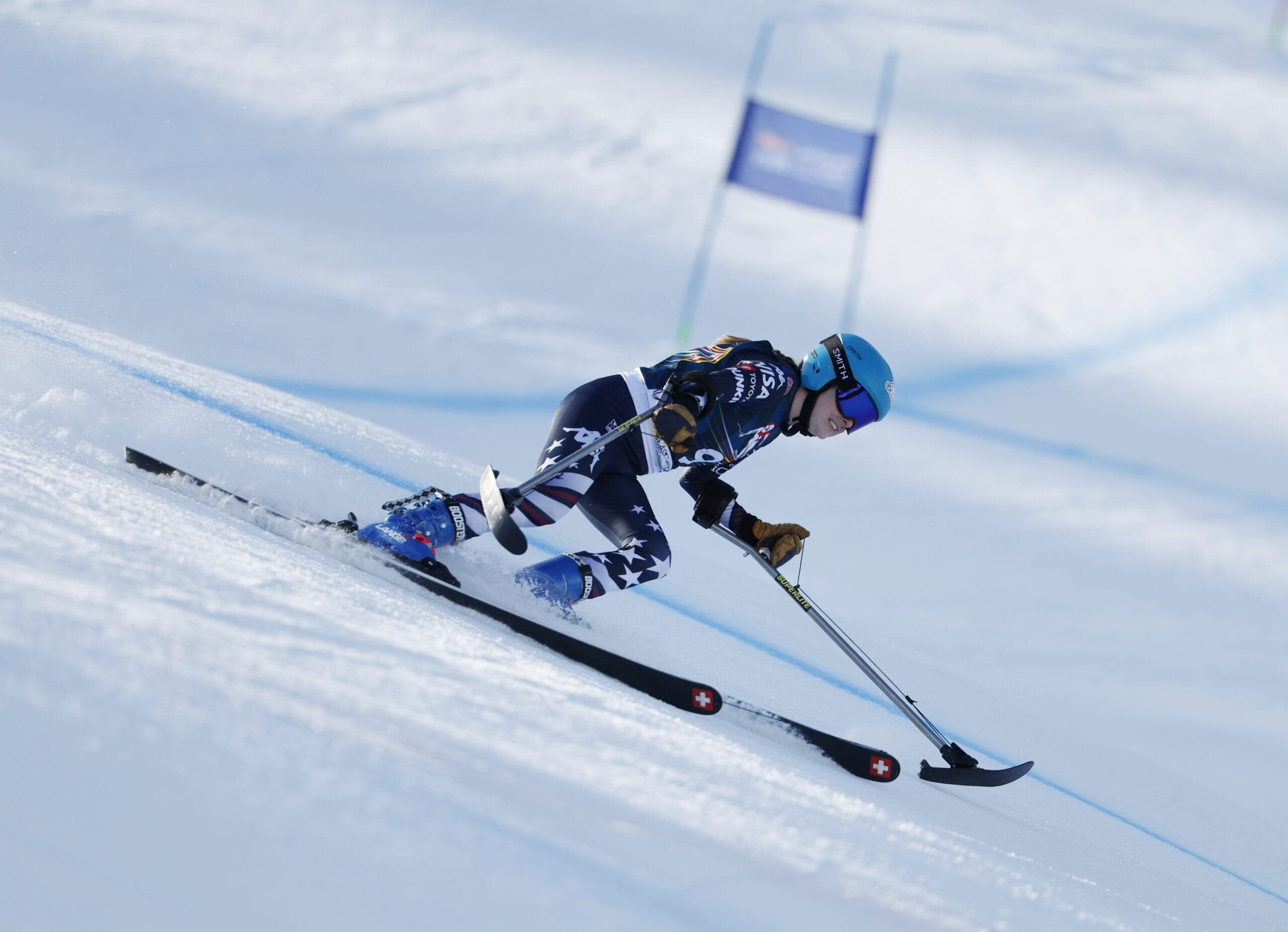
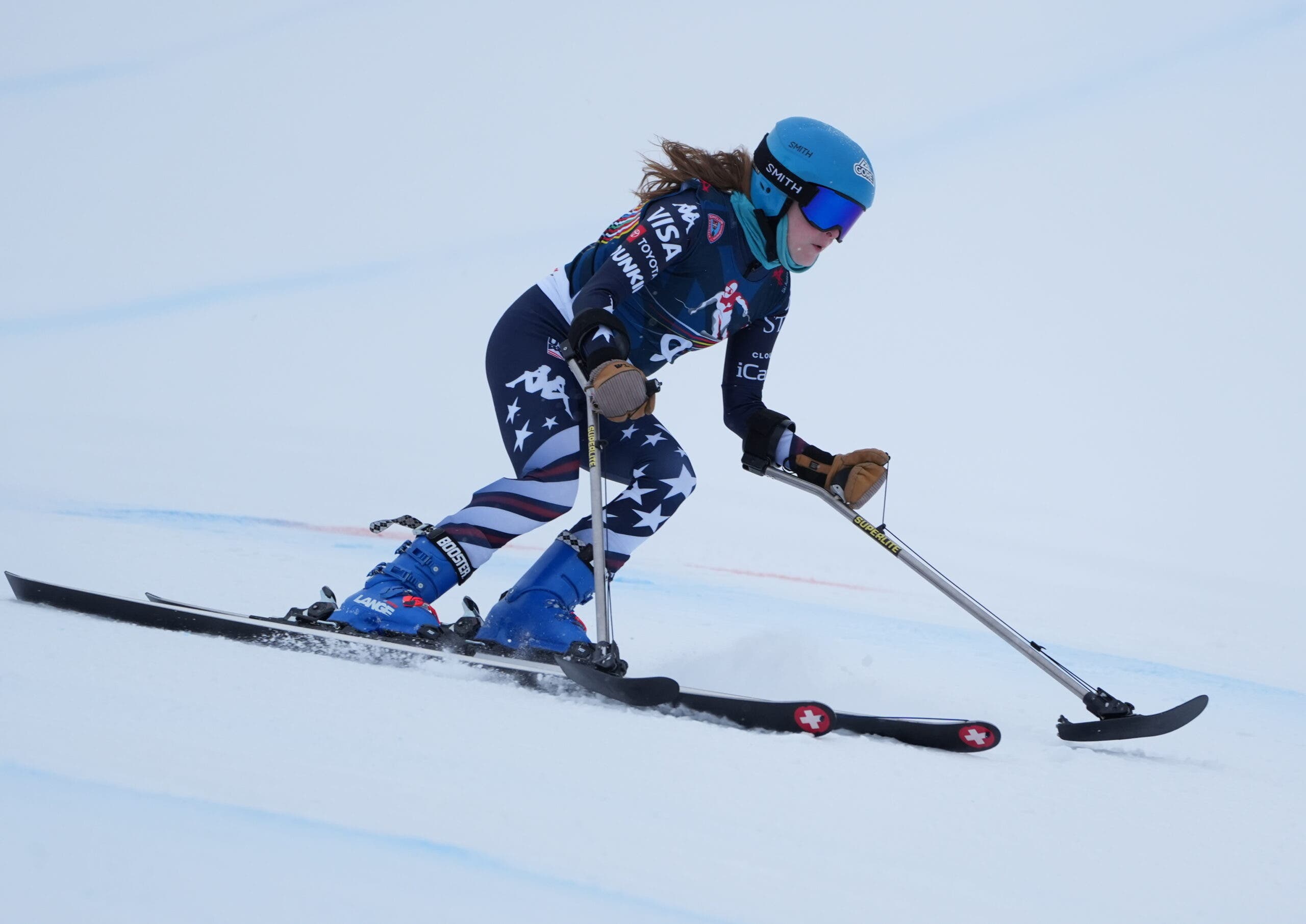
The road to recovery was arduous, demanding a complete relearning of fundamental movements and a recalibration of her place in the world. O’Driscoll’s spinal cord injury resulted in partial sensation and limited motor function in her legs, necessitating the use of elbow crutches for ambulation. The subsequent winter, a mere year after the accident, marked her triumphant return to the snow as a four-track adaptive skier. Utilizing outriggers – specialized forearm crutches with small skis attached to their tips for stability – she navigated the slopes. This return was not without its emotional challenges. "I was terrified I wasn’t going to love it anymore," she admitted, reflecting on the deep-seated fear of losing the profound joy skiing had always provided. "I didn’t know how to exist in a world where skiing didn’t bring me joy." Yet, the mountain, and the act of skiing, proved to be a powerful source of solace and affirmation, reigniting her passion.

Resilience in the Face of Adversity: The Asthma Complication
O’Driscoll’s journey was further tested by an unforeseen health crisis. Two years post-injury, she experienced a severe asthma attack that necessitated a lengthy stay in the intensive care unit. The subsequent treatment, involving high-dose steroids, led to corticosteroid-induced myopathy, a condition that significantly weakened her muscles. "The steroids zapped all the muscles in my whole body," she explained, detailing the debilitating effects that even made simple tasks like putting her hair in a ponytail impossible. This second major setback required another period of intensive physical therapy, focusing on rebuilding her upper body strength. While her lower-body strength would not fully recover to its pre-injury levels, O’Driscoll demonstrated remarkable adaptability, adjusting her training and expectations once again.
The Spark of Competitive Spirit: Embracing Para Alpine Ski Racing
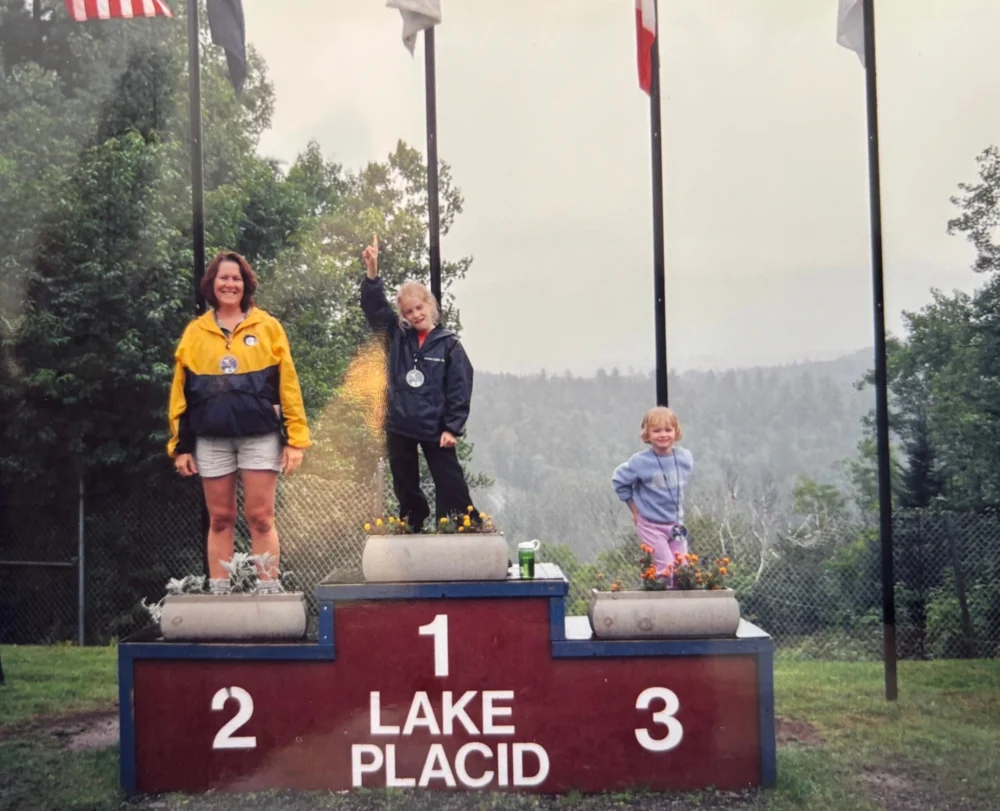
The transformative shift towards competitive para alpine skiing began to take shape in January 2023. While working as a patroller at Gore Mountain during the FISU World University Games, O’Driscoll observed the elite skiers navigating the race course. This spectacle ignited a nascent competitive fire within her: could she, as a four-track skier, compete at that level? Her childhood experiences with skiing were primarily recreational, with only a single NASTAR run to her name. Her mother, famously pragmatic, had once dismissed any notions of encouraging faster skiing, stating, "Absolutely not. We don’t need to encourage her to ski any faster!" However, the allure of racing had returned, compelling O’Driscoll to explore this new frontier.
Later that winter, at an adaptive ski camp in Vermont, O’Driscoll and a fellow skier convinced a coach to set up a few gates. The experience was revelatory. O’Driscoll attacked the course with the same natural fluidity she exhibited in recreational skiing, immediately seeking out tighter, faster lines. "It was just a fun challenge," she said, her enthusiasm evident. "I loved it." Unbeknownst to her, her performance was captured on video by a coach who shared it with Erik Petersen, the competition center director at the National Sports Center for the Disabled. Petersen recognized her raw talent and potential, extending an invitation for her to train at Winter Park. It was during this period that the ambitious prospect of competing in the Paralympics was first raised. "I literally laughed," O’Driscoll admitted, recalling her initial disbelief. "I was like, ‘That’s insane.’" However, the idea lingered, prompting a fundamental question: why not?
Her determination and focus did not go unnoticed by those who knew her. Bone Bayse, Gore Mountain’s general manager, commented on her unwavering drive: "When she decided to pursue the national team and beyond, we had no doubt that she would achieve those goals." He further lauded her skiing prowess, describing it as having "an incredible ease to her skiing. It looks effortless – and it’s lightning fast." This combination of natural ability and steely resolve set the stage for her rapid ascent in the para-alpine circuit.
A World Cup Breakthrough and Paralympic Aspirations
The 2024-2025 season marked a significant milestone for O’Driscoll as she earned a coveted spot on the U.S. National Team. She competed in the 2025 World Para Alpine Skiing Championships, demonstrating her growing competitiveness on the international stage. In the spring, she solidified her standing by capturing U.S. titles in slalom and giant slalom, and securing a runner-up finish in super-G, earning her a coveted berth on the World Cup circuit.
Her competitive journey, however, continued to be punctuated by health challenges. In October 2025, another severe asthma exacerbation led to a five-day hospitalization. Undeterred, upon her release, O’Driscoll immediately traveled to the U.S. Ski & Snowboard Center of Excellence to commence her recovery and training. "I’m making that first World Cup race come hell or high water," she declared to herself, embodying her tenacious spirit.
Her perseverance paid off spectacularly. In December 2025, in only her fourth World Cup start – a super-G race – O’Driscoll achieved a stunning victory, outperforming the reigning Paralympic downhill and super-G champions. This remarkable win was followed by two additional podium finishes, cementing her status as a formidable contender. "I didn’t even know I was capable of winning a World Cup until it happened," she confessed, reflecting on the breakthrough moment. "When it clicks, it clicks."
The U.S. women’s para-alpine standing team has not secured a Paralympic medal in this category since the 2014 Sochi Games. O’Driscoll, alongside fellow American competitors Audrey Crowley and 2022 Paralympian Allie Johnson, carries the hopes of ending this drought in Milano Cortina. Their collective strength and individual determination present a compelling narrative of resurgence for American para-alpine skiing.
A Deeper Victory: Redefining Success and Gratitude
For Kelsey O’Driscoll, the ultimate triumph transcends any medal she might win in Italy. It resides in the profound sense of accomplishment and gratitude she experienced on that first day back on the slopes at Gore, sliding towards a cheering crowd. This emotional culmination represents the true victory: reclaiming her passion, her community, and her sense of self.
In a heartfelt letter penned to her "Gore Mountain Family" before her departure for Italy, O’Driscoll articulated the depth of her transformation. "When I broke my back, I gave up on dreaming," she wrote. "Between the spinal cord injury and my crappy lungs, I stopped dreaming because it was just too painful. The love and support from this community is what enabled me to start dreaming again – of patrolling, skiing in the woods, running toboggans, running gates, going to the Paralympics, and now dreaming of a Paralympic medal."
Her message underscored a profound shift in perspective: "No matter what happens in Cortina, I’ve already won. I’m so excited and honored to go show the world what a Gore Mountain skier can do." This sentiment encapsulates the true essence of her journey – a testament to resilience, the power of community, and the unwavering human spirit’s ability to find profound meaning and purpose even in the face of life-altering adversity.
The 2026 Paralympic Winter Games, set to be broadcast on NBC and Peacock from March 10-15, will not only showcase O’Driscoll’s athletic capabilities but also highlight a compelling story of courage, adaptation, and the enduring pursuit of excellence against all odds. Her participation serves as an inspiration, demonstrating that even the most devastating setbacks can be transformed into pathways for unprecedented growth and achievement.
