

The highly anticipated annual review of men’s ski jackets for the 2027 season has culminated in the declaration of the Kühl The Defiant Shell as the "Best Overall" men’s ski jacket, recognized for its innovative venting and efficient pocket layout. Close on its heels, the Duluth Alaskan Hardgear Triple Slope 3-in-1 earned accolades as the "Most Versatile" option, praised for its adaptability across a wide range of temperatures and comprehensive design. These selections, made by a seasoned team of testers with a decade of rigorous evaluation, underscore a broader trend of continuous innovation and refinement within the ski apparel industry, pushing the boundaries of performance, comfort, and sustainability.
The Evolving Landscape of Men’s Ski Jackets: Market Dynamics and Consumer Demand
The ski apparel market has witnessed significant growth and evolution over the past decade, driven by advancements in material science, a heightened focus on environmental responsibility, and increasingly sophisticated consumer demands. Industry analysts project the global ski apparel market, valued at approximately $2.5 billion in 2025, to continue its upward trajectory, growing at a Compound Annual Growth Rate (CAGR) of 4.8% through 2030. This growth is largely fueled by a demographic shift towards outdoor recreational activities and a consumer base that prioritizes technical performance alongside style and ethical manufacturing.
A recent consumer survey indicated that 72% of skiers now consider versatility a key factor in their purchasing decisions, reflecting a desire for jackets that perform across varied conditions, from resort slopes to backcountry trails. Durability and storm protection remain paramount, but there is also a clear emphasis on breathability and comfort, especially as ski touring and slackcountry adventures gain popularity. Furthermore, sustainability is no longer a niche concern; approximately 65% of consumers report being influenced by a brand’s environmental credentials, including the use of recycled materials, PFAS-free treatments, and ethical supply chains. This confluence of demands has spurred manufacturers to invest heavily in research and development, resulting in a new generation of ski jackets that are more adaptable, robust, and environmentally conscious than ever before.
Performance Benchmarks: The Top Contenders for 2027
The 2027 lineup of men’s ski jackets reflects this dynamic market, showcasing a blend of established technologies and groundbreaking innovations. Each jacket evaluated underwent extensive field testing across diverse North American terrains and weather conditions, from the icy blizzards of the White Mountains to the sunny slopes of Colorado and the deep powder of the Tetons.
I. Overall Excellence: Kühl The Defiant Shell
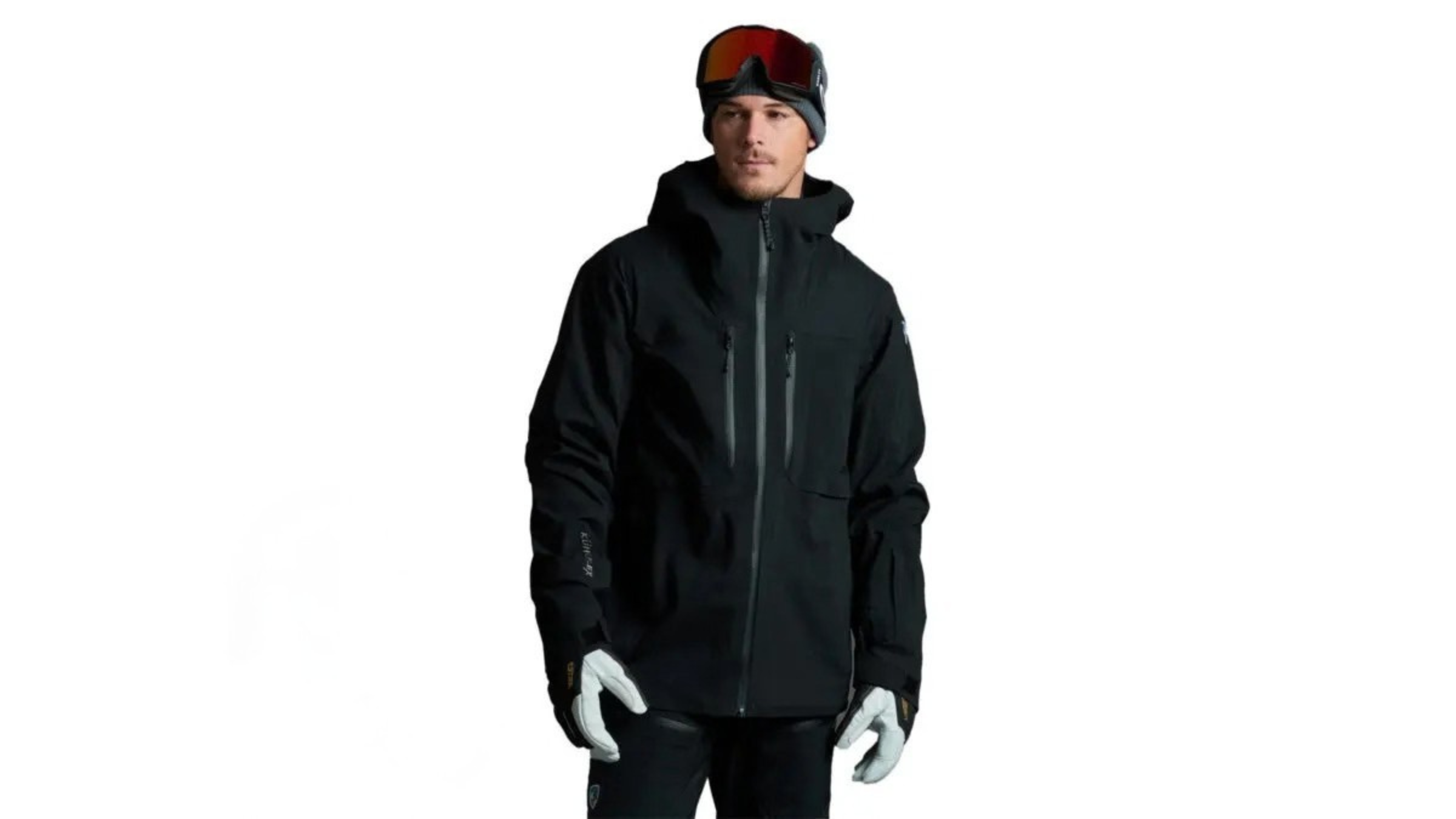
The Kühl The Defiant Shell secures its position as the "Best Overall" men’s ski jacket for the second consecutive year, building upon its previous Editors’ Choice award. Its continued success is attributed to a seamless integration of comfortable fit, robust weather resistance, and ingenious features. For 2027, Kühl has introduced a significant fabric upgrade: a new nylon weave that boasts enhanced resistance to micro-snags, increasing tear strength by an impressive 10 percent. This refinement addresses one of the common wear points in high-performance shells, ensuring greater longevity without compromising the jacket’s slightly stretchy, lightweight feel, which is ideal for both resort skiing and occasional slackcountry excursions.
The Defiant’s standout feature remains its revolutionary double front zipper. One zipper provides a complete seal against the elements, while the other reveals a two-inch mesh strip, acting as an unparalleled venting system. "This innovative venting mechanism sets a new standard for active temperature regulation," commented a Kühl design engineer, "allowing skiers to dump heat rapidly on ascents or warm spring days without needing to shed layers, a common pain point for performance outerwear." Testers confirmed its efficacy, noting they could maintain optimal comfort across a wide range of exertion levels. The jacket’s proprietary membrane proved highly effective in adverse conditions, deflecting melt-on-impact snow, while the helmet-compatible hood offered effortless adjustment and unhindered peripheral vision. With a strategic pocket layout including chest, hand, sleeve pass, and interior pockets, the Defiant Shell exemplifies thoughtful design for the discerning skier.
II. Unparalleled Versatility: Duluth AKHG Triple Slope 3-in-1 Jacket
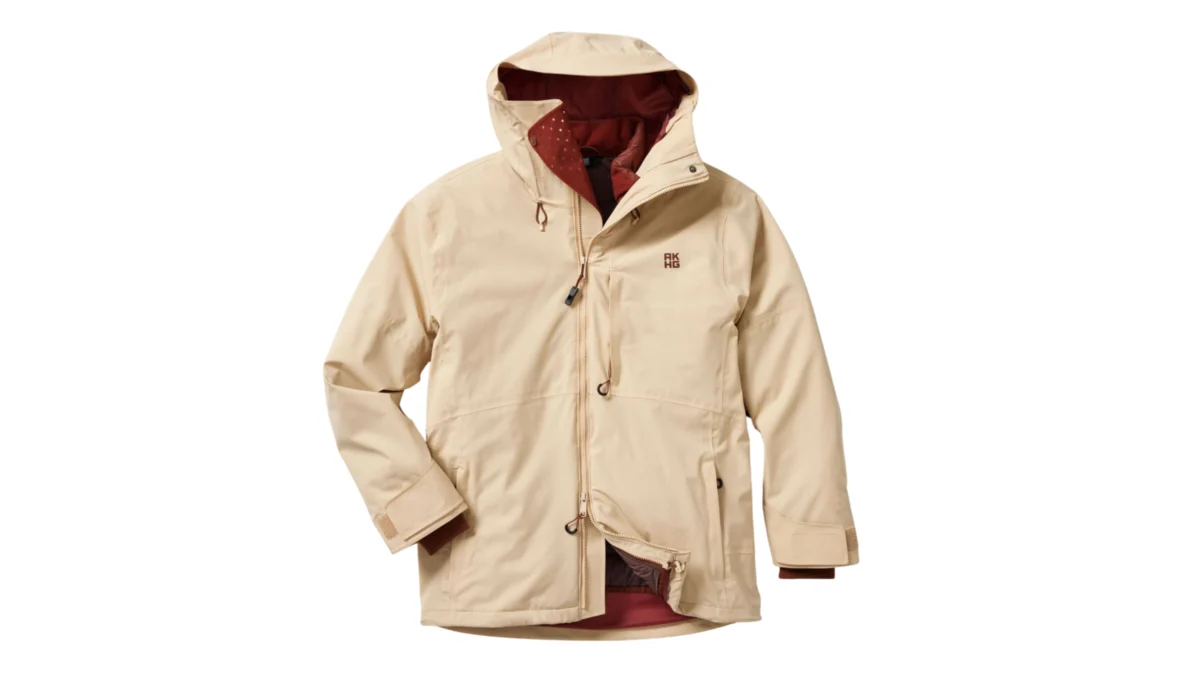
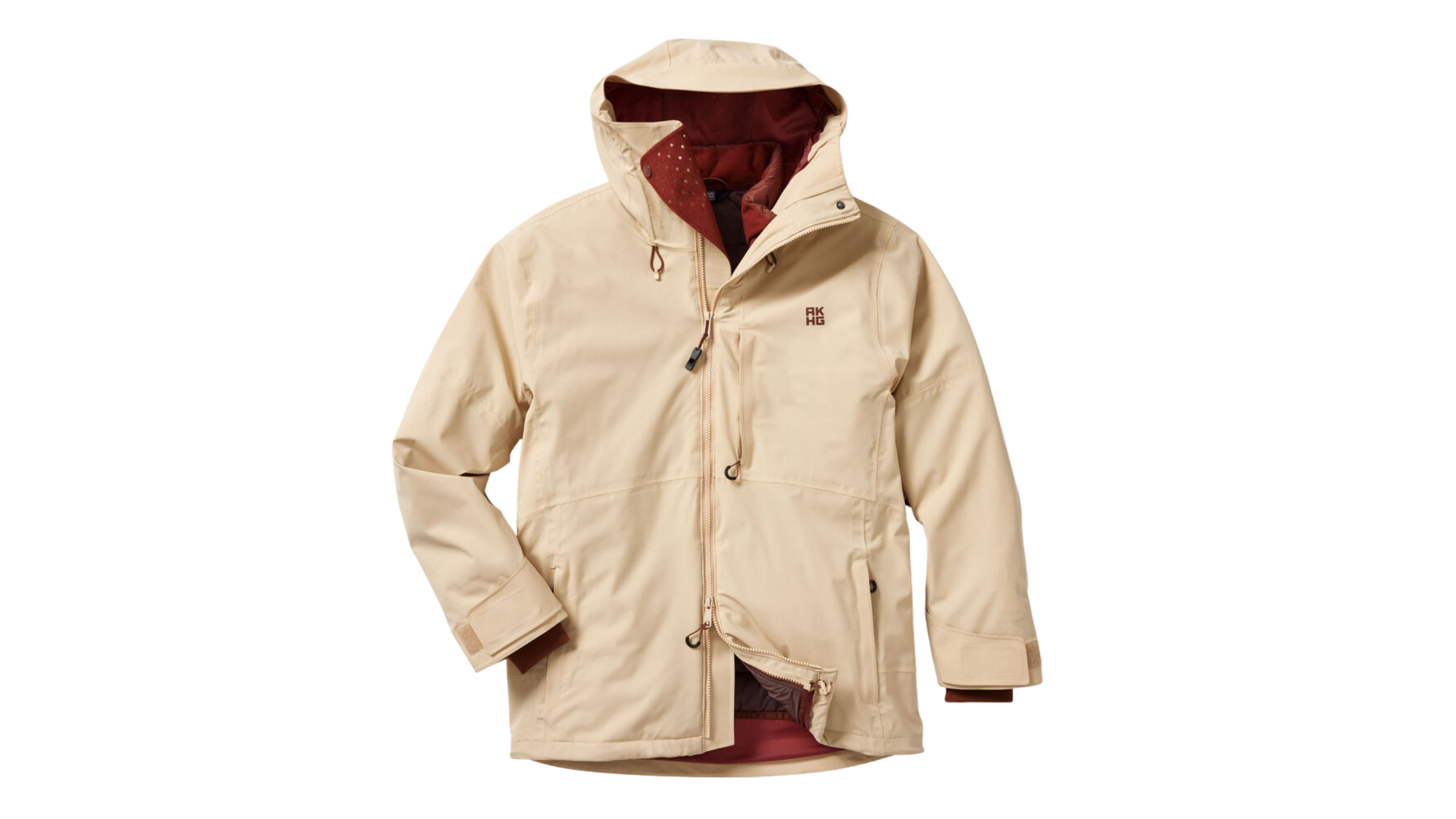
The Duluth Alaskan Hardgear Triple Slope 3-in-1 Jacket emerged as the "Most Versatile," redefining the multi-season ski jacket concept. This jacket’s genius lies in its modular design, allowing skiers to adapt to extreme temperature fluctuations without compromising performance. Comprising a synthetic puffy jacket liner that zips into a durable, 2-layer polyester shell, the Triple Slope offers three distinct configurations: a warm, fully insulated jacket, a protective waterproof shell, or a standalone puffy.
Testers praised its ability to handle conditions ranging from single-digit temperatures in New Hampshire to milder, just-below-freezing days in Park City. "This jacket truly delivers what you need from zero to forty degrees Fahrenheit," remarked a tester, highlighting its exceptional thermal range. The shell features 10-inch pit vents and a collar placket for rapid heat dump, while the full combo provides an impenetrable barrier against cold, wind, and snow. Beyond its adaptable insulation, the Triple Slope is well-appointed with six pockets, including an insulated phone pocket and a two-way zipper, ensuring essentials remain warm, secure, and accessible. While minor critiques regarding hood adjustment and occasional powder skirt bunching were noted, the overwhelming consensus was that its "every-condition usability" made these minor points negligible for a jacket offering such comprehensive utility at its price point.
III. Built to Endure: Helly Hansen Sogn Patrol Shell Jacket
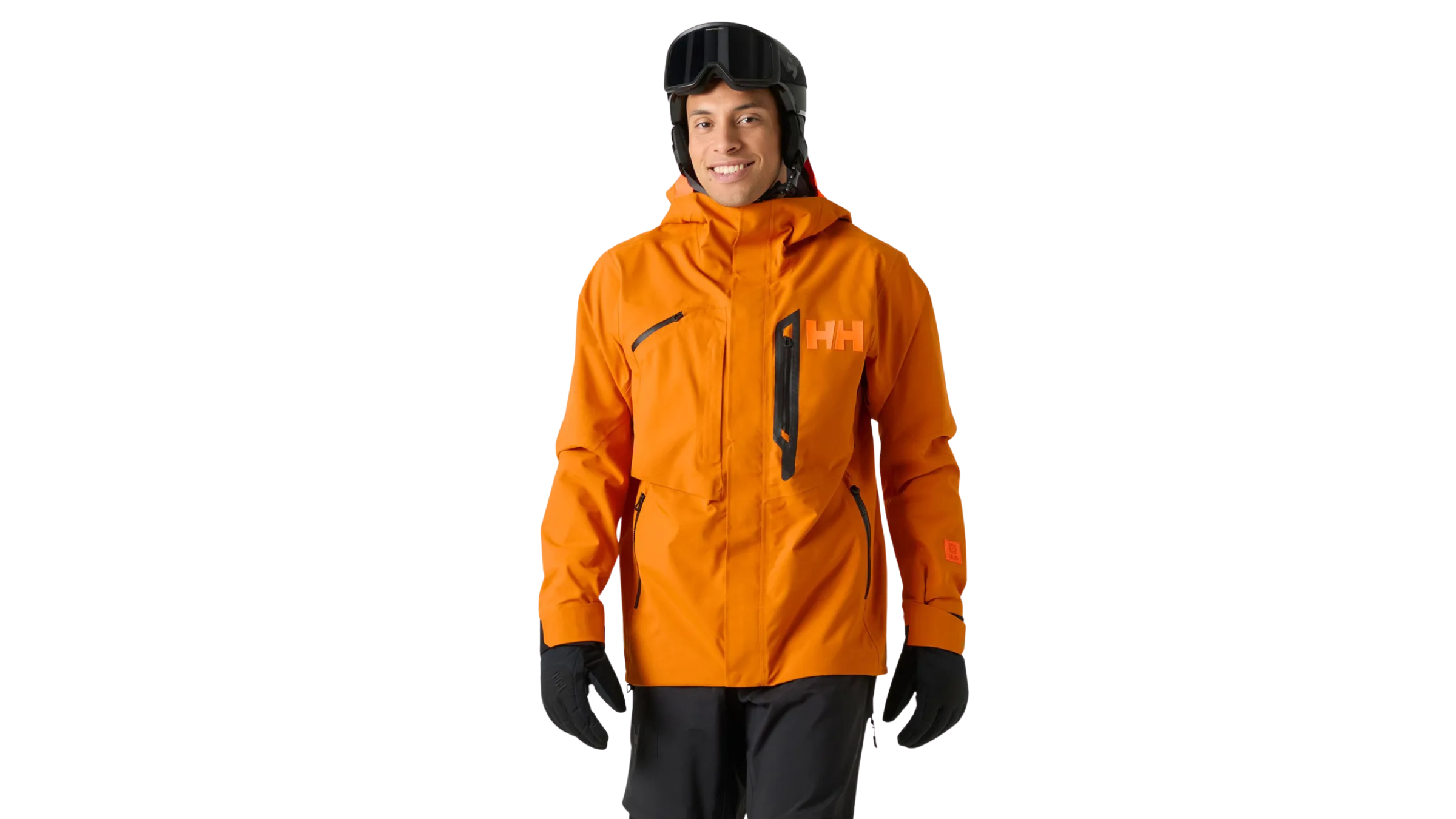
For the skier who demands unwavering resilience from their gear, the Helly Hansen Sogn Patrol Shell Jacket stands as a testament to bombproof construction. Developed with input from professional ski patrols and freeride athletes, the Sogn is engineered to withstand the harshest abuse. Key features include a dedicated radio pocket and an insulated chest pocket designed to preserve phone battery life in extreme cold, addressing the specific needs of those who operate in challenging environments. Reinforced cuffs and hems, identified as high-wear points by patrollers, further enhance its longevity.
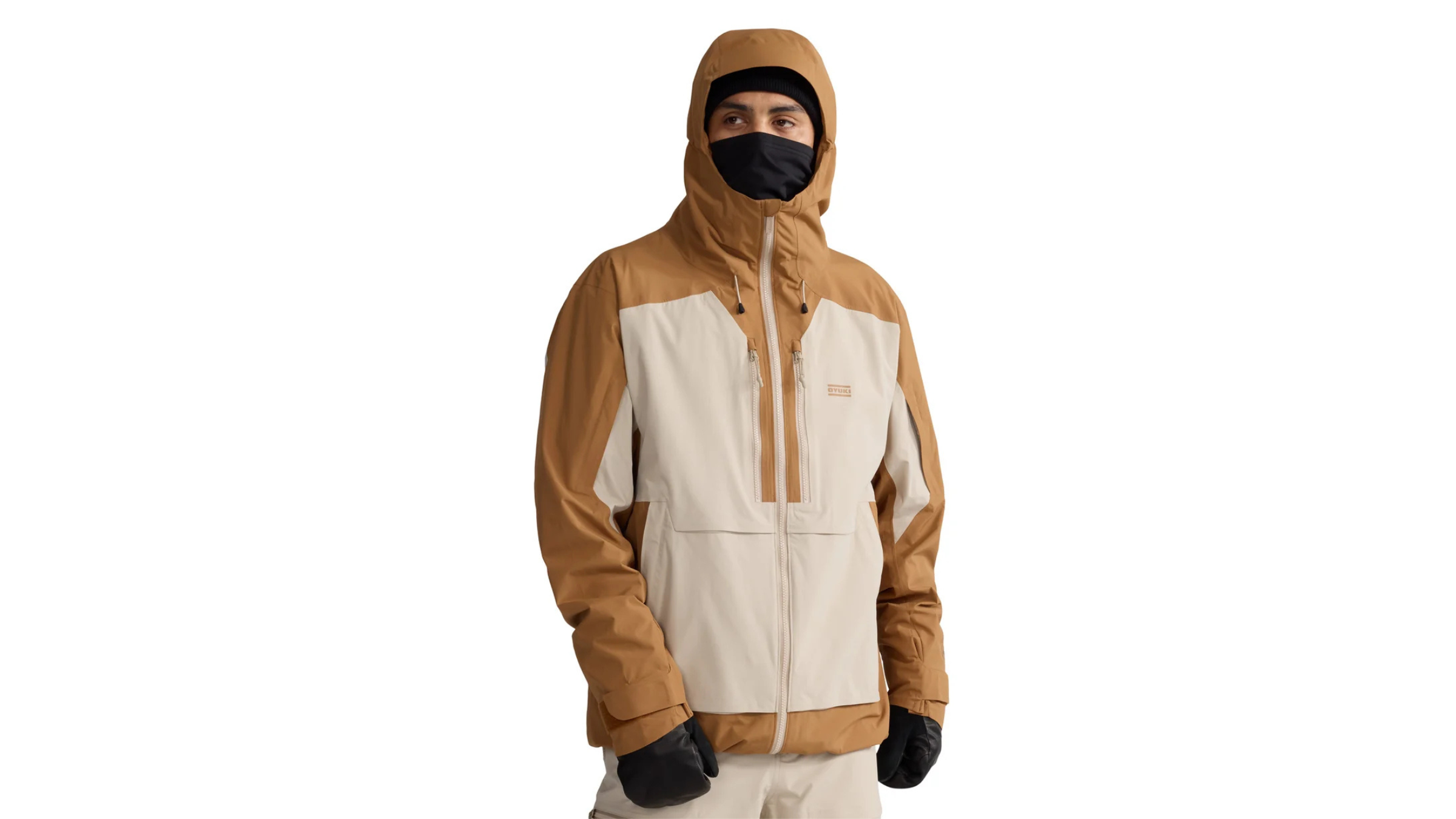
Crafted with Helly Hansen’s premium 3-layer membrane, welded seams, chunky waterproof zippers, and crucial wrist gaskets, this jacket provides exceptional water resistance and a formidable barrier against the elements. Its boxy cut accommodates extensive layering, and the high collar combined with a generous, helmet-compatible hood offers a "turtle-like" sanctuary during heavy snowstorms. While its robust build results in a bulkier profile and limited packability, making it less suitable for warm spring days or extensive ski touring, its unparalleled durability and storm protection garnered universal praise. "This jacket is bulletproof," stated a tester, summarizing its capacity to endure relentless use.
IV. Mastering the Cold: Patagonia Insulated Storm Shift Jacket
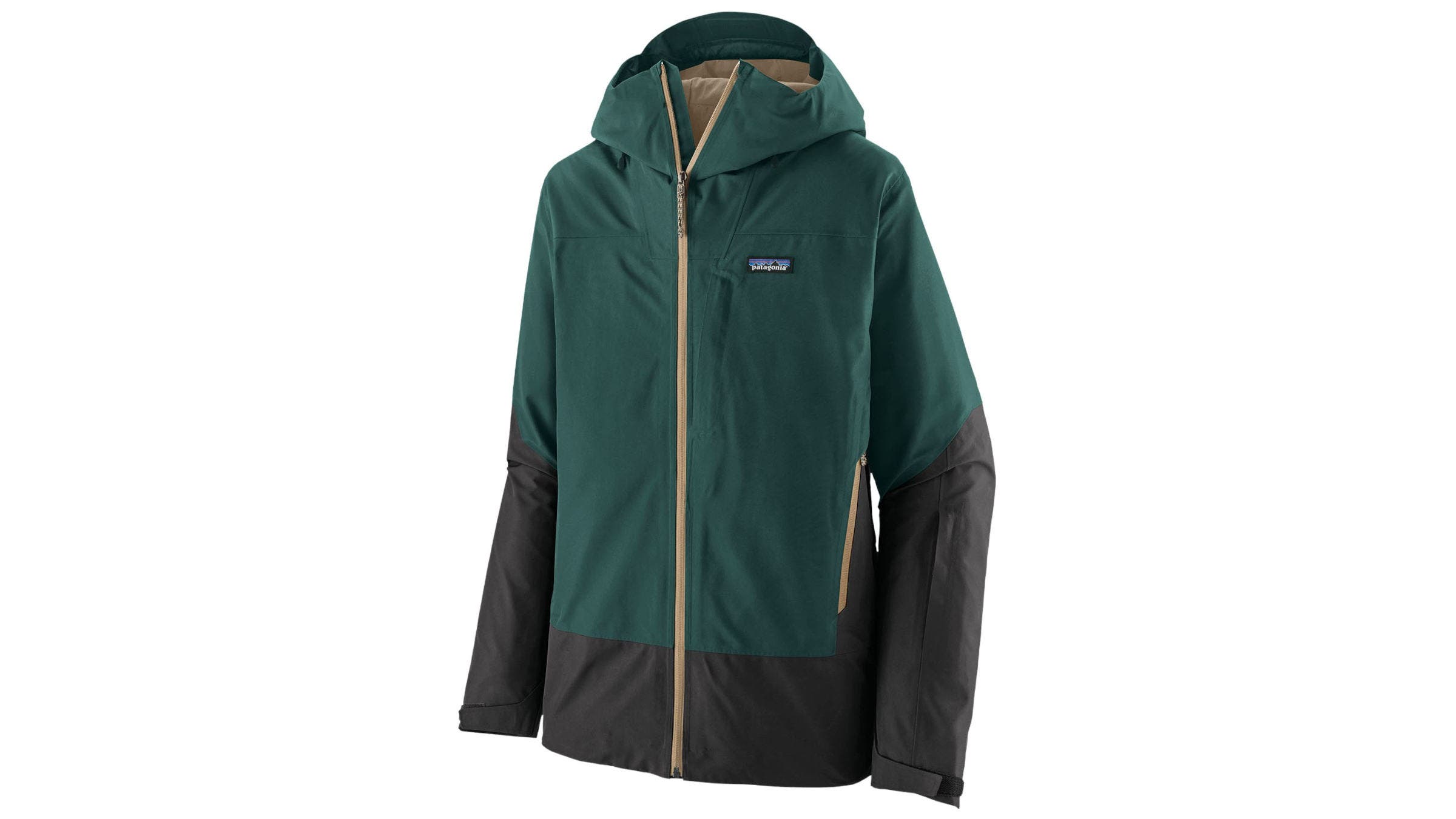
The Patagonia Insulated Storm Shift Jacket is celebrated for its ability to maintain optimal body temperature across a broad spectrum of cold conditions. Utilizing a Gore-Tex membrane for superior wind and moisture blockage, the jacket incorporates strategically mapped Thermogreen recycled synthetic insulation: 60 grams in warmer zones like under the arms, and almost twice that in more exposed areas such as the chest. This thoughtful insulation strategy, combined with excellent venting, allowed testers to achieve a "Goldilocks" body temperature from -7 to 32 degrees Fahrenheit.
Beyond its thermal prowess, the Storm Shift offers ample storage with two hand, one chest, one zippered forearm, and two internal pockets, accommodating all necessary gear without feeling bulky. Its generous hood easily covers a helmet, and the collar extends high for added protection on frigid lift rides. Testers also appreciated its sleek, understated styling, which projects a "serious skier" aesthetic. This jacket embodies Patagonia’s commitment to performance and environmental responsibility, using recycled insulation and a Gore-Tex membrane for reliable protection.
V. The Pinnacle of Craftsmanship: Stellar Pro Jacket
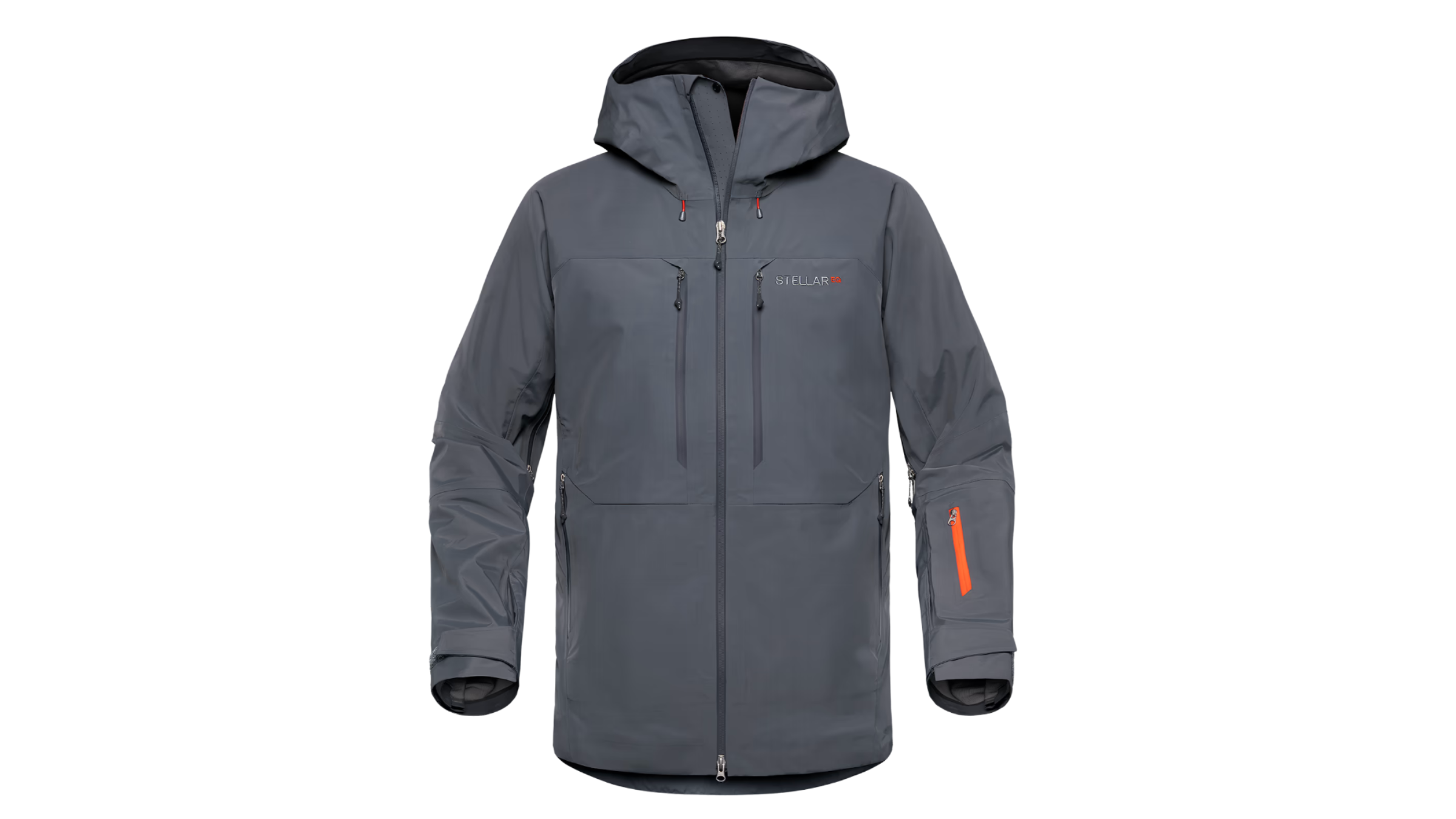
As the "Best Splurge" option, the Stellar Pro Jacket represents the zenith of high-end shell design, earning unanimous acclaim for its durability, packability, features, and exceptional fit. A retired Canadian national team ski racer lauded it as his "favorite kit ever," a testament to its refined engineering. The jacket’s Dermizax waterproof-breathable membrane and DWR-treated nylon face fabric effectively repel wet snow and freezing rain. Its recycled nylon exterior, which blends 70- and 140-denier yarns, achieves remarkable durability while minimizing bulk for enhanced packability.
The Stellar Pro boasts an advanced venting system, featuring long pit zips that extend beyond the ribs and a chin-snap closure that allows the front zipper to be opened for airflow without the jacket flapping. Other thoughtful details include a one-hand adjustable hood, internal organizers within roomy pockets, and glove-friendly zipper pulls. However, its most striking attribute is its fit; the jacket "disappeared" on testers, with gusseted sleeves accommodating various body sizes and glove styles, and a trim yet layering-friendly cut. The Stellar Pro exemplifies how advanced material science and meticulous design can culminate in a truly exceptional piece of outerwear.
VI. Battling the Elements: Flylow Lone Pine Gore-Tex 2L
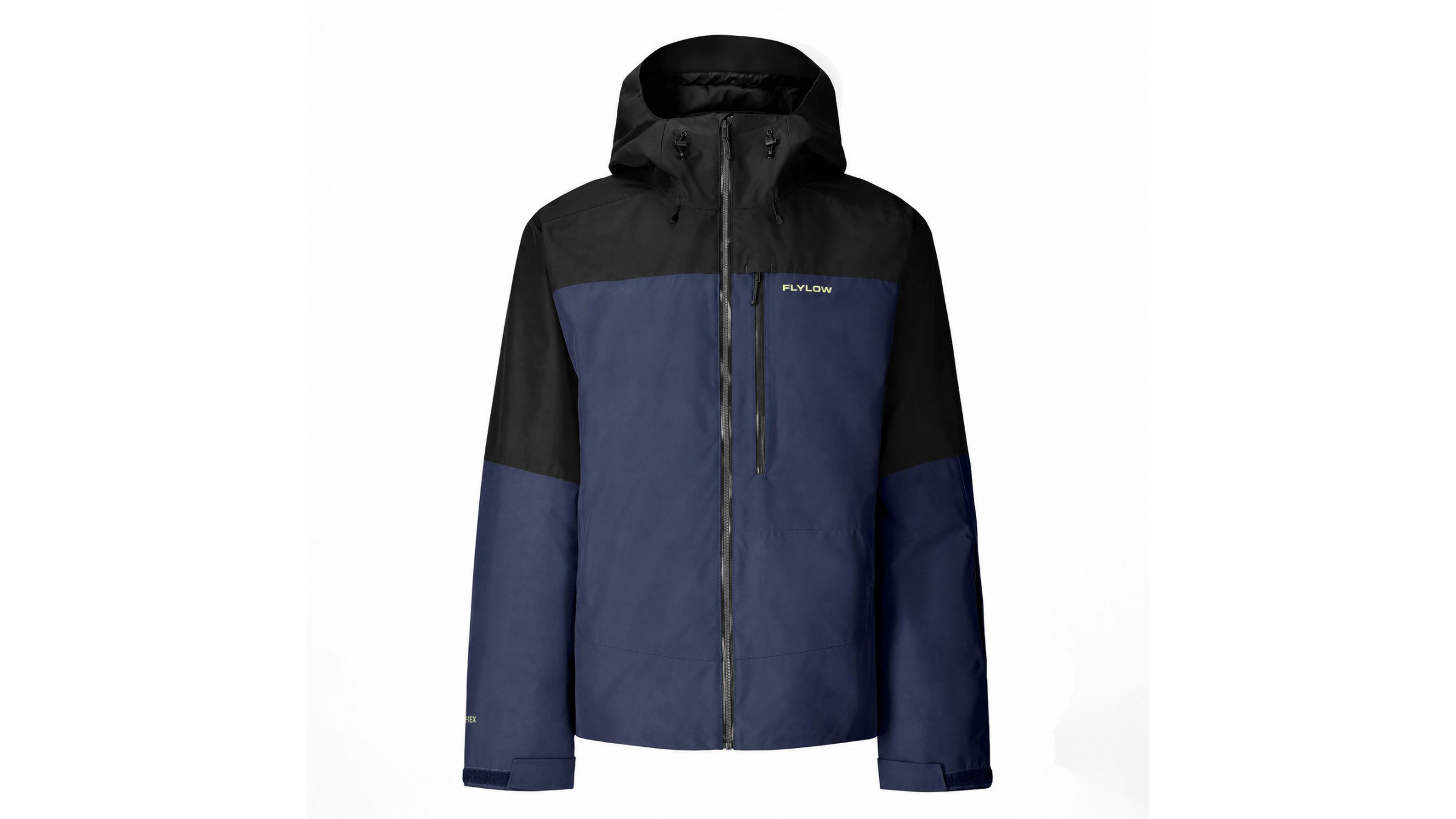
Challenging the conventional wisdom that 3-layer shells are the sole standard for stormproof protection, the Flylow Lone Pine Gore-Tex 2L jacket demonstrates that a well-engineered 2-layer construction can be equally, if not more, effective. Combining a recycled polyester exterior shell with a Gore-Tex membrane and strategically placed fleece panels in the back and chest, this jacket offers formidable defense against high winds and heavy snow. Testers at Arapahoe Basin particularly lauded its hood design, which cinched down securely without impeding peripheral vision or head movement.
Flylow’s attention to fit is evident throughout the Lone Pine, with sleeves and hem that stay put during dynamic movements, and cuffs that seamlessly integrate with gaitered or gauntlet gloves. The overall fit is loose but not baggy, allowing for comfortable layering. Features like two-way pit zips, a fleece-lined chin guard, and a well-organized pocket layout (three external, two internal) further enhance its utility for stormy resort days. While its bulk and warmth make it less ideal for extensive backcountry travel, it stands as a prime choice for resort skiers facing harsh winter conditions.
VII. Backcountry & Slackcountry Prowess: Trew Cosmic Jacket & Salomon S/Lab Scrambler GTX
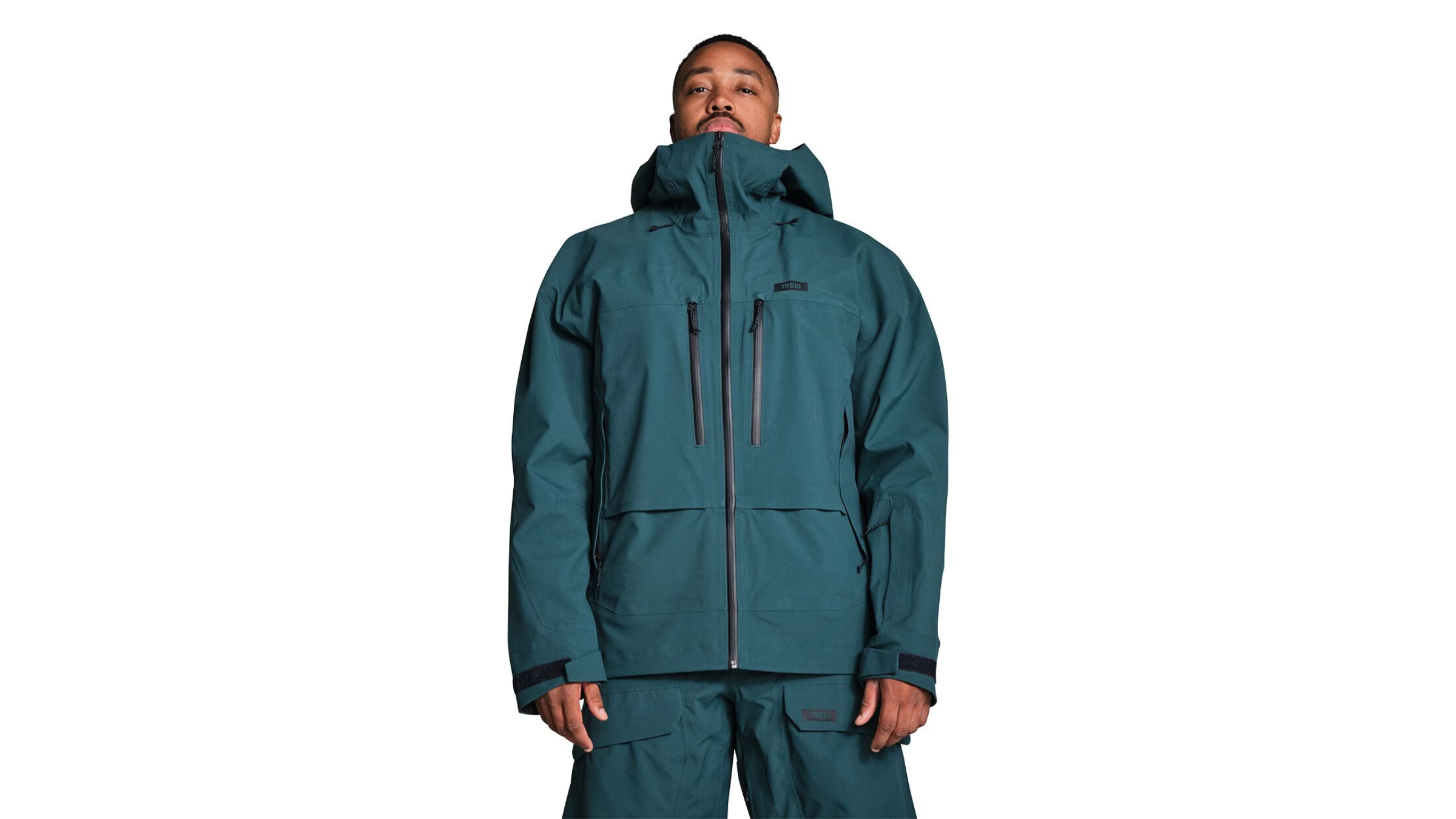
For those venturing beyond the groomed trails, specialized jackets are paramount. The Trew Cosmic Jacket shines as the "Best Ski Jacket for Slackcountry," primarily due to its innovative Primo fabric, developed in collaboration with Toyota Textiles. This nylon, knit-style, waterproof-breathable fabric is celebrated for its abrasion resistance, subtle stretch, and exceptional waterproofness and breathability—crucial attributes for variable conditions encountered in slackcountry terrain. It is also recycled and bluesign-approved, aligning with modern sustainability goals. The Cosmic’s design features a loose fit, ample pockets, long pit zips, and a redesigned, roomier hood that can be deployed over a helmet without unzipping the neck. Testers lauded its ability to keep them dry even during strenuous hikes in 33-degree Fahrenheit snowstorms, showcasing its impressive performance envelope.
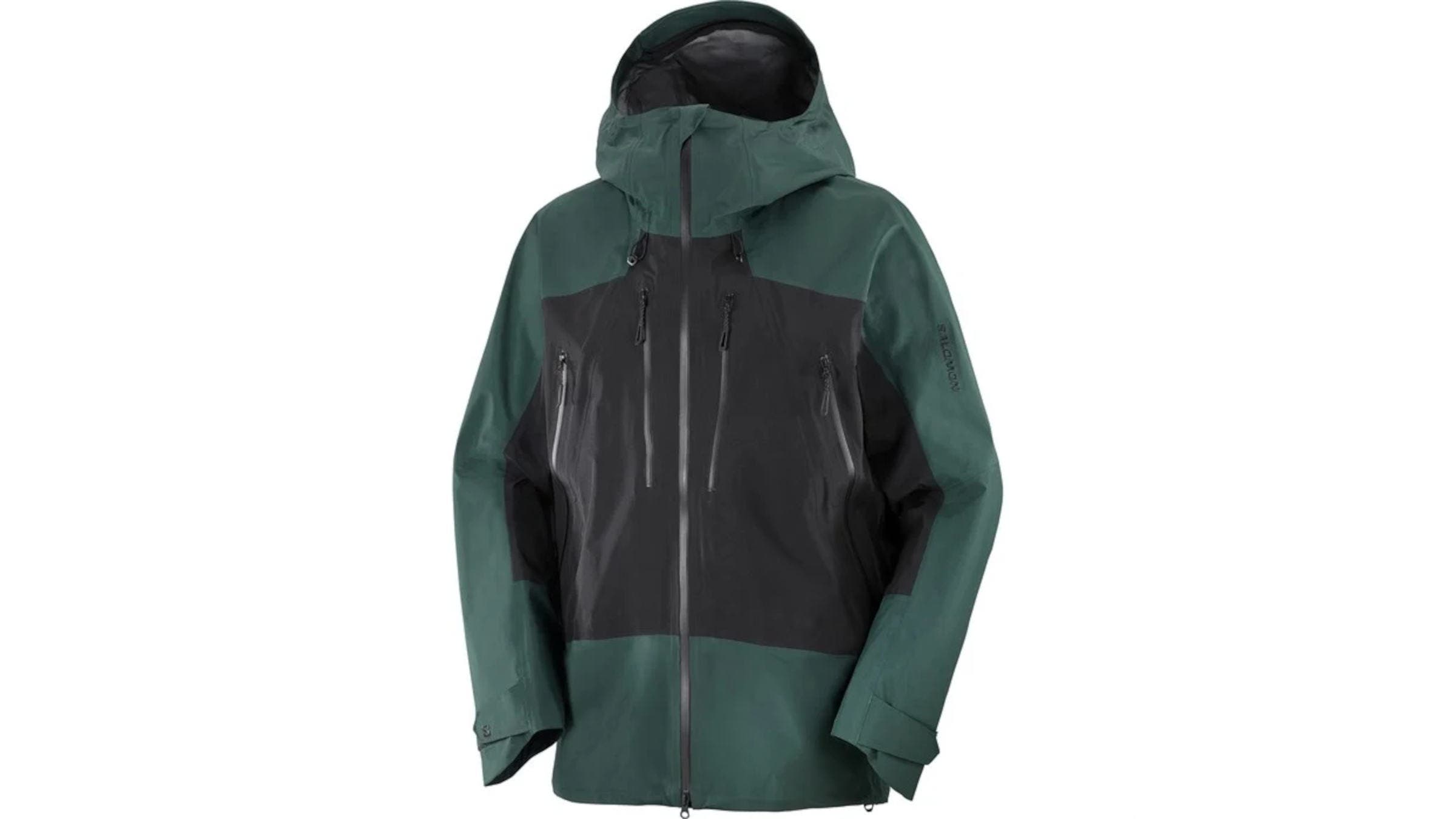
Conversely, the Salomon S/Lab Scrambler GTX is the quintessential "Best Ski Jacket for Backcountry," a minimalist shell designed for fast and light touring. Its unique selling proposition lies in its massive and easily accessible lateral venting zippers, which run from waist to armpit, providing superior airflow compared to traditional pit zips. This feature, combined with a thin polyamide shell backed by a Gore-Tex membrane, results in a remarkably lightweight (one pound) and packable jacket that compresses to the size of a Nerf football. While its design is streamlined with only two Napoleon pockets (large enough for skins) and cuffs that are too wide for gauntlet gloves when cinched, its minimalist approach and effective ventilation make it an indispensable companion for strenuous backcountry missions.
VIII. Freeride Flexibility: Mammut Haldigrat HS Hooded Jacket
The Mammut Haldigrat HS Hooded Jacket is meticulously designed for the demands of freeride skiing, balancing robust protection with exceptional comfort and flexibility. Testers universally praised its thoughtful details, including asymmetric cuffs that adapt to various glove styles, a soft fabric lining around the collar for enhanced facial comfort, and a perfectly arranged pocket layout. The two chest pockets feature protective flaps, and the top-entry hand pockets are generously sized yet non-bulky, even accommodating skins during backcountry yo-yo laps.
The jacket’s polyamide face material, integrated with Mammut’s proprietary Drytech Pro membrane, offers a supple, malleable feel that minimizes flapping, a common issue with many technical shells. This material also provides outstanding waterproofing, famously demonstrated by a tester who remained "warm and dry" after repeatedly pond skimming. The Haldigrat’s hood includes a mesh vent to prevent snow ingress while maintaining airflow, and its generally long cut ensures comprehensive coverage. While a minor suggestion for thumb loops on the wrist gaiters was noted, the Haldigrat HS represents a highly refined shell, embodying Mammut’s expertise in crafting high-performance gear for dynamic mountain pursuits.
The Science of Selection: Navigating the Modern Ski Jacket Market
Choosing the ideal ski jacket in today’s diverse market requires a nuanced understanding of personal needs and prevailing industry standards. The array of options, from heavily insulated parkas to ultralight shells, caters to every skiing style and climate.
I. Insulation Strategies: Shell vs. Insulated
The fundamental decision revolves around insulation. Insulated jackets, typically filled with synthetic or down materials, provide inherent warmth, making them suitable for consistently cold temperatures (below 20 degrees Fahrenheit) or for skiers who tend to run cold. They simplify layering, often requiring only a base layer underneath. Shell-style jackets, on the other hand, offer maximum versatility. They provide a waterproof-breathable outer layer, allowing skiers to customize their warmth by adding or removing mid-layers. This adaptability is crucial for variable conditions, active pursuits like backcountry skiing where overheating is a concern, or in milder climates. "The trend leans towards shell jackets for advanced skiers who want precise temperature control through layering," explains an industry expert, "while insulated jackets remain popular for casual resort skiers prioritizing immediate warmth and simplicity."
II. Waterproofing Standards: Membranes and DWR
A jacket’s ability to keep you dry is paramount. The efficacy of a waterproof membrane is measured by its water column rating, with 20,000 mm and above considered excellent for ski conditions. Technologies like Gore-Tex, Dermizax, and proprietary membranes from brands like Kühl and Mammut offer varying degrees of waterproofness and breathability. Beyond the membrane, Durable Water Repellent (DWR) treatments on the face fabric are crucial for shedding water. There’s a significant industry shift towards PFAS-free DWRs, driven by environmental concerns over per- and polyfluoroalkyl substances. Consumers are increasingly seeking out brands committed to these eco-friendlier alternatives, recognizing the broader implications of their gear choices.
III. Fit, Form, and Function: Beyond Aesthetics
While aesthetics play a role in personal preference, the fit and cut of a ski jacket profoundly impact mobility and comfort. Features such as articulated sleeves and stretchy fabrics are critical for unrestricted movement, especially during dynamic skiing. Adjustable cuffs, hems, and helmet-compatible hoods allow for a customized fit, sealing out snow and wind. "A jacket should feel like an extension of your body, not a hindrance," notes a product development manager. "It needs to accommodate layering without feeling baggy, and provide a full range of motion without exposing skin." Essential functional features include a dedicated pass pocket, hand pockets, and effective ventilation (pit zips, or innovative systems like Kühl’s double zipper). Additional features, such as interior zip pockets, mesh pockets for goggles, and powder skirts, enhance convenience and protection.
IV. Value Proposition: Balancing Cost with Durability
The price range for ski jackets is vast, reflecting differences in materials, technology, and brand reputation. While a higher price often correlates with superior performance and durability, many "value jackets" provide commendable performance without breaking the bank. The decision should be weighed against usage frequency and intensity. A weekend warrior might find excellent value in a mid-range jacket, while a professional or avid skier spending 50+ days on snow would benefit from the investment in a top-tier, bombproof model that offers extended longevity and consistent performance.
V. Sustainability as a Key Metric
The environmental footprint of ski apparel is a growing concern. Brands are responding by incorporating recycled materials, such as recycled polyester and NetPlus (derived from recycled fishing nets), into their fabrics. Certifications like bluesign approval indicate responsible and sustainable manufacturing processes. "Choosing gear made with recycled content or ethical certifications is a direct way for consumers to support a more sustainable future for outdoor recreation," states an environmental advocate specializing in textiles. This shift reflects a broader industry movement towards circular economy principles, aiming to reduce waste and minimize ecological impact.
Rigorous Evaluation: The Methodology Behind the Rankings
The integrity of this annual ski jacket review rests on a decade of experience and an exhaustive testing protocol. The lead tester, Ryan Stuart, a veteran ski journalist with over 40 years of on-snow experience, spearheads a diverse team of highly qualified and opinionated gear testers. This team comprises ski shop technicians, certified instructors, professional ski patrollers, and coaches – individuals who collectively spend hundreds of days on snow each winter across various North American locales.
The testing process is designed to replicate real-world conditions, far exceeding laboratory simulations. Jackets are distributed among testers living in diverse regions, ensuring exposure to a full spectrum of weather, from freezing rain and sub-zero blizzards to warm spring days and heavy powder dumps. Testing grounds span iconic resorts and demanding backcountry terrain across Colorado, the Pacific Northwest, the Tetons, New England’s White Mountains, and British Columbia. Testers are encouraged to integrate the apparel into their daily skiing routines, allowing for an authentic assessment of performance over time.
Key variables meticulously evaluated include:
- Fit and Mobility: How the jacket moves with the body, accommodates layers, and interacts with helmets and gloves.
- Functionality: Ease of use of zippers, pockets, and adjustments, especially with gloves on.
- Breathability: The jacket’s ability to manage moisture and prevent overheating during high exertion.
- Warmth: The insulation’s effectiveness in varying cold conditions, or a shell’s capacity to protect from wind chill.
- Weather Resistance: Performance of membranes and DWR in rain, wet snow, and strong winds.
- Style and Substance: The aesthetic appeal combined with the quality of materials and construction.
- Value: Performance relative to price point.
- Durability: Long-term resilience to abrasion, tears, and consistent use.
Each tester meticulously documents their observations and feedback using a standardized form, which is then cross-referenced with data from previous years to identify consistent performers and significant innovations. This continuous, iterative testing cycle ensures that the published rankings not only identify the best new products but also highlight the most reliable and high-performing ski jackets currently available on the market, with updates made throughout the year to reflect ongoing evaluations.
Industry Insights and Future Outlook
The 2027 men’s ski jacket market is characterized by a mature blend of high-performance technical fabrics, user-centric design, and a growing emphasis on environmental responsibility. Brands are no longer just competing on waterproofing or warmth, but on holistic performance that includes comfort, versatility, and sustainability. The leading jackets demonstrate that innovative solutions, whether in venting systems, fabric technology, or modular design, are key to meeting the complex demands of modern skiers.
Looking ahead, the ski apparel industry is poised for further advancements. Expect to see continued development in smart textiles, potentially integrating sensors for physiological monitoring or dynamic climate control. The drive towards fully circular product lifecycles, from recycled content to end-of-life recycling programs, will intensify. Furthermore, customization and personalization, leveraging digital manufacturing and 3D printing, could offer skiers unprecedented control over the fit and features of their outerwear. Ultimately, the future of men’s ski jackets will continue to be defined by a seamless blend of cutting-edge technology, ergonomic design, and a deep commitment to environmental stewardship, ensuring skiers can enjoy the mountains with unparalleled comfort and confidence.
Meet Our Expert Testers
Ryan Stuart, lead tester, brings over four decades of skiing experience to the evaluation process. A freelance writer and ski journalist, his extensive travels have taken him to premier ski destinations worldwide. Beyond his role in this review, he spearheads the ski test for Ski Canada Magazine and is currently authoring a book on Canadian skiing history, slated for a fall 2027 release.
Brian McElwee is renowned for his meticulous attention to detail, scrutinizing every aspect from pocket width to vent length. When not meticulously evaluating ski gear, he serves as a mountain ambassador at New Hampshire’s Cranmore Mountain Resort, actively exploring nearby slopes. His passion for testing stems from a desire to uncover new brands and challenge established biases, famously converting from a "bib-hater" to an admirer when the design was executed flawlessly.
Mike Donohue, owner of Outdoor Gear Exchange in Burlington, Vermont, skillfully integrates gear testing into his professional life. Despite his responsibilities, he ensures he skis several days a week, often hosting demo days for his staff at local resorts like Stowe and Jay Peak. His testing insights are honed through regular trips to his local hills and more extensive excursions to destinations like the Tetons.
Mark Kocij, a school principal in Toronto, Canada, offers a unique perspective from Ontario’s private ski clubs, where style and performance often hold equal weight. Known for his impeccable presentation, he is also a dedicated and skilled skier who remains undeterred by challenging weather conditions, providing valuable feedback on how jackets perform both functionally and aesthetically.
