

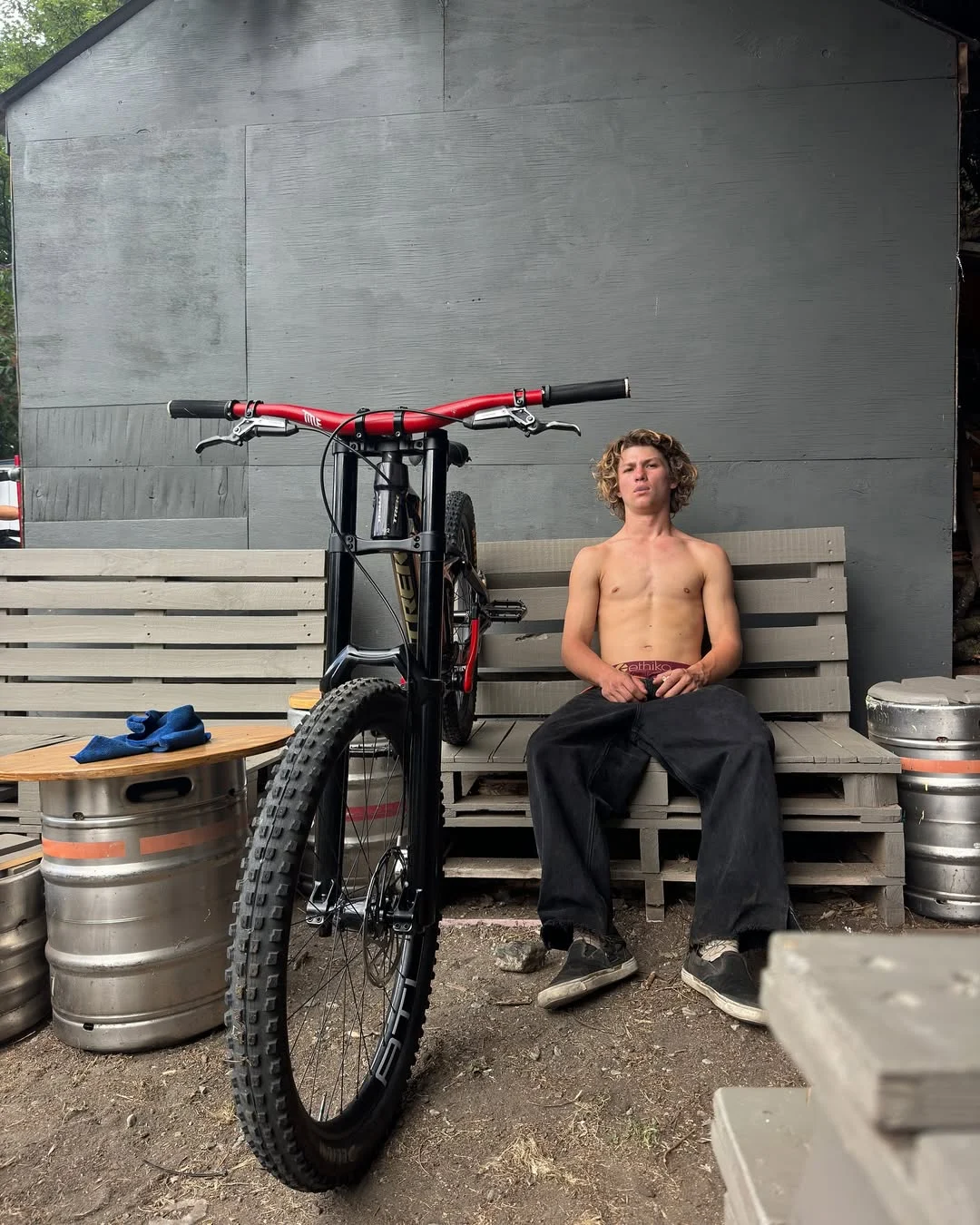
Finley Kirschenmann has rapidly emerged as a compelling figure in the world of freeride mountain biking, a discipline that demands not only exceptional skill but also a profound connection with terrain and an unwavering mental fortitude. At just 19 years old, Kirschenmann’s riding style is a testament to years spent honing his craft in the iconic red rock landscapes of Utah, particularly in Virgin, a mecca for freeride athletes. His approach, deeply rooted in instinct and a keen understanding of the sport’s demanding nature, has been shaped by both intimate sessions on challenging local terrain and high-stakes performances on stages like Red Bull Rampage. This series, "Line by Line," delves into the process behind an athlete’s progression, exploring how style, mindset, and the environment converge to define their unique journey. For Kirschenmann, the pursuit is not about seeking external validation or standing out for the sake of it, but about riding in a manner that feels authentic and true to himself, one line at a time.
The Rise of a Freeride Prodigy
Born Finley Wayne Kirschenmann, the young athlete hails from Sandy, Utah, but his formative years were significantly influenced by extensive travel and a deep immersion in the freeride scene of Virgin, Utah. This geographical advantage provided him with unparalleled access to the challenging and iconic terrain that has become synonymous with the sport. His early experiences included riding at Canyons Resort (now defunct) in Park City, Utah, before dedicating significant time to exploring the rugged desert zones of Southern Utah. This early exposure to diverse and demanding landscapes laid the groundwork for his advanced freeride capabilities.

Kirschenmann’s journey into the sport began through a progression of cycling disciplines. His introduction to two wheels was through BMX at the Wasatch Indoor Bike Park at the age of five. This foundational experience with technical riding and aerial maneuvers proved invaluable as he transitioned to larger bikes and the burgeoning bike park scene at Canyons. The allure of downhill racing followed, where he competed for several years, further refining his bike handling and understanding of gravity-assisted descents.
However, the pivotal moment that truly redirected his focus towards freeride was attending Red Bull Rampage in 2015. Witnessing the audacious feats of the world’s best freeride athletes in person ignited a new vision for what was possible on a mountain bike. This experience marked a turning point, revealing the potential for a career path centered on creativity, risk-taking, and pushing the boundaries of the sport.

Defining Style and Authenticity
Kirschenmann articulates a nuanced perspective on "style" in mountain biking, viewing it as an integral form of self-expression, akin to personal fashion or artistic flair. He believes that authentic bike style emerges organically from what feels right and natural to the rider. This often translates into riding that is not only aesthetically pleasing but also deeply satisfying for the athlete performing it. Uniqueness is a cornerstone of his philosophy; he emphasizes that no two riders will possess the exact same style, as individual preferences and comfort levels dictate trick selection and execution. This inherent diversity, he argues, is what makes style so compelling and personal.
Beyond the physical execution of a line, Kirschenmann also places significant importance on personal style, encompassing how a rider carries themselves, their demeanor, and even their choice of attire. He values the visibility of personality through riding, believing that a rider’s authentic self should be discernible in their approach.

When asked about whether he consciously tries to stand out, Kirschenmann’s response underscores his commitment to authenticity. He states, "I definitely don’t try to stand out, but as I said, I love it when you can tell what the rider is like through the riding." His goal is to express himself as an individual through his riding. If this results in standing out, it feels like a positive reflection of his true self, not just his abilities on a bike. Ultimately, his riding is guided by what feels natural and what he genuinely wants to pursue.
The Mental Game: Navigating Fear and Planning
The prospect of dropping into a course as formidable as Red Bull Rampage presents a significant mental challenge. Kirschenmann describes the experience as a cacophony of "brain noise," but one that is ultimately dominated by "pure focus and passion, and excitement, no matter the outcome." He acknowledges the presence of fear as a healthy and natural component of such high-risk endeavors. His strategy for managing this is to effectively "shut your brain off and trust your gut."

The balance between instinct and meticulous planning is crucial for tackling large freeride lines. Kirschenmann advocates for a well-defined plan, particularly before reaching the top of a drop-in, as it reduces the cognitive load during the actual descent. However, he stresses the importance of adaptability, acknowledging that the desert environment is rife with variables. Having a well-rehearsed plan B, or a repertoire of fallback tricks and maneuvers, is essential for navigating unexpected situations. On event day, particularly during finals, instinct takes over. The planning phase is complete, and the rider must rely on their ingrained skills and decision-making abilities in the moment.
His experience at Rampage also provided valuable self-insight. While he had spent considerable time in similar environments and felt comfortable in high-pressure situations, he underestimated the sheer volume of stress and anxiety the event would induce. He discovered that the presence of a large crowd, even with supportive friends and family, amplified these feelings more than he anticipated. This realization highlighted the psychological impact of performance environments.

Fear, for Kirschenmann, is a manageable sensation as long as it remains "fear." He likens it to butterflies in the stomach and mental chatter. The critical distinction lies in the transition from fear to panic. Panic, he explains, can be detrimental, leading to erratic decisions and compromising safety. His approach is to embrace fear rather than succumb to panic, ensuring that his instinct remains sharp and focused.
Sponsorship and Equipment
Kirschenmann’s burgeoning career is supported by key industry partners, including Trek, Sram, and RockShox, who provide him with cutting-edge equipment. He also credits Ripton and Burgtech for their contributions. His bike setup is a testament to his freeride focus: a small Trek Session Park, meticulously tuned by the experts at Fluid Function for optimal suspension performance. He often rides this setup in a "chainless" configuration, typical of bike park riding, highlighting his preference for fluid, stylish descents.

Influences and Aspirations
Kirschenmann’s early inspirations were his BMX riding peers, individuals who demonstrated a genuine passion for the sport, regardless of their professional status. Later, his racing coach and close friend, Tyson Henrie, became a significant mentor. Henrie imparted not only technical riding skills but also crucial life lessons on pursuing a career in biking, managing fear, pushing limits, maintaining physical and mental strength, and, importantly, embodying good character.
Among professional riders, Graham Agassiz stands out as a significant hero. Kirschenmann recounts a formative experience at his first Rampage in 2015, where Agassiz, despite being a nine-year-old fan’s constant presence, was exceptionally kind and approachable. This early encounter left a lasting positive impression.

When considering current riders with exceptional style, Kirschenmann names Alessio Tonoli (Corn Flakes), Billy Meaclem, Louis Reboul, and Lucas Schäfer as particular favorites. He acknowledges the difficulty of singling out individuals, emphasizing the widespread talent and unique styles within the sport. He also identifies Matthew Beringer (BMX), Aidan Howe (Freerider), Pepe Ibáñez (Freerider), and Cody Gessel (BMX, DJ) as highly underrated talents.
Kirschenmann’s current ambition is to establish a stable home base where he can build, ride, and find personal peace. This sanctuary is essential for recovery and recalibration between demanding events and travel. Beyond this, his riding goals are centered on continuous progression and, most importantly, maintaining the joy and fun he derives from the sport. He is eager for the upcoming season’s events, intending to further push his limits and continue his pursuit of the "Freeride Dragon."

The Art of Film and Storytelling
Kirschenmann finds particular inspiration in the art of filmmaking within mountain biking. He believes that bringing a film project to life requires a dedicated crew and extends far beyond the physical act of riding. The process of translating riding into a permanent visual medium, complete with carefully selected music, optimal camera angles, and the perfect execution of tricks, is a profoundly rewarding endeavor. He likens riding itself to art, and filming it to preserving that art for posterity.
His appreciation for visual storytelling extends beyond mountain biking. He cites surf films like Volcom’s "FootballShmootball" and classic surf films from the Lost catalog, such as "What’s Going On?" and "What’s Going Wrong?", as personal favorites. He also holds a deep admiration for the "Moonshine Conspiracy" film series and the inspiring disabled ski film "Us and Them," recognizing the profound impact of these narratives on his perspective.

Broader Context and Future Implications
The emergence of young talents like Finley Kirschenmann signifies a dynamic evolution within freeride mountain biking. His dedication to authentic expression and his methodical approach to managing risk and fear offer a compelling model for aspiring athletes. As the sport continues to gain mainstream recognition, the emphasis on individual style and the mental fortitude required to conquer challenging terrain will likely become even more prominent. Kirschenmann’s journey, from BMX grom to a prominent figure in the freeride scene, underscores the importance of diverse foundational skills and the power of transformative experiences, such as witnessing Red Bull Rampage firsthand.
The "Line by Line" series aims to capture these intricate processes, offering a behind-the-scenes look at how athletes refine their craft. Kirschenmann’s participation highlights the series’ commitment to showcasing riders who embody not just peak performance, but also a deep-seated connection to their sport and a genuine passion for pushing boundaries. His continued development and participation in major events will undoubtedly be closely watched by the freeride community and beyond.

Finley Kirschenmann’s current pursuit of a stable home and his commitment to enjoying the ride and pushing his limits exemplify a mature approach to a demanding sport. His journey, marked by a blend of raw talent, meticulous preparation, and an authentic personal style, positions him as a significant voice and presence in the future of freeride mountain biking. The discipline itself, often described by its practitioners with a single word like "Awesome," continues to attract and inspire individuals who seek to test their limits and express themselves through the dynamic interplay of human skill and natural landscape.
