

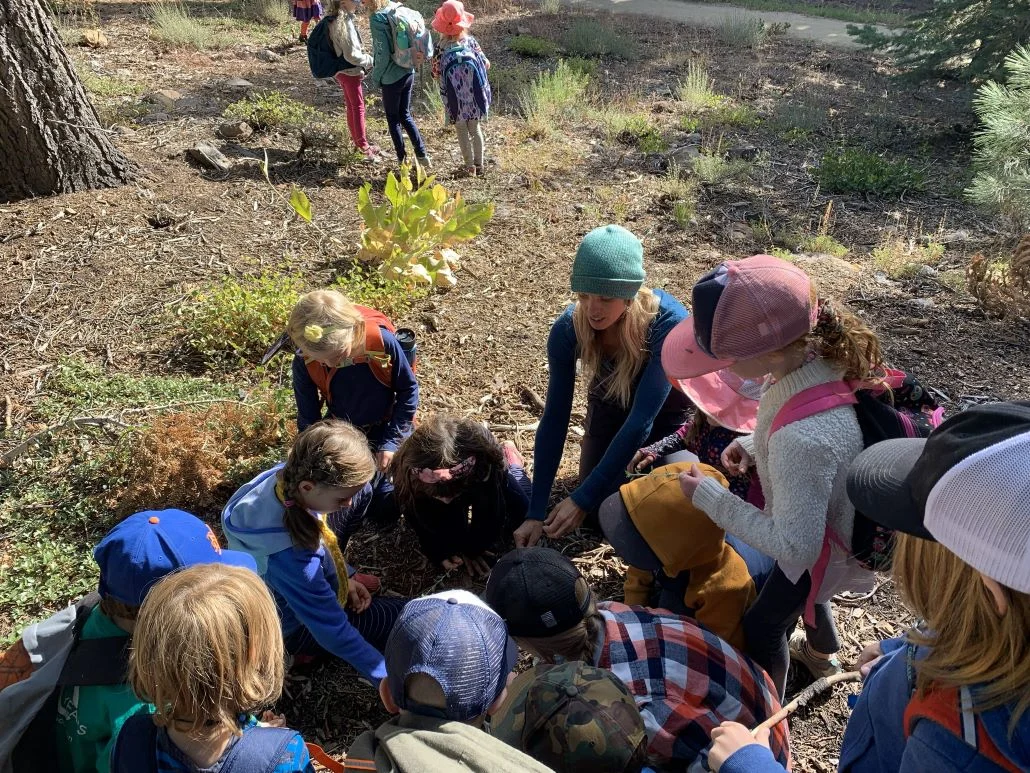
Liz Sheppard stands as a distinguished figure in the realm of snowsports instruction and outdoor education, holding a prestigious Level III snowboard instructor certification alongside a Children’s Specialist 2 credential. Her professional journey, marked by innovation and a deep-seated passion for youth development, has significantly impacted the landscape of snowsports learning, particularly at Northstar California Resort in Truckee, California, where she serves as a pivotal member of the Western Region Education Staff of the Professional Ski Instructors of America and American Association of Snowboard Instructors (PSIA-AASI). Beyond the slopes, Sheppard’s commitment extends to academic settings, where she has been instrumental in developing outdoor education programs for the Waldorf School in Truckee and currently teaches middle school science at Tahoe Expedition Academy, underscoring a multifaceted career dedicated to nurturing young minds through experiential learning. Her prior leadership roles, including serving as president of the board for Friends of Tahoe Truckee Waldorf, further illustrate her extensive engagement with educational and community initiatives within the Tahoe region.
Sheppard’s entry into snowsports instruction was driven by a dual desire: to work with children and to refine her own snowboarding prowess. Her rapid ascent through the professional ranks at Northstar California Resort began with achieving her Level I certification, swiftly followed by Level II in her inaugural two seasons. PSIA-AASI certifications are structured to progressively test an instructor’s riding ability, teaching methodology, and professional knowledge. Level I establishes foundational skills, while Level II signifies an instructor’s capacity to teach intermediate-level students across varied terrain and conditions. The subsequent year saw her secure the Children’s Specialist 2 credential, a testament to her specialized expertise in youth instruction, focusing on age-appropriate teaching techniques and child development principles, and concurrently initiate training for the rigorous Level III assessment. This period also marked a significant personal milestone as she began her relationship with Luke Sheppard, then on an H-2B visa from England, embarking on a unique lifestyle that saw them chase winter across hemispheres. The H-2B visa program allows U.S. employers to bring foreign nationals to the United States to fill temporary nonagricultural jobs, a common pathway for seasonal workers in industries like snowsports. Their shared "endless winter dream" involved teaching at Cardrona in New Zealand and Northstar, providing an invaluable cross-cultural exchange of instructional methodologies. During this time, Sheppard credits her interactions with trainers from the New Zealand Snowsports Instructors Alliance (NZSIA) for broadening her perspective and refining her skills, culminating in her successful attainment of the Level III certification. This highest instructional level requires demonstrating mastery in all aspects of snowboarding, teaching, and professional knowledge, enabling instructors to teach advanced students in all conditions and terrain. This achievement not only solidified her standing as a master instructor but also paved the way for her to assume staff training roles at both Northstar and Cardrona, demonstrating her capacity for leadership and mentorship within the global snowsports community.
Pioneering Terrain-Based Learning with the Burton Academy
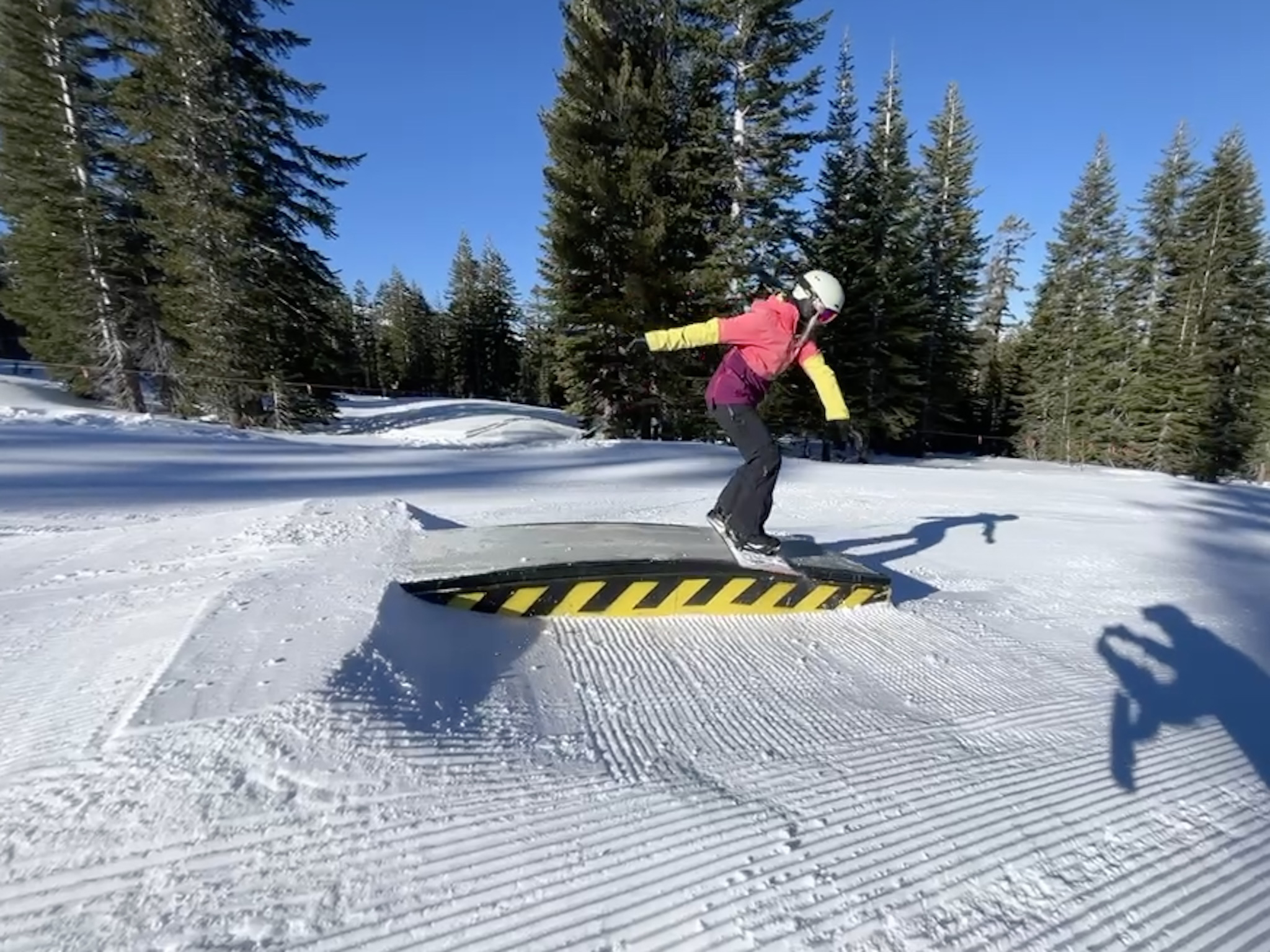
A highlight of Sheppard’s career during this formative period was her instrumental role in establishing the first Burton Academy at Northstar in 2009. This initiative was at the forefront of snowboard education, introducing innovative concepts such as terrain-based teaching and learning. This pedagogical approach utilizes specially designed on-snow features like mini-pipes, rollers, and banked turns to facilitate natural movement and skill acquisition, moving beyond traditional drill-based instruction on flat slopes. The philosophy behind terrain-based learning posits that students learn more intuitively and quickly when interacting with varied, purpose-built terrain that guides their movements, making the learning process more enjoyable and less intimidating. The Burton Academy fostered an environment of creativity and motivation, allowing instructors to explore cutting-edge methods that made learning more intuitive and engaging for students. This period marked a significant shift in how snowboarding was taught, emphasizing fun, exploration, and skill development through interaction with the environment. Sheppard’s involvement in this pioneering program not only underscored her innovative spirit but also positioned her at the vanguard of evolving snowsports instructional practices, influencing how major resorts approached beginner and intermediate snowboard instruction.
Following her marriage, Sheppard made a deliberate choice to step back from full-time instruction to focus on starting a family. This hiatus, while a departure from her intense career trajectory, was not a relinquishment of her passion. She dedicated several years to raising her children, maintaining a part-time role as a trainer, which allowed her to balance family life with her professional commitments. The experience of motherhood, though challenging, provided a profound period of personal growth, teaching her invaluable lessons about "babies, people, training, teaching, fear, self-doubt, mental conditioning." She reflects on this time as irreplaceable, asserting that she "wouldn’t have traded it for the world." This period of introspection and family focus ultimately enriched her teaching philosophy, imbuing her with a deeper understanding of human potential, resilience, and the diverse paths individuals take to achieve their goals. The decision to prioritize family, while common, often presents unique challenges for professionals in seasonal, physically demanding industries. Her ability to return and achieve her snowboard trainer certification, which involves assessing and developing other instructors, speaks volumes about her dedication and the support structures available within PSIA-AASI for experienced professionals. Her journey served as a powerful affirmation of perseverance and the understanding that the route to success is not always linear, emphasizing the importance of adapting and learning from every life experience.
Bridging the Classroom and the Mountain: A Passion for Children’s Education
Sheppard’s profound passion for teaching children transcends the boundaries between the classroom and the mountain. She regards children as inherently "amazing – honest, curious, freehearted, and fun-loving." This fundamental belief informs her holistic approach to education, regardless of the setting. Her philosophy centers on imparting more than just technical skills; it aims to cultivate character. She posits that educators must constantly ask, "What do you want to impart? What will you show them, teach them, model for them – not just the hard skills you’re teaching them, but how to be a kind and meaningful human?" This extends to fostering emotional intelligence, empathy, and a strong moral compass, alongside physical and intellectual development. The Waldorf education system, with which she has been involved, emphasizes holistic development, creativity, and imaginative play, aligning well with her philosophy of nurturing the whole child.
A core tenet of her teaching is the belief in the boundless potential within every child. Sheppard finds immense satisfaction in "remind[ing] students that they’re more than they believe and that they have a tremendous amount of potential." This potential, she notes, may be readily apparent in some or require diligent cultivation in others, but it is "always there." For Sheppard, education is fundamentally about igniting curiosity, fostering a love for continuous learning, and empowering individuals to recognize their inherent capabilities. This integrative approach ensures that whether a child is learning to carve a snowboard or understanding scientific principles, the underlying goal is to develop well-rounded, confident, and inquisitive individuals. This pedagogical synergy is evident in her work at both the Waldorf School and Tahoe Expedition Academy, where outdoor education principles are often integrated into the curriculum, connecting academic learning with real-world experiences. Research consistently shows that outdoor education enhances critical thinking, problem-solving skills, and self-esteem in children, providing a vital complement to traditional classroom learning.
Two Decades of Innovation and Community at Northstar
Sheppard’s impressive tenure at Northstar California Resort spans 23 years, a period during which she has not only witnessed but actively shaped the evolution of snowsports instruction. She identifies her involvement in developing the Burton Academy as the most impactful experience, aside from meeting her husband. The Academy’s foundation, built on "ideas of community and connection," resonated deeply with her personal values. Northstar, as part of Vail Resorts, benefits from the ability to implement innovative programs, and the Burton Academy was a significant draw for families seeking cutting-edge snowboard instruction. The opportunity to experiment with new techniques and explore progressions in a "welcoming environment" allowed her to contribute significantly to the children’s lesson experience, including designing kid-friendly features and activities. The emphasis on movement-based teaching, particularly through the use of built terrain, represented a revolutionary shift from conventional methods, making learning more dynamic and effective.
The early years of the Burton Academy fostered a "small tightknit crew" of instructors, all united by their passion for snowboarding, teaching, and exceptional guest service. This collaborative spirit and shared dedication created a powerful synergy, leading many members of this original team to later serve on the Western Region Education Team of PSIA-AASI over the subsequent 15 years. This enduring legacy speaks volumes about the quality of leadership and mentorship that characterized that "great moment in time." The ability of a resort to cultivate such an environment is critical for retaining top talent and driving innovation within the snowsports industry. Northstar’s commitment to instructor development and innovative programs has solidified its reputation as a premier destination for learning snowsports.
Leadership and Mentorship on the Western Region Education Staff
Sheppard’s role as a member of the Western Region Education Staff of PSIA-AASI is a testament to her expertise and commitment to advancing the profession. This experience has been profoundly positive, characterized by a sense of shared growth and mutual support among colleagues. Many of her peers on the staff have journeyed through significant life stages together, forming a robust network of professional and personal solidarity. This supportive environment underscores the importance of community within professional development, particularly in fields that demand high levels of skill and dedication. As an education staff member, Sheppard embraces the opportunity to disseminate her extensive knowledge and guide aspiring instructors through their PSIA-AASI certification pathways. She acknowledges the significant influence that previous education staff members had on her own career, expressing gratitude for the chance to "give that back to others."
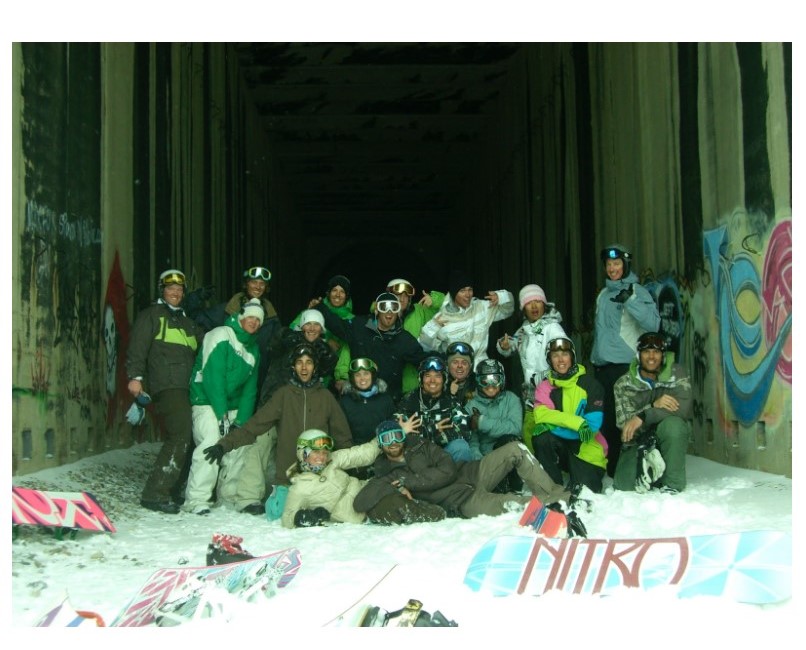
The Western Education Team is notably recognized as a "powerhouse of female examiners," a characteristic that Sheppard highlights with pride. This strong representation of women in leadership roles within snowsports education is crucial for fostering diversity and inclusivity in an industry that has historically seen male dominance. While specific statistics vary by region and year, PSIA-AASI has actively promoted initiatives to increase female representation in leadership and examiner roles. Sheppard views her role as a female examiner as a vital means of "giving back and hopefully pav[ing] the way for more females to join the education team." Her presence serves as a tangible example for aspiring female instructors, demonstrating that pathways to leadership and influence are not only accessible but actively supported.
Sheppard’s PSIA-AASI journey, irrespective of the specific certification level, has provided a rich tapestry of lessons. These include the acceptance of uncontrollable variables, such as weather conditions, a crucial skill in outdoor professions. She has honed the ability to connect with anyone, finding common ground and fostering rapport, an essential component of effective teaching and leadership. Furthermore, her training has equipped her with the capacity to navigate unknown situations, formulate responsive plans, and tailor lessons to the immediate needs of her students. The emphasis on utilizing student feedback to dynamically adjust instructional direction and the willingness to adapt plans when initial strategies prove ineffective are hallmarks of her pedagogical agility. Finally, the mastery of differentiating lessons to accommodate multiple skill levels simultaneously underscores her expertise in inclusive and effective instruction. These skills, cultivated through years of rigorous training and practical experience, are transferable far beyond the slopes, serving as foundational principles for leadership and problem-solving in any dynamic environment.
A Lifelong Connection to the Outdoors: From Passion to Profession
Sheppard’s deep-rooted passion for the outdoors originated in her childhood, shaped by immersive experiences in the Georgia mountains and on the wild lands surrounding a lake in Maine. She advocates for spending time in nature as the most effective means of cultivating an appreciation for it, recalling a formative upbringing "in the woods, building forts; being wet, cold, hot; laying in the moss; climbing trees." These unfiltered interactions with the natural world fostered a profound sense of connection to the earth and a liberation from the material world, offering a constant reminder of the "extraordinary" beauty in everyday natural phenomena.
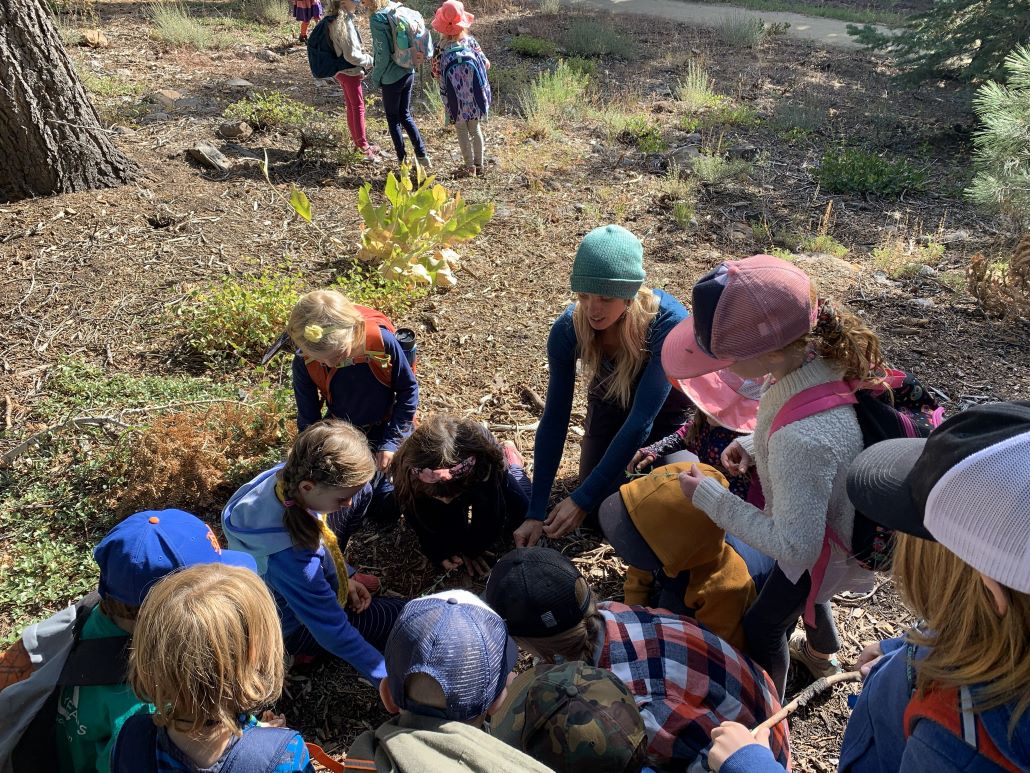
Her high school years saw her actively participate in outdoor mountaineering programs, including a National Outdoor Leadership School (NOLS) program and an Adventures Cross Country program. NOLS is renowned for its wilderness education courses that teach leadership, outdoor skills, and environmental ethics in remote, challenging environments. Growing up in Georgia, the allure of "large snowy mountains" held a particular magic, and the unparalleled "view from the top" became a powerful motivator. These experiences solidified her desire to integrate the outdoors into her professional life. In college, she began working for Adventures Cross Country, leading trips in diverse international locations such as Costa Rica, British Columbia, and Alaska. These excursions, coupled with her study abroad experiences in Costa Rica and Chile, broadened her global perspective and reinforced her conviction that a career outside of a traditional office or laboratory setting was her true calling. The simple pleasure of "feel[ing] the wind on your face" became a metaphor for a life lived authentically and in harmony with nature.
This realization led her to outdoor education as a logical career progression. After college, she joined Naturalists at Large, a program that offered day- to week-long outdoor immersion trips across California. This role provided extensive exposure to diverse ecosystems and the opportunity to collaborate with experienced outdoor educators. Her work with Adventures Cross Country, which involved three-week expeditions focused on backpacking, paddling, climbing, and snow travel with small groups of 10-15 students, allowed for deeper connections and more profound impacts on the young participants. Decades later, she maintains contact with many of the students from these trips, underscoring the enduring power of shared experiences in nature. Both programs emphasized the unique capacity of outdoor challenges, beauty, adventure, and cooperation to "activate our brains, our bodies, our senses, and our souls to create lasting memories."
Sheppard notes a significant shift in societal perception regarding outdoor education careers over the past 25 years. What was once considered an unconventional path, often met with questions like, "When are you going to get a real job?", has now evolved into a recognized and valued profession. This transformation reflects a growing understanding of the myriad benefits of outdoor learning, from fostering resilience and problem-solving skills to promoting environmental stewardship and physical well-being. The outdoor recreation economy in the United States alone generates hundreds of billions of dollars annually, supporting millions of jobs, thus validating the economic and social importance of professions like outdoor education. The industry’s expansion signifies a broader cultural appreciation for time spent outdoors and the critical role that dedicated educators like Liz Sheppard play in connecting future generations with the natural world. Her career trajectory is a powerful illustration of following one’s passion and witnessing its validation through societal recognition and growth.
Broader Impact and Implications
Liz Sheppard’s multifaceted career exemplifies the evolving landscape of outdoor and snowsports education, highlighting several key implications for the industry and broader society. Her dual expertise in highly specialized snowsports instruction and comprehensive outdoor education underscores the increasing demand for educators who can bridge traditional academic learning with experiential, nature-based pedagogy. This integrated approach, as championed by Sheppard, moves beyond mere skill acquisition to foster holistic development, instilling values of resilience, curiosity, and environmental stewardship in young people. The success of programs integrating outdoor elements, such as those at the Waldorf School and Tahoe Expedition Academy, indicates a growing recognition among educational institutions of the unique benefits derived from learning in natural environments.
Furthermore, her prominent role as a female leader within the PSIA-AASI Western Region Education Staff carries significant weight. In a field historically dominated by men, her presence as an examiner and trainer provides a crucial benchmark for aspiring female instructors. This serves to normalize female leadership, encourage greater participation from women, and diversify the perspectives shaping instructional standards and practices. PSIA-AASI, like many professional organizations, actively works to promote diversity and inclusion, understanding that a more representative leadership body better serves its diverse membership and student base. The "powerhouse of female examiners" she references is indicative of a positive trend towards gender equity, which enriches the entire profession by bringing a wider range of teaching styles and experiences to the forefront.
The journey she describes, including taking a hiatus for family and then returning to achieve higher certifications, also offers a valuable narrative for professionals seeking work-life balance in demanding careers. It demonstrates that career paths do not always need to be linear and that personal growth during periods of family focus can ultimately enhance professional capabilities. This perspective is increasingly relevant in modern workplaces that strive to support diverse employee needs and career trajectories, emphasizing the importance of adaptability and continuous learning throughout one’s professional life.
Finally, Sheppard’s observation about the shifting perception of outdoor education from a "non-real job" to a respected profession speaks to a broader cultural re-evaluation of nature’s importance. As societies grapple with issues like climate change, screen time dependency, and mental health challenges, the value of connecting with the outdoors for physical, emotional, and cognitive well-being has become undeniable. The growth of outdoor education programs and the professionalization of outdoor leadership roles reflect a societal imperative to foster environmental literacy and a deeper appreciation for the natural world. Her career trajectory is a testament to the enduring power of nature and the dedicated educators who facilitate meaningful connections between people and the environment, shaping not just snowboarders or scientists, but engaged, empathetic, and environmentally conscious citizens of the future. Her work continues to inspire and inform, setting a high standard for excellence and innovation in both snowsports and outdoor education.
