

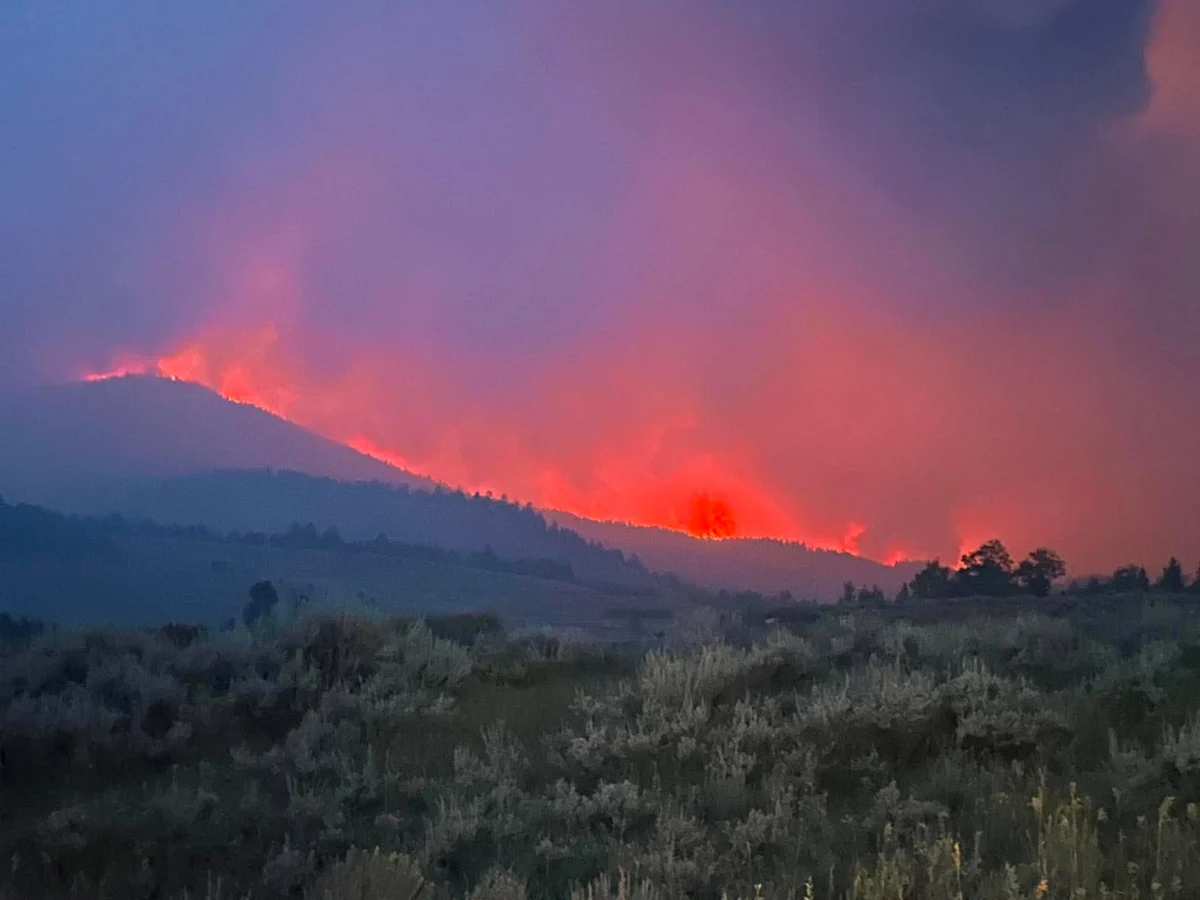
Beaverhead County, Montana – A devastating wildfire, identified as the Sand Creek Fire, has ravaged the beloved Maverick Mountain ski area in Beaverhead County, Montana, consuming over two-thirds of the resort’s operational terrain and tragically destroying its sole chairlift. The blaze, which ignited on August 1, has plunged the tight-knit mountain community into mourning and uncertainty, with rebuilding efforts projected to require significant fundraising. This destructive event is compounded by the ongoing threat from the Bobcat Lakes Fire, which has kept the region under heightened alert since July 31. Both wildfires remain uncontained, with their origins currently under investigation by relevant authorities.
The loss of Maverick Mountain represents a profound blow to the cultural and recreational fabric of southwestern Montana. For generations, the mom-and-pop ski area has served as a vital gathering place, a training ground for countless local children and adults, and a charming stop along the scenic byway. Its intimate atmosphere and accessible slopes fostered a deep sense of community, making its current state of devastation all the more heartbreaking for residents and visitors alike.
A Community’s Gathering Place Engulfed by Flames
Maverick Mountain, a cherished institution in Beaverhead County, has long been more than just a ski resort; it has been a cornerstone of local identity. Its status as a "mom-and-pop" operation underscored its personal touch and deep roots within the community. The Sand Creek Fire’s aggressive advance has decimated the very essence of what made Maverick Mountain special, leaving behind a landscape scarred by wildfire and a community grappling with the magnitude of their loss.
Katie Thornton, a Beaverhead County community member, articulated the collective sentiment of devastation in a statement to SKI magazine. "It may take a large fundraising effort to rebuild Maverick Mountain," she stated. "It is such a tight-knit community, and we are all devastated to see our gathering place where so many of our children—and we—have learned to ski and snowboard. [Maverick Mountain] has always been so important to all of the small communities surrounding it, and a fun stop on the scenic byway." Her words echo the deep emotional connection residents have to the mountain, a place where winter memories were forged and cherished.
Chronology of a Growing Threat
The Sand Creek Fire was first reported on August 1, marking the beginning of a destructive path that would soon engulf Maverick Mountain. Just days prior, on July 31, the Bobcat Lakes Fire ignited, creating a dual threat that has stretched the resources of local fire management agencies. The Sand Creek Fire, particularly, has shown a relentless progression, spreading southeastward, fueled by prevailing northwest winds. This strategic movement has placed critical infrastructure and natural resources directly in its path.
As of the latest reports, the Sand Creek Fire has consumed approximately 20,000 acres, while the Bobcat Lakes Fire has burned nearly 9,000 acres. The lack of containment on both fronts indicates the formidable challenge firefighters are facing in controlling these rapidly spreading blazes. The investigation into the causes of both fires is ongoing, a standard procedure in such incidents to determine origin and potentially identify any contributing factors, whether natural or human-induced.
Beyond the Slopes: Wider Impact on Local Recreation and Ecosystems
The inferno’s reach extends far beyond the ski slopes of Maverick Mountain. The fires have encroached upon other vital recreational areas, most notably the popular Elkhorn Hot Springs. This cherished natural attraction, along with its adjacent cabins, has been forced into an evacuation zone, underscoring the widespread impact of the wildfires. The proximity of these fires to established recreational sites highlights the critical need for proactive fire management and public safety measures.
The Beaverhead-Deerlodge National Forest, in a statement shared via Facebook, provided crucial updates on the fires’ behavior. The Sand Creek Fire’s southeastward trajectory, driven by winds, poses a significant threat to the surrounding wilderness and any structures in its path. Meanwhile, the Bobcat Lakes Fire is reportedly advancing towards the Pioneer Mountains, an area known for its rugged beauty and ecological significance. The movement of these fires into these sensitive regions raises concerns about potential long-term environmental damage, including habitat destruction and watershed impact.
The Economic and Social Ramifications
The destruction of Maverick Mountain’s sole chairlift and the extensive loss of terrain represent a severe economic blow to the immediate area. Ski resorts, even small ones, are significant drivers of local economies, supporting jobs in operations, hospitality, and retail. The loss of a season’s operation, or even multiple seasons, could have cascading effects on businesses that rely on the influx of winter sports enthusiasts.
Furthermore, the loss of Maverick Mountain as a community hub will undoubtedly have social consequences. In smaller, rural communities, such gathering places are invaluable for fostering social cohesion and providing recreational opportunities for residents of all ages. The absence of this focal point may lead to increased isolation and a diminished sense of community spirit, particularly during the winter months.
Resilience and the Road Ahead
Despite the overwhelming devastation, the spirit of the Maverick Mountain community remains a beacon of hope. The reference to a potential "large fundraising effort" signifies a commitment to rebuilding, even in the face of such monumental challenges. This echoes the historical resilience of mountain communities, which have often faced adversity and emerged stronger through collective action and shared determination.
The SKI magazine article titled "Welcome to Maverick, Where Skiing Is Still a Way of Life" serves as a poignant reminder of the resort’s intrinsic value, not just as a commercial enterprise, but as a place where the soul of skiing endures. The current situation presents an unprecedented test of that enduring spirit.
The implications of these wildfires extend beyond Beaverhead County. Across the Western United States, increasing frequency and intensity of wildfires are becoming a stark reality, driven by a confluence of factors including climate change, prolonged drought conditions, and forest management practices. The events at Maverick Mountain serve as a microcosm of a larger, pressing issue that demands comprehensive strategies for fire prevention, mitigation, and adaptation.
As this story continues to evolve, the focus remains on the safety of residents, the efforts of the brave firefighters on the ground, and the long-term recovery of Maverick Mountain and its surrounding community. The path to rebuilding will be arduous, but the deep-seated connection to this cherished ski area suggests that the community will rally together to restore what has been lost, ensuring that the legacy of Maverick Mountain can continue for future generations. The immediate future will likely involve extensive damage assessments, ongoing firefighting operations, and the initial steps in mobilizing support for what will undoubtedly be a significant undertaking. The resilience of this mountain community will be tested, but their shared history and deep affection for Maverick Mountain offer a powerful foundation for recovery.
