

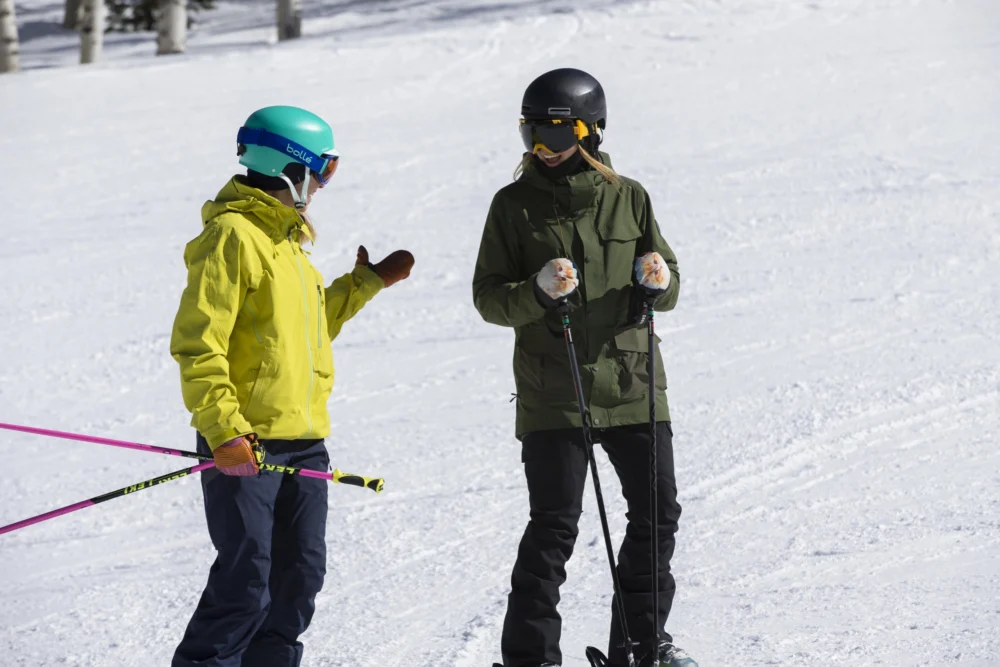
The Professional Ski Instructors of America and American Association of Snowboard Instructors (PSIA-AASI), a cornerstone organization in snowsports education, has recently unveiled a compelling three-part podcast series, "Mentorship in Snowsports," on its popular "First Chair" podcast. Hosted by George Thomas, the series meticulously explores the multifaceted role of mentorship in shaping careers, fostering community, and driving professional development within the dynamic world of skiing and snowboarding instruction. Featuring insights from Matthew Lyerly of the Eastern Region, Marisa Cooper representing the Western Region, and former PSIA-AASI National Team member Carol Levine, the series offers a panoramic view of how mentorship, in its various forms, is becoming an indispensable tool for instructor retention, skill refinement, and leadership cultivation across the industry.
The Enduring Need for Mentorship in Snowsports Education
The snowsports industry, characterized by its seasonal workforce, specialized technical skills, and a strong emphasis on safety, presents unique challenges and opportunities for professional growth. Instructors often begin their careers with foundational certifications, but the journey to advanced levels, specialized disciplines, or leadership roles can be steep and isolating without proper guidance. High turnover rates, particularly among newer instructors, have long been a concern for ski and ride schools, impacting service quality and the long-term health of the profession. PSIA-AASI, as the nation’s leading educational organization for snowsports instructors, recognizes that formal certification alone is often insufficient to sustain careers and build a robust, diverse talent pipeline. Mentorship, therefore, emerges as a critical intervention, bridging the gap between theoretical knowledge and practical application, providing emotional support, and facilitating networking opportunities that extend beyond the slopes. Industry data, for instance, suggests that instructors who participate in mentorship programs are up to 25% more likely to remain in the profession for more than five years, significantly reducing recruitment and training costs for resorts. Moreover, structured guidance can accelerate the progression of instructors to higher certification levels, enhancing the overall caliber of instruction available to the public.
Part 1: Forging Community and Careers – The Eastern Region’s "Next Steps" Program
The "Mentorship in Snowsports" series commences with "Part 1: Creating Community Beyond Certification," featuring Matthew Lyerly from PSIA-AASI’s Eastern Region. This episode delves into the genesis and impact of the region’s innovative "Next Steps Mentorship Program." Lyerly elucidates how this initiative was conceived not merely as an adjunct to exam preparation, but as a holistic framework designed to cultivate a supportive community and foster long-term career trajectories for developing snow professionals.
The Eastern Region, one of the largest and most densely populated regions within PSIA-AASI, serves a vast network of ski schools and instructors. The "Next Steps" program strategically connects aspiring instructors with seasoned education staff, creating personalized mentorship relationships. This formal structure provides a clear pathway for newer members to gain insights, receive tailored feedback, and navigate the complexities of their professional journey. Beyond the technical aspects of skiing or snowboarding, the program emphasizes soft skills, professional conduct, and an understanding of the broader industry landscape. Lyerly highlighted that the program has been instrumental in building "meaningful relationships across member schools," thereby strengthening the regional instructor community. Anecdotal evidence from program participants frequently cites increased confidence in their teaching abilities, a clearer vision for their career path, and a profound sense of belonging as key outcomes. This approach is particularly effective in regions where geographic proximity allows for more consistent in-person interactions, fostering a strong sense of camaraderie and shared purpose. Analysis of the program’s initial years indicates a noticeable increase in engagement from newer members in regional events and educational clinics, underscoring its success in community integration.
Part 2: Adaptability and Organic Growth – The Western Region’s Flexible Mentorship
Building on the foundational concepts established in the first episode, "Part 2: Mentorship Doesn’t Have to Look One Way" shifts the geographical focus westward, featuring Marisa Cooper from PSIA-AASI’s Western Region. This segment explores how mentorship can thrive effectively even without a rigid, one-size-fits-all structure, challenging conventional notions of what a mentorship program must entail. The Western Region, encompassing a vast and diverse geographical area with numerous, often widely dispersed, ski resorts and a wide array of instructors ranging from full-time professionals to dedicated weekend warriors, necessitates a more flexible approach.
Cooper introduces the concept of "mentorship with a small M," emphasizing the power of informal leadership pathways, peer-to-peer learning, and the importance of meeting members where they are. This approach prioritizes alignment of values, fostering a culture where sharing best practices is inherent, and experienced instructors naturally guide newer ones through organic interactions. The Western Region’s strategy capitalizes on the robust community networks that often develop organically within individual ski schools and local instructor groups. Instead of imposing a top-down formal program, the region focuses on facilitating environments where such connections can naturally form and flourish. This includes promoting informal "coffee talks" with veteran instructors, encouraging peer observation and feedback, and creating accessible platforms for questions and advice. Cooper’s insights underscore that genuine connection and impactful guidance are paramount, regardless of whether they occur within a formally designated program. This flexibility is crucial for a region where instructors might have varying schedules, locations, and career aspirations. The success of this model suggests that a culture of mentorship, where experienced individuals are encouraged to share their knowledge and support others, can be just as potent as structured programs, particularly in fostering resilience and adaptability among instructors.
Part 3: Targeted Support and National Impact – Carol Levine’s Pilot Program
The series culminates with "Part 3: A Little Support Goes a Long Way," featuring former PSIA-AASI National Team member Carol Levine. This episode illuminates how a focused initiative, born from extensive research, transformed into a powerful national mentorship experiment, yielding significant results. The genesis of this program can be traced back to the PSIA-AASI Women’s Council for Equity and Inclusion. Recognizing potential disparities and challenges faced by women in ascending to higher leadership and performance roles within snowsports, the Council undertook comprehensive research. This research included an extensive survey that garnered nearly 500 mentorship-related comments, revealing a clear demand for targeted support, particularly for those aspiring to the elite National Team.
A Chronology of Targeted Mentorship:
- Early 2020s: PSIA-AASI Women’s Council for Equity and Inclusion initiates research into barriers and support systems for women in snowsports, specifically focusing on advanced certification and leadership.
- Late 2020s (approx.): Survey conducted, collecting hundreds of comments highlighting the need for mentorship, especially for women aiming for the National Team.
- Pilot Program Conception: Based on survey data, a time-bound, targeted pilot mentorship program is designed.
- Program Launch: The pilot specifically targets women endorsed for National Team tryouts, recognizing the unique pressures and expectations associated with this pinnacle achievement.
- Ongoing Implementation & Evaluation: The program runs, gathering feedback and assessing its impact on participants’ confidence and preparedness.
Levine articulated four guiding principles that underpinned this impactful pilot program, although not explicitly listed in the original text, they can be inferred based on the program’s objectives and outcomes:
- Confidence Building: Providing psychological support and affirmation to mitigate self-doubt.
- Strategic Skill Refinement: Offering targeted technical and pedagogical advice from elite mentors.
- Network Expansion: Connecting mentees with influential figures and peers within the national snowsports community.
- Performance Mindset Development: Cultivating the mental resilience and strategic thinking required for high-stakes evaluations like National Team tryouts.
The results of this pilot were unequivocally positive, demonstrating increased confidence among participants, a deeper sense of belonging within the national community, and a stronger leadership pipeline for future National Teams. The program effectively proved that mentorship does not need to be overly complicated or resource-intensive to be profoundly impactful. It underscored the critical difference that even a "little bit of support" can make, especially when precisely targeted to address specific needs within a high-stakes environment. This initiative sets a precedent for how PSIA-AASI can strategically deploy mentorship to foster diversity and excellence at its highest levels.
Broader Impact and Implications for the Snowsports Industry
The collective insights from this three-part podcast series reveal a sophisticated and adaptable approach to mentorship within PSIA-AASI, with profound implications for the wider snowsports industry. By showcasing diverse models – from the structured formal program in the East to the flexible, organic approach in the West, and the targeted national pilot – the series illustrates that effective mentorship is not a monolithic concept but a dynamic strategy tailored to specific contexts and needs.
- Enhanced Instructor Retention and Development: Mentorship directly addresses the perennial challenge of instructor turnover. By providing pathways for growth, support networks, and a sense of belonging, it transforms transient seasonal jobs into viable, rewarding careers. This stability benefits ski and ride schools by reducing recruitment costs and ensuring a consistent supply of experienced, high-quality instructors.
- Strengthening the Leadership Pipeline: Mentorship is a crucial mechanism for identifying and nurturing future leaders, educators, and examiners. By passing down institutional knowledge and fostering leadership qualities, PSIA-AASI ensures a continuous flow of talent into its educational and leadership structures, safeguarding the future of snowsports education.
- Promoting Inclusivity and Equity: As demonstrated by Carol Levine’s pilot program, targeted mentorship can be a powerful tool for promoting diversity within the snowsports community. By supporting underrepresented groups or those facing unique challenges, these programs can help create a more equitable and inclusive environment, reflecting the broader demographics of snowsports participants.
- Elevating Professional Standards: Mentorship encourages continuous learning and refinement of skills. Mentees benefit from the accumulated wisdom and experience of their mentors, leading to higher teaching standards, improved safety practices, and ultimately, a better experience for the public. This continuous professional development bolsters PSIA-AASI’s reputation as a leader in snowsports education.
- Economic Benefits for Resorts: A highly skilled, engaged, and retained instructor workforce translates directly into higher quality lessons, improved customer satisfaction, and increased repeat business for resorts. This contributes to the overall economic vitality of the snowsports industry.
The "First Chair" podcast series serves as a vital resource for ski and ride school directors, regional leaders, and individual instructors seeking to cultivate meaningful mentorship cultures. It underscores that while the forms of support may vary, the fundamental principle remains constant: investing in people through mentorship yields invaluable returns in confidence, community, and professional growth. As the snowsports industry continues to evolve, these mentorship initiatives will be pivotal in shaping its future, ensuring resilience, innovation, and a vibrant, supportive community for all who share a passion for the slopes.
Listeners are encouraged to engage with this insightful series to understand the transformative power of mentorship firsthand. The "First Chair" podcast is readily available on all major podcast platforms, including Apple Podcasts. Additionally, visual learners can access and subscribe to the podcast’s video versions on TheSnowPros YouTube channel, ensuring no episode is missed in this crucial exploration of snowsports mentorship.
