

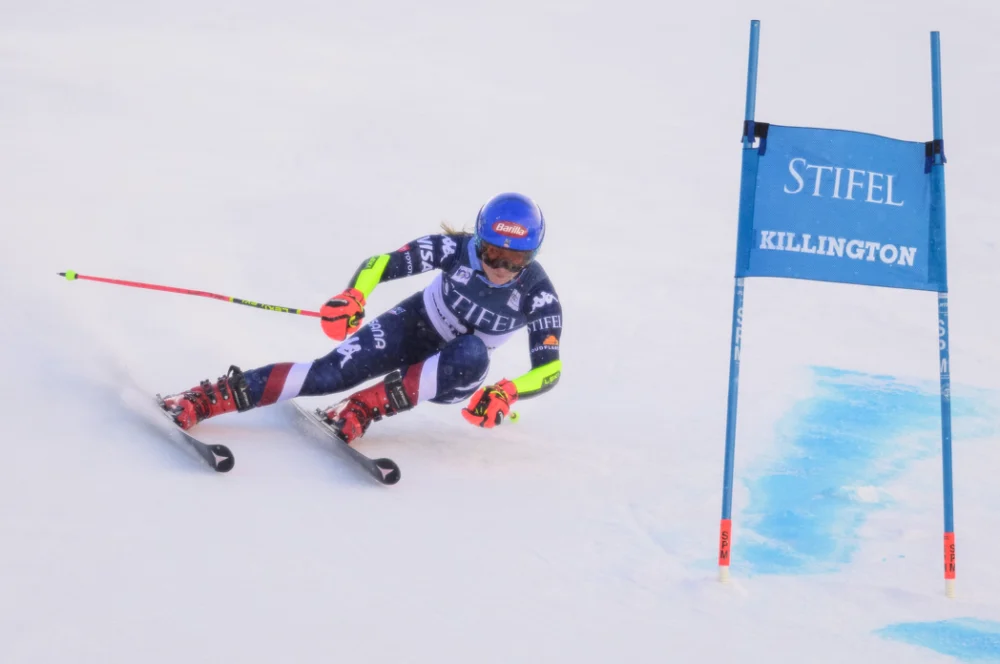
The 2026 Winter Olympic Games, set to unfold in the picturesque Italian Alps of Milano Cortina this February, are poised to deliver a spectacle rich with compelling narratives, groundbreaking athletic achievements, and significant implications for the future of snow sports. From the audacious return of American alpine skiing icon Lindsey Vonn at the age of 41, navigating the high-stakes world of Super-G and downhill racing with a partially replaced knee, to the highly anticipated Olympic debut of dual moguls and ski mountaineering, the upcoming Games promise an exhilarating blend of tradition and innovation, action and inspiration. Beyond the thrill of competition, the event offers a unique "teaching bonanza" for snow sports professionals, providing an unparalleled opportunity for real-time movement analysis of the world’s elite winter athletes.
Milano Cortina 2026: A Dual Host City Vision
The choice of Milano Cortina as the host for the XXV Olympic Winter Games marks a significant moment, representing a dual-city approach that leverages existing infrastructure and promotes sustainability. Milan, Italy’s economic and fashion capital, will host the ice sports, while Cortina d’Ampezzo, a renowned Dolomite ski resort with a rich Olympic history (having hosted the 1956 Winter Games), will be the primary hub for alpine and sliding events. This geographical spread aims to showcase Italy’s diverse winter sports landscape while minimizing new construction, aligning with the International Olympic Committee’s Agenda 2020 reforms for more cost-effective and sustainable Games. The vision for Milano Cortina 2026 emphasizes environmental responsibility, economic legacy, and a vibrant cultural experience for athletes and spectators alike. Preparations have been underway for years, involving extensive logistical planning, infrastructure upgrades, and a coordinated effort across various Italian regions to ensure a seamless and memorable event.
Lindsey Vonn’s Audacious Return: A Test of Grit and Legacy
One of the most compelling storylines drawing global attention is the comeback bid of Lindsey Vonn. A titan of alpine skiing, Vonn retired in 2019 as the most decorated female skier in World Cup history, with 82 victories, four overall World Cup titles, and three Olympic medals, including a gold in downhill at Vancouver 2010. Her decision to return to the highly demanding and dangerous disciplines of Super-G and downhill at 41, especially after undergoing a partial knee replacement, is unprecedented in modern alpine skiing.
Vonn’s motivation, according to sources close to her camp, stems from an unyielding passion for the sport and a desire to prove the limits of human resilience. "I’ve always believed that you define your own boundaries, not your age or past injuries," Vonn reportedly stated during a recent training camp. "This isn’t just about winning; it’s about pushing myself to see what’s possible and inspiring others to chase their dreams, no matter the obstacles." Her training regimen has been meticulously crafted, focusing on strength, agility, and meticulous rehabilitation, designed to withstand the immense forces exerted during high-speed racing, where skiers can reach speeds exceeding 130 km/h. Her presence alone will undoubtedly elevate viewership and add a layer of emotional depth to the women’s speed events, potentially challenging younger competitors and cementing her status as one of sport’s most enduring figures.
New Olympic Horizons: Dual Moguls and Ski Mountaineering
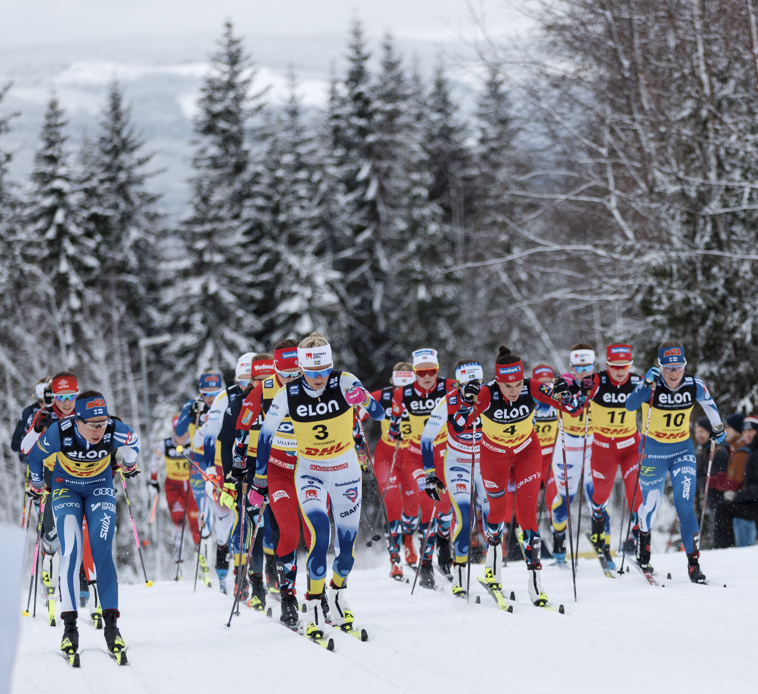
Milano Cortina 2026 will also mark a significant expansion of the Olympic program with the inclusion of two dynamic new disciplines: dual moguls and ski mountaineering. These additions reflect the IOC’s ongoing efforts to refresh the Games, appeal to younger audiences, and embrace sports with growing global participation.
Dual Moguls: This thrilling freestyle skiing event pits two athletes against each other simultaneously on parallel mogul courses, combining speed, technical precision over bumps, and aerial tricks. While single moguls has been an Olympic discipline since 1992, dual moguls introduces a direct head-to-head competitive element, enhancing excitement and spectator engagement. The format demands not only individual mastery but also strategic racing, adding another layer of intensity. Its inclusion follows years of success in World Cup circuits, where it has consistently delivered dramatic finishes.
Ski Mountaineering (Skimo): Perhaps the most anticipated new sport, ski mountaineering makes its full Olympic debut after a successful youth Olympic appearance in Lausanne 2020. Skimo is an endurance sport that combines uphill skiing (often involving climbing with skis on packs), downhill skiing, and sometimes short sections of hiking or climbing on foot. Athletes compete across varied mountain terrain, emphasizing both physical prowess and technical skill in navigating challenging environments. The sport’s origins are deeply rooted in alpine culture, and its Olympic inclusion highlights a broader trend towards showcasing sports that connect deeply with natural landscapes and demand a comprehensive range of mountain skills. The Olympic program will likely feature individual, sprint, and possibly mixed relay events, showcasing the diverse facets of this demanding sport. Its addition is expected to draw a new demographic of athletes and fans, further diversifying the Winter Games’ appeal and spotlighting the incredible athleticism required to conquer high-altitude, technical terrain.
The Snow Pros’ Edge: Leveraging Olympic Movement Analysis
Beyond the medal counts and dramatic finishes, the 2026 Games present an unparalleled educational opportunity for snow sports instructors worldwide. For members of professional organizations like the Professional Ski Instructors of America and American Association of Snowboard Instructors (PSIA-AASI), the Olympics serve as a live laboratory for advanced movement analysis (MA). Watching the world’s best athletes arc across the snow offers invaluable insights into the nuances of human movement, biomechanics, and technical execution at the highest level.
"This is our quadrennial professional development seminar, live on television," remarks a spokesperson for PSIA-AASI. "The ability to observe minute details in technique, balance, and energy management from athletes who have perfected their craft under immense pressure is gold. It allows our instructors to refine their understanding of elite movement patterns and, crucially, translate those advanced concepts into digestible lessons for students of all abilities." High-speed camera footage, slow-motion replays, and expert commentary during broadcasts will empower instructors to dissect performances, identify optimal movement solutions, and bridge the gap between Olympic aspirations and everyday instruction.
Giant Slalom: The Mother of All Turns Through a Technical Lens
A.J. Oliver, a PSIA Alpine Team Member, emphasizes the foundational importance of Giant Slalom (GS) for both viewing pleasure and technical insight. Often dubbed the "mother of all turns," GS showcases a blend of speed, rhythm, and precise edge control.
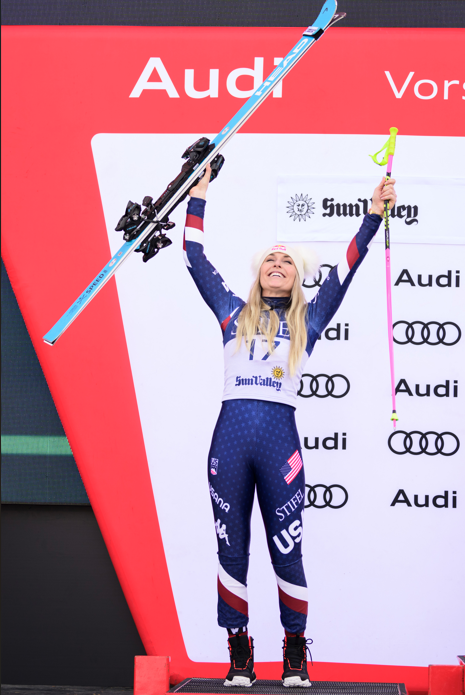
How to Watch: Oliver advises focusing on the finish of the turn. Elite GS skiers demonstrate an effortless transition, releasing their skis early and cleanly from the previous edge to initiate the next turn smoothly. This early release, critical for maintaining speed and flow, differentiates top performers from those who get "stuck" on their old edges, appearing sluggish. "When you see a skier carry speed and direction out of a turn, setting up perfectly for the next gate without any wasted motion, that’s the hallmark of a truly fast giant slalom run," Oliver explains. Mikaela Shiffrin, a two-time Olympic gold medalist and arguably the greatest alpine skier of all time, exemplifies this mastery. Her fluid transitions and unparalleled ability to generate power through the fall line are a masterclass in GS technique. Shiffrin will be a prime contender for her second Olympic gold in GS at Milano Cortina, building on a career that boasts a record number of World Cup victories across multiple disciplines.
Technical Advantage: Instructors can observe key technical elements applicable across all skill levels. Oliver highlights the importance of a stable upper body, a balanced stance, and continuous movement. "These athletes aren’t static," he notes. "They are constantly aligning to and balancing on the new ski early in the turn, creating a shape higher up on the course. This strategic positioning allows them to release the skis cleanly and efficiently, setting them up with optimal direction for the next gate." This continuous, dynamic engagement is a hallmark of high-level skiing.
Student Application: While students may not be aiming for Olympic gold, the underlying principles are universal. Many beginner to intermediate skiers struggle with releasing old edges and moving dynamically down the hill. By demonstrating how a stable core, balanced posture, and proactive movement translate to easier edge release and greater confidence, instructors can help students progress. "The ‘aha!’ moment for a student often comes when they realize that freeing their old edges isn’t about brute force, but about subtle shifts in balance and continuous flow, much like what they see in an Olympic GS racer," Oliver concludes.
Snowboard Halfpipe: Precision, Power, and Flow
Cori Lambert, an AASI Snowboard Team Member, champions the snowboard halfpipe as a must-watch event, recognizing its blend of extreme athleticism and technical finesse. It remains one of snowboarding’s most iconic and demanding disciplines, requiring immense strength, accuracy, and unwavering style.
How to Watch: The Superpipe, with its colossal 22-foot walls and 64-foot width, is a marvel of engineering and a canvas for aerial artistry. Qualification for the Olympics is a grueling process through FIS World Cup events and World Championships, demanding consistent top-tier performance. Riders execute a sequence of spins, flips, and grabs, often soaring 20 feet or more above the lip. Chloe Kim, the youngest woman to win Olympic snowboarding gold at PyeongChang 2018 and a two-time gold medalist, epitomizes the blend of power and grace required. Her amplitude, rotation, and flawless landings have redefined the sport, and she will undoubtedly be a central figure in Milano Cortina.
Technical Advantage: The halfpipe is a masterclass in precise technical riding. Lambert notes the preference for longer, full-camber boards among elite riders, which provide superior edge control, contact, and stability crucial for explosive takeoffs and smooth landings. Line choice is paramount; the angle and path a rider takes into and out of the wall directly influence their height and ability to execute complex tricks. The manipulation of DIRT (Duration, Intensity, Rate, and Timing) is fundamental. "Elite riders adjust the DIRT of their movements – how long they hold an edge, how intensely they engage it, the speed of their rotation, and the precise timing of their takeoffs and landings – to maximize airtime, rotation, and overall flow," Lambert explains. This sophisticated control allows for the seamless execution of multiple consecutive tricks.
Student Application: The foundational skills for halfpipe riding, such as accurate carving and dynamic body movements, are directly transferable to recreational snowboarding. Teaching students to analyze line choice and understand the importance of tilt and edge control throughout a curved surface is beneficial not just for the halfpipe, but for mastering various carving techniques, from euro carves to navigating icy conditions. "Even without access to a Superpipe, students can build a strong foundation by focusing on carving mastery and understanding how board choice impacts performance," Lambert asserts. The lessons learned from watching halfpipe pros – about body position, edge engagement, and dynamic rhythm – can elevate any snowboarder’s skills.
Beyond the Featured Events: A Panorama of Olympic Excellence
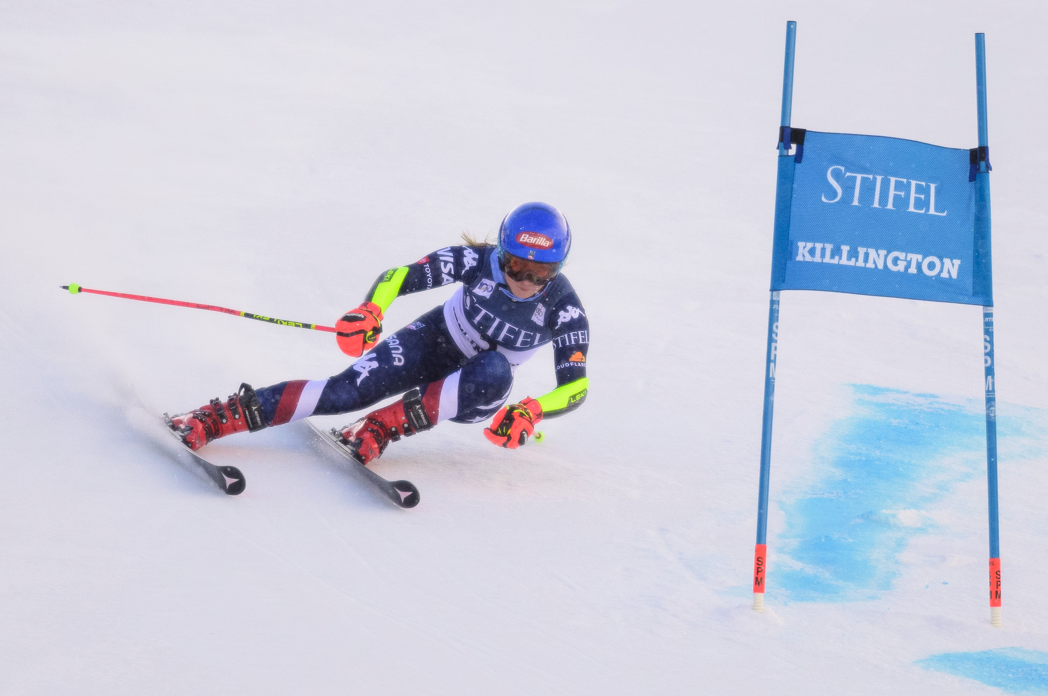
While Vonn, Shiffrin, and Kim headline the alpine and freestyle narratives, Milano Cortina 2026 will feature a vast array of disciplines, each with its own compelling stories. In alpine skiing, expect fierce competition in slalom, downhill, and Super-G, with rising stars challenging established champions. Nordic events—cross-country skiing, ski jumping, and Nordic combined—will showcase incredible endurance and daring athleticism. Freestyle skiing and snowboarding will also include slopestyle, big air, and aerials, pushing the boundaries of creativity and daring. The Games will also highlight the precision and power of bobsled, luge, and skeleton, the grace of figure skating, the strategic battles of curling, and the intensity of ice hockey. Each event offers a microcosm of human endeavor, rich with technical lessons and inspiring performances.
The Enduring Legacy and Future of Winter Sports
The 2026 Winter Olympics in Milano Cortina will be more than just a competition; they will be a testament to the evolution of winter sports. The inclusion of new disciplines like ski mountaineering reflects a global shift towards embracing sports that connect deeply with nature and demand diverse athletic skills, potentially inspiring a new generation of mountain athletes. Lindsey Vonn’s comeback, regardless of the outcome, will forever stand as a beacon of courage and determination, challenging perceptions of age and physical limitations in elite sport. The consistent excellence of athletes like Mikaela Shiffrin and Chloe Kim will continue to set new benchmarks and inspire countless young individuals to pursue their dreams on snow and ice.
For snow sports professionals, the Games serve as a powerful catalyst for continuous learning and refinement of instructional techniques. By dissecting the performances of the world’s best, instructors gain invaluable tools to enhance their teaching, ultimately enriching the experience for students learning to navigate the mountains. As the world turns its eyes to Italy, Milano Cortina 2026 is poised to deliver a legacy of sporting excellence, technical innovation, and profound inspiration, shaping the trajectory of winter sports for years to come.
