

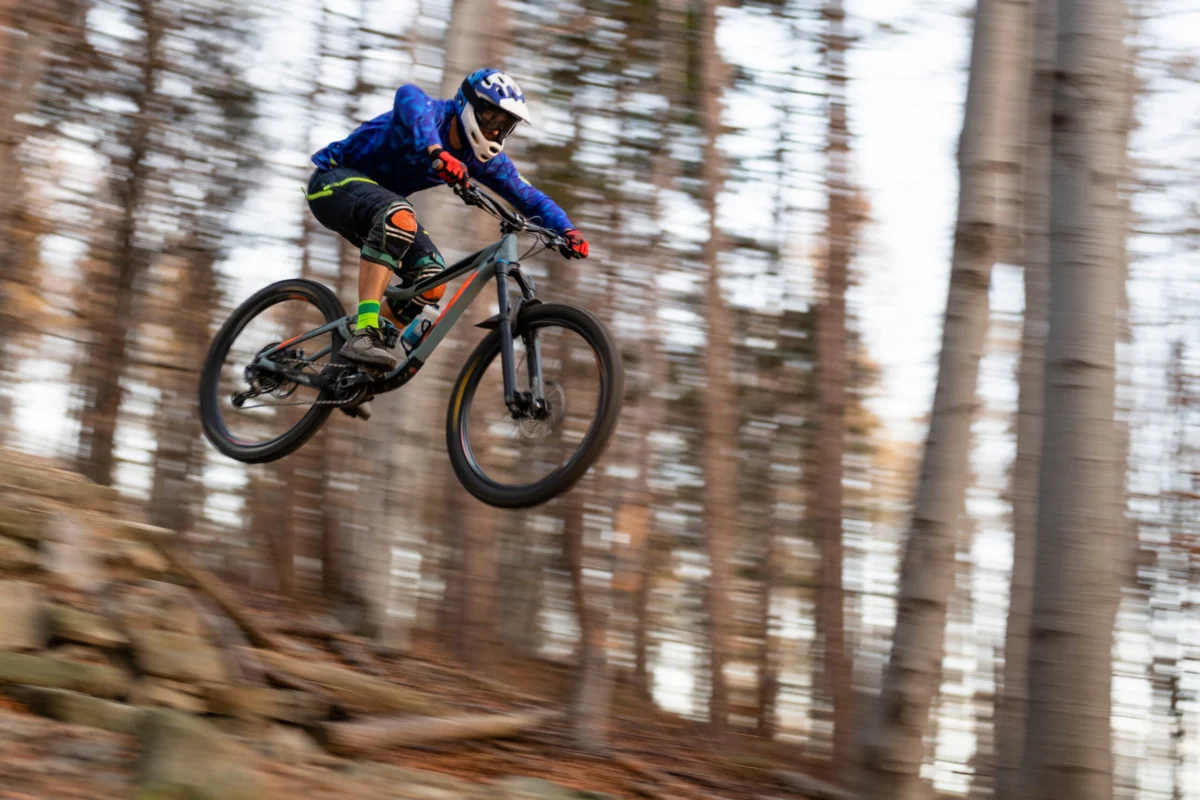
The roar of tires on dirt and the cheers of an eager crowd will soon fill the Wasatch Mountains as the Monster Energy Pro Downhill Series gears up for its highly anticipated return to Solitude Mountain Resort. From July 17th to 19th, 2026, Solitude will play host to Round 3 of the prestigious series, drawing some of North America’s most formidable downhill mountain bikers. This event marks a pivotal moment in the 2026 season, with elite professional racers, promising junior talents, and dedicated amateur competitors converging to tackle "Holy Schist," Solitude’s custom-built, notoriously challenging downhill track. With crucial championship points on the line and the USA Cycling Gravity National Championships looming on the horizon, this weekend serves as a critical proving ground for athletes aiming to build and carry essential momentum into one of the year’s most significant competitions.
The Thrill of the Descent: Understanding Downhill Mountain Biking
Downhill mountain biking is a discipline that pushes the boundaries of human skill, courage, and machine engineering. Unlike other cycling disciplines, downhill racing is a pure test of speed and nerve, where riders navigate treacherous courses at breakneck speeds, often exceeding 60 miles per hour. The objective is simple: complete the designated course in the shortest possible time. However, the execution is anything but. Racers must contend with a barrage of natural and man-made obstacles, including steep descents, technical rock gardens, root-strewn sections, massive jumps, and bermed corners, all while maintaining control and finding the fastest possible line.
The format of a downhill race typically involves practice sessions, seeding runs, and final race runs. During practice, riders meticulously scout the course, often walking sections to identify the optimal lines and assess the risks associated with each feature. They analyze braking points, apexes, and take-off and landing zones. Seeding runs are used to establish the starting order for the final race, with faster riders typically going later in the day to ensure optimal track conditions. The final race run is where it all counts. Each rider gets one chance to lay down their fastest time, and the pressure is immense. There is no room for error; a single mistake – a missed braking point, a clipped tree, a momentary lapse in concentration – can cost precious seconds and ultimately, the race. This unforgiving nature is precisely what makes downhill racing so exhilarating for both participants and spectators, offering a raw and immediate display of athletic prowess.
Solitude Mountain Resort: A Premier Downhill Venue
Solitude Mountain Resort, nestled within the stunning Wasatch Mountains of Utah, has rapidly emerged as a premier destination for gravity mountain biking. Its challenging terrain and commitment to developing world-class downhill tracks have made it a favored stop on the professional circuit. "Holy Schist," the resort’s signature downhill course, is a testament to this dedication. Designed to test the mettle of even the most seasoned riders, Holy Schist is a dynamic blend of natural elements and expertly crafted features. It demands technical prowess through its challenging rock gardens and tight, winding chutes, while also rewarding bravery with high-speed sections and formidable jumps that launch riders into the air.
The development of Holy Schist exemplifies Solitude’s strategic investment in the mountain biking community. Over the years, resorts across North America have increasingly recognized the economic and recreational value of developing robust mountain bike programs. This trend has led to significant investments in trail building, lift infrastructure, and event hosting, transforming many ski resorts into year-round mountain biking destinations. The Monster Energy Pro Downhill Series, by selecting Solitude, acknowledges the resort’s capacity to host a top-tier event and its commitment to providing a challenging and exciting venue that pushes the sport forward. The location itself, with its dramatic mountain scenery and high-altitude air, adds another layer of challenge and spectacle to the competition.

The 2026 Season Context: A Critical Juncture
The 2026 Monster Energy Pro Downhill Series season is shaping up to be one of the most competitive yet. With three rounds already completed prior to this event, the championship standings are becoming increasingly clear, but any number of riders could still emerge victorious. Round 3 at Solitude is particularly significant because it falls in close proximity to the USA Cycling Gravity National Championships. This timing means that many top athletes will be using the Solitude event as a final tune-up, a chance to dial in their race setups, test new lines, and gain crucial race-day experience on a demanding course that mirrors the challenges they will face at Nationals.
The stakes are exceptionally high for riders vying for championship points. A strong performance at Solitude can solidify a rider’s position at the top of the standings, providing a psychological advantage and a tangible lead as the series heads into its final stages. Conversely, a disappointing result could create a significant deficit, making it an uphill battle to recover in the remaining events. For junior and amateur categories, this event offers a vital opportunity to gain exposure, test their abilities against a higher caliber of competition, and potentially attract the attention of sponsors and national team selectors. The pressure to perform is amplified by the knowledge that each second shaved off their time could mean the difference between podium glory and a missed opportunity.
The Weekend’s Action-Packed Schedule
The Monster Energy Pro Downhill Series event at Solitude Mountain Resort is meticulously planned to offer a comprehensive experience for athletes and spectators alike. The three-day event unfolds with a structured progression, building anticipation towards the final race runs.
Friday, July 17th: Practice and Course Familiarization
The weekend kicks off on Friday with dedicated practice sessions. This is the crucial period where riders get their first taste of Holy Schist in a race context. They will be seen meticulously dissecting the course, often multiple times, to refine their lines, test their suspension settings, and build confidence on the challenging terrain. Friday is about information gathering and initial setup adjustments, laying the groundwork for the demanding days ahead.
Saturday, July 18th: Seeding Runs and Final Preparations
Saturday is a pivotal day, featuring the all-important seeding runs. These timed runs determine the starting order for Sunday’s finals. Riders will push harder than during practice, aiming to secure a favorable position in the start list. A good seeding run not only offers a strategic advantage but also provides valuable feedback on their performance and equipment. The afternoon will likely involve further minor adjustments and rest, as athletes conserve energy for the ultimate challenge.
Sunday, July 19th: Race Day – The Ultimate Test
Sunday is the climax of the event, dedicated to the final race runs. Competitors will drop in one by one, battling the clock and the formidable Holy Schist course. Each rider’s run is a high-stakes performance, a culmination of weeks of training and preparation. The atmosphere will be electric as the crowd witnesses gravity-defying feats and nail-biting finishes. The day will conclude with an awards ceremony, celebrating the winners and acknowledging the incredible efforts of all participants.

The Unforgiving Nature of Downhill: A Test of Precision
The inherent difficulty of downhill mountain biking lies in its absolute lack of margin for error. Unlike disciplines where drafting, tactical passing, or regrouping are possible, downhill racing is a solitary battle against gravity and the clock. Once a rider pushes off the start ramp, there is no opportunity to recover from a mistake. Every berm must be hit perfectly, every rock navigated with precision, and every jump cleared with the correct trajectory. A single miscalculation can lead to a crash, a significant time loss, or even a race-ending incident.
This unforgiving nature demands an extraordinary level of mental fortitude and physical control. Riders must possess an almost preternatural ability to read the terrain, anticipate changes, and react instantaneously. They spend countless hours honing their skills, developing the muscle memory and reflexes necessary to handle the immense forces and speeds involved. The "no room for error" mantra is not just a catchy phrase; it’s the fundamental reality of the sport, making every successful run a triumph of skill, preparation, and sheer determination. This is why the sport captivates audiences – it’s a direct, unadulterated display of human capability pushed to its absolute limit.
Holy Schist: A True Championship Test
"Holy Schist" is more than just a name; it’s a reputation. This purpose-built downhill track at Solitude Mountain Resort has quickly cemented its status as one of the most demanding and respected venues on the Monster Energy Pro Downhill Series calendar. Its design is a masterful concoction of challenges that cater to every facet of a downhill racer’s skillset. The course features steep, technical chutes that require pinpoint accuracy and nerve, interspersed with loose, treacherous rock gardens that can easily unseat an unwary rider. High-speed sections demand unwavering focus and a brave commitment to maintaining momentum, while large, sculpted jumps offer moments of exhilarating airtime.
The creation of such a track is a complex undertaking, requiring expert trail builders who understand the nuances of gravity sports. They must balance the need for challenging features with the imperative of rider safety, ensuring that the course is as fair as it is formidable. The success of Holy Schist lies in its ability to reward the most committed and skilled riders while punishing any hesitation or lack of precision. Even the most accomplished professionals will spend the week leading up to the event meticulously refining their lines, building confidence with each practice lap, and developing a deep understanding of the mountain’s nuances. Yet, the mountain always retains an element of unpredictability, a humbling force that can quickly remind even the fastest racers of the respect this sport demands.
A Resurgence for American Downhill Racing
The Monster Energy Pro Downhill Series has become instrumental in the resurgence and elevation of downhill mountain biking in the United States. In recent years, the sport has seen a significant increase in popularity, driven by dedicated event organizers, passionate athletes, and a growing fanbase. The series provides a much-needed platform for domestic talent, offering a consistent and professional racing environment that allows American riders to hone their skills and compete against the best in the world without having to travel internationally for every major event.
By bringing top-tier professional racing to diverse locations across the country, the series not only showcases the incredible talent within the U.S. but also inspires a new generation of riders. The visibility of these events helps to grow the sport’s appeal, encouraging more participation at grassroots levels and fostering a stronger cycling culture. The event at Solitude is a prime example of this broader impact. It serves as a crucial juncture for championship contenders, a demanding test for all competitors, and a vibrant spectacle for fans who can witness firsthand the incredible skill and bravery required to excel in downhill racing. As the dust settles at Solitude, the outcomes will not only shape the season’s championship narrative but also contribute to the ongoing story of American downhill racing’s ascent on the global stage. The future of the sport looks bright, fueled by events like these and the unwavering dedication of its athletes and organizers.
