

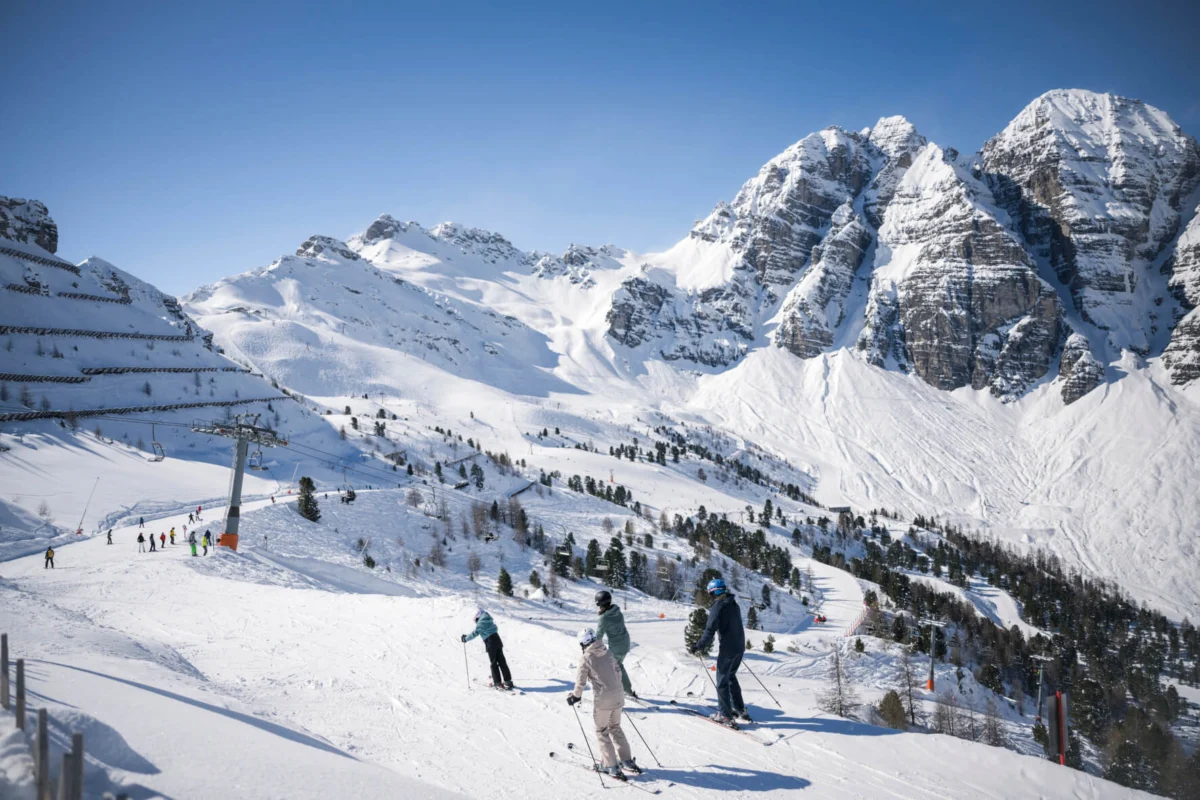
The aspiration of a world-class ski experience, once broadly accessible, has increasingly become a luxury. In the mid-20th century, a day on the slopes at a prominent Maine resort like Sunday River might have equated to merely a few hours of an entry-level worker’s wages. This historical benchmark starkly contrasts with the present reality, where the cumulative expenses—encompassing gear, sustenance, lift tickets, and accommodation—have witnessed an exponential surge across major ski destinations globally, particularly in North America, Canada, and Australia. However, a distinct economic landscape prevails in the European Alps, offering a compelling alternative for budget-conscious enthusiasts. While these iconic mountain ranges have not been entirely immune to inflationary pressures, the rate of cost escalation has demonstrably lagged behind their counterparts across the Atlantic and Pacific, preserving a degree of accessibility that is increasingly rare in the contemporary ski industry.
This affordability gap, coupled with the expansive reach of multi-resort season passes such as the Epic, Ikon, and Indy Passes, has fundamentally reshaped the economics of international ski travel. These passes, by covering a significant portion of lift access across continents, effectively mitigate one of the most substantial expenses for many travelers, thereby unlocking the potential for a European ski vacation at a fraction of what a comparable trip might cost domestically. Indeed, for a meticulously planned journey, achieving a daily expenditure of under $100 (excluding airfare) for an Alpine ski trip is not merely a hypothetical scenario but a tangible reality, especially when lift access is already secured through a season pass. Such figures are virtually unheard of in high-demand North American resorts, underscoring the unique value proposition of the Alps. This enduring affordability is rooted in a confluence of factors, including diverse economic structures, a deeply integrated public transportation network, and a distinct cultural approach to hospitality and leisure.
The Shifting Landscape of Ski Accessibility
The post-war era witnessed a boom in ski tourism, particularly in North America, driven by technological advancements in lifts and snowmaking, coupled with increasing leisure time and disposable income. Resorts, often developed on private land, rapidly scaled up, attracting investment and, in turn, higher operational costs. This commercialization, while enhancing the quality and quantity of skiing available, gradually shifted the sport from a regional pastime to a premium recreational activity. By the 21st century, consolidation of ownership, particularly by large corporations, further contributed to rising prices, with single-day lift tickets at some major U.S. resorts exceeding $200-$300 during peak season. This trajectory has led to a growing perception that skiing is an increasingly exclusive pursuit, prompting many to seek alternatives abroad.
In contrast, many European Alpine resorts, particularly those in countries like France, Italy, and Austria, evolved from centuries-old mountain communities. Land ownership structures, often involving communal or state-owned land, and a greater emphasis on integrated public services, have kept certain costs in check. Furthermore, the European cultural fabric often prioritizes local commerce and varied accommodation options, from luxury hotels to family-run guesthouses and hostels, catering to a broader economic spectrum.
Strategic Destination Selection: Unlocking Alpine Value
The bedrock of a budget-friendly Alpine ski trip lies in the informed selection of one’s destination. Within the Alpine crescent, a discernible hierarchy of affordability exists: Italy typically leads the pack in terms of value, followed by France, then Austria, and finally Switzerland, which generally represents the pinnacle of expense. This gradient is not merely anecdotal but is supported by empirical observations across various cost categories.
While many international travelers might intuitively surmise Switzerland to be more expensive than Italy, the sheer magnitude of the price disparity often goes underestimated. Data suggests that across key expenditure areas—lodging, groceries, dining out, and even lift passes—costs in Italy frequently hover between 50 to 75 percent of those in Switzerland. This substantial difference is amplified when examining specific everyday staples. A high-quality Italian espresso, a cultural cornerstone, typically costs around $1.50, a stark contrast to the $5 or more one might pay for a comparable coffee in Switzerland. Similarly, a freshly baked baguette in France can be acquired for approximately $1.50, whereas a loaf of bread in Switzerland might command upwards of $5, often without matching the artisanal quality found elsewhere. These granular cost differences, compounded over the duration of a trip, translate into significant savings.
The Advantage of Off-Peak Travel: Embracing April in the Alps
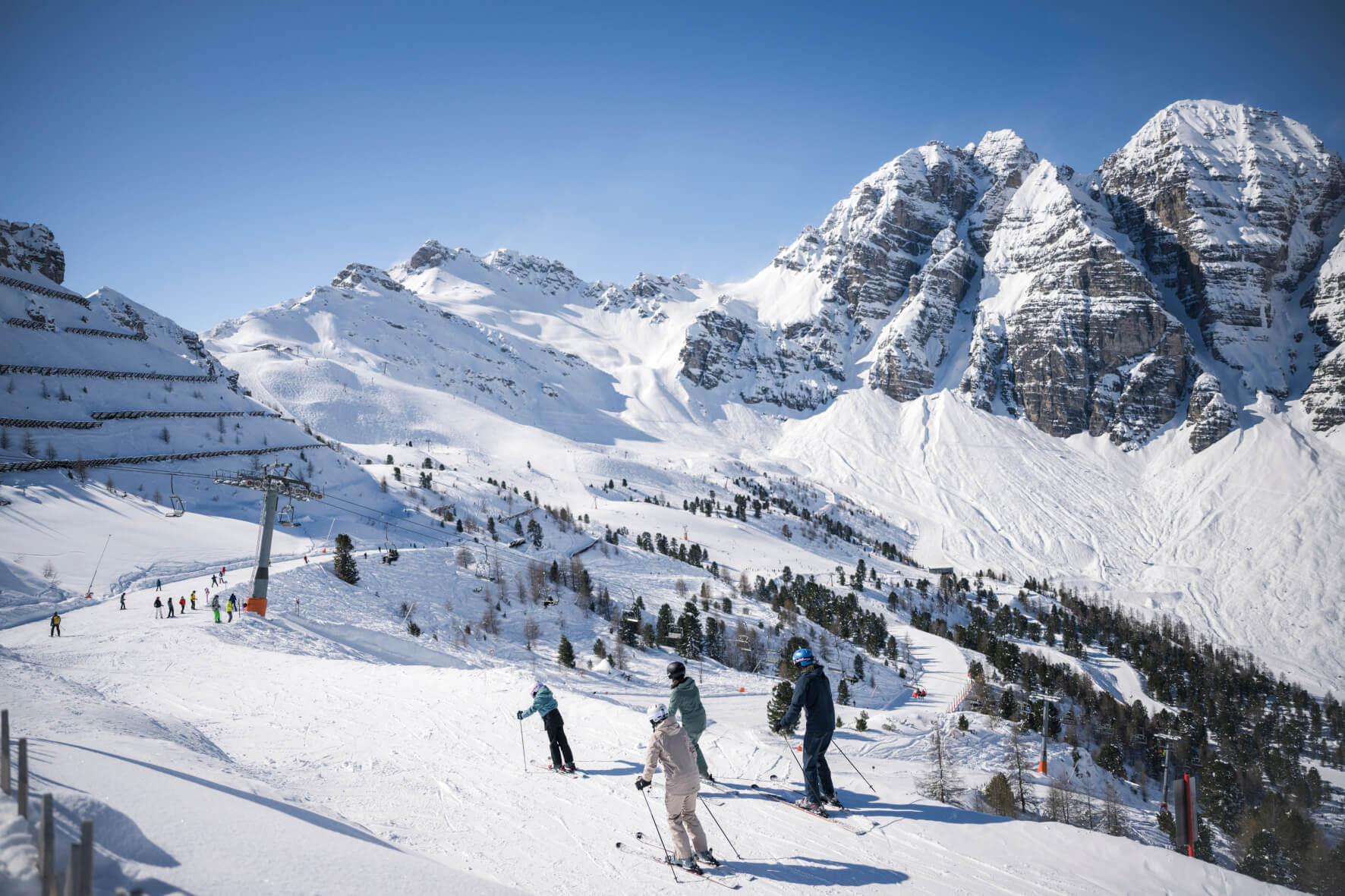
Timing is a critical determinant of cost in Alpine travel, and April emerges as a strategic "discount season." During this period, accommodation rates can plummet to as little as 50 percent of their high-season counterparts, and while lift passes may not see such drastic reductions, they are frequently offered at discounted rates. This seasonal adjustment is partly due to the perception that winter is winding down, yet the geographical and altitudinal characteristics of the Alps tell a different story.
Situated further north than many prominent North American ski resorts but boasting substantial elevations, the Alps often retain excellent snow cover well into spring. April can yield highly variable but frequently rewarding conditions: from classic spring corn snow under sunny skies to unexpected late-season cold storms that refresh the slopes. Resorts with high-altitude terrain, such as Chamonix, Zermatt, Les 3 Vallées, and Andermatt, are particularly resilient to spring thaws, often delivering some of the season’s best skiing. Meteorologically, the warmer spring air holds greater moisture content, increasing the potential for significant snowfall during cold fronts. This phenomenon is colloquially known in France as "Janvril," a portmanteau of "Janvier" (January) and "Avril" (April), signifying conditions reminiscent of mid-winter. While variability is a hallmark of April skiing—some years proving exceptional, others less so—this inherent unpredictability is precisely why prices are lower, offering a calculated risk for the adventurous budget traveler.
Mastering Mobility: Public Transportation and Alternative Travel
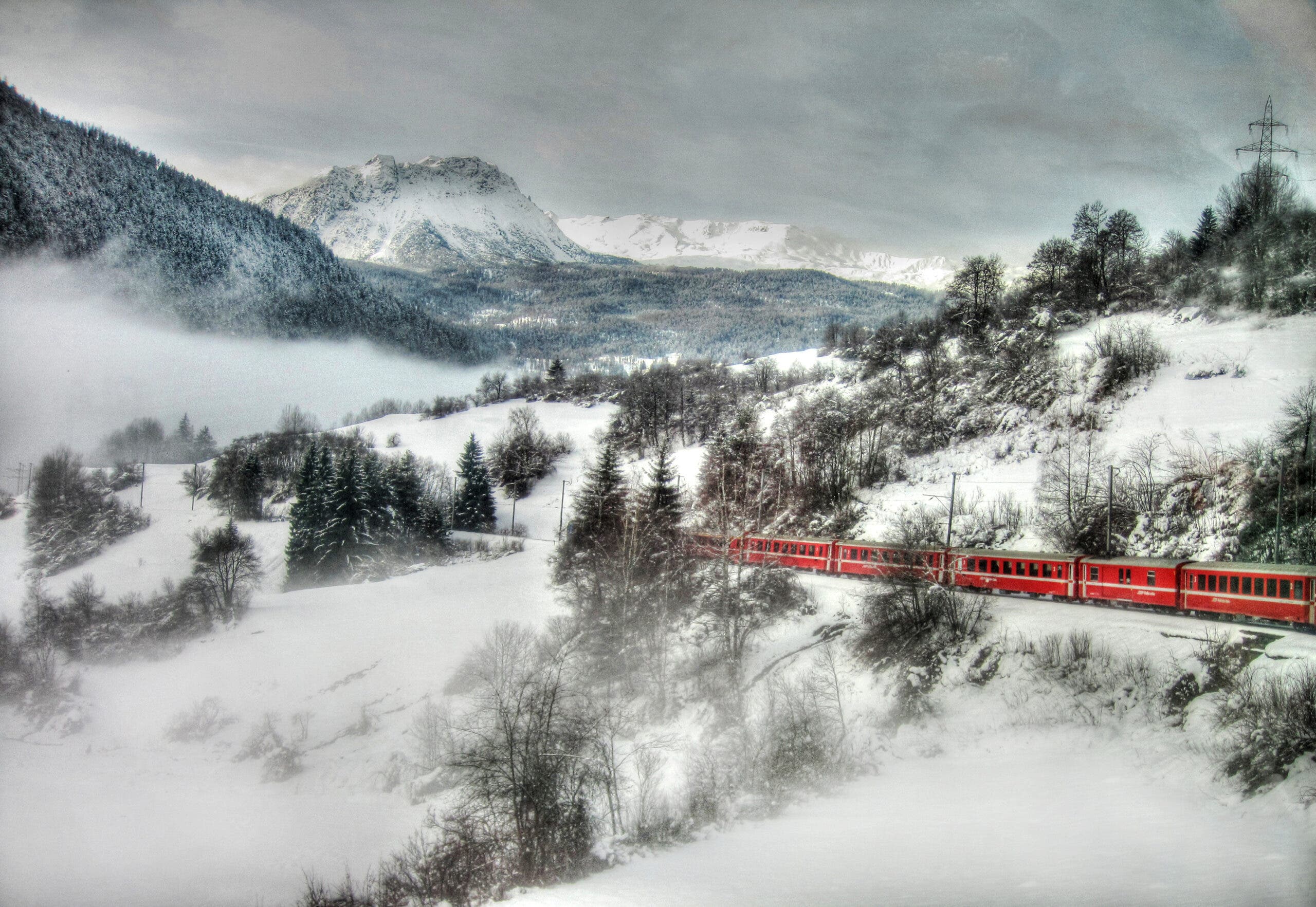
Europe’s public transportation infrastructure stands as a global exemplar, offering an efficient, reliable, and often scenic means of travel. While the romanticized image of cheap European train passes from past decades may no longer fully hold true, intercity rail networks remain excellent, though increasingly priced dynamically. For skiers, however, it is often the extensive bus networks that provide the most direct and economical access to mountain destinations.
Virtually every major Alpine resort, and indeed most smaller ones, is seamlessly integrated into a comprehensive bus system. Consider the route from Geneva Airport to Chamonix: a bus ticket can range from $10 to $30, a fraction of the $100-plus cost for a shared airport shuttle, whose sole advantage is direct hotel drop-off. Private shuttles, offering peak convenience, can command prices between $200 and $300. European buses defy the negative stereotypes sometimes associated with bus travel elsewhere; they are consistently clean, comfortable, punctual, and equipped with modern amenities, with tickets readily purchasable online. This robust network eliminates the need for expensive private transfers, significantly reducing the overall travel budget.
For those seeking an even more adventurous and cost-effective approach, BlaBlaCar, a popular European ride-sharing platform, offers an unparalleled "Euro life hack." This service connects drivers with passengers looking to share vehicle space and travel costs, providing a hyper-affordable alternative to conventional transport. While it requires building a profile and potentially navigating interactions in a foreign language—a task made considerably easier by modern translation tools—it offers a unique cultural immersion opportunity, doubling as an informal language lesson for multilingual aspirants.
Conversely, for families or groups, renting a car can paradoxically offer savings and enhanced flexibility. While a suitable vehicle for snowy conditions, capable of transporting ski gear, might cost upwards of $500 per week, splitting this cost among several individuals can make it a viable option. The primary benefit of a rental car is the freedom to choose accommodation outside the immediate vicinity of ski lifts, allowing access to less expensive and often more authentic villages that are not directly served by public transport. This trade-off between direct access and expanded accommodation options can yield significant overall savings.
Optimizing Air Travel: The Gateway to the Alps
Securing an affordable transatlantic flight is the initial, often most significant, hurdle in planning an Alpine ski trip. Savvy travelers leverage tools like Google Flights’ "Explore" feature, which allows users to input their origin, desired dates, and flight filters, then visually browse all available options within a broad geographical area, such as the European Alps. This enables identification of less conventional, often cheaper, entry points.
Expanding the search beyond primary hubs to a diverse array of regional airports—including Turin, Milan, Geneva, Innsbruck, Salzburg, Munich, Lyon, and Grenoble—can uncover substantial savings. These airports, while perhaps requiring an additional train or bus connection, are often closer to specific ski regions and may benefit from lower landing fees or different airline pricing structures, especially with budget carriers. A comprehensive search strategy that considers multiple departure and arrival points is paramount to minimizing airfare costs.
Strategic Gear Management: Leave Your Skis at Home
For many international ski travelers, the decision to leave personal skis and poles at home represents a significant financial and logistical advantage. Unless one possesses highly specialized or custom-fitted equipment, bringing only ski boots and renting skis and poles at the destination is a widely recommended strategy.
Firstly, airline baggage fees for oversized sports equipment can be substantial, often exceeding the cost of a week’s rental. Many budget airlines, in particular, do not include checked baggage in their basic fares, making the additional cost of a ski bag prohibitive. Eliminating this expense alone can easily offset rental costs for one, if not two, weeks.
Secondly, the logistical challenge of transporting bulky ski bags, especially when utilizing public transportation, is considerable. The convenience of a door-to-door shuttle, often priced five times higher than public transit, directly reflects the hassle involved. Traveling light facilitates seamless navigation of buses and trains, allowing for greater flexibility and adherence to a budget.
Thirdly, for those drawn to the off-piste allure of European skiing, the likelihood of encountering rocks and damaging bases is higher. Renting equipment shifts the risk of damage to the rental provider, preserving one’s personal gear.
Finally, the quality of rental equipment in Europe is consistently high. Unless an individual owns top-tier powder skis or specific high-performance bindings, it is often possible to find superior or at least perfectly adequate performance rentals at Alpine shops, ensuring an enjoyable experience without the burden of personal equipment transport.
Accommodation Innovations: Hostels and Apartment Rentals
The concept of "hostel" often carries unwarranted connotations for many North American travelers, yet European hostels, particularly in ski towns, are a cornerstone of budget travel and social engagement. Far from being merely cheap dormitories, modern Alpine hostels offer clean, safe, and vibrant environments, often with amenities like communal kitchens, drying rooms, and common areas conducive to meeting fellow travelers. Prices typically range from $30-$60 per night in Italy, France, and Austria, making them the most economical choice for solo travelers or small groups. Many hostels now also offer private rooms, providing a balance of privacy and the social benefits of a communal setting. Safety measures, including female-only dormitories and secure storage, are standard.
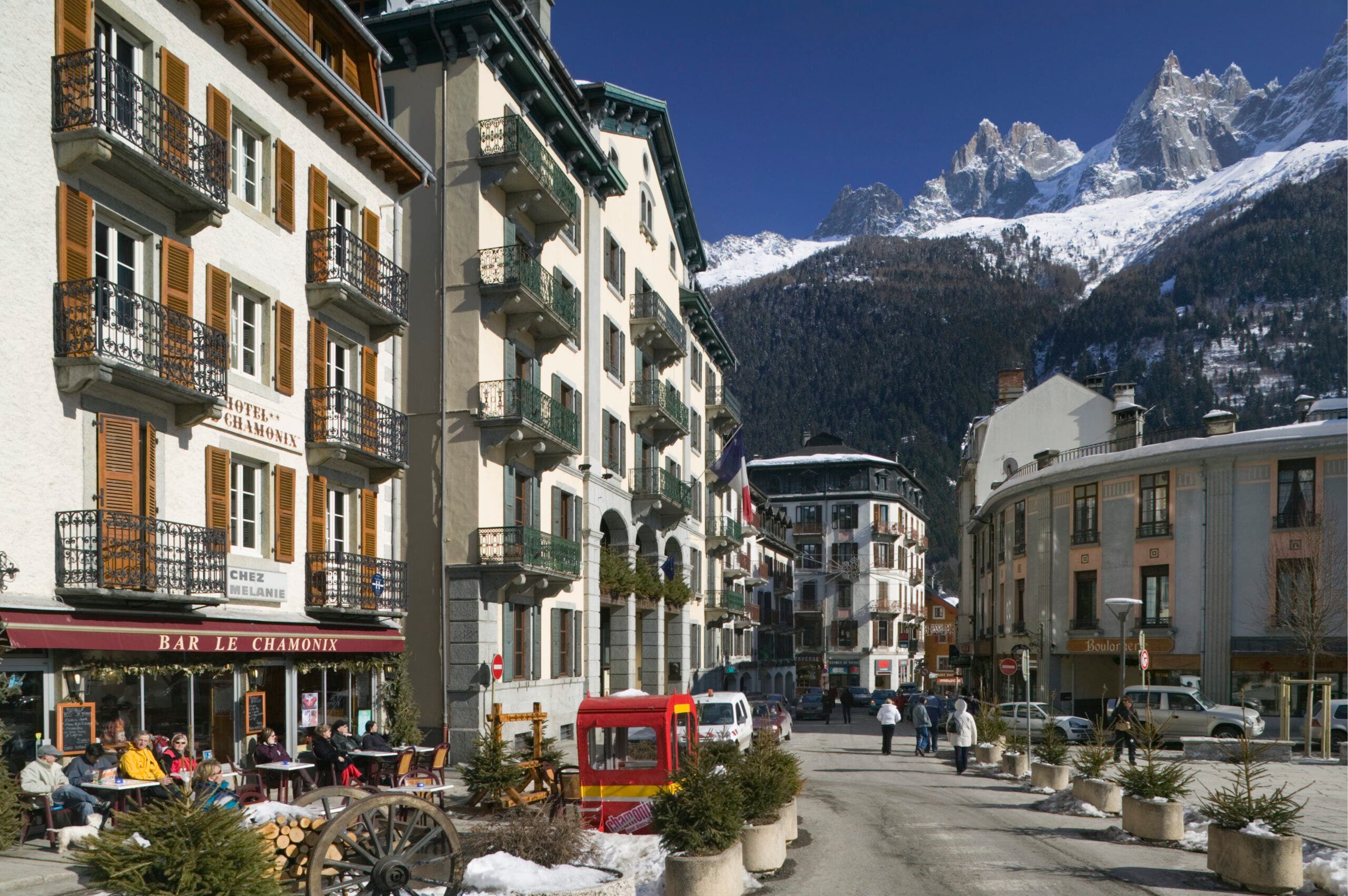
Notable ski towns, including major Epic and Ikon destinations such as Chamonix, Les 3 Vallées, Zermatt, and Andermatt, all feature well-regarded hostels. Even in exclusive resorts like St. Moritz, a hostel offers a relatively affordable option at around $80 per night—a remarkable value in an otherwise opulent locale. Travelers should be aware of regional nomenclature, such as "gîtes" in France or "ostellos" in Italy, which refer to similar dormitory-style accommodations.
For families or groups, apartment rentals present an even more cost-effective and comfortable alternative to hotels. Widely available across all Alpine regions, these accommodations often provide full kitchens, allowing for significant savings on food costs. For instance, a weekend apartment rental in a smaller French Alpine town like Digne-Les-Bains could cost as little as $30 per person per night for a group. The ability to prepare one’s own meals not only reduces expenses but also offers a more authentic culinary experience, leveraging local markets and specialty shops. This option, when combined with a shared rental car, can dramatically reduce per-person costs for larger parties, facilitating access to more secluded and less expensive villages.
Culinary Economics: Self-Catering and Savvy On-Slope Dining
The adage "eating out every meal for a week is expensive and unhealthy" rings particularly true on a ski trip. Embracing self-catering is arguably one of the most impactful budget strategies. European grocery stores, bakeries, butchers, and cheese shops are often attractions in themselves, offering high-quality, fresh ingredients at prices significantly lower than restaurant meals. Preparing breakfast, packing lunches, and cooking dinners in an apartment or hostel kitchen can reduce food costs by 70-80% compared to dining out. This approach also allows for healthier eating, crucial for sustained energy on the slopes.
When dining on the mountain is unavoidable or desired, strategic choices can mitigate costs. In France, a popular and budget-friendly routine involves purchasing a freshly made baguette sandwich from a local bakery for $5-$7, a far cry from the often bland and overpriced ski resort cafeteria fare in other regions. These artisanal sandwiches, crafted with quality local cheeses and charcuterie, elevate a simple lunch into a gastronomic pleasure. In Italy, personal-sized pizzas, frequently cooked in wood-fired ovens, are ubiquitous and affordable. While off-mountain pizzerias might offer pies for $7-$8, on-mountain establishments typically charge $12-$14. These are generally high-quality, authentic creations, a stark contrast to highly processed fast food.
The Power of Connection: Meeting Fellow Travelers
Beyond the tangible cost savings, the social dimension of European ski travel offers invaluable, often serendipitous, benefits. In an increasingly digital world, the art of genuine human connection thrives in the Alps. For solo travelers especially, engaging with fellow skiers and riders can open doors to unexpected opportunities and shared experiences.
Travelers often find themselves in situations where others are willing to share resources—an empty seat in a car, a spare lift pass from an unwell companion, or surplus groceries before departure. These spontaneous acts of generosity, born from shared passion and communal spirit, can directly reduce costs. Anecdotal evidence abounds of travelers being offered a bed in someone’s home or forging friendships that lead to shared adventures, such as a successful ascent and ski descent of Mont Blanc by individuals who met in a Chamonix hostel. These connections not only enrich the travel experience but can also provide practical, budget-saving solutions, fostering lifelong friendships forged on foreign slopes.
Strategic Location: Commuting from Larger Towns and Satellite Villages
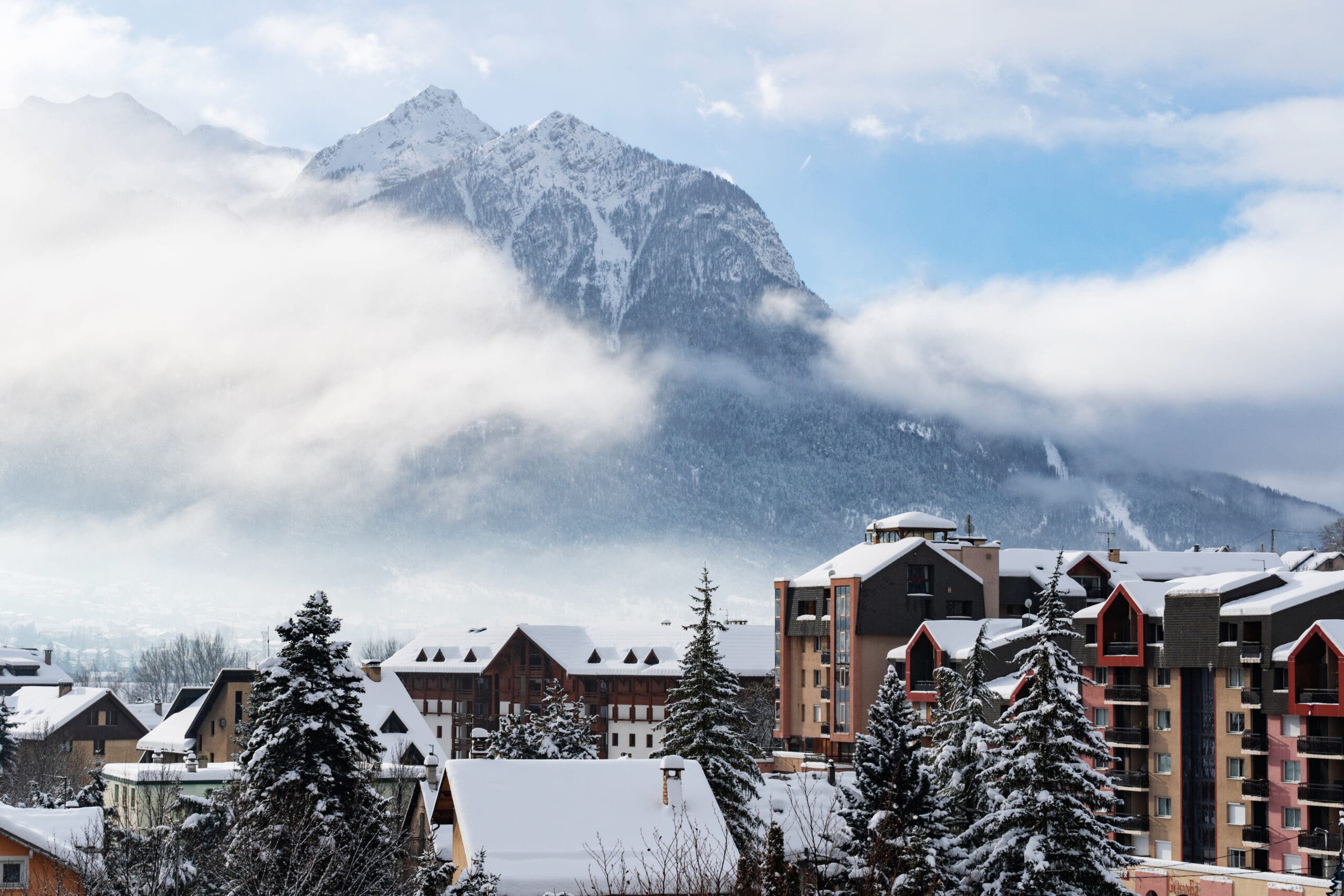
The extensive public transport networks in the Alps liberate skiers from the necessity of staying slopeside, a choice that invariably carries a premium price tag. Basing oneself in a larger, non-resort town and commuting daily to the slopes offers significant cost advantages. Towns such as Bourg St. Maurice, Bourg d’Oisans, Servoz, Briançon, and Aosta, though perhaps unfamiliar to many international visitors, serve as vibrant local hubs. While Briançon and Aosta boast their own ski areas, others are merely a short, convenient bus ride from world-class skiing.
Accommodation in these larger towns is consistently less expensive than in dedicated mountain resorts. Moreover, the cost of living in general—from ski rentals to restaurants and grocery stores—is typically a fraction of what one would pay in a mountain village market. This strategy allows travelers to immerse themselves in a more authentic local culture while accessing premium skiing at a reduced overall cost.
Similarly, many large Alpine resorts are comprised of several interconnected base villages. Often, the smaller, quieter satellite villages offer significantly more affordable accommodation options than the main, bustling hubs. Examples include Vallorcine near Chamonix, Allemond and Auris-en-Oisans near Alpe d’Huez, and Venosc near Les 2 Alpes. These villages provide excellent access to extensive lift networks without the inflated prices of the primary resort centers.
Beyond the Slopes: Integrating a Sightseeing Component
For American travelers, the allure of Europe’s grand capitals is often associated with summer vacations. However, extending a winter ski trip to include a city sightseeing component offers a multitude of advantages, particularly for the budget-conscious. Winter travel to major European cities typically means fewer crowds and a more authentic local experience, unburdened by peak-season tourist throngs.
Firstly, airfares to major metropolitan airports are generally less expensive than flights directly to smaller Alpine regional airports. By flying into a city like Paris, Rome, or Munich, and then utilizing Europe’s robust public transport to reach the Alps, travelers can often achieve significant savings on airfare. Secondly, accommodation in cities during the winter low season is also more affordable, complementing the savings found in the mountains. Thirdly, Europe has experienced increasingly severe summer heatwaves since 2022, making winter a far more comfortable and pleasant time to explore its historic cities. Lastly, the continent’s interconnected public transportation system ensures seamless travel from any major European city—be it Madrid, London, or Budapest—to the heart of the Alps, integrating cultural exploration with winter sports.
Exploring Beyond the Megapass: Discovering Hidden Gems
While the Epic and Ikon Passes offer undeniable value by covering lift access at select marquee resorts, an exclusive focus on these destinations can limit opportunities for deeper cultural immersion and greater savings. Many smaller, independent Alpine resorts, often not affiliated with global megapasses, offer a more authentic and significantly less expensive experience.
These "hidden gem" resorts, such as Italy’s Pila ski area (which is on the Indy Pass but also offers very affordable day tickets), frequently feature charming villages, fewer crowds, and a strong sense of local identity. Lift tickets at these smaller resorts are often a fraction of the cost of their larger, more famous counterparts, and the overall cost of living, from food to accommodation, tends to be lower. By venturing beyond the well-trodden paths of the megapass resorts, travelers can discover unique skiing experiences that deliver exceptional value and a truer taste of Alpine life.
The Economic Leverage of Longer Stays
The principle of "economies of scale" applies powerfully to ski travel. Extending the duration of an Alpine trip almost invariably leads to a lower per-day cost. Longer bookings for accommodation, car rentals, and even multi-day or multi-week lift passes often come with discounted rates compared to shorter stays. The fixed costs of international airfare and initial travel to the Alps are amortized over a greater number of days, reducing the daily expenditure average.
Furthermore, for individuals with remote work capabilities, the Alps offer an ideal environment. The time zone difference often allows for a full day of skiing, followed by logging on to work during North American business hours, effectively blurring the lines between vacation and productivity. This flexibility enables longer stays without exhausting vacation days, maximizing the value of the transatlantic journey.
In conclusion, while the golden age of universally cheap skiing may have receded, the European Alps steadfastly offer an avenue for accessible, world-class winter adventure. By meticulously planning destinations, capitalizing on off-peak seasons, utilizing robust public transport, embracing alternative accommodations, prioritizing self-catering, and cultivating social connections, budget-conscious enthusiasts can still experience the grandeur of Alpine skiing without financial extravagance. This approach often means trading the opulent amenities of luxury hotels for the raw beauty of vertical drops and gourmet dining for the simple pleasure of a high-speed gondola ride with a packed baguette. Yet, for those who play their cards right, the reward is an indelible tapestry of fresh tracks, breathtaking vistas, and memories that endure for a lifetime, proving that unparalleled ski experiences remain within reach.
