

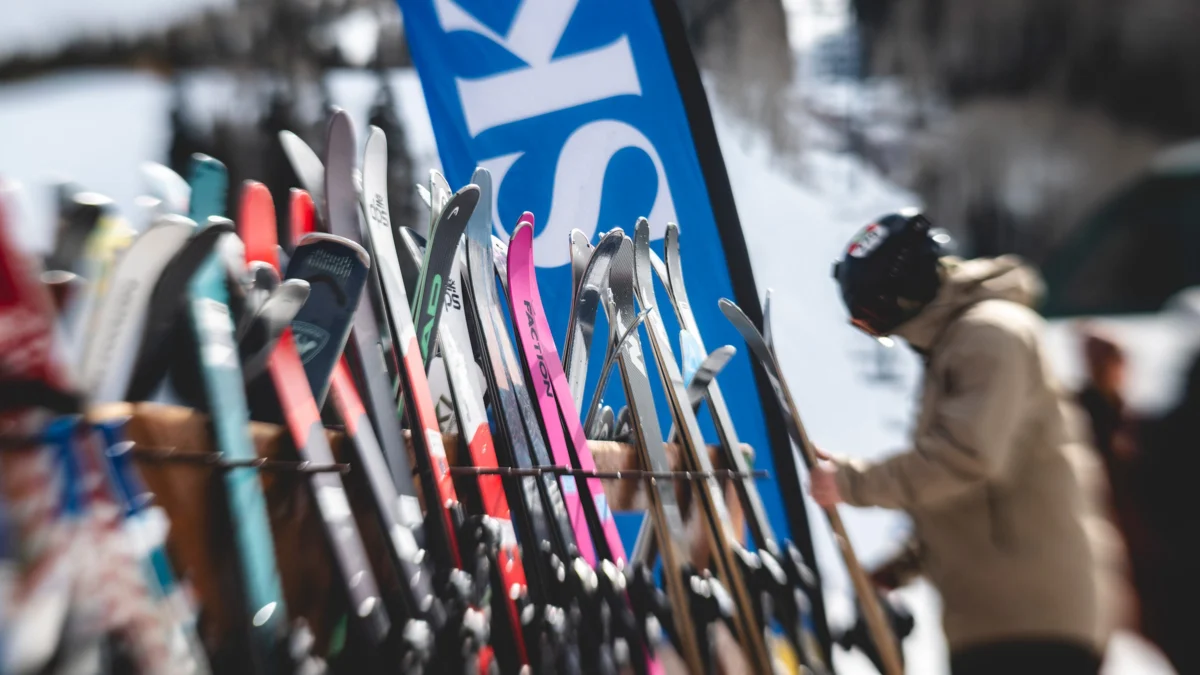
The middle of summer, often perceived as the off-season for winter sports enthusiasts, paradoxically marks a critical juncture in the ski industry’s annual cycle. As retailers prepare for the imminent arrival of next season’s inventory, a strategic clearance of current models takes center stage, offering astute consumers unparalleled opportunities to acquire high-performance ski gear at significantly reduced prices. This period is particularly noteworthy for the discontinuation of several prominent all-mountain ski models from the 2026 lineup, paving the way for entirely new designs set to debut for the 2027 season. While ski brands typically maintain discretion regarding outgoing models to avoid cannibalizing current sales, industry insights from events like the 2026 SKI Test in Deer Valley, Utah, provide a crucial early look at these impending shifts, allowing consumers to make informed purchasing decisions. This comprehensive overview delves into the specific skis being phased out, the strategic rationale behind these changes, and the implications for both skiers and the broader market.
The Annual Product Cycle and Drivers of Innovation in Ski Manufacturing
The ski industry operates on a meticulous annual product development and release cycle, mirroring many other seasonal consumer goods sectors. Typically, the design and testing phases for new models commence years in advance, with prototypes undergoing rigorous evaluation by professional skiers, engineers, and product development teams. Key industry events, such as the aforementioned SKI Test, which gathers experts and testers to evaluate upcoming models, play an instrumental role in refining designs and shaping market perceptions. These tests often occur in late winter or early spring, giving brands valuable feedback before finalizing production. By summer, production is well underway for the following season’s models, necessitating the clearance of older inventory.
This continuous cycle of innovation is driven by several factors: advancements in materials science, evolving ski techniques, changing consumer preferences, and the relentless pursuit of performance optimization. New core materials, composite laminates, binding interfaces, and manufacturing processes constantly push the boundaries of what skis can achieve. Furthermore, as skiing trends shift—from pure carving to freeride, park, or backcountry—brands must adapt their product lines to meet these emerging demands. The discontinuations observed for the 2026 models are not merely arbitrary decisions but rather calculated moves reflecting these dynamic forces within the competitive ski market.
Strategic Repositioning: Why Brands Phase Out Successful Models
The decision to discontinue a successful ski model, even a beloved "classic," is a complex strategic one, not a reflection of product failure. Instead, it often signals a brand’s strategic repositioning, a desire to introduce significant technological advancements, or an effort to streamline product lines for greater clarity in the market. Brands aim to strike a delicate balance: maintaining the loyalty of existing customers while attracting new ones with cutting-edge designs.
One primary reason for phasing out models is the integration of new technologies. A brand might develop a revolutionary construction method or a novel rocker/camber profile that fundamentally alters performance characteristics. Rather than simply updating an existing model incrementally, a complete redesign allows for a more cohesive application of these innovations, often accompanied by new nomenclature to signify the fresh approach.
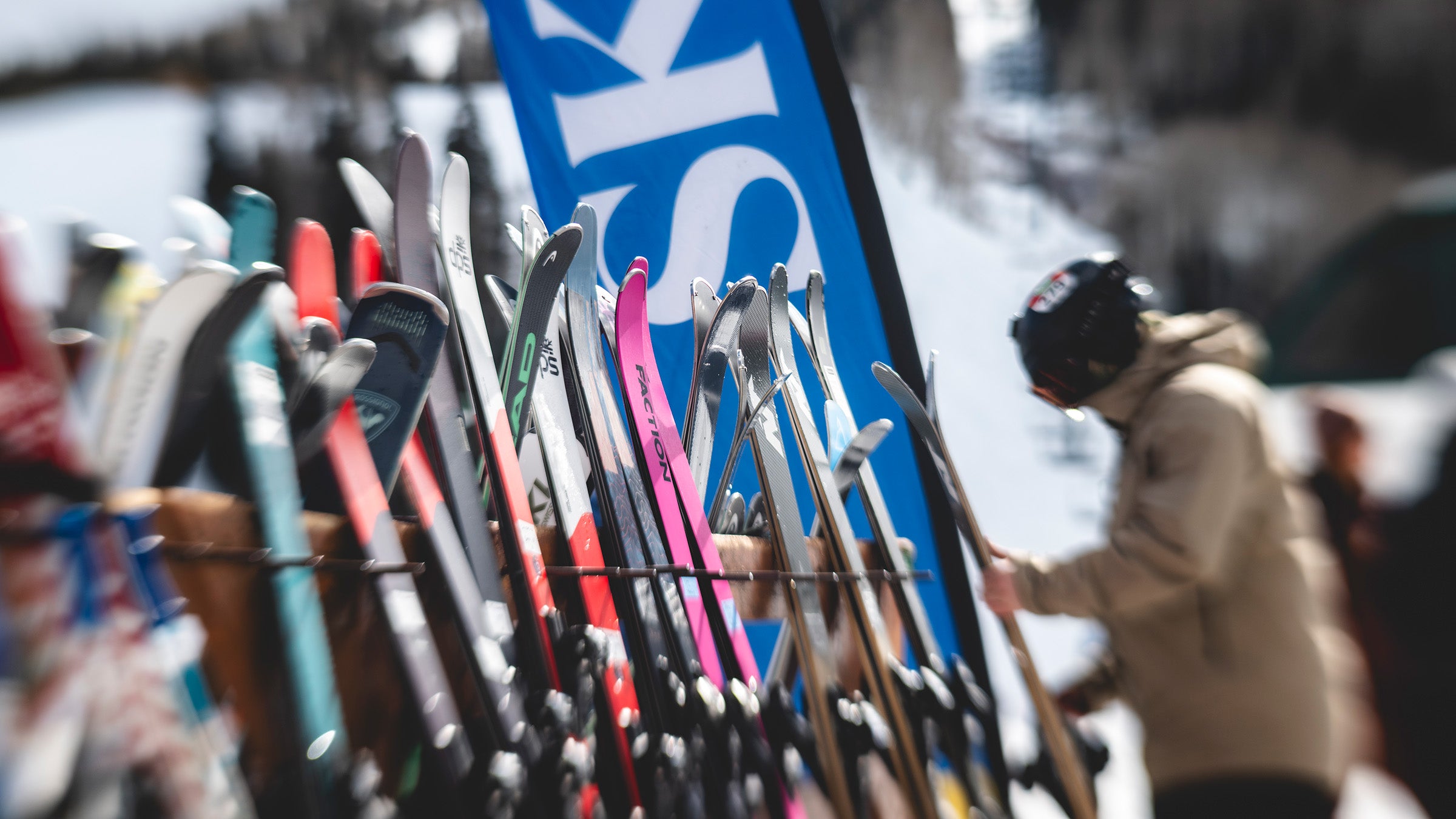
Another driver is market segmentation. As skier types become more specialized—from dedicated groomer carvers to powder hounds, backcountry tourers, and freestyle enthusiasts—brands may choose to refine their offerings to better target specific niches. This can lead to the discontinuation of "do-it-all" models in favor of more specialized skis, or conversely, the consolidation of several niche models into a more versatile, modern all-mountain platform.
Finally, economic considerations, including manufacturing efficiencies and inventory management, also play a role. Streamlining product lines can reduce complexity in production, supply chain logistics, and marketing efforts, ultimately benefiting the brand’s bottom line. For consumers, this translates into a unique opportunity: acquiring proven, high-quality skis at a fraction of their original price, often models that still deliver exceptional performance despite being superseded by newer iterations.
Detailed Analysis of Discontinued 2026 Ski Models
This season’s round of discontinuations sees several prominent all-mountain and freeride skis making way for their successors. Understanding the nuances of these changes can help skiers decide whether to snag a deal on an outgoing model or await the new releases.
Nordica Unleashed 108: A Pivot Towards Playfulness
The Nordica Unleashed 108, a well-regarded all-mountain ski known for its planted feel and versatile performance, is being replaced by two distinct models for 2027: the Unleashed 106 and the Unleashed 106 CA. This move by Nordica signifies a deliberate strategic pivot, acknowledging evolving skier preferences that often favor a more agile and playful ride without entirely sacrificing stability.
The Unleashed 108 carved a niche for itself as a dependable, do-it-all ski, offering a solid platform for aggressive skiers who valued stability at speed and confident edge hold across varied terrain. Its construction, typically incorporating a partial metal strip underfoot, provided a reassuring backbone, making it a favorite for those who tackled mixed conditions and sought a ski that wouldn’t falter when pushed.
The new Unleashed 106, while retaining a partial metal strip for structural integrity, features a narrower waist and a reshaped tip and tail with increased taper. This design modification aims to enhance maneuverability and inject a livelier character into the ski. The reduced width allows for quicker edge-to-edge transitions, while the altered tip and tail profiles facilitate easier turn initiation and release, making the ski feel more playful and less "locked in."
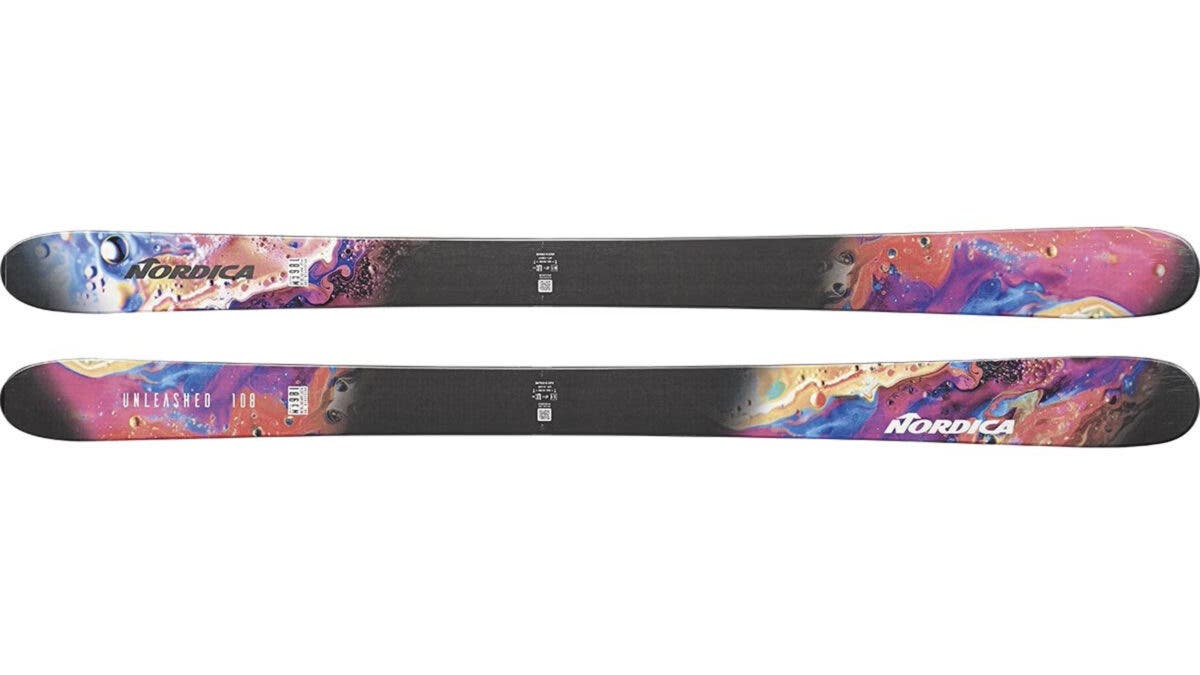
The Unleashed 106 CA, on the other hand, represents an even more pronounced shift towards lightness and agility. By completely shedding the metal components in favor of a wood-and-carbon core, Nordica has created a version that prioritizes responsiveness, float, and ease of handling. This model is designed for skiers who value an energetic, surfy feel and are willing to trade some top-end stability for a ski that is easier to pivot and maneuver in soft snow and tight spaces.
For budget-conscious skiers or those who appreciate the Unleashed 108’s robust, planted character and do not prioritize the added "pop" or reduced weight of the new models, now is an opportune moment to invest. The 108 remains a legitimately capable all-mountain ski, and its current discounted price point makes it an exceptional value for a wide range of advanced-intermediate to expert skiers.
Rossignol Sender Soul Line: A Refined Identity
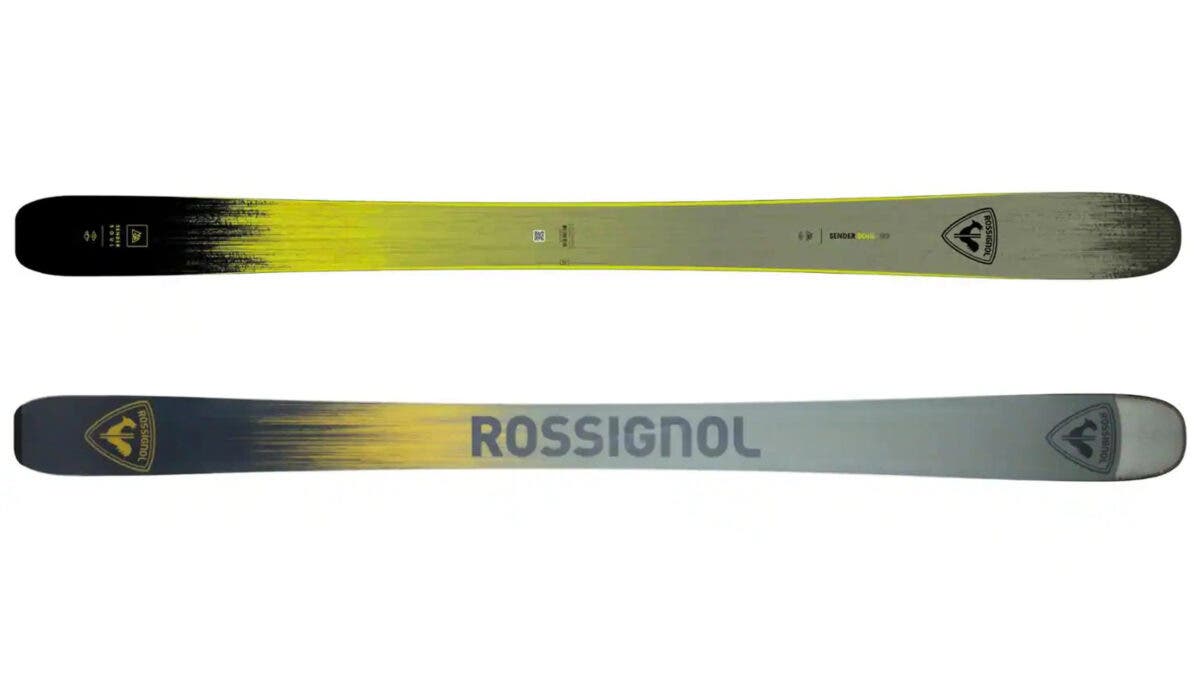
Rossignol’s decision to untangle the nomenclature of its popular Sender Soul family addresses a common industry challenge: brand clarity and product differentiation. The outgoing Sender Soul line, while highly successful, sometimes presented a confusing array of models. For 2027, Rossignol is simplifying its offerings by splitting the family into two distinct lines: the freeride-oriented Sender (available in 118, 110, and 100mm waist widths) and the more directional Soul (102 and 92mm waist widths).
Crucially, the vast majority of the outgoing Sender Soul models will carry over their design and construction into the new lines, with one significant exception: the Soul 92. This particular model underwent a full overhaul for the upcoming season, gaining additional heft and backbone to better serve advanced and expert skiers who demand more power and stability on piste and in variable conditions.
This strategic move means that for models like the Sender Soul 102, consumers can acquire the 2025-2026 version at a substantial discount, knowing that they are purchasing an identical ski to the one that will retail at full price for the 2027 season. This presents a rare "no-compromise" scenario for savvy shoppers. The Sender Soul 102 has long been praised for its blend of playful float in powder and reliable performance on firmer snow, making it a versatile choice for a broad spectrum of all-mountain skiers. Its consistent design across model years underscores Rossignol’s confidence in its core performance characteristics.
The consolidation and clearer branding reflect a mature phase in Rossignol’s product strategy, aiming to provide a more intuitive selection process for consumers while maintaining the performance integrity of its proven designs. For skiers in the market for a high-performance, wide all-mountain ski, the discounted 2026 Sender Soul 102 represents one of the most compelling bargains of the summer sales period.
Armada Declivity Line: Embracing Freeride Agility
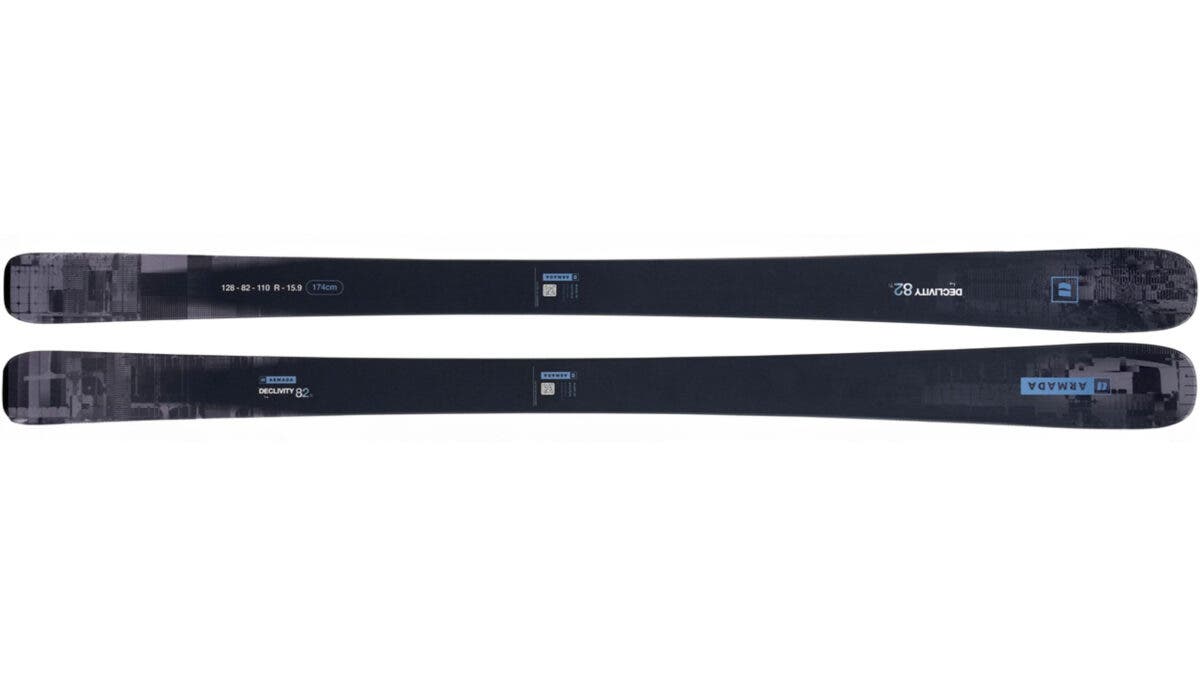
Armada is retiring its established Declivity line, alongside the women’s Reliance series, to introduce a new collection dubbed Antimatter. This change represents a significant philosophical shift for Armada, moving away from the Declivity’s more traditional, carve-and-charge personality towards a freeride-centric design ethos focused on agility and creative expression on the mountain.
The Declivity line, particularly models like the Declivity 82 Ti, was celebrated for its robust carving capabilities and stable, "stuck-to-the-snow" feel. Its construction, often featuring metal laminates, was engineered to provide powerful edge grip and dampen vibrations at high speeds, making it a favorite among skiers who prioritized groomer performance and assertive downhill charging. It offered a confidence-inspiring platform for laying down trenches and navigating variable conditions with authority.
The new Antimatter collection, however, introduces Armada’s innovative "Speed Metal" construction. This design strategically concentrates metal underfoot, allowing the tips and tails to be considerably looser and easier to pivot. The result is a ski engineered for slashing, smearing, and popping off natural features—a distinct departure from the Declivity’s more directional, powerful drive. Antimatter aims to empower skiers to explore the mountain with a more playful and intuitive style, emphasizing maneuverability and freedom of movement over raw straight-line speed.
For skiers who cherished the Declivity’s unwavering stability and precise, directional feel—those who prefer to carve rather than smear, and charge rather than slash—the outgoing models represent a final opportunity. Once the current inventory is depleted, that specific blend of performance will no longer be available in Armada’s lineup. This discontinuation highlights a broader trend in the ski industry, where even frontside-oriented skis are incorporating elements that enhance versatility and playfulness, catering to a diverse range of modern skiing styles.
Black Diamond Impulse: Reinforcing Stability and Dampness
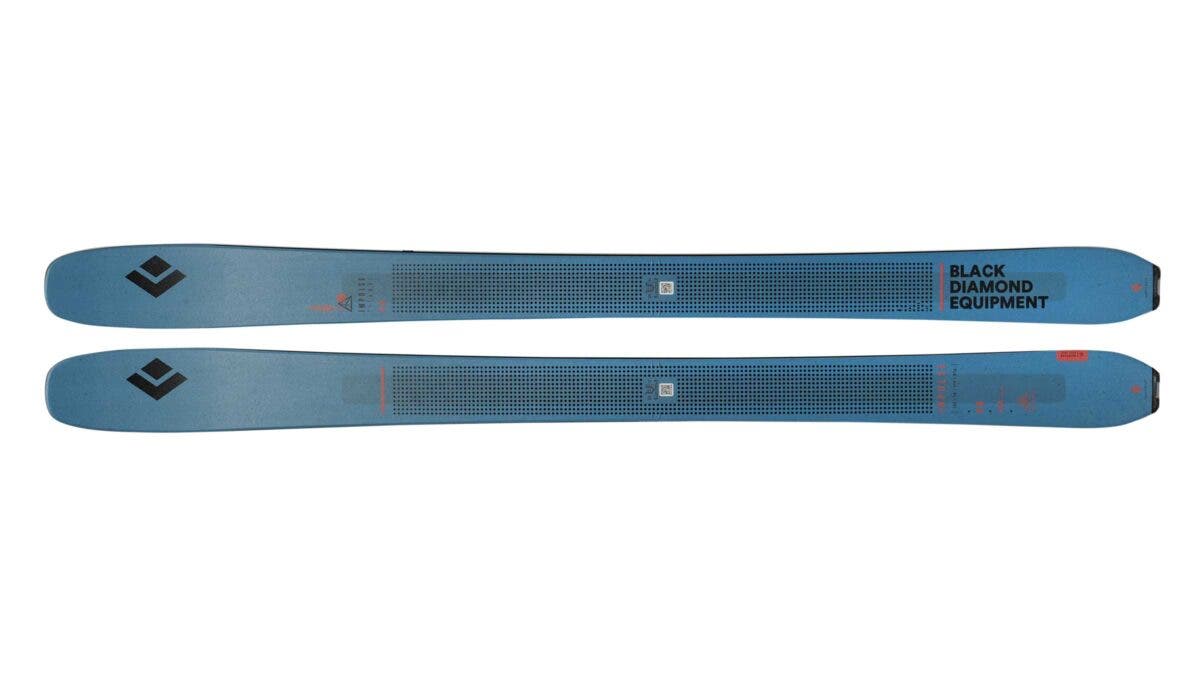
Black Diamond’s Impulse line is undergoing a targeted refinement rather than a complete overhaul, with the key update being the introduction of the Impulse Ti. This enhancement directly addresses a specific performance characteristic, aiming to augment the ski’s stability and dampness at speed, particularly in challenging snow conditions.
The original Impulse was recognized for its relatively light and lively feel, making it an agile choice for navigating moguls, tight trees, and touring applications where weight is a factor. Its energetic character appealed to skiers who valued quick turn initiation and a nimble presence on the mountain. However, some advanced skiers reported that when pushed to its limits in variable or high-speed conditions, the original Impulse could feel less composed, reaching its comfort zone sooner than heavier, metal-laden counterparts.
The updated Impulse Ti integrates a sheet of Titanal into the existing construction. Titanal, a high-strength aluminum alloy, is renowned for its ability to significantly increase torsional stiffness and damp vibrations. This addition is expected to make the Impulse Ti noticeably more stable and smooth at higher speeds, providing a more confident and powerful ride through choppy snow, crud, and icy patches. This upgrade directly targets the feedback from skiers who sought more backbone and composure from the Impulse when pushing hard.
However, this enhancement comes with a trade-off: a small weight penalty. For skiers who specifically valued the original Impulse’s lightweight and lively sensation—its ease in bumps and trees, and its suitability for lighter touring setups—the outgoing 2026 Impulse remains the ideal choice. Its discounted price offers a compelling option for those who prioritize agility and responsiveness over maximum dampness and stability. This scenario presents a clear decision point for consumers based on their primary skiing preferences and desired performance characteristics.
Icelantic Pioneer and Riveter: A New Era of All-Mountain Precision
Icelantic is retiring its long-standing directional all-mountain duo, the Pioneer (men’s) and Riveter (women’s), to introduce two entirely new models: the Torrent for men and the Tempest for women. This comprehensive redesign marks a significant evolution in Icelantic’s all-mountain philosophy, promising enhanced precision and responsiveness.
The Pioneer and Riveter have been mainstays in Icelantic’s lineup, recognized as fun, accessible all-mountain skis suitable for intermediate to advanced skiers. They offered a balanced blend of performance, capable of handling groomed trails while still providing a playful experience in softer snow and variable conditions. Their approachable nature made them popular choices for a wide range of skiers looking for a versatile, daily driver.
The new Torrent and Tempest models feature fresh wood cores reinforced with Icelantic’s innovative V12 Carbon Matrix. This new carbon construction is designed to add power and rebound without the weight penalty typically associated with metal laminates. This allows the skis to maintain a lively feel while offering increased energy transfer and responsiveness. Furthermore, the new models incorporate a directional rocker profile engineered to provide strong edge hold on groomers while maintaining a playful and surfy feel in off-piste terrain. The brand’s intent is to create skis that are more precise and responsive than their predecessors, catering to skiers who demand a higher level of control and feedback.
For skiers who are intrigued by the promise of this new construction and its emphasis on precision and responsiveness, waiting for the Torrent and Tempest might be a worthwhile investment. However, for those who appreciate the outgoing Pioneer and Riveter’s proven accessibility, playful nature, and overall all-mountain versatility, the current discounted prices make them an undeniable bargain. These skis remain excellent choices for a broad segment of the skiing population, offering reliable performance without breaking the bank.
Consumer Implications: Maximizing Value and Finding the Right Fit
The summer sales period, punctuated by these strategic discontinuations, presents a unique opportunity for consumers. For skiers prioritizing value, the outgoing models offer top-tier performance at significantly reduced prices. It’s an ideal time to acquire a "new old stock" ski that still delivers on its promises, especially if its characteristics align with one’s preferred skiing style. This strategy is particularly effective for models where the core design remains largely unchanged, such as the Rossignol Sender Soul 102, or for those who prefer the specific characteristics of the discontinued version, like the stability of the Armada Declivity or the agility of the original Black Diamond Impulse.
However, for skiers who are always seeking the latest innovations and performance enhancements, or whose current skis fall short in specific areas addressed by the new models (e.g., more liveliness from Nordica, more stability from Black Diamond, more precision from Icelantic), waiting for the 2027 releases might be the more prudent choice. These new models often represent years of research and development, incorporating advanced materials and refined geometries designed to push the boundaries of ski performance.
A crucial aspect of maximizing this opportunity is understanding one’s own skiing preferences and local conditions. A ski designed for playful freeride might not suit a dedicated groomer carver, and vice-versa. Researching reviews, consulting with ski shop experts, and even demoing skis when possible can help ensure that a discounted purchase truly meets individual needs.
Broader Market Trends and Future Outlook
The wave of discontinuations and new releases for 2027 reflects several ongoing trends within the ski industry. There is a clear emphasis on refining all-mountain categories, with brands often segmenting their offerings to cater more precisely to different sub-genres of all-mountain skiing, from directional carving to playful freeride. The integration of advanced composites like carbon to achieve strength-to-weight ratios previously unattainable with metal-only constructions is also a prominent theme. This allows brands to create skis that are both powerful and agile, addressing the desire for versatility across diverse terrain and snow conditions.
Furthermore, the industry continues to evolve in its approach to sustainability and manufacturing efficiency. While not explicitly detailed in the product changes, behind-the-scenes efforts to optimize material usage, reduce waste, and improve supply chain practices are increasingly influencing product development cycles.
Looking ahead, the ski market is likely to continue its trajectory of specialized innovation, with brands constantly seeking to differentiate themselves through unique constructions, material combinations, and design philosophies. The annual summer clearance will remain a cornerstone of this cycle, providing a beneficial dynamic for both retailers seeking to refresh inventory and consumers eager to gear up for the upcoming winter season. The careful observer, armed with timely information, stands to benefit most from these strategic shifts, securing exceptional value or embracing the cutting edge of ski technology.
