

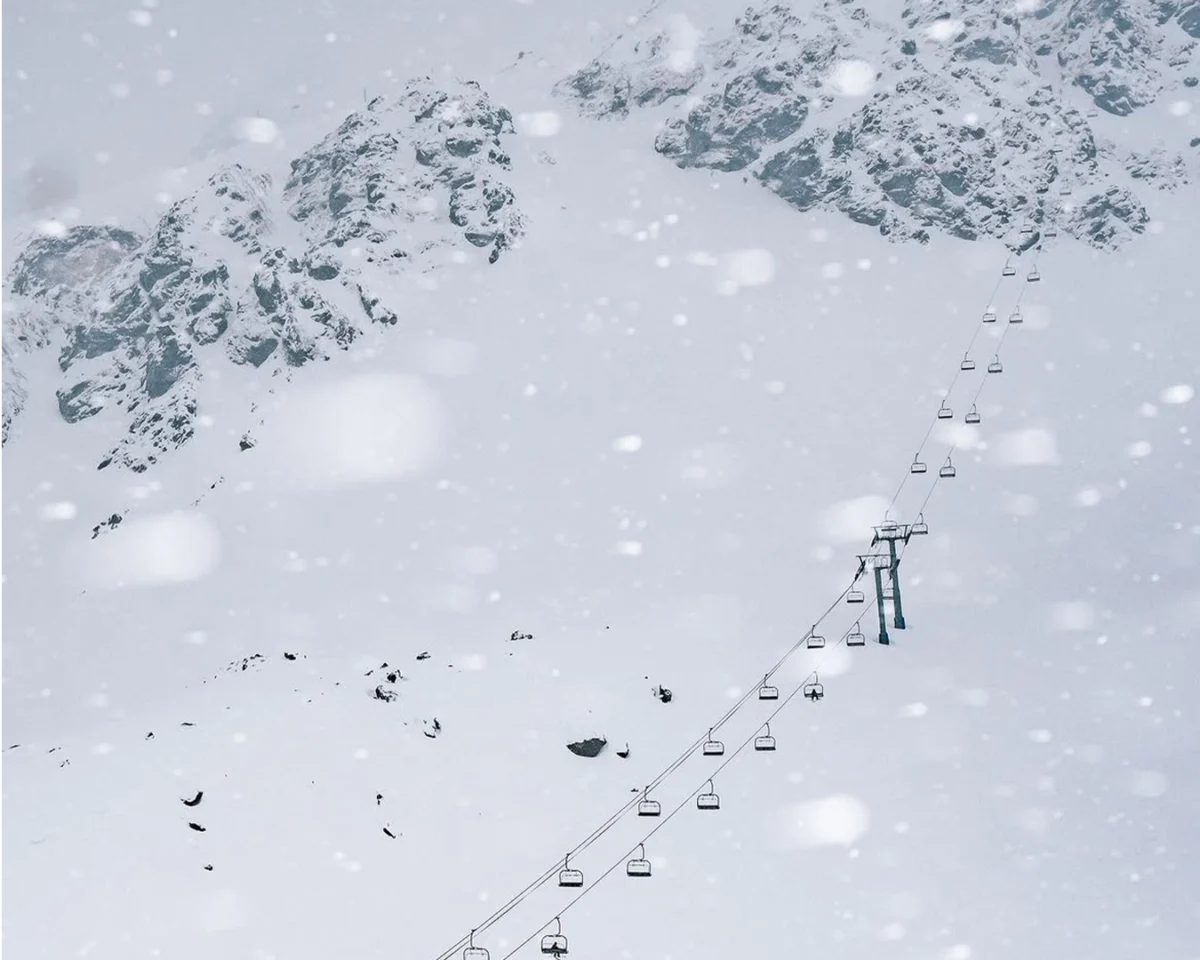
After weeks of anxious anticipation and unseasonably mild conditions, New Zealand’s South Island ski fields have finally received a much-needed and substantial snowfall, transforming a frustratingly slow start to the 2026 winter season into a landscape of burgeoning white. The period of May and early June 2026 had been marked by some of the warmest and driest weather on record for the region, forcing iconic destinations like Cardrona, The Remarkables, and Mt. Hutt to repeatedly delay their opening dates. This prolonged dry spell had cast a pall over the ski community and local tourism operators, who rely heavily on a robust start to the Southern Hemisphere winter. However, a powerful winter storm system has now swept across the country, delivering significant snow totals and offering a dramatic turnaround for the season’s prospects.
The Frustrating Dawn of Winter 2026: A Record Dry Spell
The commencement of the 2026 ski season in New Zealand’s South Island was notably challenging, characterized by an unprecedented lack of natural snow. Historically, May often brings the first significant dustings to the Southern Alps, laying the groundwork for June openings. However, May 2026 saw temperatures consistently above seasonal averages, with many areas reporting deficits in precipitation. Meteorological data from the New Zealand National Institute of Water and Atmospheric Research (NIWA) indicated that parts of the South Island experienced temperatures up to 2.5 degrees Celsius above the long-term average for May, coupled with rainfall totals significantly below the norm. This combination proved detrimental to snow accumulation, even at higher elevations.
As early June arrived, the situation remained grim. Resorts that typically aim for Queen’s Birthday weekend (early June) openings found themselves staring at brown slopes. Cardrona Alpine Resort, a popular destination near Wanaka, had initially targeted a mid-June opening, but persistent warm weather and dry conditions compelled management to push this back. Similarly, The Remarkables and Coronet Peak, staples of the Queenstown ski scene, along with Mt. Hutt in Canterbury, faced similar postponements. These delays were not merely inconvenient; they represented a significant operational challenge, impacting staffing, pre-booked tours, and the morale of the eager ski and snowboard community. Local businesses, from accommodation providers in Queenstown and Wanaka to gear rental shops and restaurants, reported a noticeable downturn in early-season bookings and foot traffic, highlighting the interconnectedness of the ski industry with the wider regional economy. The usual buzz of pre-season excitement was replaced by a collective sigh of frustration and a renewed focus on "snow dances" among locals.
A Fortuitous Turn: The July Deluge
Just as concerns reached a peak, the weather patterns shifted dramatically. Towards the end of June and into early July, a powerful cold front, originating from the Southern Ocean, began to approach New Zealand. This system intensified as it moved across the Tasman Sea, drawing in significant moisture and colliding with the cooler air mass over the South Island’s mountainous spine. The result was a massive winter storm that began to deliver consistent, heavy snowfall across the Southern Alps.
Beginning in the first week of July, the storm system relentlessly blanketed the peaks, bringing with it not only substantial snow but also a dramatic drop in temperatures, crucial for the quality and longevity of the new snowpack. This sudden and sustained precipitation was a stark contrast to the preceding months, offering a critical reset for the season. For many, it felt like a collective sigh of relief, as weeks of hoping and waiting culminated in the whiteout conditions skiers and snowboarders had been longing for. The transformation of the landscape was instantaneous and profound, with bare, brown slopes giving way overnight to a pristine winter wonderland, finally enabling resorts to begin preparing for full operations.

Southern Alps Under Siege: Regional Snowfall Details
The recent storm system delivered impressive snowfall totals across the Canterbury and Otago regions, which bore the brunt of the weather system. Leading the charge in terms of accumulation was Mt. Lyford Alpine Resort, nestled in the Seaward Kaikōura Range. The resort announced an astonishing 70 to 80 centimeters (approximately 27.5 to 31.5 inches) of fresh powder, a monumental dump that necessitated a temporary pause in operations. Resort managers confirmed that staff had to work tirelessly to dig out snowcats and other essential equipment from under the deep drifts, a testament to the storm’s intensity. This significant fall not only created an excellent base but also allowed for a critical period of natural stabilization for the new snowpack before opening more extensive terrain.
Further south, in the Mackenzie Basin, Roundhill Ski Area reported a substantial 43 centimeters (roughly 17 inches) of new snow within a mere 12-hour window. This rapid accumulation was particularly welcome, as Roundhill offers expansive terrain and requires a solid base to open fully. Nearby, Mt. Dobson Ski Area also fared exceptionally well, recording 35 centimeters (almost 14 inches) of "cold smoke" powder. These figures are significant for the club fields and smaller commercial operations, which often rely on such large, early-season dumps to set the tone for the remainder of the winter.
The commercial giants of the Wanaka and Queenstown areas were equally beneficiaries of this atmospheric generosity. Cardrona Alpine Resort and Treble Cone Ski Area, both pivotal to the region’s winter tourism, each pulled in a much-needed 25 centimeters (approximately 10 inches) of fresh snow within a 24-hour period. While these totals might appear modest compared to the more isolated eastern ranges, for these resorts, it was precisely what was required. The new snow allowed their diligent grooming and patrol crews to begin opening up crucial upper-mountain terrain that had remained inaccessible due to the preceding dry spell. This expansion of skiable area is vital for distributing crowds, offering more diverse conditions, and enhancing the overall visitor experience, particularly during the peak school holiday period.
New Zealand’s Unique Alpine Environment: A Different Beast
When considering Southern Hemisphere winter escapes, the mind often oscillates between the vast, high-altitude peaks of the South American Andes and the rugged, maritime-influenced Southern Alps of New Zealand. While the Andes, particularly in Chile and Argentina, are renowned for legendary, multi-meter storm totals that can bury entire resorts under several feet of snow, New Zealand presents a different, yet equally compelling, proposition.
The Kiwi climate is distinctively maritime, heavily influenced by its island nation geography and prevailing westerly winds. This oceanic influence typically results in milder temperatures compared to the continental extremes often found in the Andes. Consequently, New Zealand’s winters demand a certain level of patience from skiers and snowboarders, as massive, sustained snowfalls are less common than the frequent, smaller systems that gradually build the snowpack. However, this maritime climate also means that when significant cold fronts do arrive, they bring ample moisture, leading to substantial dumps that can rapidly transform conditions.
What New Zealand’s Southern Alps may occasionally lack in sheer elevation or the monumental, consistent storm cycles of its South American counterparts, it unequivocally makes up for in raw, diverse, and often highly technical terrain. The landscape is characterized by steep pitches, dramatic rock features, natural halfpipes, and an abundance of chutes and couloirs, particularly in areas like the renowned club fields of Canterbury, such as Craigieburn Valley Ski Area and Temple Basin. These fields are legendary among advanced skiers and snowboarders for their challenging, ungroomed, and often rope-tow-accessed terrain. For these unique locations, it doesn’t take ten feet of snow to make them stellar; it simply requires one solid, cold system to lay down a dense, stable base that glues itself to the underlying rock and opens up some of the most exhilarating and technical skiable terrain on Earth. The recent 30-inch storm, therefore, represents a game-changer, not just for the commercial resorts but for the entire spectrum of New Zealand’s diverse ski offerings.

Economic and Social Implications: A Timely Boost
The timing of this significant winter storm could not have been more opportune for New Zealand’s tourism sector. The arrival of heavy snow has coincided perfectly with the mid-winter school holidays, a crucial period for domestic tourism and family ski trips. For weeks, families had been monitoring forecasts with trepidation, and the initial delays had undoubtedly caused some to reconsider their plans. With the mountains now blanketed in fresh snow and resorts rapidly expanding their open terrain, the holiday period is set to receive a substantial boost.
Local businesses across the South Island, particularly in the tourism hubs of Queenstown, Wanaka, and Canterbury towns, are breathing a collective sigh of relief. Accommodation providers, restaurants, retail outlets, and ancillary services such as equipment rental, ski schools, and transport operators had all felt the pinch of the dry start. The influx of snow-seekers during the school holidays is expected to provide a much-needed injection of revenue, helping to mitigate some of the losses incurred during the early season. This economic stimulus is vital for regional economies heavily reliant on the winter tourism dollar.
Beyond the financial implications, the psychological impact on the local ski and snowboard community is equally significant. The long wait for snow had fostered a sense of collective yearning. The sight of snow-capped peaks and the promise of fresh tracks have reignited the enthusiasm and anticipation that defines the Kiwi winter spirit. Skiers and snowboarders, who had diligently performed their "snow dances," are now eager to hit the slopes, transforming frustration into exhilaration. This revitalized morale is infectious and contributes to the vibrant atmosphere that New Zealand’s ski towns are famous for.
Resort Operations and Future Outlook: Reinforcing the Base
With the immediate challenges of a delayed start addressed by the recent snowfall, New Zealand’s ski resorts are now focusing on solidifying their foundations for the remainder of the season. The significant snow totals have provided an excellent natural base, but the sustained cold temperatures forecast for the coming weeks are equally crucial. These lower temperatures enable resort snowmaking teams to work efficiently, reinforcing the natural snowpack and ensuring robust coverage across critical areas, particularly at lower elevations and on high-traffic runs. This combination of natural and artificial snow is key to building resilience against future milder spells and guaranteeing consistent conditions throughout the winter.
Resort operators are also now able to fully assess and prepare a wider array of terrain. The opening of upper-mountain areas, previously off-limits due to insufficient snow, provides more diverse options for all skill levels and helps to alleviate congestion. Patrol teams are meticulously conducting avalanche control and terrain preparation, ensuring safety as more challenging slopes become accessible.
Looking ahead, meteorologists are cautiously optimistic about the remainder of the 2026 season. While long-range forecasts are always subject to change, the robust start provided by this major July storm, coupled with projected cooler temperatures, suggests a promising outlook. Industry analysts believe that if this pattern of cold, moist systems continues, New Zealand could still experience a highly successful winter, potentially extending well into spring. The initial delays, while frustrating, may ultimately be remembered as a mere prelude to a season that delivers some of the finest winter conditions in years.

Beyond 2026: Climate Considerations and Resilience
The delayed start to the 2026 New Zealand ski season serves as a poignant reminder of the increasing variability in global weather patterns and the long-term implications of climate change. While a single season’s weather cannot be definitively attributed to climate change, the trend of warmer, drier starts to winter in some regions is consistent with broader climatic shifts. Resorts worldwide are increasingly grappling with unpredictable snowfall, shorter seasons, and the need for greater reliance on snowmaking infrastructure.
In New Zealand, this reality underscores the importance of resilient operational strategies. Resorts are continually investing in advanced snowmaking technology, diversifying their offerings to include summer activities, and implementing sustainable practices to mitigate their environmental footprint. The ability of New Zealand’s ski industry to weather such a challenging start and rebound quickly with the arrival of a major storm highlights its adaptability and the dedication of its operators. However, the experience of May and early June 2026 will undoubtedly feed into ongoing discussions about future planning and climate resilience within the sector.
Conclusion
The patience of New Zealand’s ski and snowboard community has been handsomely rewarded. After a record warm and dry start to the 2026 winter, a powerful July storm has delivered precisely what was needed, transforming the Southern Alps into a winter wonderland. From the impressive totals at Mt. Lyford to the crucial accumulations at Cardrona and Treble Cone, the entire South Island ski region is now poised for a strong season. With school holidays underway, temperatures remaining low, and extensive terrain opening up, the 2026 New Zealand winter is now expected to be one for the history books. Skiers and snowboarders are encouraged to keep a close eye on forecasts, prepare their gear, and get ready to experience some of the finest winter conditions the Southern Hemisphere has to offer. The long wait is over; the season has officially begun in earnest.
