

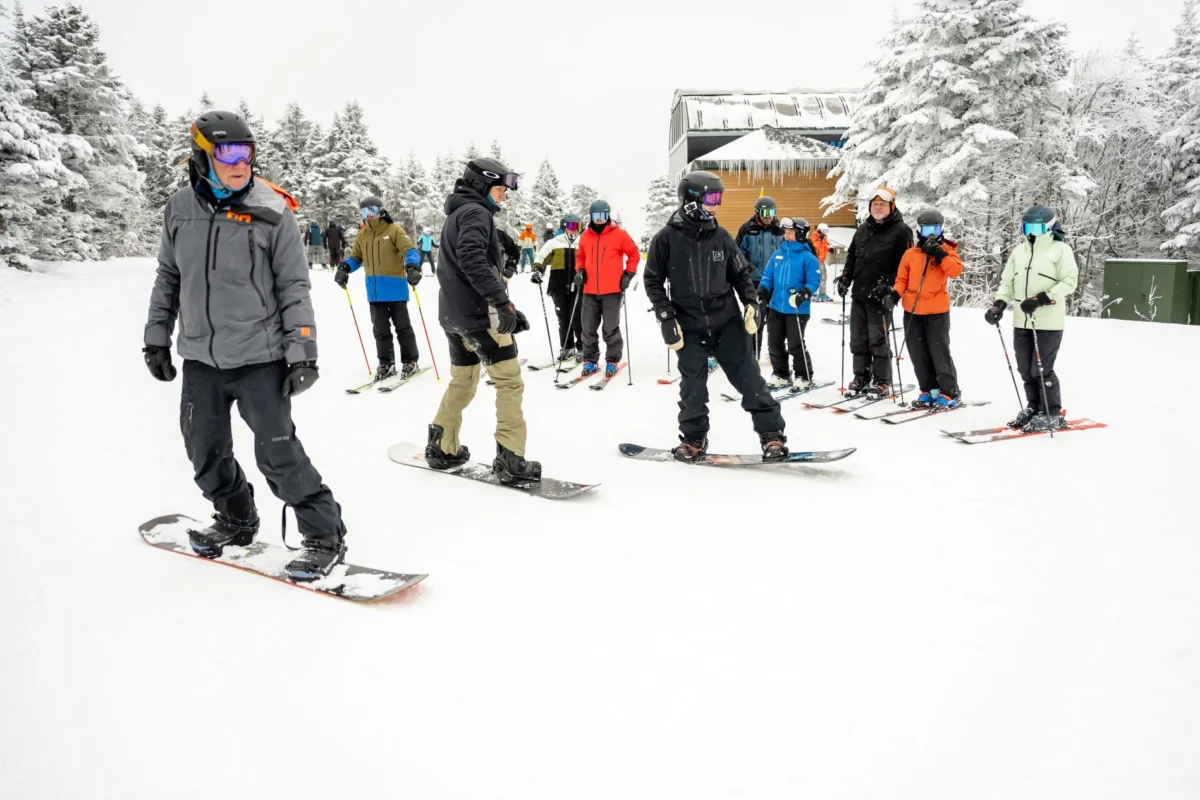
The snowsports industry operates on a distinct annual rhythm, dictating the professional lives of its dedicated instructors. From the meticulous preparation of gear and the daily commute to mountain resorts to the profound satisfaction of introducing individuals to the exhilaration of sliding on snow, the winter season shapes a unique professional experience. As the snow melts and mountain slopes transition to green, instructors often shift their focus, engaging in alternative pursuits like kayaking, cycling, hiking, or climbing. This cyclical existence, marked by periods of intense activity followed by crucial dormancy, mirrors natural biological processes, offering profound insights into professional development within the snowsports instruction community, particularly concerning the distinct values of specialization and generalization in certification pathways.
The Cyclical Nature of Snowsports Instruction: An Industry Overview
The seasonal ebb and flow inherent in snowsports is not merely a personal observation but a fundamental characteristic of the industry itself. Globally, snowsports tourism contributes significantly to local economies, with destinations adapting their infrastructure and workforce to accommodate millions of visitors annually. For snowsports instructors, this translates into a demanding peak season, typically from November to April in the Northern Hemisphere, followed by a period of respite or engagement in alternative employment. This professional cycle necessitates resilience, adaptability, and continuous development, allowing instructors to replenish energy, refine skills, and prepare for the next wave of students. The Professional Ski Instructors of America and American Association of Snowboard Instructors (PSIA-AASI) plays a pivotal role in standardizing and elevating the quality of instruction, ensuring that instructors are well-equipped to navigate these dynamic conditions.
PSIA-AASI and the Framework of Professional Development
PSIA-AASI serves as the preeminent organization for snowsports instruction in the United States, providing comprehensive education, certification, and resources to its tens of thousands of members. Its mission is to create a community of professionals who enrich the lives of others through snowsports. The organization’s certification system, structured in levels (Level I, II, III) across various disciplines (alpine, snowboard, telemark, cross-country, adaptive) and complemented by specialist credentials (children’s, freestyle, race, senior), establishes benchmarks for knowledge, skill, and teaching methodology. Professional development, as championed by PSIA-AASI, is an ongoing process of building expertise, expanding capabilities, and enriching professional mindsets. This continuous journey often leads instructors to deliberate between pursuing deep specialization within a single discipline, aiming for the highest Level III certification, or broadening their skill set across multiple disciplines and specialist areas. The choice reflects not just individual career aspirations but also the evolving needs of the snowsports education ecosystem.
Drawing Parallels: Biological Models of Resilience and Growth
To understand the strategic value of different professional development paths, one can draw illuminating parallels from the natural world, specifically from plant biology and ecological principles. These biological models offer a robust framework for appreciating how diverse forms of growth and adaptation contribute to overall resilience and health within any system, including professional communities.
Root Systems: Taproots and Fibrous Networks
Consider the foundational structures of plant root systems: taproots and fibrous roots. Taproots, exemplified by carrots or dandelions, are characterized by a single, thick primary root that grows deep into the soil. This architecture provides exceptional anchorage, allowing the plant to access deep water reserves and withstand strong winds, signifying deep-seated strength and stability. In a professional context, the taproot model represents the specialist instructor: an individual who has delved deeply into a particular discipline, mastering its nuances and achieving the highest levels of certification, such as a Level III alpine instructor. Their strength lies in profound expertise, offering unparalleled insight and guidance in a focused area.
In contrast, fibrous root systems, common in grasses, consist of a dense, shallow network of many smaller roots spreading broadly near the surface. This structure efficiently absorbs surface water and nutrients, and its widespread network provides excellent erosion control. For snowsports instructors, the fibrous root system symbolizes the generalist: an individual who holds multiple Level I or II certifications across different disciplines (e.g., Level II alpine, Level I snowboard) and possesses various specialist credentials (e.g., Children’s Specialist 1, Freestyle Specialist 1). Their strength lies in their versatility, adaptability, and ability to connect disparate elements, catering to a wider array of student needs and teaching scenarios. Both root architectures are inherently resilient, thriving through different strategies and contributing distinct advantages to the overall plant’s survival.
Ecological Niches: Specialists and Generalists
Beyond root systems, the ecological concepts of specialists and generalists further illuminate the discussion. Ecological specialists are species adapted to a narrow range of environmental conditions or a limited diet. While highly efficient within their specific niche, they can be vulnerable to significant environmental changes. Examples include the koala, which feeds exclusively on eucalyptus leaves, or wolves, which play a crucial role in regulating specific prey populations within their ecosystem. Their value lies in their precise, impactful contributions to specific ecological processes.
Conversely, ecological generalists possess a diverse diet and can thrive in a broad range of habitats. Their adaptability allows them to exploit varied resources and withstand environmental fluctuations, making them crucial for ecosystem stability. Coyotes, with their varied diet and wide habitat range, or dandelions, which flourish in diverse conditions and provide early food sources for pollinators, are prime examples. Both specialists and generalists are not only successful in their respective strategies but are also essential for the health and resilience of the broader ecosystem. The removal of either type can lead to imbalances, demonstrating that value is often contingent on perspective and context.
The Value Proposition of Specialization in Snowsports Education
In the snowsports instruction community, the specialist is often epitomized by the Level III certified instructor. Achieving this pinnacle of certification requires an extraordinary dedication to a single discipline, demanding years of rigorous training, continuous refinement of technique, and a profound understanding of teaching methodology at the highest level. These instructors possess deep theoretical knowledge, advanced practical skills, and the ability to coach high-performance skiing or snowboarding.
The benefits of specialization are manifold. Level III instructors are invaluable for:
- Advanced Skill Development: Guiding expert students through complex terrain, advanced techniques (e.g., mogul skiing, racing, freestyle maneuvers), and nuanced performance improvement.
- Instructor Training: Mentoring and educating aspiring instructors, contributing to the professional development pipeline within snowsports schools.
- Curriculum Development: Informing and shaping advanced teaching programs, ensuring cutting-edge pedagogical practices.
- Industry Leadership: Often serving as examiners, clinic leaders, and thought leaders within PSIA-AASI and the wider industry, driving innovation and setting standards.
Snowsports schools highly value specialists for their ability to cater to niche markets and offer premium, high-level instruction, which can enhance a school’s reputation and attract a diverse clientele seeking expert coaching. Industry data, while often proprietary, consistently suggests that a core group of Level III instructors is critical for a school’s ability to offer a full spectrum of lessons, from introductory experiences to high-performance coaching.
The Comprehensive Advantage: Celebrating Generalist Instructors
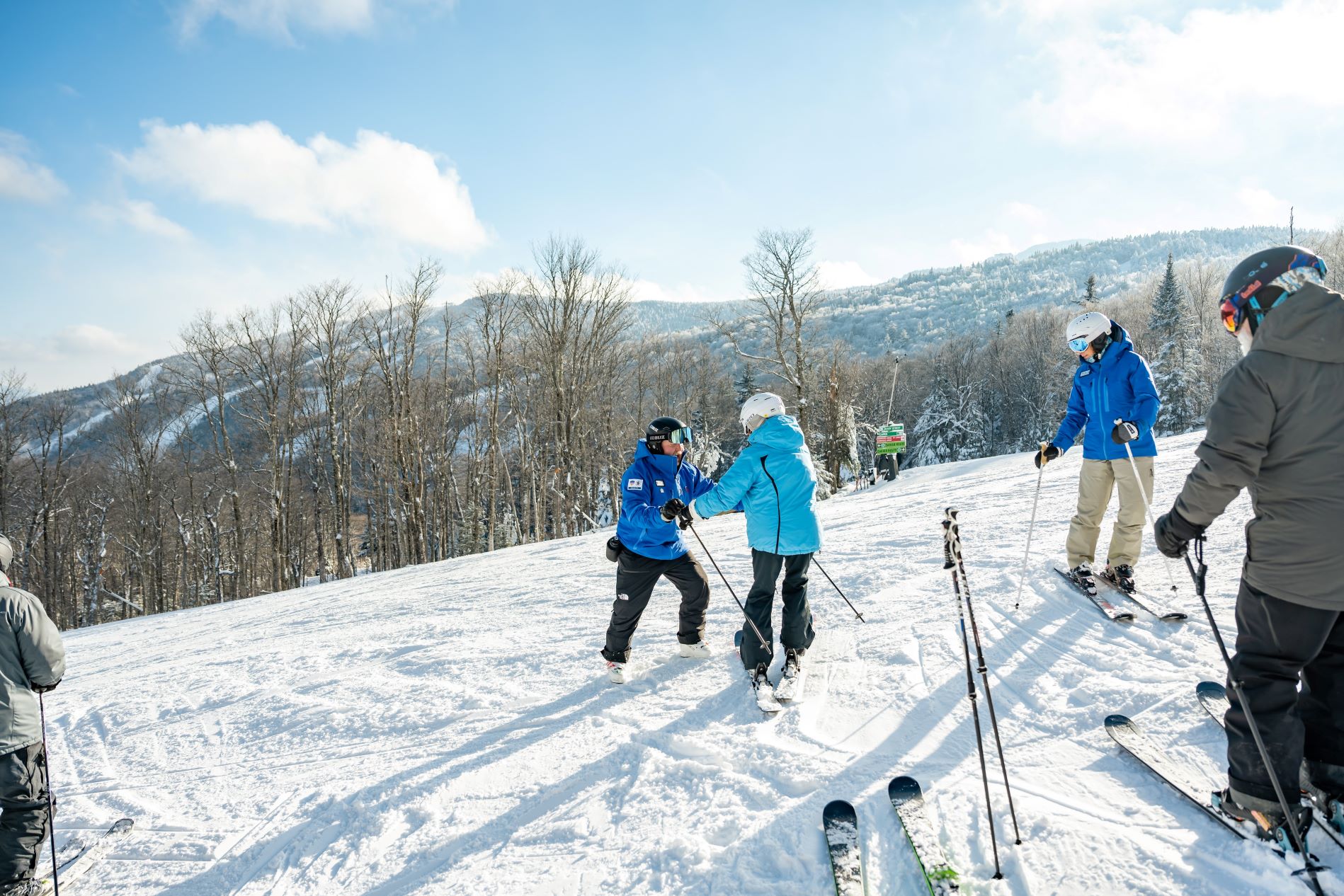
While society often reveres specialists, the profound contributions of generalists in snowsports instruction are equally vital and, arguably, more frequently utilized across the industry. Generalist instructors are those who have pursued breadth in their professional development, acquiring certifications across multiple disciplines (e.g., Level I Alpine and Level I Snowboard) and obtaining specialist credentials (e.g., Children’s Specialist, Freestyle Specialist, Adaptive Specialist). This multi-faceted skill set allows them to adapt to a wide variety of teaching situations and student demographics.
The value of the generalist instructor includes:
- Versatility in Lesson Offerings: Capable of teaching beginner to intermediate students in both skiing and snowboarding, addressing a vast segment of the market.
- Family and Group Lessons: Uniquely suited to teaching multi-discipline family lessons where children might want to snowboard while parents ski, or groups with varied interests and skill levels.
- Adaptability to Market Demands: Snowsports schools frequently experience fluctuating demand for different types of lessons. Generalists provide operational flexibility, allowing management to deploy instructors where they are most needed, optimizing scheduling and resource allocation.
- Enhanced Student Experience: Instructors with a broader perspective can offer richer, more holistic learning experiences, understanding how skills transfer across different snowsports and catering to diverse learning styles and motivations.
- Accessibility: Generalists often introduce new participants to snowsports, fostering a love for the activity and expanding the overall participant base, which is crucial for the industry’s long-term health.
It is a common misconception for instructors with diverse Level I or II certifications to view themselves as "just" a Level II or "only" a Level I in multiple disciplines. This self-deprecating assessment overlooks the immense cumulative value and strategic importance of their broad skill set. Just as a dandelion, often dismissed as a weed, provides one of the earliest and most reliable food sources for pollinators, or white clover enriches soil by fixing atmospheric nitrogen, generalist instructors are foundational to the robust functioning of any snowsports school. Their comprehensive capabilities ensure that a wide range of students can access quality instruction, contributing significantly to the accessibility and growth of snowsports.
Strategic Pathways: Aligning Professional Growth with Market Demands
The choice between a specialized or generalized development path is a strategic one, influenced by an instructor’s personal interests, long-term career aspirations, and the specific needs of the snowsports school or region where they work. PSIA-AASI’s educational development managers frequently engage in discussions about these pathways, emphasizing that both are legitimate and valuable contributions to the profession.
For aspiring specialists, the path involves deep immersion, continuous refinement of technique, and a commitment to understanding the intricacies of a single discipline. This often leads to roles in advanced coaching, examiner training, and leadership within the educational arm of PSIA-AASI. The market for specialists typically involves higher-end private lessons, performance clinics, and instructor training programs.
For aspiring generalists, the path involves exploring different snowsports disciplines and acquiring specialist credentials. This broadens their appeal to a wider range of students and increases their utility to snowsports schools. Generalists often find consistent work in beginner and intermediate programs, children’s lessons, and family instruction, which represent the largest segment of the snowsports lesson market.
Snowsports school directors often highlight the critical need for a balanced instructor pool. A school cannot thrive solely on Level III specialists, just as it cannot solely rely on Level I instructors. A healthy mix ensures that the school can offer a comprehensive suite of programs, from foundational skills for newcomers to advanced coaching for seasoned enthusiasts, maximizing operational efficiency and revenue potential. This strategic alignment of instructor development with market demand is crucial for the sustained success of individual instructors and the institutions they serve.
Industry Implications: Fostering a Robust Snowsports Ecosystem
The symbiotic relationship between specialist and generalist instructors is critical for fostering a robust and resilient snowsports ecosystem. This diversity ensures that the industry can adapt to changing trends, cater to an ever-evolving customer base, and maintain high standards of education.
- Accessibility and Growth: Generalists are often the first point of contact for new participants, making snowsports accessible and fostering a welcoming environment. This broad entry point is vital for the industry’s growth and sustainability.
- Quality and Innovation: Specialists push the boundaries of technique and pedagogy, driving innovation and ensuring that advanced instruction remains world-class. Their expertise filters down through the ranks, elevating the overall quality of teaching.
- Adaptability to Trends: The snowsports landscape is dynamic, with emerging interests in areas like backcountry skiing, adaptive sports, and diverse freestyle disciplines. A workforce comprising both specialists (who can delve deep into these niches) and generalists (who can introduce them broadly) ensures the industry remains responsive and relevant.
- Instructor Retention and Career Longevity: By offering diverse development pathways, PSIA-AASI and snowsports schools can support instructors in building fulfilling, long-term careers that align with their evolving interests and skills. This reduces turnover and retains valuable institutional knowledge.
Ultimately, the health of the snowsports instruction profession, much like a natural ecosystem, depends on the variety of its components. Every certified instructor, regardless of their specific certification level or breadth of expertise, contributes uniquely and significantly to the collective strength and vitality of the industry.
Conclusion: Resilience Through Diverse Development
The cyclical nature of snowsports instruction, while presenting unique challenges, also offers ample opportunity for introspection and strategic professional growth. As instructors transition between seasons, rejuvenating and preparing for the next wave of activity, considering one’s development path becomes paramount. Whether an instructor’s journey resembles the deep, focused strength of a taproot, drilling down to achieve mastery in a single discipline, or the broad, adaptable network of a fibrous root system, connecting diverse experiences and teaching across a wide spectrum of students and disciplines, the underlying principle remains constant: resilience is cultivated through continuous growth, and healthy ecosystems flourish with diversity in development.
The nuanced understanding of both specialized and generalized professional development pathways, as championed by organizations like PSIA-AASI, empowers instructors to make informed choices that align with their personal aspirations and contribute meaningfully to the dynamic world of snowsports education. By celebrating the unique strengths of every certified professional, the industry collectively strengthens its foundation, ensuring a vibrant and adaptable future for snowsports enthusiasts worldwide.
