

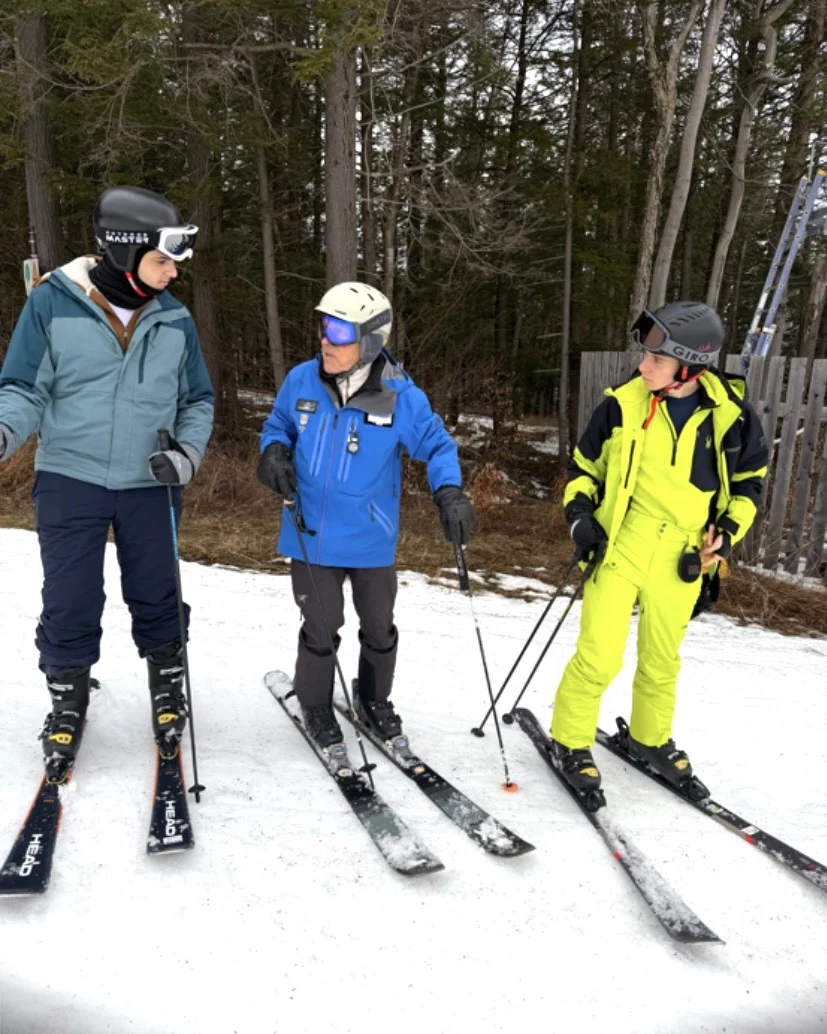
Hunter Mountain, NY – On a frigid winter morning at New York’s Hunter Mountain, the Otis Quad chairlift deposited its passengers onto the unloading ramp, met by a piercing wind that swirled fine snow. The jacket thermometer of Leslie Surprenant, an Alpine Level II and Children’s Specialist 1 instructor, registered a biting -5°F, with the wind chill plunging the felt temperature to an unforgiving -30°F. While many guests sought refuge in the warmth of the lodge, jostling for coveted spots near the fireplace, 95-year-old Ralph Perlberger stood ready for his descent, a testament to his unwavering philosophy of embracing every snow condition and weather challenge. Surprenant, coaching a weekly women’s clinic, introduced her group to Perlberger, her voice tinged with pride for his remarkable grit and dedication. He was not just skiing; he was embodying a life lived with extraordinary resilience and an enduring passion for the sport.
Perlberger, joined by his wife Carol and two fellow ski instructors, David Raindorf and Steve Cohen, was preparing for what would be another memorable run down West Side Glide, an intermediate trail gracefully winding through a sparse forest of pines and hemlocks. His friends’ admiration was palpable, with Raindorf once remarking, "When I grow up, I want to be Ralph," and Cohen adding, "Ralph is my idol." As Surprenant announced his 95th birthday, a collective rendition of "Happy Birthday" erupted, their voices muffled by frozen face masks, a small but heartfelt tribute to a man who defies conventional notions of aging. Perlberger grinned, thanked them, and then, with characteristic resolve, led the way down the slope. Victoria Mercado, the senior manager of Hunter Mountain’s Ski and Ride School, articulated the sentiment shared by many: "Ralph is an inspiration. He’s not only skiing, but teaching! Skiing and riding keep you young. When I watch Ralph ski, I can’t believe he’s 95. His energy, skill, and passion on the mountain defy his age. It’s an absolute pleasure to work alongside him." His commitment to the sport, and to sharing his expertise, has now spanned 24 seasons, marking him as a cornerstone of the Hunter Mountain community and a living embodiment of lifelong engagement.
A Life Forged in Adversity: From Amsterdam to Liberation
Ralph Perlberger’s journey began in Amsterdam, Netherlands, a city that would soon be engulfed by the horrors of World War II. In 1940, his father, foreseeing the impending conflict, departed for New York City to arrange for his family’s immigration to the United States. Tragically, he arrived on May 10, the very day Nazi forces launched their devastating invasion of the Netherlands, severing immediate communication and leaving the family vulnerable. The following year, the Perlberger family’s life was irrevocably altered when nine-year-old Ralph, his mother, and his two older brothers were forcibly removed from their home in Amsterdam. They were first imprisoned in Westerbork transit camp in the Netherlands, a notorious holding facility from which tens of thousands of Dutch Jews were deported to extermination camps. The conditions in Westerbork were grim, but they paled in comparison to what awaited them.
In February 1944, the family was transferred by railroad cattle car to the Bergen-Belsen concentration camp in Germany, a name synonymous with unspeakable suffering and death. Bergen-Belsen, initially a prisoner-of-war camp, evolved into a concentration camp where starvation, disease, and forced labor were rampant. Despite enduring the ravages of typhus and typhoid fever, Ralph clung to a profound certainty that he and his family would survive. This remarkable resilience, he credits, was instilled by his parents, who provided him with a bedrock of confidence, security, and hope even amidst the most desperate circumstances. In a poignant reflection of childhood innocence and the human capacity for optimism, he even entertained the notion that he would have quite a story to share with friends once the war concluded. This belief in a future, however distant and uncertain, proved to be a vital shield against the despair that consumed so many.
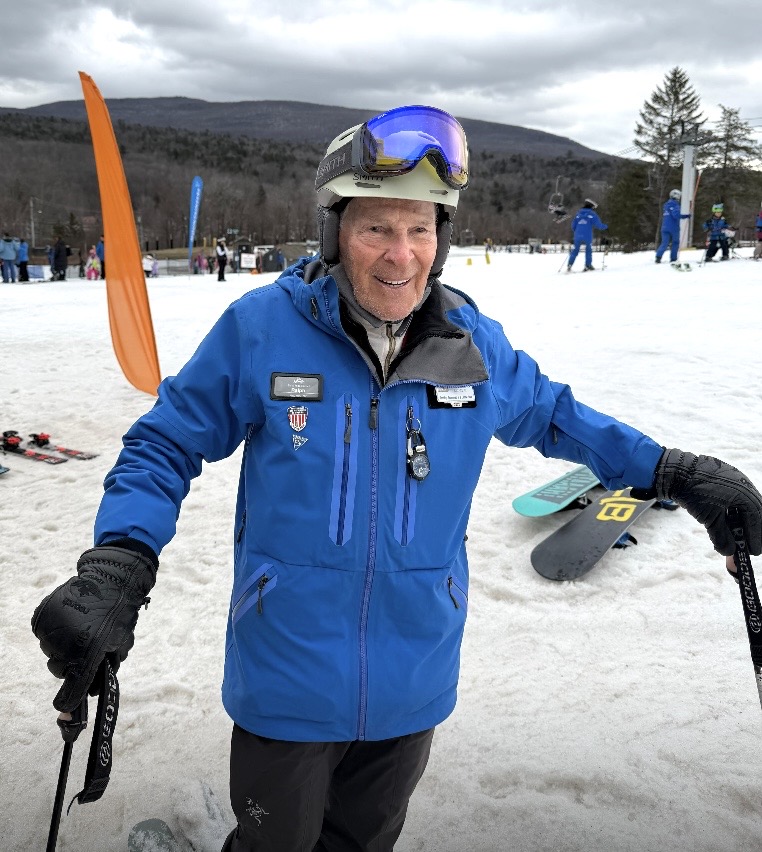
For years, Ralph’s father, thousands of miles away in New York City, lived with the agonizing uncertainty of his family’s fate, unaware if they had survived the Holocaust. As the war drew to a close, a miraculous discovery brought news: his family was alive and located in the Russian-occupied village of Tröbitz, Germany. Their survival was attributed to their presence on the "Lost Transport," one of three trains on which the Nazis, in a desperate and cynical ploy, sent approximately 7,500 Jewish prisoners, intending to exchange them for German prisoners held by the Allies. However, the chaos of the collapsing Third Reich and the relentless Allied bombing campaigns turned their journey into a nightmarish odyssey. The "Lost Transport" traveled for two harrowing weeks, repeatedly stopping and rerouting due to destroyed tracks and infrastructure, never reaching its intended destination. It finally came to a halt on a destroyed bridge over the Elster River, just outside Tröbitz. On April 23, 1945, Soviet troops liberated the train’s emaciated and critically ill prisoners. Hundreds had already succumbed to typhus, dysentery, and starvation en route, underscoring the Perlbergers’ extraordinary fortune.
During the five months that followed, while the family’s visa applications were meticulously processed, Ralph’s father, now aware of their survival, dispatched Red Cross packages filled with desperately needed food and hygiene products. These provisions were not merely sustenance; they were tangible symbols of hope and a lifeline to a new beginning. In February 1946, Ralph, his two brothers, and his mother finally immigrated to the United States, making their new home in the vibrant melting pot of New York City. Ralph quickly adapted, learning English and excelling in school, while his father painstakingly reacquainted himself with a family he had feared lost forever, rebuilding bonds shattered by war and separation.
From Academia to Alpine Excellence: The Path of a PSIA Instructor
Ralph Perlberger’s remarkable intellectual journey paralleled his growing passion for skiing. After settling in the United States, he pursued higher education, studying economics at Stanford University. It was during a winter break from Stanford that his lifelong love affair with skiing truly blossomed. His father, keen to provide experiences denied during the war, sent Ralph and his two older brothers to the legendary slopes of Sun Valley, Idaho. The pristine powder, the exhilarating rush of descent, and the camaraderie of the mountains instantly captivated him. He was hooked, seizing every opportunity to ski, even while dedicating himself to earning a law degree from the prestigious Harvard University. This period of his life showcased a man of formidable intellect and diverse interests, seamlessly balancing rigorous academic pursuits with an adventurous spirit.
For decades, Perlberger honed his skiing skills across some of the world’s most challenging and iconic resorts, from the steep chutes of Taos, New Mexico, to the majestic peaks of Europe, and the familiar terrain of Hunter Mountain in the Catskills. His experience was vast, yet he always sought to refine his technique and deepen his understanding of the sport. The turning point in his professional skiing career came in 2002, when an advertisement caught his eye: for a modest $85, he could participate in a weekend of instructor training and candidate selection at Hunter Mountain. If selected as an instructor candidate, an additional weekend of training and final selection would be free. At the age of 76, Perlberger embraced the challenge, demonstrating that age is merely a number when passion is the driving force. He was among those chosen, a testament to his innate skiing ability and his eagerness to learn. Yet, he humbly acknowledged that becoming an instructor, especially one certified by a professional body, required much more than just being a good skier; it demanded a deep understanding of pedagogy, biomechanics, and safety.
Today, Ralph Perlberger stands as a Professional Ski Instructors of America (PSIA) Level II Alpine instructor. PSIA is the largest organization of professional snowsports instructors in the world, setting the standards for ski and snowboard instruction in the United States. Achieving Level II certification signifies a high level of expertise in both personal skiing performance and teaching methodology, encompassing advanced technical understanding and the ability to instruct a wide range of students effectively. Perlberger credits much of his development to the mentorship he received, particularly from fellow ski instructor and PSIA Alpine Examiner Charlie Knopp, whose concise yet profound advice – "Lift your inside hip!" – became a foundational principle in his teaching and his own skiing. This simple instruction, he found, unlocked greater efficiency and control for many students struggling with turn initiation and edge engagement.
The Art of Instruction and the Legacy of "Don’t Give Up"
Ralph Perlberger is not just an instructor; he is a beloved figure within Hunter Mountain’s ski and ride school community, deeply respected by his colleagues and cherished by his students. His presence is a source of awe and appreciation. Luca Arrigoni, a member of the Eastern Alpine Development Team, shared a personal anecdote that encapsulates Perlberger’s impact: "Ralph has a special place in my heart. I shadowed him as a new instructor and was inspired by his patient, gentle, and knowledgeable way with beginners. He still proudly wears the Hunter uniform, which shows his love for, and dedication to, the sport and teaching." This dedication, visible in his continued commitment, speaks volumes about his character and his role as a mentor.
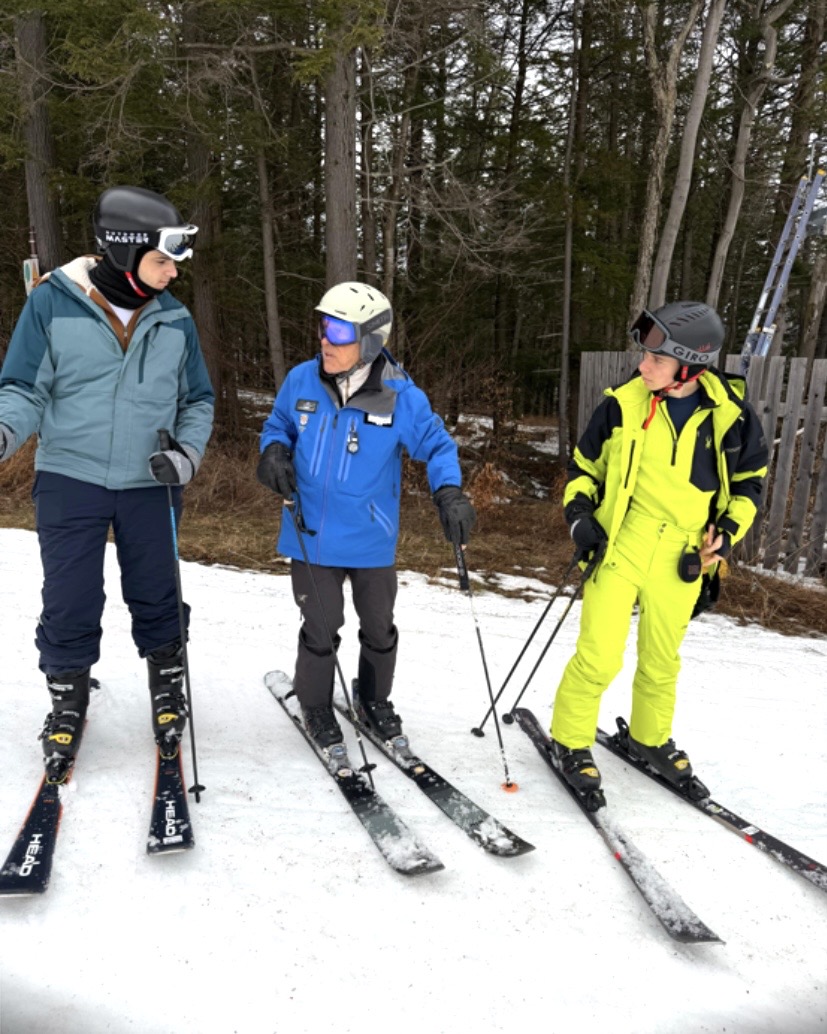
Perlberger particularly enjoys the challenge and reward of helping adult intermediate skiers progress. His teaching approach is rooted in careful observation and targeted questioning. He often begins by asking students to describe how they make their skis turn. The common response – "I don’t know. I just turn" – highlights a lack of conscious awareness of their movements. Perlberger observes that many intermediate skiers rely on leg rotation on flat skis, a technique that limits control and efficiency. He identifies fundamental gaps in their understanding, specifically regarding the critical concepts of maintaining their center of mass (CM) over their base of support (stance), effectively directing pressure to their outside skis, and controlling edge angles.
His coaching methodology is hands-on and experiential. He guides skiers to actively feel their shins against the tongue of their boots throughout all phases of a turn, fostering a more forward, athletic stance. When he notices skiers leaning back – a common and inefficient habit – he prompts them to stop and articulate how their quadriceps feel. Most respond with "tired" or "burning," underscoring the physical strain of this incorrect posture. He then directs them to consciously adjust their body position in relation to their feet, constantly reinforcing the importance of maintaining consistent shin contact with the front of their boots. Through these patient, precise adjustments, Perlberger consistently witnesses improvement in his students’ technique, enhanced enjoyment of the sport, and, without fail, their heartfelt gratitude.
The demographic of Hunter Mountain’s ski instructors spans an impressive eight decades, creating a rich tapestry of experience and youthful energy. To the youngest instructors, those just beginning their journey in the world of professional snowsports, Ralph Perlberger offers a profound and simple piece of advice, born from a lifetime of overcoming immense obstacles: "Keep at it and don’t give up! Don’t let anything stop you. Ski in all conditions and all weather." This counsel is not merely about skiing; it is a philosophy for life itself, advocating perseverance, adaptability, and an unyielding spirit.
Having recently completed his 24th season of instructing, a feat in itself, Perlberger harbors no plans of slowing down or relinquishing what he loves. His continued presence on the slopes is a testament to his belief in active aging and the profound benefits of physical and mental engagement. "Maybe someone above is watching over me," he muses, acknowledging a sense of fortune that has guided him through extraordinary challenges. He draws further inspiration from the wisdom of Baseball Hall of Famer Satchel Paige, who famously advised, "Don’t look back; something might be gaining on you." For the legions of skiers and instructors at Hunter Mountain, that "something" isn’t a threat; it’s the inspiring, indefatigable presence of Ralph Perlberger, a man who continues to defy expectations, one graceful turn at a time. His story is a powerful narrative of survival, resilience, and the enduring human capacity for joy and passion, serving as a beacon of hope and an unparalleled example of what it means to truly live a full and active life.
