

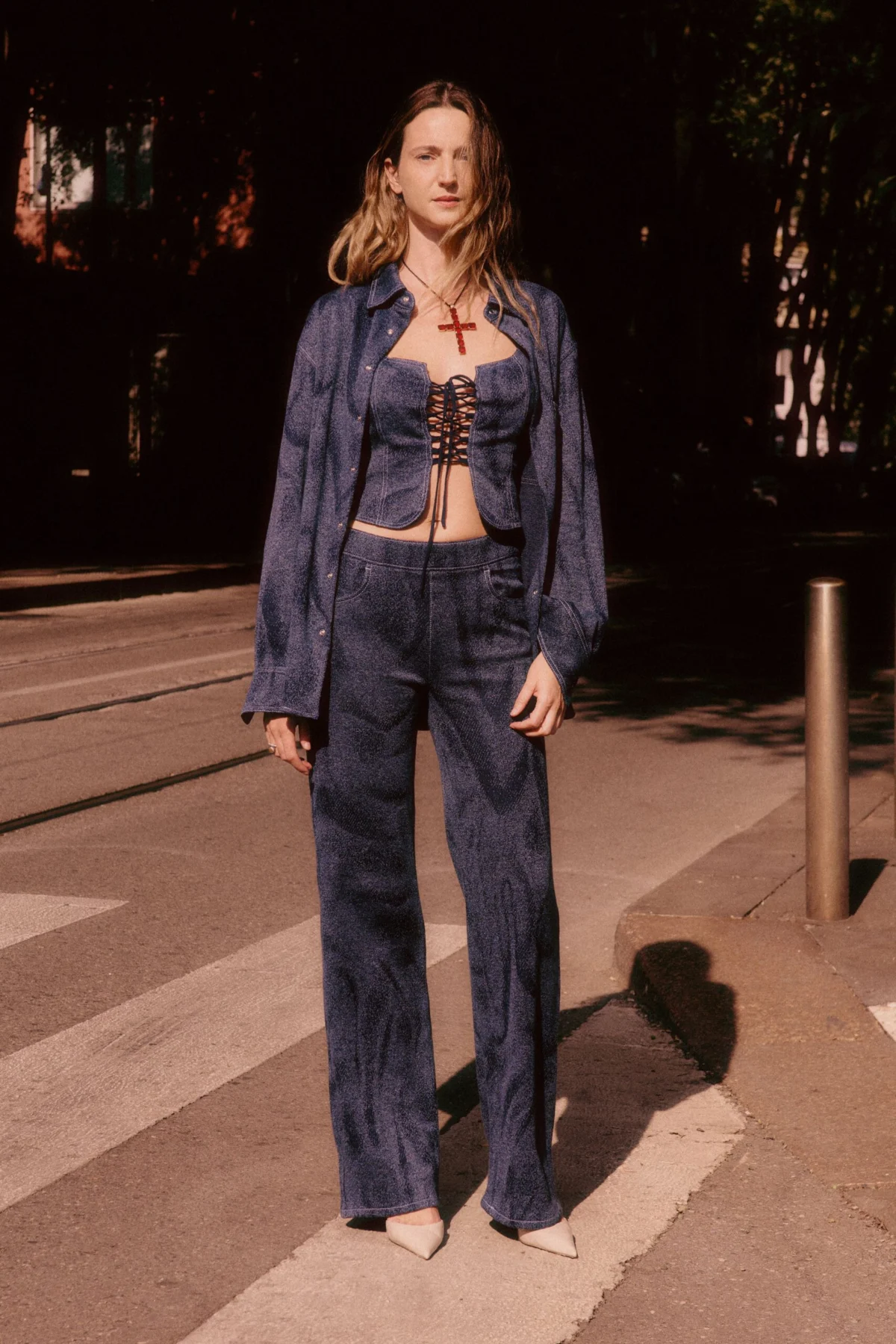
Margherita Maccapani Missoni’s Spring 2027 collection, unveiled during the recent fashion week calendar, represented a significant departure from the conventional understanding of newness. Titled "Re: Reseen/Reworn/Relove," the collection was not about introducing entirely novel silhouettes or fabrics, but rather a profound exploration of breathing new life into existing materials and designs, championing a philosophy of sustainability and enduring style. This initiative marks a pivotal moment in the brand’s commitment to integrating sustainable practices across all facets of its operations, aiming to curate a wardrobe that is both authentic and attainable for the modern consumer.
Missoni, the creative force behind the collection, articulated her vision: "I wanted certain pieces to exist again, and this gave me the freedom to let go and rediscover sides of my aesthetic that I had set aside in order to build the recognizability of the brand." This sentiment underscores a conscious decision to move beyond the relentless cycle of trend-driven consumption, instead focusing on the intrinsic value and longevity of design. The collection’s genesis lies in a deep appreciation for the brand’s heritage, offering a nuanced perspective on how to evolve while honoring its core identity.
The Art of Remix: Signature Materials Reimagined
At the heart of Maccapani’s aesthetic, jersey jacquard stands as an inimitable signature, and the designer’s affinity for juxtaposing diverse prints is a well-documented characteristic. With an innate talent for the art of mix and match, the Spring 2027 collection saw the introduction of striped knitwear and vibrant floral prints rendered in jersey organzine. Further pushing the boundaries of textile innovation, a novel denim yarn was seamlessly integrated into the brand’s iconic jersey jacquard. This innovative blend was then expertly applied to a range of garments, including contemporary jeans, versatile overshirts, and the brand’s signature "Comfy Corset," demonstrating a sophisticated fusion of traditional craftsmanship and modern sensibilities.
Beyond the reinvention of existing fabrications, the collection also featured a compelling expansion into "city beachwear." This innovative category is designed with dual functionality in mind, seamlessly transitioning from swimwear to outerwear. The stretch mesh, a material already familiar within the brand’s existing collections, was artfully reinterpreted into an array of chic bikinis, elegant one-piece swimsuits, and flowing shirt dresses. These pieces are intended to be paired with trousers crafted from the same fabric, a concept first introduced in previous seasons, offering a fresh and cohesive aesthetic that speaks to a relaxed yet sophisticated lifestyle. The strategic repurposing of materials and the emphasis on multi-functional garments highlight a commitment to reducing waste and maximizing the utility of each design.
A Curated Space: The Boutique as an Extension of the Collection
The philosophy of "Re: Reseen/Reworn/Relove" extends beyond the garments themselves, influencing the very spaces where they are presented. Maccapani has consistently strived to create clothing that serves as "spaces to inhabit," and with this collection, she has extended this idea to creating a physical space where her designs can truly come alive. The boutique located at 26 Via Leopardi in Milan has been transformed into a living archive, where the new collection is thoughtfully displayed alongside a curated selection of vintage pieces drawn directly from the brand’s extensive archive.
This symbiotic relationship between past and present is further enhanced by a carefully chosen collection of jewelry, curated by Manuel Menini, the founder of Vincent Vintage Bijoux. This collaboration underscores the shared commitment to vintage aesthetics and the appreciation for artisanal craftsmanship. The Milan boutique, therefore, becomes more than just a retail environment; it is an immersive experience that celebrates the enduring appeal of meticulously crafted pieces, encouraging customers to engage with the brand’s history and its sustainable future.
In line with this ethos of personalization and enduring value, Maccapani has also introduced a "Customwear Corner." This innovative initiative empowers clients to personalize their jacquard pieces, whether they are newly acquired or cherished items from previous purchases. The customization options include a range of exquisite trims, antique buttons, and unique patches, allowing customers to imbue their garments with a personal touch and further extend their lifespan. This hands-on approach to fashion fosters a deeper connection between the wearer and their clothing, reinforcing the idea of garments as cherished possessions rather than disposable commodities.
Context and Background: The Evolving Landscape of Sustainable Fashion
The Spring 2027 collection arrives at a critical juncture for the fashion industry. The global apparel market, valued at an estimated $1.5 trillion in 2023, is increasingly under scrutiny for its environmental impact. Reports from organizations like the United Nations Environment Programme (UNEP) highlight the industry’s significant contribution to greenhouse gas emissions, water pollution, and landfill waste. In response, a growing number of brands and consumers are embracing the principles of circular fashion, which emphasizes design for longevity, repair, reuse, and recycling.
The concept of "resale" and "vintage" has seen a dramatic surge in popularity. The global second-hand apparel market is projected to reach $350 billion by 2027, according to ThredUp’s 2023 Resale Report. This trend indicates a significant shift in consumer behavior, with a greater willingness to invest in pre-owned items and a growing appreciation for the quality and craftsmanship often found in vintage pieces. Maccapani’s "Re: Reseen/Reworn/Relove" collection directly taps into this cultural zeitgeist, offering a luxury interpretation of these sustainable practices.
The fashion week calendar, traditionally a platform for showcasing the "next big thing," is also evolving. While innovation remains paramount, there is a discernible shift towards showcasing collections that demonstrate responsible design and production. This move is not only driven by ethical considerations but also by consumer demand for transparency and sustainability. Brands that can authentically integrate these values into their narrative and product offerings are increasingly resonating with a conscious consumer base.
Chronology of a Sustainable Vision
The journey towards "Re: Reseen/Reworn/Relove" can be viewed as a natural progression for Margherita Maccapani Missoni and the brand. While specific dates for the inception of this particular collection are not publicly detailed, the underlying philosophy of sustainability has been a growing focus for the brand over the past several seasons. The brand’s exploration of eco-friendly materials, ethical sourcing, and reduced waste practices has been a consistent thread in their design and production strategies.
The concept of "giving new life to what already exists" is not a sudden revelation but likely the culmination of years of research, development, and a deepening understanding of the environmental challenges facing the fashion industry. The decision to present a collection that deliberately eschews complete novelty in favor of reimagining and re-contextualizing existing assets is a bold statement, signaling a maturity in the brand’s approach to design and its responsibility to the planet.
The introduction of the Customwear Corner and the curated vintage selections within the Milan boutique can be seen as tangible manifestations of this long-term vision, offering concrete ways for consumers to engage with the brand’s sustainable ethos beyond the immediate purchase of a new collection.
Supporting Data and Industry Reactions (Inferred)
While specific data points directly tied to the sales performance of "Re: Reseen/Reworn/Relove" are not yet available, the broader market trends provide a strong indication of its potential success. The increasing demand for sustainable fashion, the burgeoning resale market, and the growing consumer preference for brands with a clear ethical stance all suggest a positive reception for Maccapani’s approach.
Industry analysts have been closely observing the fashion industry’s pivot towards sustainability. Reports from McKinsey & Company and the Business of Fashion have consistently highlighted the growing importance of environmental, social, and governance (ESG) factors in brand valuation and consumer purchasing decisions. Brands that are perceived as genuinely committed to sustainability are often rewarded with increased brand loyalty and market share.
One can infer that fashion critics and influencers, who are increasingly vocal about sustainability, would likely commend Maccapani’s collection for its thoughtful and innovative approach. The emphasis on craftsmanship, heritage, and the creation of enduring pieces aligns with a growing sentiment that fashion should be about quality and longevity, rather than fleeting trends. The integration of vintage elements and customization options offers a unique selling proposition that resonates with a desire for individuality and a conscious consumption.
Broader Impact and Implications
The "Re: Reseen/Reworn/Relove" collection by Maccapani has the potential to influence broader industry practices. By demonstrating that a luxury brand can achieve commercial success while prioritizing sustainability and circularity, it sets a powerful precedent. This approach challenges the conventional notion that newness equates to progress and encourages a reevaluation of how value is perceived in the fashion industry.
The collection’s success could inspire other luxury houses to explore similar models, integrating vintage pieces, offering repair services, and investing in upcycling initiatives. This would contribute to a more circular economy within the fashion sector, reducing waste and minimizing environmental impact. Furthermore, the emphasis on personalization through the Customwear Corner empowers consumers to become active participants in the lifecycle of their garments, fostering a sense of ownership and responsibility.
The implications extend beyond environmental concerns. By celebrating heritage and craftsmanship, the collection reinforces the intrinsic value of well-made clothing. This can lead to a shift away from fast fashion and a greater appreciation for the artistry and labor involved in creating garments that are designed to last. In essence, Maccapani’s Spring 2027 collection is not just a showcase of new designs; it is a manifesto for a more mindful, sustainable, and enduring future for fashion. It offers a compelling vision of how luxury and responsibility can not only coexist but also mutually enhance each other, creating a more meaningful and lasting relationship between brands, consumers, and the planet.
