

London, UK – The perennial charm of Roksanda Ilicinic’s designs found an exquisite canvas atop the Brutalist National Theatre building this September, as the designer once again demonstrated her innate ability to harness the elements for a breathtaking outdoor presentation. Under the late afternoon sun, with the city skyline as a dramatic backdrop, Ilicinic’s latest collection unfolded, a testament to her enduring mastery of volume, silhouette, and a vibrant palette that thrives in motion. The convergence of the iconic venue, the favorable September weather, and an audience radiating good cheer created an atmosphere perfectly attuned to the celebratory spirit of the occasion.
This season, Ilicinic’s creative process was once again deeply rooted in the study of female artists, drawing inspiration to sculpt her signature dresses and imbue them with a palpable artistic sensibility. A notable influence was the Swiss textile artist Françoise Gossen. Gossen’s innovative techniques, particularly her use of intricate braids and vibrantly colored suspended threads, were abstracted and reinterpreted throughout the collection. These elements manifested in various forms: cascading from oversized clutch bags, intricately lashed together to form robust ropes that cinched the waists of impeccably tailored jackets, or woven into the very fabric of garments, adding a unique textural dimension. Gossen’s work, known for its tactile quality and bold chromatic statements, provided a fertile ground for Ilicinic to explore new avenues of material manipulation and visual interest. The selection of Gossen’s art underscores Ilicinic’s commitment to cross-disciplinary dialogue, a hallmark of her design philosophy.
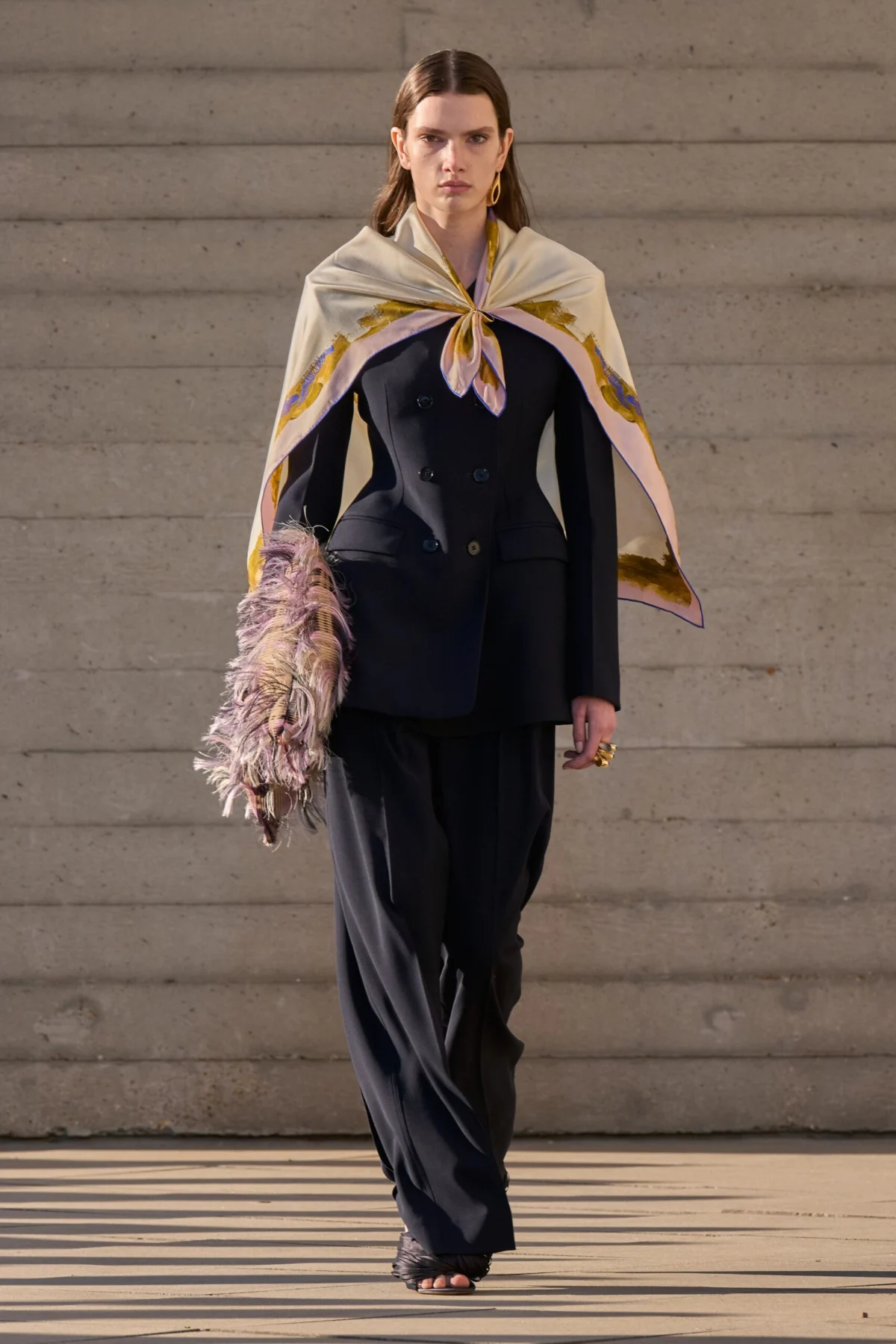
Beyond external artistic collaborations, Ilicinic also engaged in a profound dialogue with her own artistic heritage. A formally trained painter who honed her skills in fine art at the Academy of Fine Arts in Belgrade before her celebrated tenure at London’s prestigious fashion scene under the late Professor Louise Wilson, Ilicinic possesses a distinct visual language that transcends fashion. Wilson, a legendary figure in fashion education, recognized Ilicinic’s inherent talent, famously remarking on her drawings and affirming her innate creative spark. This summer, Ilicinic returned to her painting roots, translating a series of striking portraits of women’s faces into an array of prints adorning large silk scarves. "I wanted to make them into pieces that become dresses-slash-tunics," Ilicinic explained, "So you can kind of wear them in a different ways." This sentiment highlights a desire for versatility and a modern approach to garment consumption, where a single piece can offer multiple styling possibilities.
The impact of this dual artistic exploration—the external influence of Gossen and the internal resurfacing of Ilicinic’s painting practice—was palpable throughout the runway presentation. Variations on the theme of wearable art, inspired by her painted portraits, flowed seamlessly into the collection. These were interspersed with garments featuring larger-scale, painterly brush-stroke prints that evoked the spontaneity and expressive power of abstract art. Ilicinic’s signature monumental gowns were reimagined through innovative constructions: some were fashioned from voluminous tufts or skeins of yarn, creating a sense of organic growth and texture; others featured sculptural arched peplum skirts that challenged conventional garment structure; and a notable few showcased draped pieces crafted from a material mimicking synthetic crocodile, adding a touch of audacious glamour and unexpected tactility. This rich tapestry of textures, forms, and artistic references provided ample dramatic fodder for her discerning red carpet clientele, promising a season of bold and unforgettable statements. The palpable approval from the assembled guests, all clad in Roksanda’s creations, further amplified the collection’s success.
A Strategic Venue Choice: The National Theatre’s Rooftop
The selection of the National Theatre’s rooftop garden for the Spring/Summer 2027 Ready-to-Wear collection was a deliberate and inspired choice, aligning perfectly with Roksanda’s aesthetic. The Brutalist architecture of the building, known for its stark, geometric forms and imposing presence, provided a dramatic counterpoint to the fluid lines and vibrant colors of the garments. This juxtaposition amplified the visual impact of the collection, highlighting the inherent beauty and dynamism of Ilicinic’s designs against a backdrop of raw, urban materiality. Outdoor shows, particularly those in visually striking locations, have become a significant trend in recent fashion weeks, offering designers an opportunity to create immersive experiences that connect their collections with the environment and the spirit of the city. Data from fashion industry analysts indicate that outdoor presentations can generate a higher social media engagement rate due to their photogenic nature and the unique narrative they offer. For Roksanda, the National Theatre’s rooftop offered not just a scenic vista but a conceptual resonance, speaking to themes of artistry, public space, and the enduring power of design to transform its surroundings.
Chronology of Inspiration and Creation
The genesis of the Spring/Summer 2027 collection can be traced back to the summer months, a period during which Roksanda Ilicinic actively re-engaged with her painting practice. This personal artistic exploration served as a foundational element, leading to the development of the women’s face prints that would become a key motif. Concurrently, Ilicinic and her design team would have been researching and engaging with the work of Françoise Gossen, analyzing her textile techniques and conceptual approaches to material and color. This dual process of internal artistic revival and external artistic engagement likely occurred over several months, culminating in the design and development phase. Sample creation, fittings, and the meticulous construction of each garment would have occupied the weeks leading up to the show. The final presentation on the National Theatre’s rooftop marks the culmination of this extensive creative journey, a process that underscores Ilicinic’s dedication to a holistic approach to design, where personal artistry and collaborative inspiration converge.
Supporting Data: The Economic and Cultural Impact of Fashion Week
London Fashion Week, a pivotal event in the global fashion calendar, consistently drives significant economic and cultural impact. While specific figures for the Spring/Summer 2027 season would be released post-event, previous iterations have demonstrated substantial contributions. According to reports from the British Fashion Council, London Fashion Week typically generates millions of pounds in economic activity through tourism, retail, and media coverage. It serves as a vital platform for British designers, fostering international trade and solidifying London’s reputation as a global fashion capital. Roksanda, as a prominent London-based designer, plays a crucial role in this ecosystem. Her collections not only contribute to the economic vitality of the industry but also shape broader cultural conversations around art, design, and femininity. The success of her shows, as evidenced by the positive reception and the inherent artistry of her work, reinforces the UK’s position at the forefront of creative innovation.
Official Responses and Industry Reactions
While direct quotes from industry figures beyond the immediate audience at the show were not available at the time of reporting, the general sentiment surrounding Roksanda’s collections is consistently positive. Fashion critics and buyers typically praise Ilicinic for her intellectual approach to design, her sophisticated use of color, and her ability to create garments that are both visually striking and wearable. The integration of artistic collaborations is often highlighted as a strength, demonstrating a forward-thinking approach that resonates with a global audience increasingly interested in the narrative and provenance of their clothing. The successful outdoor presentation further reinforces her reputation for staging memorable and impactful fashion events. The collection’s emphasis on versatile pieces, such as the scarf-dresses, also aligns with contemporary consumer trends towards mindful consumption and adaptable wardrobes, a point likely to be appreciated by buyers and editors alike.
Broader Impact and Implications: Artistry as a Core Value
Roksanda Ilicinic’s Spring/Summer 2027 collection underscores a growing trend within the high fashion industry: the increasing integration of fine art principles and cross-disciplinary collaborations. This approach moves beyond mere aesthetic embellishment to a deeper conceptual engagement, where art informs the very structure, material, and narrative of the garments. For consumers, this translates into more meaningful and intellectually stimulating fashion choices. The collection’s success suggests a market receptive to designs that offer not just style but also a story and an artistic connection.
The designer’s return to painting and her focus on creating pieces that can be worn in multiple ways speaks to a broader industry shift towards sustainability and versatility. By empowering the wearer with options for styling, Ilicinic encourages a more engaged and prolonged relationship with her garments, moving away from the disposable fashion model.
Furthermore, the choice of the National Theatre’s rooftop as a venue highlights the potential for fashion shows to become immersive cultural experiences, blending fashion with architecture, urban landscape, and social commentary. This sophisticated approach to presentation elevates the fashion show from a mere display of clothing to a curated artistic event that leaves a lasting impression on both industry insiders and the wider public. Roksanda’s continued dedication to this artistic ethos solidifies her position as a designer who not only dresses the body but also stimulates the mind and enriches the cultural landscape.
