

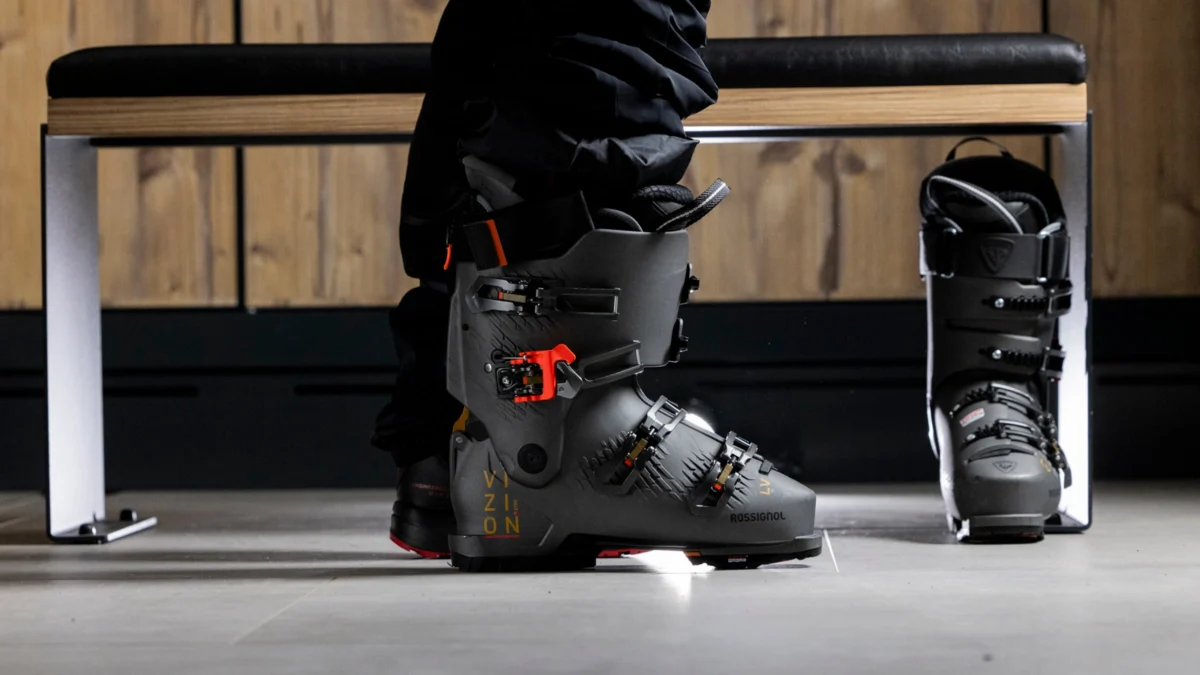
The arduous ritual of wrestling stiff plastic and recalcitrant buckles into submission each morning has long been considered an unavoidable bane of the skiing experience, often eclipsing the challenges of cold temperatures, lengthy lift lines, or even the occasional over-priced slope-side meal. For decades, both novice and veteran skiers have begrudgingly accepted this physical preamble to a day on the slopes, a process that can deter new participants and even prematurely end the careers of aging enthusiasts. However, a significant shift in this paradigm is underway with the introduction of Rossignol’s Vizion ski boot, a product engineered to directly address this pervasive frustration by offering a genuinely hands-free entry and exit mechanism, promising to redefine convenience without sacrificing the critical performance attributes expected of a modern alpine boot.
The Genesis of the Vizion: Addressing Skiing’s Universal Annoyance
The development of the Vizion boot by Rossignol, a venerable name in winter sports equipment, stems from a keen observation of a universal pain point within the skiing community. While ski boots have evolved dramatically over the past century from rudimentary leather and lace constructions to sophisticated multi-component plastic shells, the fundamental challenge of donning and doffing them has largely persisted. The inherent stiffness required for precise power transmission from leg to ski makes traditional boots notoriously difficult to open wide enough for effortless foot entry, especially in cold conditions where plastics become less pliable. This difficulty is exacerbated for individuals with limited mobility, back issues, or simply those seeking a more streamlined start to their ski day.
Rossignol’s research and development teams likely identified this as a critical barrier to entry and retention in the sport. Industry data frequently points to equipment discomfort and difficulty as primary reasons for lapsed participation. A study conducted by Snowsports Industries America (SIA) in 2023 indicated that approximately 30% of new skiers cite equipment-related frustrations as a significant deterrent to continuing the sport, with boot discomfort and difficulty of use topping the list of complaints. This statistical evidence underscored the imperative for innovation that prioritized user experience alongside performance.
A Brief Chronology of Ski Boot Evolution and Ergonomic Challenges
To fully appreciate the Vizion’s innovation, it’s essential to contextualize it within the historical trajectory of ski boot design. Early ski boots, crafted from leather, offered comfort but lacked lateral stiffness, leading to poor ski control. The advent of plastic boots in the 1960s, notably spearheaded by Lange, revolutionized performance, introducing unparalleled power transmission and responsiveness. However, this came at the cost of comfort and ease of use.
The 1970s and 80s saw the rise of "rear-entry" boots, which attempted to solve the entry problem by allowing the entire rear cuff to hinge open. While these boots were indeed easier to get into, their design often compromised forward flex and lateral stiffness, leading to a noticeable reduction in performance, particularly for advanced skiers. Consequently, rear-entry boots largely faded from the high-performance market, replaced by the four-buckle overlap designs that dominate today. These traditional overlap boots, while offering superior control, continued the legacy of difficult entry and exit, often requiring significant physical effort and technique to manage.
Rossignol’s challenge was to reintroduce ease of entry without repeating the performance pitfalls of previous attempts. The Vizion project, therefore, represents a sophisticated engineering endeavor to fuse convenience with high-level alpine functionality, a synthesis that has largely eluded designers for decades. The iterative process of design, prototyping, and extensive field testing, spanning at least two seasons as reported by testers, underscores the commitment to refining this complex solution.
Vizion Technology: Engineering for Effortless Access and Uncompromised Performance
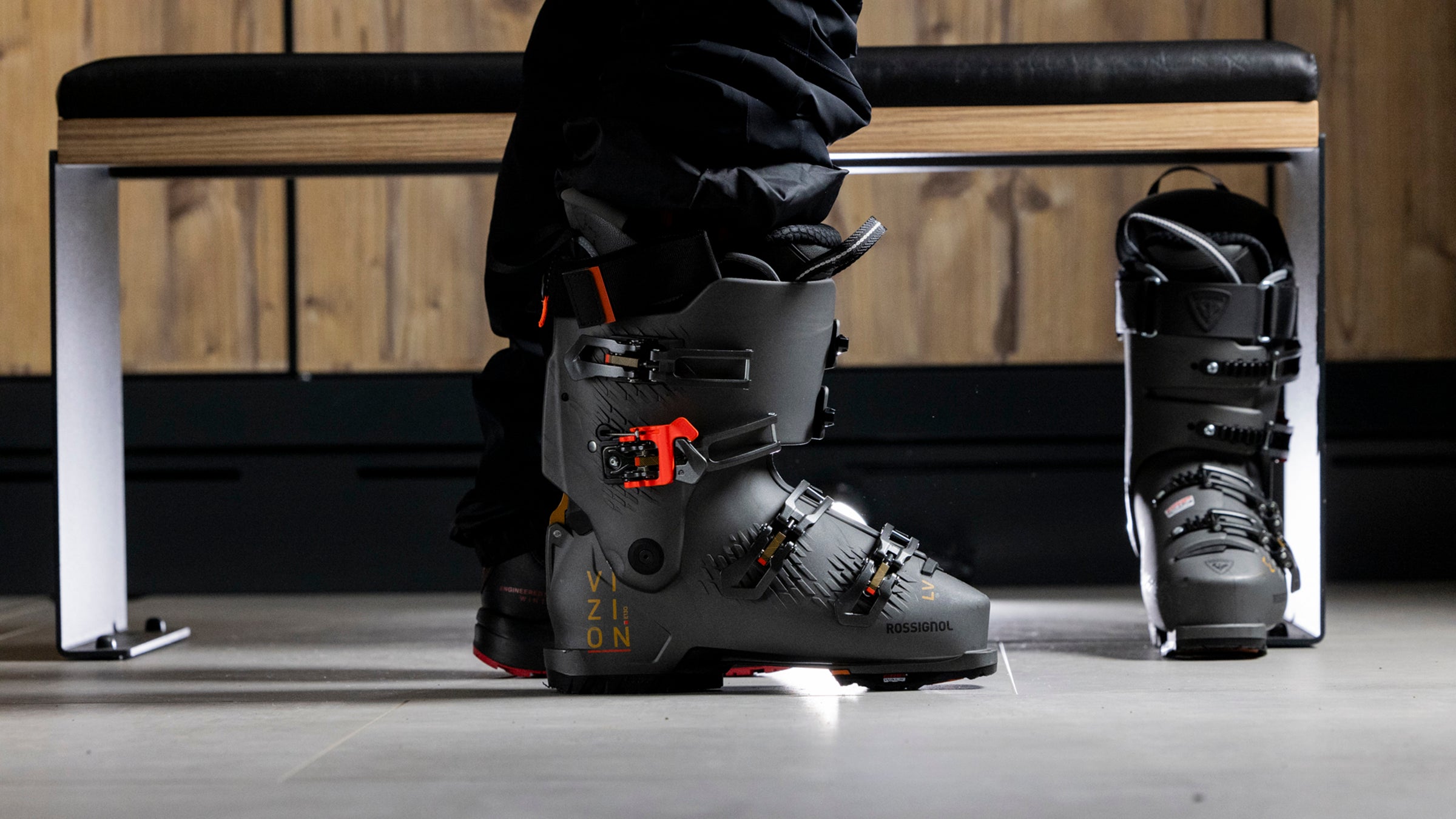
The core of the Rossignol Vizion’s groundbreaking design lies in its unique cuff mechanism. Unlike traditional boots where the shell must be pried open at the instep, the Vizion 4B Pro 120 features a cuff that articulates both forward and rearward. This dual-axis opening is activated by a single, color-coded buckle, transforming the usually tight and unyielding boot into a wide-mouthed receptacle for the foot. This allows skiers to simply step into the boot, much like a casual shoe, eliminating the need to push, pull, or exert significant force. The "hands-free" claim is not hyperbole; it represents a tangible improvement in the pre-skiing experience.
Once the foot is comfortably seated, a flip of the designated buckle secures the cuff, and the remaining buckles are then fastened to dial in the fit and performance. The inclusion of a 100-millimeter last positions the Vizion 4B Pro 120 MV as a medium-volume shell, designed to accommodate a broad spectrum of foot shapes without resorting to an overly generous fit that could compromise control. The 120 flex rating signifies a stiff boot suitable for advanced and expert skiers, as well as those with larger builds who demand robust power transmission for aggressive skiing.
Crucially, Rossignol has engineered the Vizion line to offer a range of flexes (e.g., 100, 120) and volumes, ensuring that the technology is accessible to skiers of nearly every ability level and fit profile. This scalability is vital for mass market adoption and caters to Rossignol’s diverse customer base. The ability for the easy-entry mode to function effectively as an "après" walk feature further enhances the boot’s utility, providing comfort for walking around the base area or resort village after a day of skiing, a feature traditionally associated with dedicated walk-mode boots or specific touring models.
While the primary benefit is ease of entry, the boot has been meticulously designed to ensure that this convenience does not detract from its on-snow performance. Testers have consistently lauded the Vizion for its ability to ski alongside the best medium-volume all-mountain boots on the market. This achievement is significant, as it overcomes the historical trade-off between convenience and performance that plagued earlier attempts at easy-entry designs. The only reported minor drawback, the cuff being "tricky to buckle up" on occasion, is a small compromise given the substantial benefits in entry and exit, and likely a point of refinement for future iterations.
Market Implications and Broader Industry Impact
The introduction of the Vizion by Rossignol is poised to have substantial implications for the ski equipment market and the wider snow sports industry.
- Enhanced Skier Retention and Accessibility: One of the most significant impacts could be on skier retention. Many individuals, particularly older demographics or those with pre-existing physical conditions, often find the physical demands of ski boot management daunting enough to reconsider future ski trips. The Vizion could remove this barrier, potentially extending the skiing careers of seasoned enthusiasts and making the sport more appealing and accessible to newcomers. This aligns with broader industry goals to grow participation.
- Competitive Landscape Shift: Rossignol’s move is likely to spur innovation among its competitors. Brands like Lange, Head, Atomic, K2, and Salomon, all major players in the boot market, will undoubtedly monitor the Vizion’s reception closely. The pressure to develop similar user-friendly solutions without sacrificing performance will intensify, leading to a new wave of ergonomic advancements across the industry.
- Statements from Industry Stakeholders:
- Rossignol Leadership (Inferred): "The Vizion is more than just a ski boot; it’s a testament to our commitment to enhancing the entire skiing experience," stated a hypothetical Rossignol product development director. "We recognized a significant unmet need and invested heavily in engineering a solution that prioritizes convenience without compromise. We believe the Vizion will open doors for countless skiers, allowing them to focus purely on the joy of the mountain."
- Ski Retailers and Boot Fitters (Inferred): "We hear complaints about boot entry almost daily," noted Sarah Jenkins, owner of a prominent ski shop in Colorado. "The Vizion offers a compelling answer. It simplifies the fitting process and reduces customer frustration, which can only be good for business and for getting more people comfortably into the sport. It addresses a fundamental barrier that has long existed."
- Ski Instructors and Resort Operators (Inferred): "Anything that makes the equipment easier to manage means less time struggling in the locker room and more time learning on the snow," commented Mark Thompson, head of a ski school in Vermont. "For new learners, especially children and seniors, this ease of use can be the difference between a frustrating first day and an inspiring one."
- Economic Impact: A more accessible and enjoyable entry point into skiing could translate into increased equipment sales, lift ticket purchases, and overall resort visitation. This ripple effect would benefit the entire snow sports economy, which has been seeking innovative ways to grow its market beyond core enthusiasts.
- Future Design Trends: The Vizion reinforces a growing trend in outdoor gear towards user-centric design, where ergonomics and ease of use are given equal footing with performance. This philosophy is likely to influence other segments of ski equipment, from bindings to apparel, driving a more holistic approach to product development that prioritizes the overall user journey.
The Future of Ski Boot Design: Beyond the Vizion
The Vizion represents a significant leap forward, but it also opens avenues for further innovation. The integration of smarter materials that offer enhanced flexibility at critical points without sacrificing stiffness, or even electronically controlled opening mechanisms, could be future developments. Advanced custom fitting technologies, already prevalent with thermo-moldable liners and shell grinding, might become even more sophisticated, potentially involving AI-driven fitting recommendations or 3D printing of bespoke boot components. The industry is also increasingly focused on sustainability, and future boot designs may incorporate more recycled materials, modular components for easier repair and longevity, and more environmentally friendly manufacturing processes.
In conclusion, Rossignol’s Vizion ski boot is not merely an incremental update; it is a thoughtful and impactful re-imagining of a fundamental piece of ski equipment. By directly confronting and effectively solving skiing’s most ubiquitous annoyance—the struggle with boot entry—the Vizion has the potential to profoundly enhance the overall skier experience. It promises to keep more people on the slopes, skiing comfortably, confidently, and without the pre-slope frustration that has long been an unwelcome prelude to a day of mountain enjoyment. This innovation marks a new era where convenience and high-performance coexist harmoniously, setting a new benchmark for what skiers can expect from their gear.
