

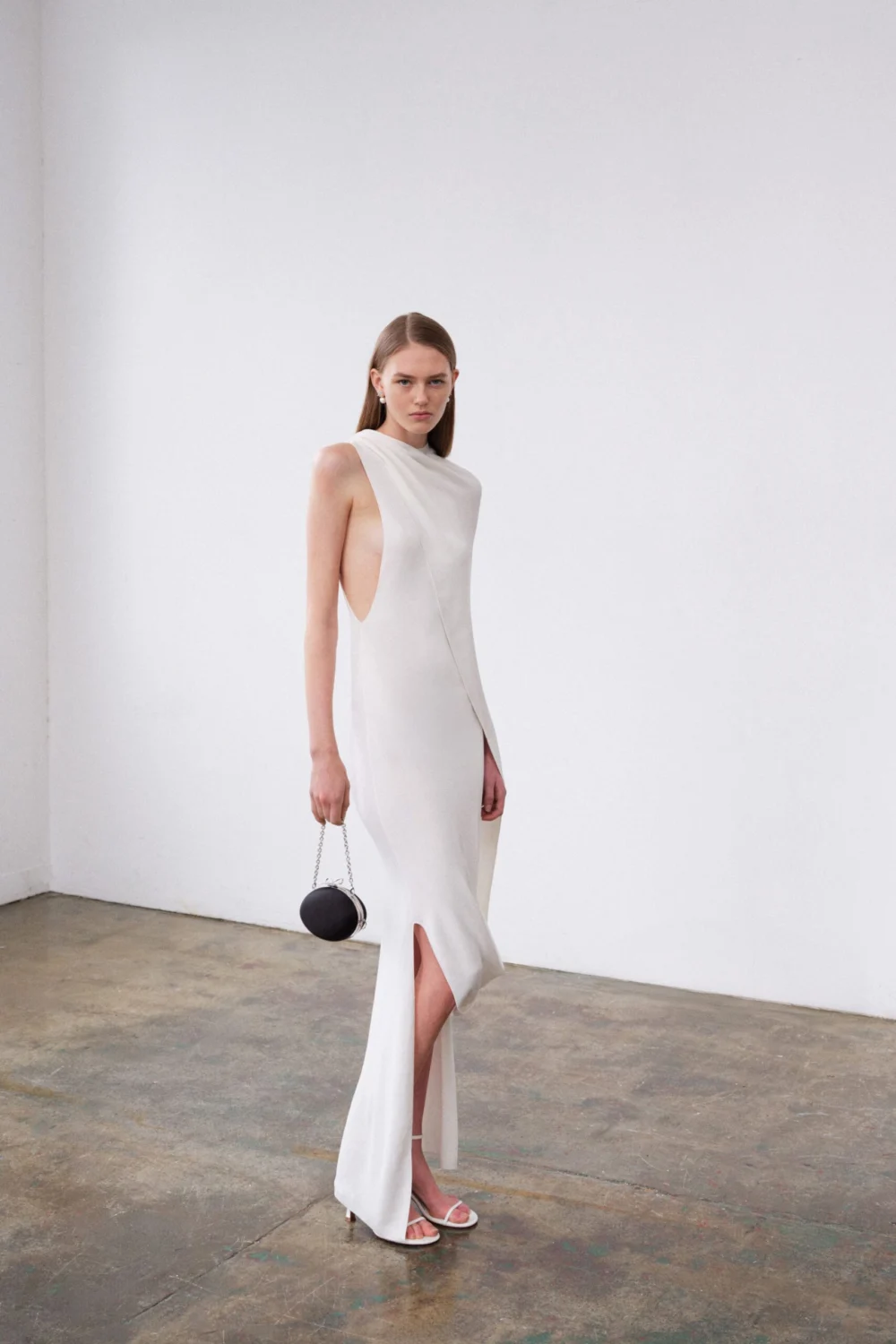
The fashion industry, often characterized by its relentless pace and a constant influx of newness, found a moment of deliberate recalibration with Self-Portrait’s recent unveiling of its pre-fall 2026 collection. Ahead of a more intimate walkthrough of the new designs, designer Han Chong offered a striking prelude: a short film titled "Sandiwara," a cinematic collaboration with acclaimed writer-director Sean Baker and starring the inimitable Michelle Yeoh. This screening, held in a bustling Chinatown dumpling restaurant, was not merely a promotional event but a tangible manifestation of Self-Portrait’s ambitious Residency program, which aims to foster cross-disciplinary creative partnerships. Launched in 2024 with a capsule collection alongside Christopher Kane, the program signals Chong’s strategic intent to move beyond the conventional fashion calendar and engage with a broader artistic landscape.
The rationale behind this expansion, as articulated by Chong himself, stems from a profound observation of the current fashion environment. "There’s too much noise, too much fashion at the moment," he stated, a sentiment that resonated deeply within a packed venue. "People are overwhelmed." This declaration comes at a time when the global fashion cycle has become increasingly compressed. Fashion month, a series of events that officially kicks off with Pitti Uomo in January for menswear and continues through to October for womenswear, has, by Chong’s estimation, been "rumbling on for the better part of 8 weeks" when the pre-fall collections begin to emerge. The pre-fall 2026 season, therefore, represents a conscious decision to counter this overwhelming tide by prioritizing clarity and accessibility in design. "It felt right not to over-design," Chong explained, underscoring a philosophy that champions a direct connection with the end consumer.
A Deliberate Shift Towards Customer-Centric Design
The designer’s candid admission of seeking a "relief to inspect a rack of clothes with no agenda beyond ‘being easy for the customer to understand’" speaks volumes about a growing sentiment within the industry. This willingness to set aside perceived creative ego in favor of catering to actual shoppers, rather than solely critics or editorial narratives, is a commendable and increasingly recognized strategy. It echoes a broader industry trend, exemplified by designers like Demna at his highly anticipated Gucci debut, who also prioritized a clear and relatable vision. For Self-Portrait, this customer-first approach translated into a collection characterized by cohesive and instantly understandable ensembles.
The pre-fall 2026 offerings featured a series of coordinated skirt sets rendered in delicate broderie anglaise, exuding a sense of refined femininity. Soft pale-pink knits were adorned with charming floral button detailing, adding a touch of whimsical detail. Lace-trimmed bouclé suits offered a nod to classic silhouettes, reimagined with the brand’s signature modern sensibility. Denim, arguably the most democratic and accessible fabric in modern fashion, was ingeniously engineered into a variety of contemporary silhouettes. Cowl-neck minidresses featured permanently flared skirts, creating a playful and dynamic movement. Twisted-seam cargo trousers offered a utilitarian edge, while halterneck button-up maxi dresses provided a sophisticated yet relaxed option.
Beyond these structural innovations, denim was also treated with a luxurious hand, achieving a drape that verged on the softness of cashmere. This elevated approach was evident in pussy-bow blouses that exuded an understated elegance and wide-leg jeans intricately embroidered with a subtle silver pinstripe thread, adding a touch of understated glamour. The overall mood of the collection felt distinctly sweeter and more coquettish than previous seasons. Chong attributed this shift to the impending summer months and a desire for his customers to "feel light." This seasonal alignment, coupled with a focus on wearability, suggests a deep understanding of consumer desires during warmer periods.
Pre-Fall’s Strategic Importance: A Season of Celebration and Transition
Pre-fall collections, historically viewed as a bridge between the main seasons, have increasingly become a critical retail period for many brands. For Self-Portrait, pre-fall represents its "biggest season," with collections retailing well into early September. This extended window aligns perfectly with a period in many clients’ calendars filled with significant social events and travel. From bachelorette parties and weddings to summer holidays, the demand for versatile and celebratory occasion wear is at its peak. Chong’s collection directly addresses this need with an array of meticulously designed pieces.
Lavishly draped ribbed-jersey gowns offered a sophisticated elegance, while asymmetric cotton poplin shirt dresses provided a chic and contemporary option. Bow-topped shifts conveyed a sense of playful sophistication, and diamanté-strewn cocktail numbers, ranging from alluring backless columns to flirtatious ruched minis, promised to be the stars of any evening event. Even a dramatic taffeta bridal gown was included, underscoring the brand’s ambition to cater to a wide spectrum of celebratory moments.
The endorsement of such designs by iconic figures further solidifies their appeal. The recollection of Kate Moss’s enthusiastic reaction to a bias-cut polka-dot slip dress – "Oh my God, your bias-cut dresses," she reportedly exclaimed, "They fit so well and look amazing" – serves as a powerful testament to the collection’s flattering silhouettes and wearer appeal. The serendipitous evocation of Moss’s signature Balearic style in elements like crochet beach dresses and basket bags, alongside vintage-inspired nightgowns, linen waistcoats, and delicate lace blouses reminiscent of her famed Portobello Road finds, highlights the brand’s ability to tap into timeless style sensibilities. While Chong remained coy about whether Moss would be the next featured artist in his Residency program, her presence and perceived affinity for the brand’s aesthetic underscore its growing influence and appeal.
The Residency Program: Cultivating a Broader Creative Ecosystem
The "Sandiwara" film premiere and the broader implications of the Residency program underscore Self-Portrait’s evolving identity. The program, designed to transcend traditional fashion collaborations, aims to build a more holistic creative ecosystem. By partnering with filmmakers like Sean Baker, known for his gritty realism and compelling narratives (films like "The Florida Project" and "Red Rocket" have garnered critical acclaim), Chong is injecting a new layer of artistic depth and cultural relevance into the Self-Portrait brand. This move suggests a strategic vision to position the brand not just as a purveyor of desirable clothing, but as a patron and participant in the wider cultural conversation.
The financial implications of such cross-disciplinary ventures are also noteworthy. While specific figures for the Residency program are not publicly disclosed, the investment in high-profile collaborations signals a commitment to brand building and expanding reach beyond traditional retail channels. The success of the Christopher Kane capsule in 2024, which reportedly saw significant engagement and sales, provides a positive precedent. The expansion into film and potentially other artistic fields indicates a desire to tap into new audiences and create more immersive brand experiences. This approach aligns with the strategies of other luxury brands that are increasingly leveraging art, film, and digital content to enhance brand equity and consumer engagement.
Data-Driven Insights and Future Trajectories
Analysis of retail data from the pre-fall season provides further context for Chong’s design philosophy. Reports from market research firms such as Edited and Edited indicate a growing consumer demand for "occasion wear" and "event dressing" in the lead-up to peak holiday and wedding seasons. Specifically, searches for "wedding guest dresses" and "party dresses" typically surge by an average of 30-40% in the months leading up to summer. Furthermore, the increasing popularity of "versatile pieces" that can be styled for multiple occasions is a key trend, with consumers seeking value and longevity in their purchases. Self-Portrait’s emphasis on coordinated sets, adaptable denim pieces, and celebratory yet wearable gowns directly addresses these consumer preferences.
The brand’s focus on accessible luxury also plays a significant role in its commercial success. With average price points for Self-Portrait dresses ranging from $300 to $700, and knitwear and separates falling between $200 and $400, the brand occupies a sweet spot in the market, offering high-quality, fashion-forward designs at a more attainable price point than high-end luxury houses. This accessibility, combined with the brand’s growing international presence – with flagship stores in London, New York, and Los Angeles, and stockists in over 400 retailers globally – positions it for continued growth. The pre-fall 2026 collection, with its emphasis on clarity, wearability, and celebratory design, is poised to capitalize on these market dynamics and further solidify Self-Portrait’s position as a leading contemporary fashion house. The strategic integration of artistic collaborations like the Residency program promises to keep the brand relevant and engaging in an ever-evolving fashion landscape.
